Every year, thousands of retirees pack up their belongings and head south, drawn by sunshine, beaches, and a state income tax bill that reads zero. The pitch sounds almost too good to be true, and for a long time that was part of Florida’s charm. Yet talk to anyone who has actually lived through a full year in a coastal Florida community, and a different picture starts to emerge, one filled with expenses that rarely make it into the glossy retirement brochures.
Homeowners insurance premiums that keep climbing

Florida has held the title of most expensive state for homeowners insurance for several years running, and 2026 hasn’t changed that ranking. Florida’s average annual cost of home insurance hit $8,292 in 2025, an 18% increase over 2024, and home insurance costs have risen by more than 14% in the state since 2023. Depending on which analysis you look at, the actual number a retiree pays varies quite a bit by region and provider.
Some relief has finally arrived after years of steady increases. The market is softening, and following landmark tort reform legislation, numerous carriers have filed 5 to 10 percent rate reductions, with several new insurers entering or re-entering the Florida market. Even so, coastal counties remain brutal on the wallet, with Monroe County averaging $14,850 and Miami-Dade averaging $12,200 for home insurance in 2026, compared to just $1,620 in inland Sumter County.
Flood insurance is a separate, often mandatory bill

Many new Florida residents assume their homeowners policy covers water damage from storms. It doesn’t, and that gap catches people off guard almost every hurricane season. The average annual cost of an NFIP policy for single-family Florida homes is $1,363, above the national average of $1,290, though premiums vary geographically, with central Florida’s Marion County averaging $590 a year while southern Monroe County averages $4,697.
Pricing has also become less predictable since federal reforms took effect. Risk Rating 2.0 represents the biggest change to the way the NFIP calculates flood insurance premiums since the program began in 1968, reflecting an individual property’s specific flood risk rather than a general category based on location and property type. That means two nearly identical homes on the same street can end up with very different flood bills, which makes budgeting for it trickier than most new retirees expect.
Condo and HOA special assessments are landing hard

The 2021 Surfside condominium collapse changed Florida law in ways that are still rippling through condo budgets today. As of January 1, 2025, associations must fully fund reserves based on their structural integrity reserve study recommendations, and the previous practice of allowing owners to vote to waive or reduce reserve funding is no longer permitted for buildings three stories or taller. For retirees who bought into an older condo assuming modest monthly dues, this can mean a jarring recalculation.
The financial stakes go beyond higher monthly fees. The association lien has super priority over first mortgages for up to 12 months of unpaid assessments, meaning an owner could lose their home even while current on the mortgage. Some relief has come through House Bill 913, which provides some relief by extending certain deadlines and giving boards more flexibility with short-term reserve funding, though it does not eliminate the fundamental requirements passed after Surfside.
Property taxes reset the moment you buy

The no-income-tax pitch is real, but it obscures how property taxes actually work for a new resident. Long-time Florida homeowners benefit from a cap that limits how much their assessed value can rise each year, but that protection does not carry over to a fresh purchase. Property taxes typically equal about 0.7 to 0.8 percent of assessed value, and the assessment resets to the current market price when a home is bought, so a newly purchased $350,000 home carries an annual tax near $2,500, up about thirty-five percent from five years ago.
Filing paperwork matters just as much as the rate itself. Save Our Homes caps annual increases on a home’s assessed value at 3 percent or the rate of inflation, whichever is lower, but the homestead exemption must be filed by March 1 of the tax year being claimed, and missing that date means waiting another year. Retirees who skip this step, often because they’re unfamiliar with Florida’s system, end up paying more than their neighbors for identical homes.
Hurricane deductibles and storm preparation add up fast
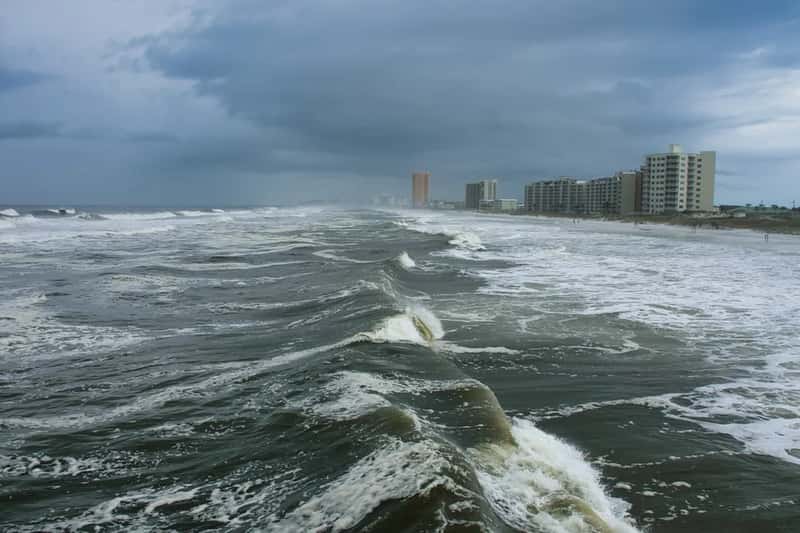
Even with a solid insurance policy in place, a single storm can trigger costs most new residents never budgeted for. A separate hurricane deductible, typically two percent of a home’s value, means a single storm can leave a homeowner writing a six-thousand-dollar check before insurance pays a dime. Shutters, generators, and reinforced garage doors aren’t optional extras in many coastal towns; they’re practical necessities.
Not everything is bleak on this front, though. Retirees can apply for My Safe Florida Home grants to strengthen windows and roofs, install shutters for wind mitigation credits, and keep an emergency fund equal to their deductible. Wind mitigation inspections can also lower premiums over time, so the upfront cost of storm hardening sometimes pays for itself within a few years.
Air conditioning turns utility bills into a year-round expense

Snowbirds moving from northern states often expect utility bills to drop once heating costs disappear. Instead, the reverse tends to happen. Electric bills in Florida run higher than almost anywhere else, sometimes double, because the air conditioner runs hard and constantly for roughly eight to nine months of the year.
Estimates vary by source and household size, but the pattern is consistent. Air conditioning costs are substantial, with utility bills in Florida averaging $150 to $250 more per month than northern states during summer. Newer, well-insulated homes with modern HVAC systems fare noticeably better than older housing stock, which is worth factoring into any home search.
Heat, humidity, and salt air wear down a home faster

Florida’s climate isn’t just uncomfortable at times; it’s genuinely hard on a house. Properties in flood-prone or hurricane-exposed zones require specialized coverage, and high humidity, coastal salt air, and summer storms create wear and tear that adds to upkeep costs. Roofs age faster, metal fixtures corrode sooner, and mold prevention becomes a routine chore rather than an occasional concern.
These maintenance realities also feed back into insurance costs, since roof condition is one of the biggest factors insurers weigh. Retirees who plan to stay in their Florida home for decades should expect to budget for roof replacement, HVAC servicing, and pest control on a tighter cycle than they might have up north. It’s not dramatic on any single year, but it adds up steadily over a decade of ownership.
Long-term care costs can quietly derail a retirement plan

Healthcare access draws many retirees to Florida, but the cost of extended care once health declines is often underestimated. Florida nursing home semi-private rooms run $9,000 to $10,500 per month statewide, while assisted living costs $4,385 to $5,600 per month depending on location and facility type. Over a multi-year stay, those numbers compound into a serious financial exposure.
Medicare offers far less coverage here than most people assume. Medicare covers zero days of long-term custodial care, and only covers up to 100 days of skilled nursing after a qualifying hospital stay. Medicaid can eventually step in, but qualifying as an individual in Florida in 2026 requires monthly income below $2,982 and assets below $2,000, a threshold that forces many families to spend down savings first.
No income tax doesn’t mean no federal or Social Security tax

The absence of a state income tax is genuine and valuable, but it’s easy to conflate that with a tax-free retirement overall. Federal taxes on pensions, IRA withdrawals, and a portion of Social Security benefits still apply regardless of which state a retiree calls home. A retiree with $22,000 in Social Security benefits, $35,000 in pension income, and $13,000 in IRA withdrawals has a combined income of roughly $59,000 in 2026, putting them above the Social Security taxation threshold, with much of the pension and IRA income falling in the 12 percent federal bracket.
There is a modest offset worth knowing about. Under the new 2025 federal tax law, retirees age 65 and older may qualify for an additional senior bonus deduction of up to $6,000, which can lower their taxable income. It helps, but it doesn’t erase the reality that federal tax planning still matters just as much in Florida as it would in a state with its own income tax.
Traffic, insurance-linked driving costs, and rising home prices
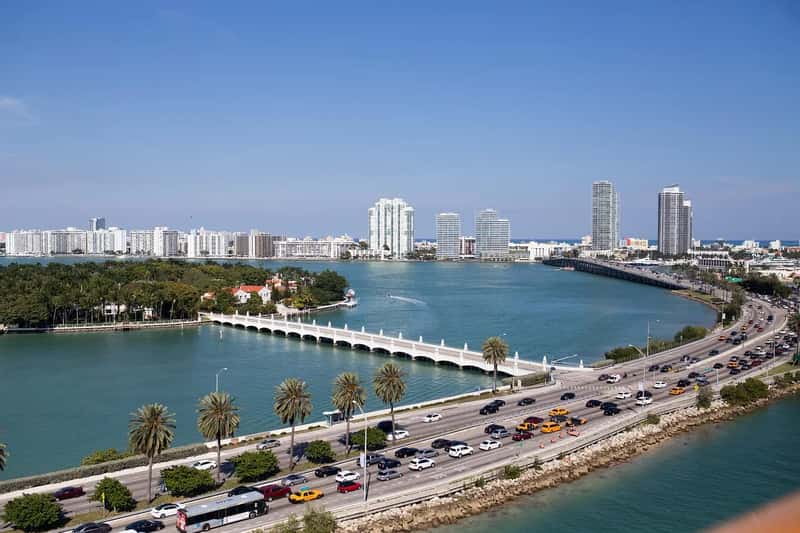
Florida’s population boom has strained infrastructure faster than roads and transit have been able to keep pace. Miami, Tampa, and Orlando rank among the top 20 most congested metro areas in the US, and infrastructure has not kept pace with population growth. For retirees used to quieter roads elsewhere, this can mean longer drives to medical appointments and more wear on vehicles.
Meanwhile, the home prices that once made Florida a bargain have shifted considerably. The median Tampa home price reached roughly $443,000 in mid-2026, a jump that surprises anyone picturing retirees scooping up beach cottages for pocket change. Combined with insurance and tax resets on any newly purchased property, the total cost of settling into a Florida home now looks quite different than it did a decade ago.