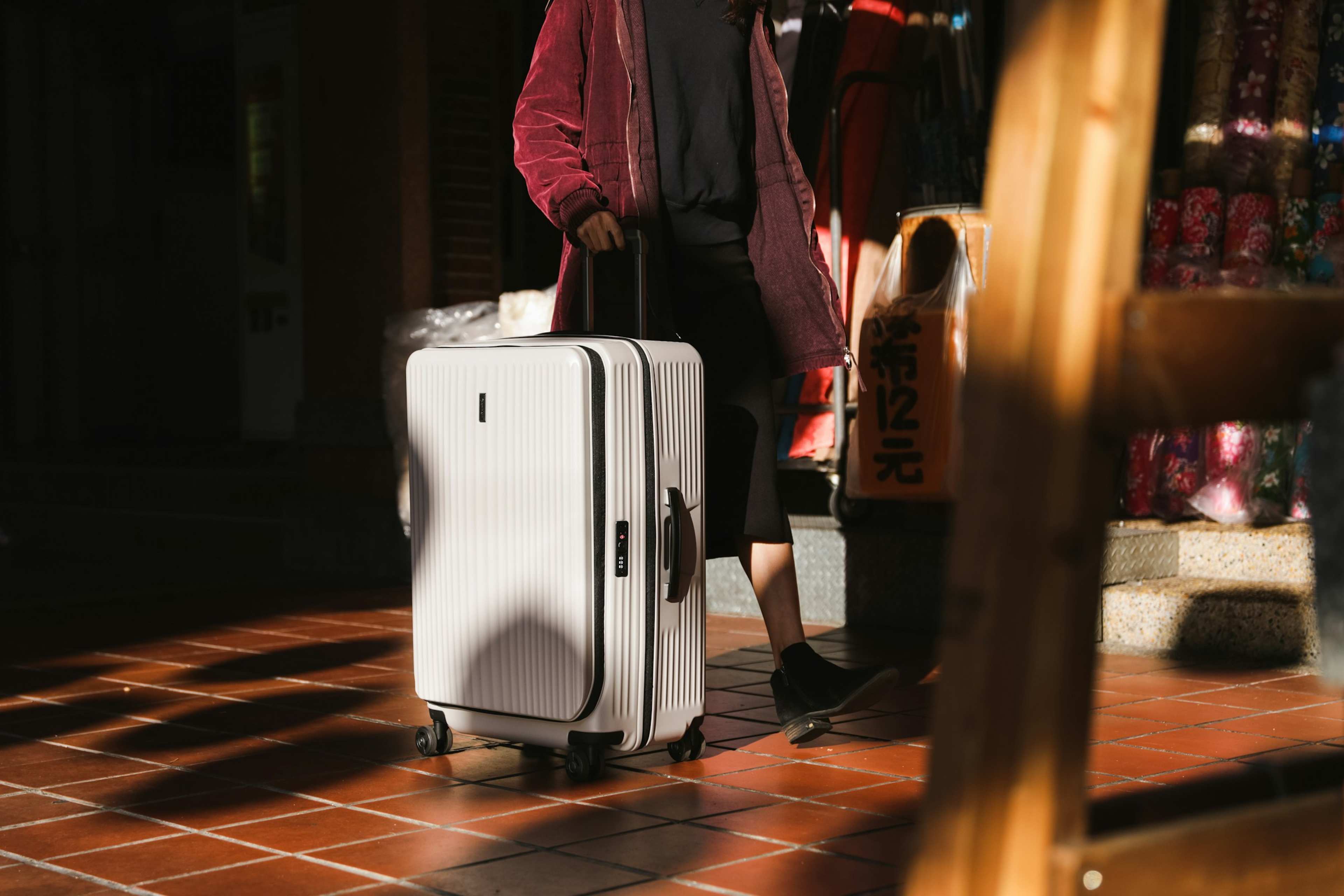
Most travelers have done it. You’re in the final hours of a trip, your flight leaves in six hours, and there’s a wad of local currency burning a hole in your pocket. So you panic-buy an overpriced airport sandwich, stuff a tacky souvenir in your carry-on, or wave at the duty-free perfume counter like it owes you something. Sound familiar? Honestly, I think almost every traveler has fallen into this trap at least once.
The “leftover currency trap” is real, it’s global, and it’s costing travelers an astonishing amount of money every single year. The problem isn’t just what you spend in those frantic last moments – it’s the whole system around how we handle foreign cash from start to finish. There are smarter ways to handle this. Let’s dive in.
The Scale of the Problem Is Bigger Than You Think
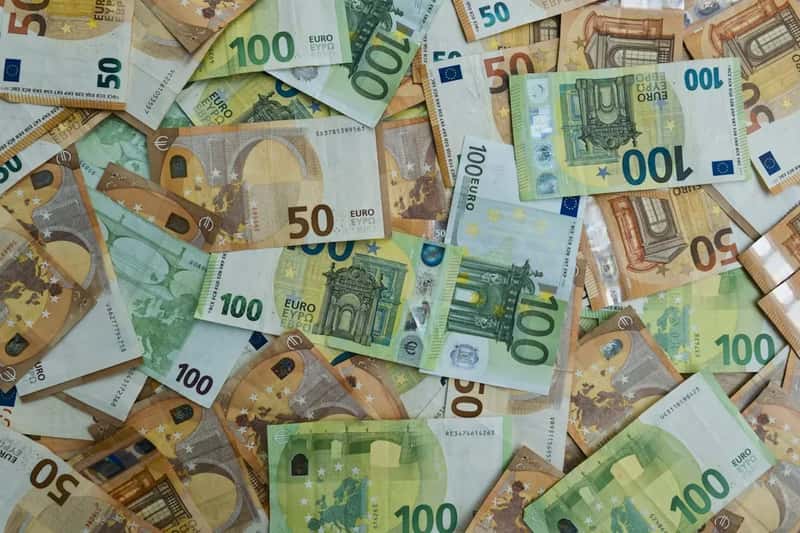
Here’s the thing – the numbers here are genuinely jaw-dropping. British travelers alone are holding on to an estimated £2.3 billion in unspent foreign currency, with the average person returning from holiday with £55 still in their pocket. That isn’t loose change. That’s a systemic issue affecting millions of people.
Research from Accor’s ALL platform, published in November 2024, reveals that Australians are sitting on a potential $1.04 billion AUD in unspent foreign currency, with almost seven in ten international travelers admitting to having leftover holiday money tucked away at home. Think about that for a second. Nearly three quarters of Australian globetrotters came home with unused cash hidden in a drawer somewhere.
Research from the UK indicates that around £2.7 billion of foreign currency remains unspent, averaging out to £78 per traveler. Similarly, Australian travelers are estimated to have around AU$1 billion tied up in unused foreign cash. This is not a niche problem. This is a global financial habit that quietly drains billions from ordinary people’s pockets each and every year.
Why Travelers Overspend in the First Place
Let’s be real about something. There’s a well-documented psychological reason why so many of us end up frantically spending local currency at the airport. Psychologists call this the “endowment illusion” – we value money differently depending on how we received it. Travel money feels separate from regular income, so we’re less motivated to reclaim it. It’s almost like vacation dollars don’t feel like “real” money.
It’s also a case of perceived effort: people assume it’s not worth the time to sort or exchange small amounts, even though collectively, those small sums add up to billions. This mental accounting trick is a quiet financial leak. You wouldn’t casually throw away fifty dollars at home, yet somehow that’s exactly what millions of people do at the end of a trip.
Physically parting with cash triggers a psychological response where we feel the pain of spending significantly more. The absence of physical notes and coins disrupts the mental connection between money spent and the value of that money. When the cash feels foreign and unfamiliar, spending it carelessly feels almost natural. It’s a trap built right into human psychology.
The Airport Exchange Counter Is Not Your Friend
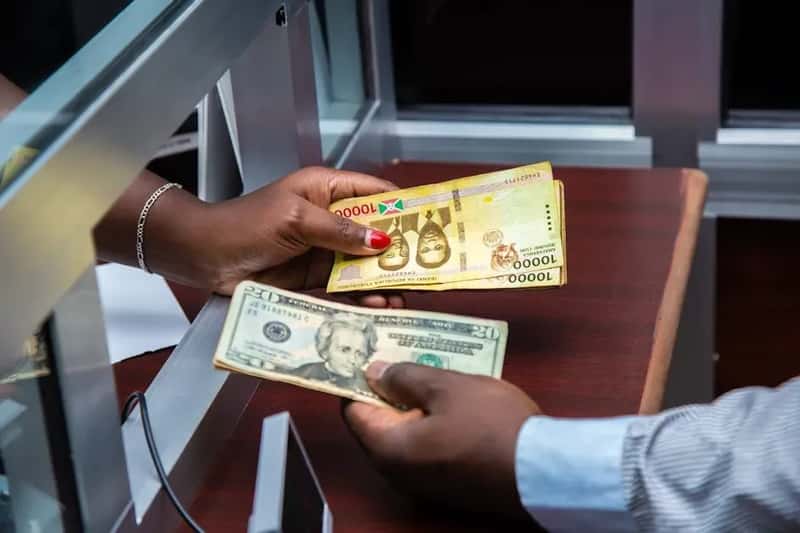
If there is one place on earth where the “leftover currency trap” bites hardest, it’s the airport currency exchange kiosk. Airports usually have higher exchange rate markups, sometimes up to 15%, due to the high operational costs associated with hosting a bureau de change in a prime location like an international airport. That number alone should make you wince.
Airport kiosks and tourist-area exchanges often mark up 8 to 10% or more. This difference may mean getting $920 worth of foreign currency for your $1,000 at a bank versus $820 at an airport kiosk. That’s nearly a hundred dollars vanishing into thin air just because of location. Think of it this way: choosing the airport kiosk is like willingly paying a stranger to hold your cash for a few minutes and then hand it back with a slice missing.
Airport currency exchange kiosks serve a captive market, so there is no real competition. This can lead to poor exchange rates, which drives up the costs of currency exchange, and leaves you with less to spend on your vacation. The same logic applies on the return journey. Converting your leftover Thai baht or Japanese yen back at the airport departure lounge is almost always the worst possible deal you can take.
The Double-Conversion Trap: Paying Fees Twice
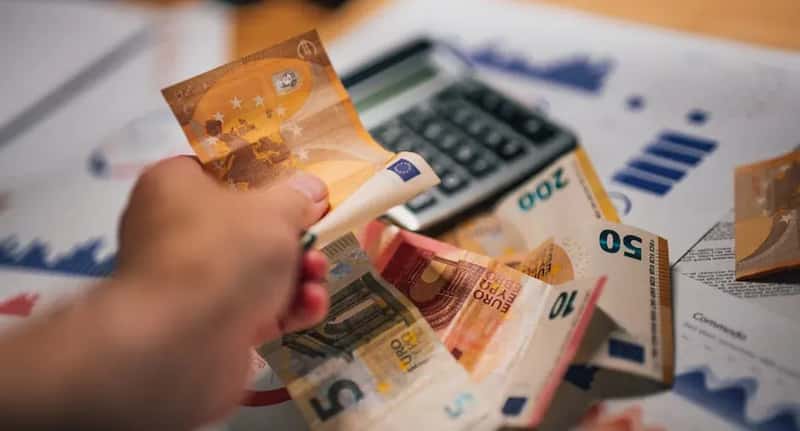
Here’s something most travel guides don’t warn you about loudly enough. When you convert your home currency to a foreign one and then convert the leftover cash back again, you don’t just pay once – you pay twice. The exchange rate for switching foreign currency back to dollars is not usually as good as the rate offered when you were sold the foreign currency in the first place, which means you lose out. If it’s possible, it’s far better to exchange only what you need, so you don’t have to pay currency exchange fees twice.
It’s typically not a good idea to exchange one foreign currency for another foreign currency, as this will often expose you to two conversion charges. Imagine converting your leftover euros into Thai baht for your next trip – that’s potentially a double-hit on fees that most travelers don’t even factor into their budget. The math here gets ugly fast.
Commission fees and service fees are typically a percentage of the transaction’s amount, which can range from 1% to 8%. The fee percentage often varies based on the location and convenience. You can expect to pay a higher commission or service fee at an airport than you would if you exchanged your currency at a local financial service. Put simply: every time money changes hands between currencies, someone takes a cut. Reducing the number of conversions is one of the smartest moves a traveler can make.
Cultural Spending Differences That Shape the Trap
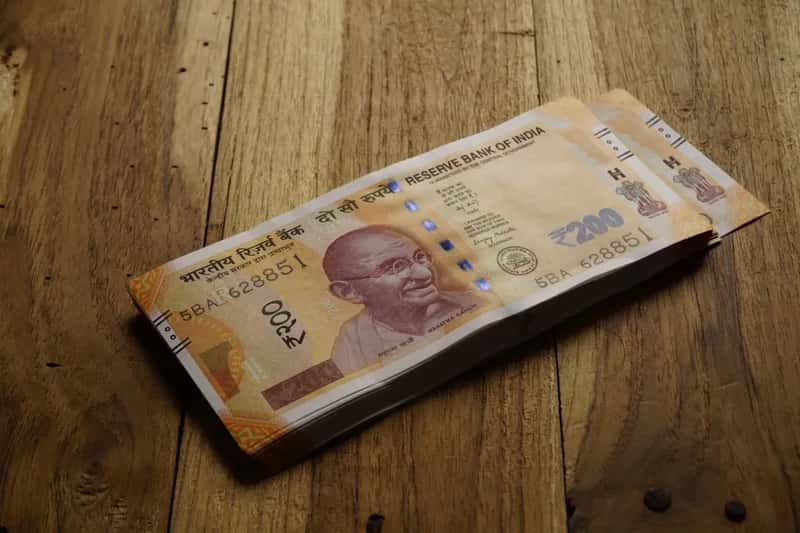
The leftover currency problem doesn’t affect all travelers equally. Culture plays a surprisingly significant role in how this all plays out. In the US and Japan, cash is still widely used; in Scandinavia, cash use has declined so sharply that leftover currency rates are much lower. Yet even in highly digital economies, travelers often take out cash “just in case,” leading to the same pattern of over-withdrawal and underuse.
TD Bank surveyed American travelers who took international vacations in the past year, and 94% of Gen Z and Millennial travelers reported exchanging cash before a foreign trip, with just under 30% stating that the local currency was their preferred payment method. Baby Boomer travelers were less likely to report foreign currency as their preferred payment method, but 75% still converted some cash ahead of time. Nearly everyone is taking out physical cash, regardless of generation.
A surprising 97% of Australians are still opting to carry physical cash in the destination currency when traveling abroad, despite the plethora of cashless travel options. Nearly universal cash usage, combined with the difficulty of spending to the last dollar, is a recipe for the exact problem we’re describing. Different destinations demand different cash approaches, and understanding that in advance is half the battle.
What Happens to That Forgotten Cash at Home?
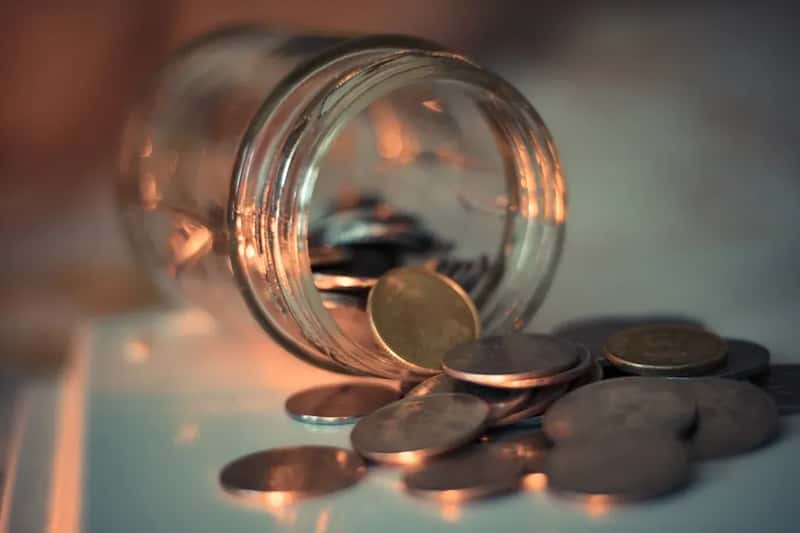
So travelers come home with foreign currency. Fine. Surely they convert it later, right? Not quite. Once back home, the majority of leftover coins and notes sit in drawers or jars indefinitely. Banks and bureaux de change rarely accept coins, and most travelers don’t realise that even obsolete currencies can still hold value through specialist recycling and exchange programmes. That drawer becomes a graveyard for forgotten money.
The national study conducted among Australians who have traveled overseas revealed that 1-in-7 (14%) are holding onto at least $300 AUD in foreign currency since returning from abroad, while a third (34%) have the equivalent of $49 AUD squirreled away. That’s a huge portion of the traveling population sitting on money that isn’t being spent, exchanged, or put to any use at all. It just quietly depreciates as exchange rates shift.
The cumulative scale of forgotten currency reveals an underreported truth about global travel: we lose more in unspent cash than in lost luggage. In economic terms, that’s liquidity trapped outside the system – billions that could stimulate economies, fund aid programmes, or support sustainability efforts. It’s a fascinating and frustrating statistic. Lost luggage gets headlines. Lost billions in forgotten coins? Barely a whisper.
Smarter Strategies to Escape the Leftover Currency Trap
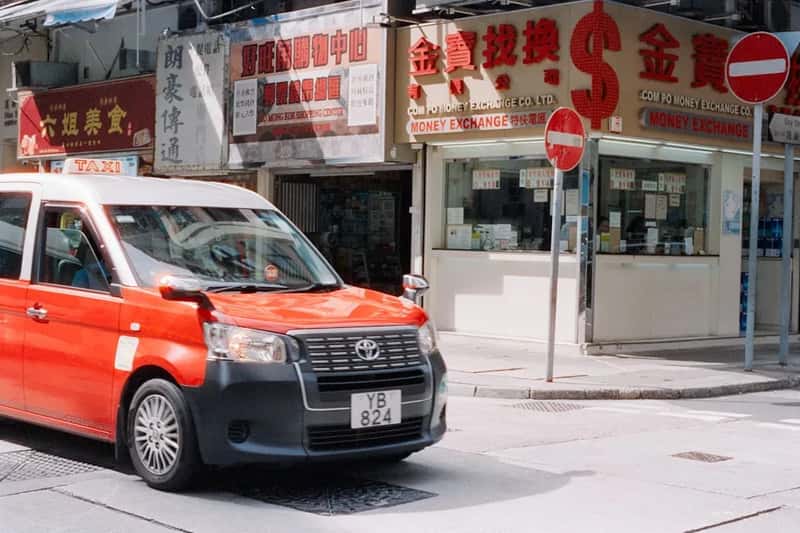
The good news is that this trap is entirely avoidable with some planning. The single best move is to think ahead about how much cash you actually need. If you want to plan ahead and exchange money for physical cash, it’s best to do this before you even arrive at the airport because fees are generally higher there. In the weeks leading up to your travel date, compare exchange rates at your bank and other currency converters. By doing this in advance, you have more flexibility on when to exchange.
Most banks offer currency exchange services that beat airport rates by 5% or more. Working with your bank before departure not only saves money but provides peace of mind. Meanwhile, it’s worth knowing that innovative services are starting to emerge to help travelers avoid the trap entirely. Travelex’s Same Rate Guarantee, for instance, ensures that customers can return any unused foreign currency at the same exchange rate they initially paid, providing peace of mind and financial flexibility. With this initiative, travelers can enjoy their trips without the worry of fluctuating exchange rates.
TD Bank’s survey found that exchange rates were a major factor influencing international travel decisions for 75% of respondents, including 86% of Gen Z respondents. The awareness is growing. Younger travelers in particular are wising up to how much currency decisions actually impact their overall travel budget – and that’s genuinely encouraging. Combining pre-trip research with a clear cash strategy is, honestly, the simplest fix there is.
Conclusion
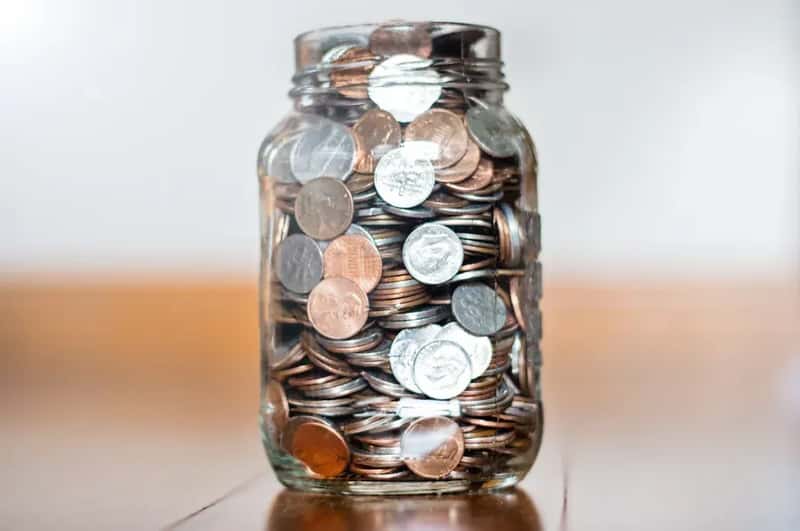
The leftover currency trap is one of those travel mistakes that feels completely harmless in the moment. You spend a few extra coins on a coffee you didn’t want or a souvenir you’ll never look at again. No big deal, right? But zoom out globally, and we’re talking about billions of dollars sitting idle in jars and drawers, flushed through airport exchange kiosks at terrible rates, or simply lost to the system forever.
The smarter approach isn’t dramatic. It’s just about awareness. Know how much cash you genuinely need. Exchange before you travel, not at the airport. Avoid double-conversion wherever possible. And if you come home with leftover currency, don’t let it collect dust – convert it, donate it, or use one of the growing number of services designed to help you reclaim its value.
The next time you’re in those final hours abroad with cash in your pocket, pause before the panic-spending begins. That money is real. It came from real work. It deserves a better fate than an overpriced airport pretzel. What would you have done differently on your last trip?