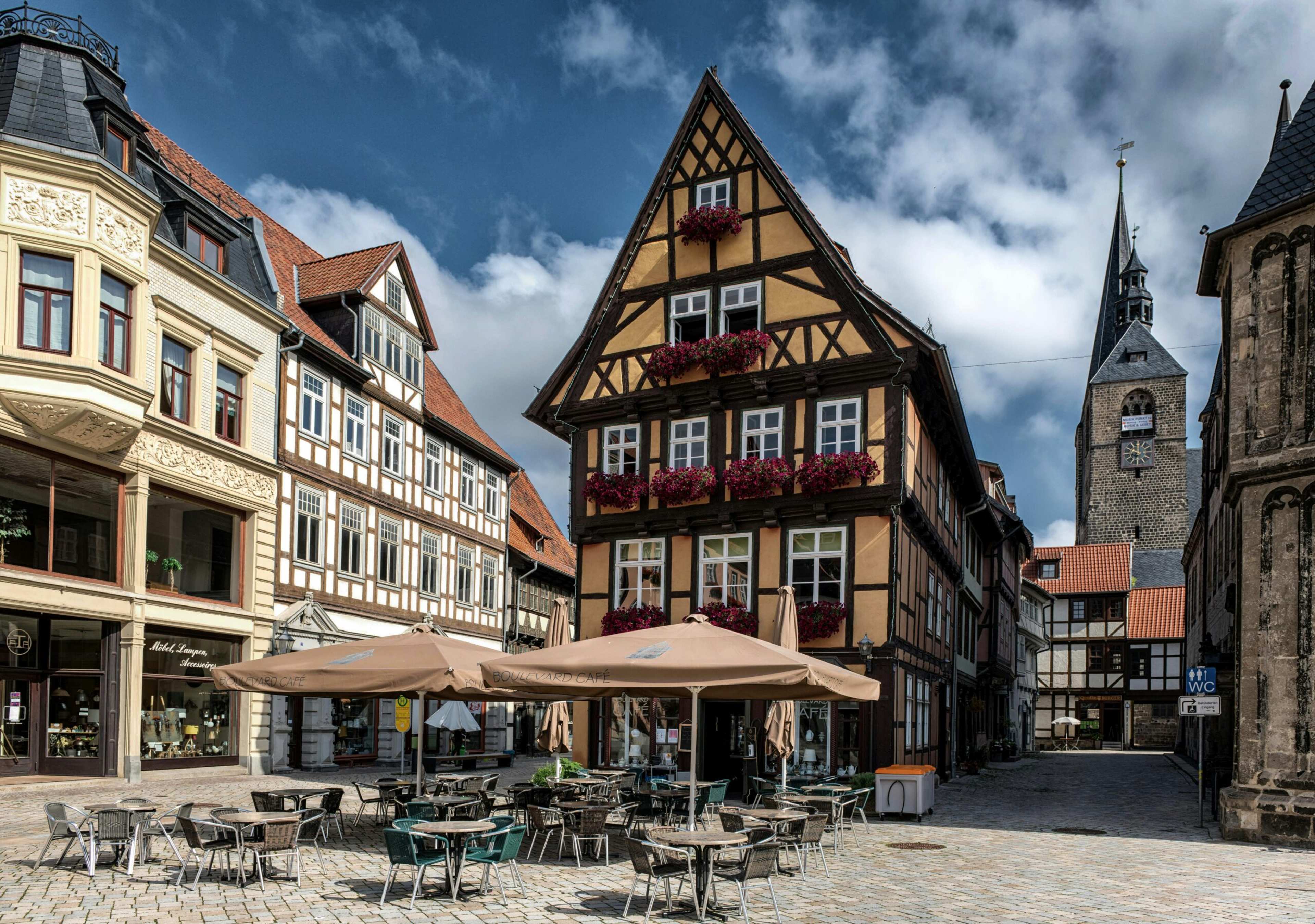

Ask a dozen people to name the most beautiful place on the planet and you’ll hear about tropical lagoons, Alpine peaks and Norwegian fjords. Very few would say a limestone mountain range in northern Spain. Yet in 2026 that is where one of the world’s best known travel magazines put its top spot.
The claim comes with some fine print, and the fine print is where the story gets interesting. Here is what the title refers to, how it was decided, and how quiet the place really is.
The Place Behind the Headline
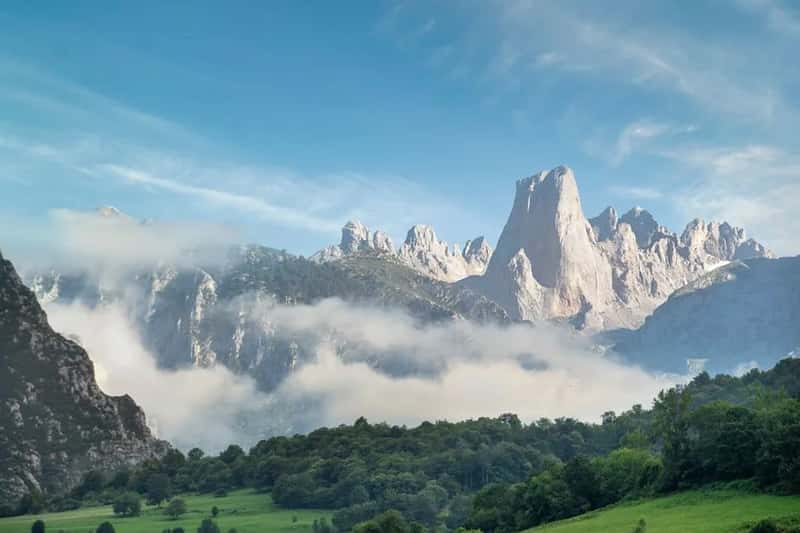
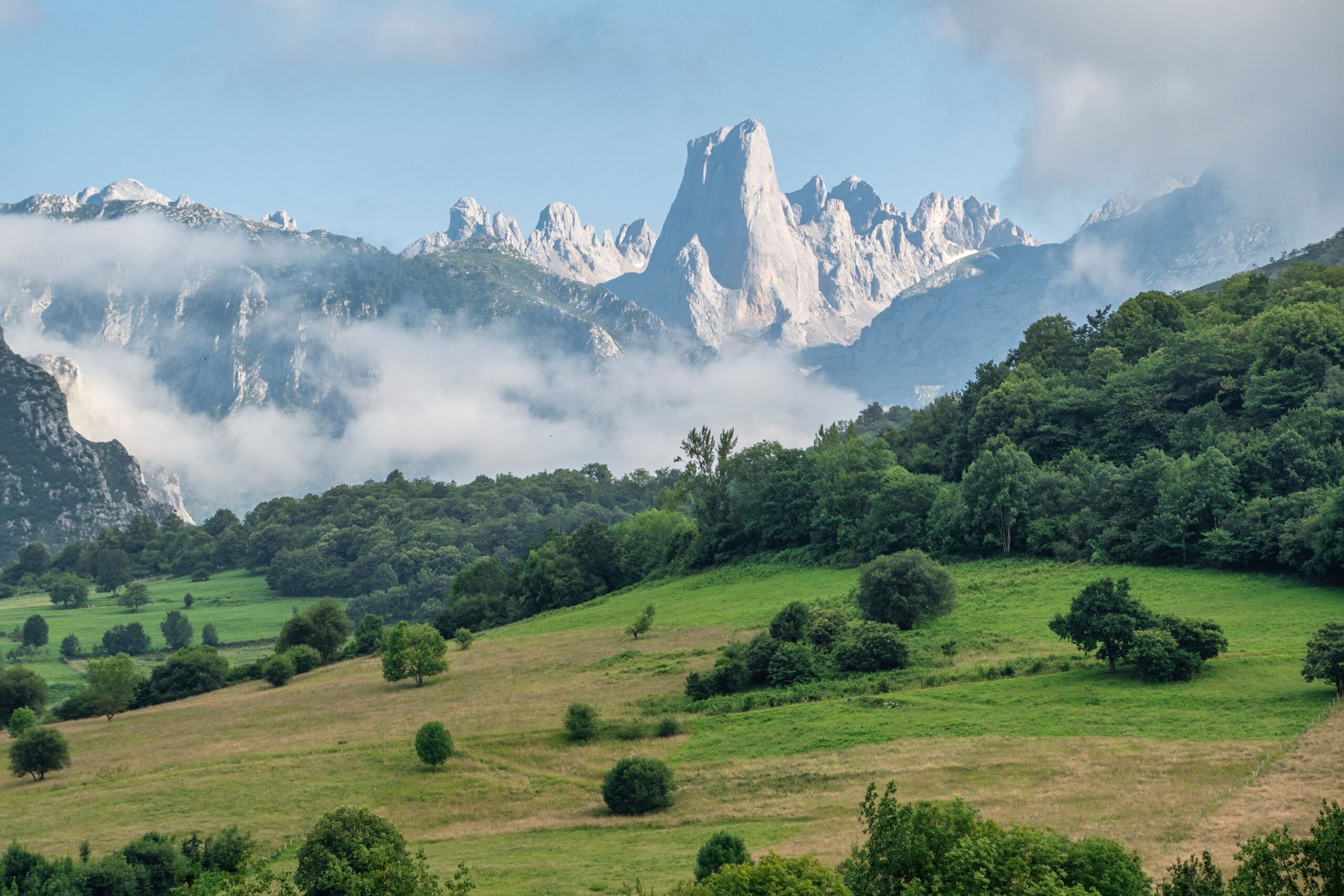
The place is the Picos de Europa, a mountain range in northern Spain. Time Out named this much smaller group of summits the planet’s most beautiful place[1], ahead of far larger and more famous ranges. The name means Peaks of Europe, and the range sits around 20km from the coast as part of the Cantabrian Mountains.[1]
The honour appeared in Time Out’s yearly list for 2026. The Picos de Europa ranked first among 51 of the most spectacular landscapes and destinations on the planet.[2] That makes it less a hidden secret than a surprise winner.
How the Ranking Was Put Together

A list like this is easy to wave away, so the method matters. Every location was selected and described by a travel writer who had been there.[3] That gives the ranking a baseline of credibility, though it isn’t a measurement.
Time Out is upfront about the limits. It calls the ranking entirely subjective and not exhaustive.[4] The list also blends famous landmarks with lesser known places, a deliberate choice to avoid overtourism bias.[2] The Picos placed above Komodo National Park in Indonesia, Portugal’s Douro Valley and California’s Big Sur.[2]
Mountains That Rise Straight From the Sea
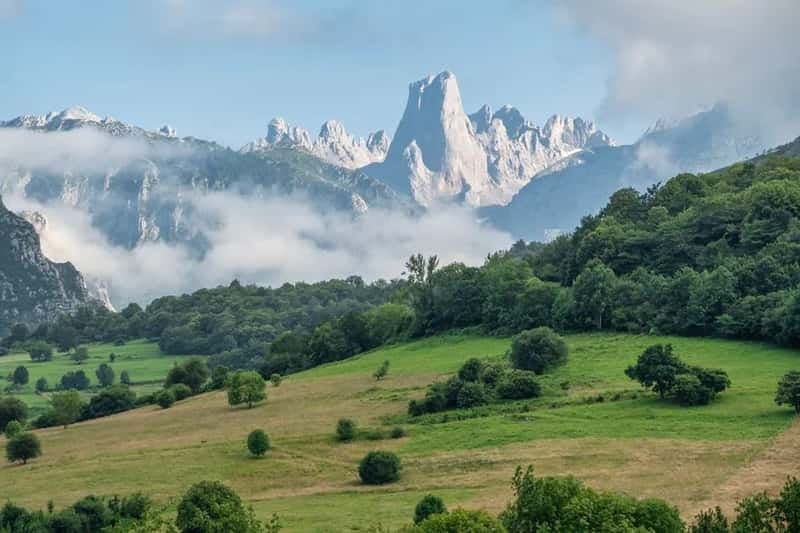
The Picos are not the tallest mountains in Europe, and they don’t try to be. They are one of the most compact mountain ranges in the world, reaching 2,650 metres just 20 kilometres from the coast.[4] That compression is the whole trick.
The writer behind the Time Out entry pointed to how steeply the land climbs out of the water. Views take in plunging gorges and sharp peaks, along with strips of beach and the stormy Cantabrian Sea.[1] The range is divided into three parts, the western Cornión, the central Urrieles and the eastern Andara massifs.[5]
Walking the Cares Gorge
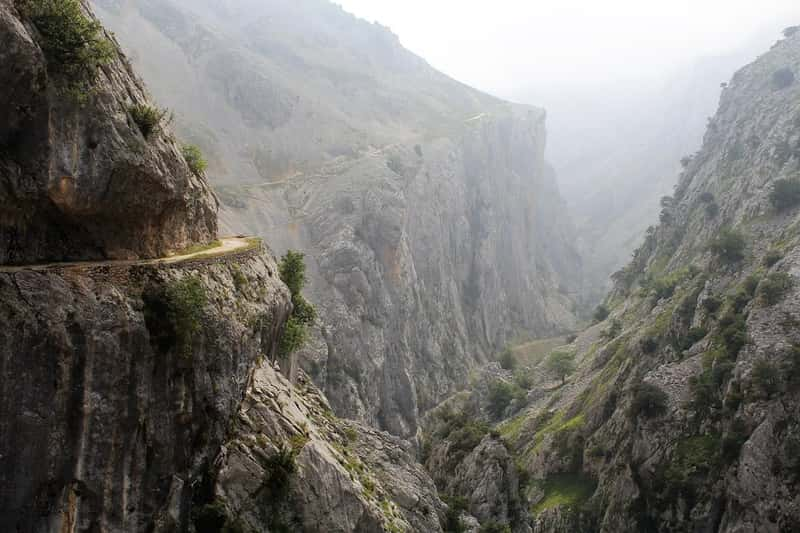
The Ruta del Cares is the park’s best known trail. It’s famous for its views and for a narrow path carved into the cliffs of a deep gorge.[6] It also doesn’t require technical climbing skills.[7]
It is popular, and the numbers show it. The route draws around 300,000 hikers every year, making it the most popular trail in the park.[6] Time Out’s own advice is not to let that popularity put you off.
Glacial Lakes and a Famous Peak
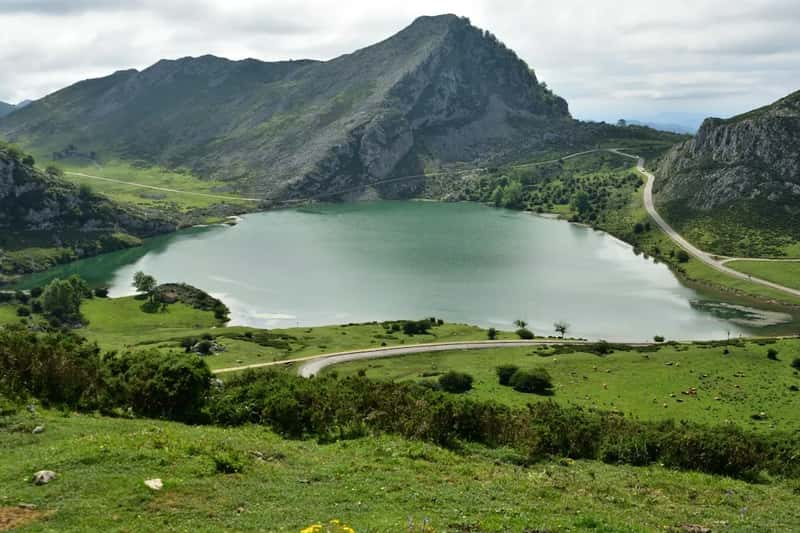
High above the valleys sit the Lakes of Covadonga. These glacial lakes are among the most photographed spots in northern Spain.[8] One academic paper estimated that up to a million people visit them in a year, mostly arriving via the Sella valley.[9]
Climbers have a different focus. The Naranjo de Bulnes is a towering peak known for challenging climbs that draw mountaineers from around the world.[10] It is a reminder that the range works for both a Sunday walker and a serious alpinist.
Villages That Still Live by the Land
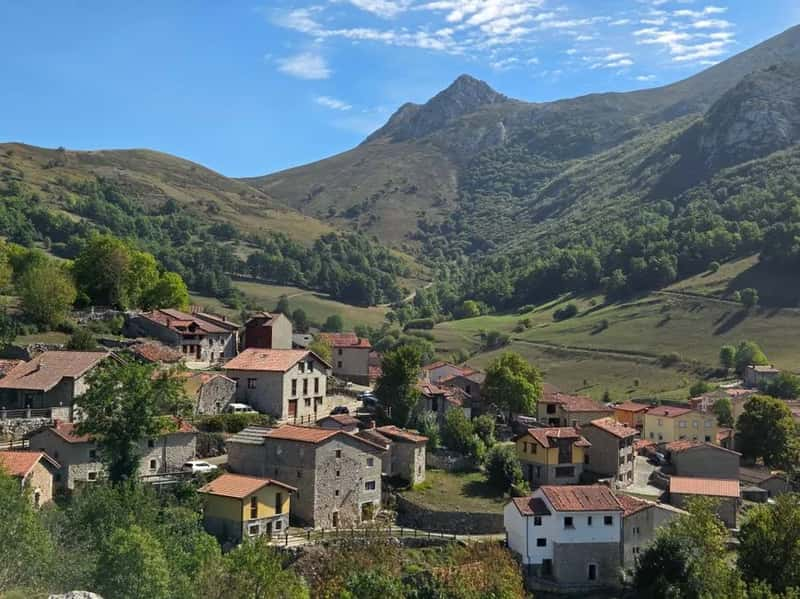
The park isn’t an empty wilderness. Villages such as Potes, Cangas de Onís and Arenas de Cabrales sit inside it and are equipped with restaurants, shops and other facilities.[11] Higher up, ancient mountain villages like Sotres and Caín add to the scenery.[12]
Traditional livelihoods are still visible. Many local people still live from livestock farming and traditional cheese production.[6] One local guide recommends the Valdeón area for quiet. In the Vega de Liordes, a corner of that area, a record low of minus 35.8 degrees Celsius was registered on January 7, 2021.[13]
Bears, Wolves and Chamois
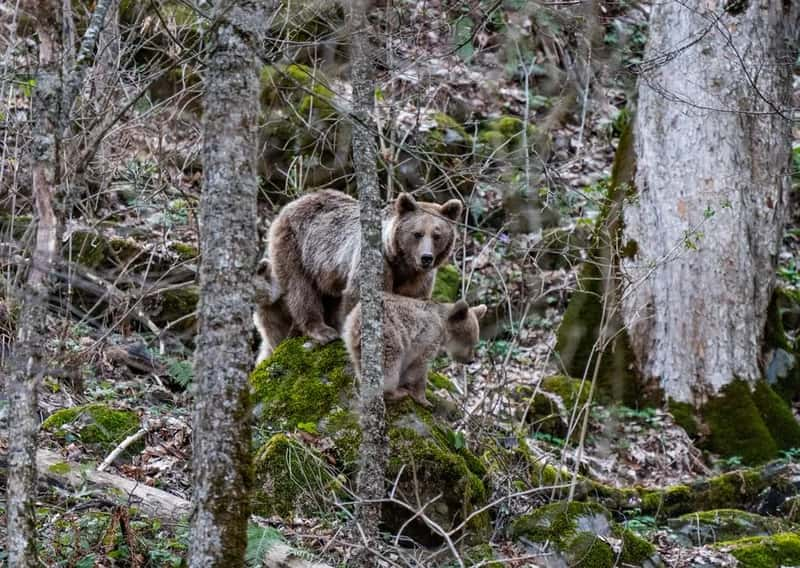
The wildlife is part of the draw, though it takes patience. Wolves and Cantabrian brown bears live in the more remote areas, alongside more commonly spotted chamois, vultures and eagles.[7] You’re far more likely to see a vulture than a bear.
The ecological value has formal recognition. The Cantabrian brown bear here is one of the most isolated brown bear populations in Western Europe.[14] The Picos de Europa was added to UNESCO’s Biosphere Reserve list in 2003.[14]
What Almost No Tourists Really Means
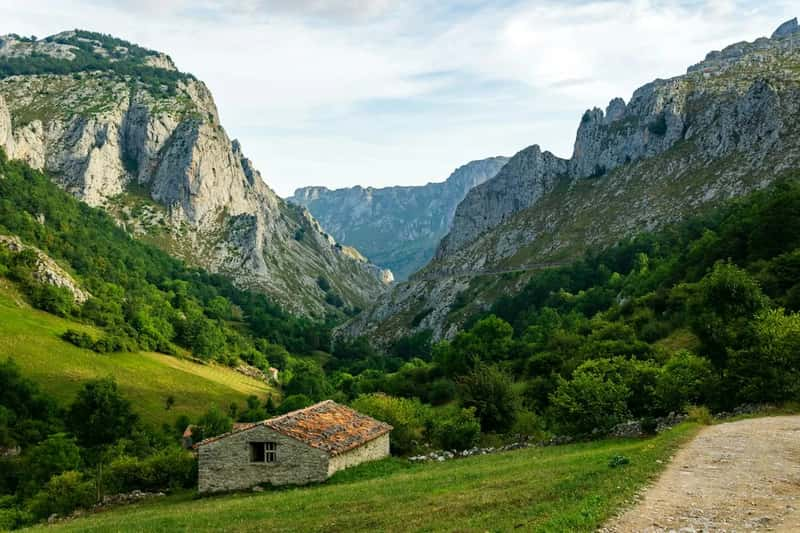
The title needs a careful reading here. According to Spain’s environment ministry data, the park draws around 1.8 million visitors per year.[15] That makes it the second most visited national park in Spain, after Teide on Tenerife.[2]
So the Picos are not empty. They are quiet by comparison with the world’s icons, and little known among international travellers. Visitors who aren’t specifically planning a hiking holiday often overlook it.[6] Coverage after the award describes it as still relatively untouched by mass tourism, at least for now.[16]
How a Visit Works
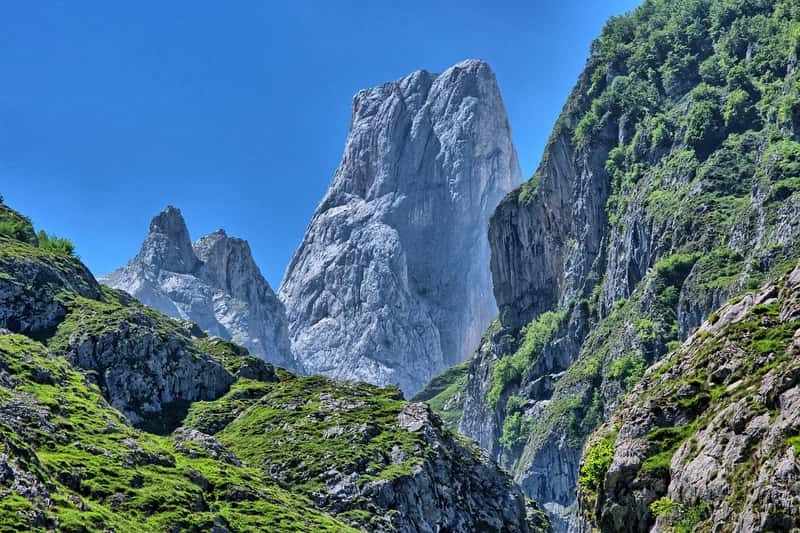
The park is organised differently from most. It isn’t an enclosed national park with an entrance fee and closing hours.[11] It spans Asturias, Cantabria and Castilla y León, so there’s no single entrance.[16]
Most people move through it by car. Visitors usually explore it as a road trip, dipping in and out through villages, viewpoints and hiking routes.[16] The area was declared Spain’s first national park in 1918[5], and it was expanded in 1995 to its current 64,315 hectares.[14]
Where the Picos Stand Today
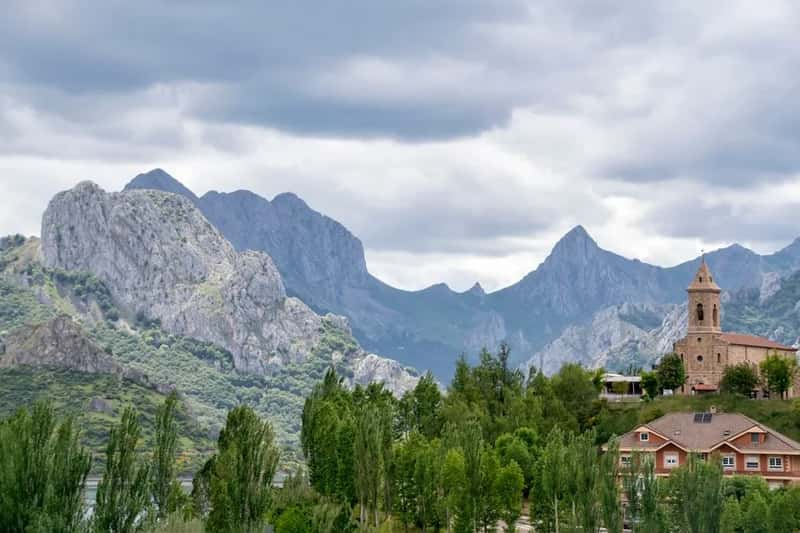
Since the award, the tone of the coverage has been consistent. Despite its growing recognition, the Picos still offer a sense of quiet.[17] One travel trade outlet expects the recognition to bring more visitors in the coming years.[10]
For now, the facts are these. A compact range of limestone peaks beside the Cantabrian coast topped Time Out’s 2026 list of 51 places. It remains a protected park that welcomes around 1.8 million visitors a year.