When you think of breathtaking landscapes that stop you in your tracks, North America’s national parks deliver on an extraordinary scale. Recent data from multiple studies and expert rankings reveal which destinations consistently earn top marks for scenic beauty, visitor satisfaction, and natural splendor. These findings paint a fascinating picture of where Mother Nature truly outdid herself, from the towering peaks of the Canadian Rockies to the dramatic coastlines that define our continent’s edges.
What makes a national park genuinely scenic goes beyond simple beauty though. I think it’s about those moments when you round a corner on a hiking trail and your breath catches, or when morning light hits a mountain peak in a way that makes you understand why people travel thousands of miles just to witness it. Let’s explore the destinations that researchers, visitors, and photography experts consistently rank as the most visually stunning across North America.
Great Smoky Mountains: America’s Crown Jewel of Accessibility and Beauty
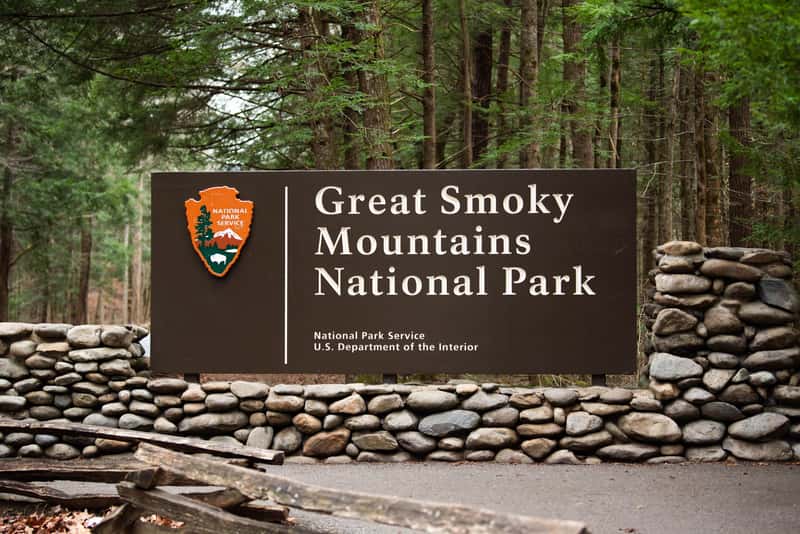
Great Smoky Mountains National Park consistently ranks as the most visited with over 12 million annual visitors, making it not just the most visited but also one of the most beloved scenic destinations in North America. This remarkable popularity stems from its convenient location along the Tennessee-North Carolina border, no entrance fee, and diverse attractions including ancient mountains, rich biodiversity, and 800 miles of hiking trails. The park’s signature misty peaks create an almost mystical atmosphere, especially during sunrise when fog rolls through the valleys like nature’s own special effects show.
Travelers can explore its misty peaks and waterfall-filled valleys via a mountain-skimming scenic highway or by taking 800-plus miles of hiking trails stretching across North Carolina and Tennessee. What truly sets this park apart is how it manages to accommodate millions while still offering moments of genuine wilderness solitude. The park’s spectacular wildflower displays and famous synchronous fireflies create year-round appeal for visitors.
Olympic National Park: Washington’s Diverse Natural Wonderland

Olympic National Park deserves recognition as one of America’s most diverse national parks, described as “like four parks in one” with lowland forests, striking mountain ranges, pristine alpine lakes, sparkling rivers, temperate rain forests, and over 50 miles of wild coastline. Recent expert rankings consistently place Olympic at or near the top for scenic diversity and natural beauty. The park covers nearly a million acres of beautiful scenery and several different ecosystems.
Olympic National Park’s proximity to Seattle makes it accessible, while crowds remain far from overwhelming compared to other popular destinations. The contrast between ancient temperate rainforests and rugged Pacific coastline creates visual experiences you simply cannot find elsewhere in North America. Standing beneath towering trees draped in moss while listening to Pacific waves crash nearby feels like stepping into a living fairy tale.
Glacier National Park: Montana’s Alpine Masterpiece
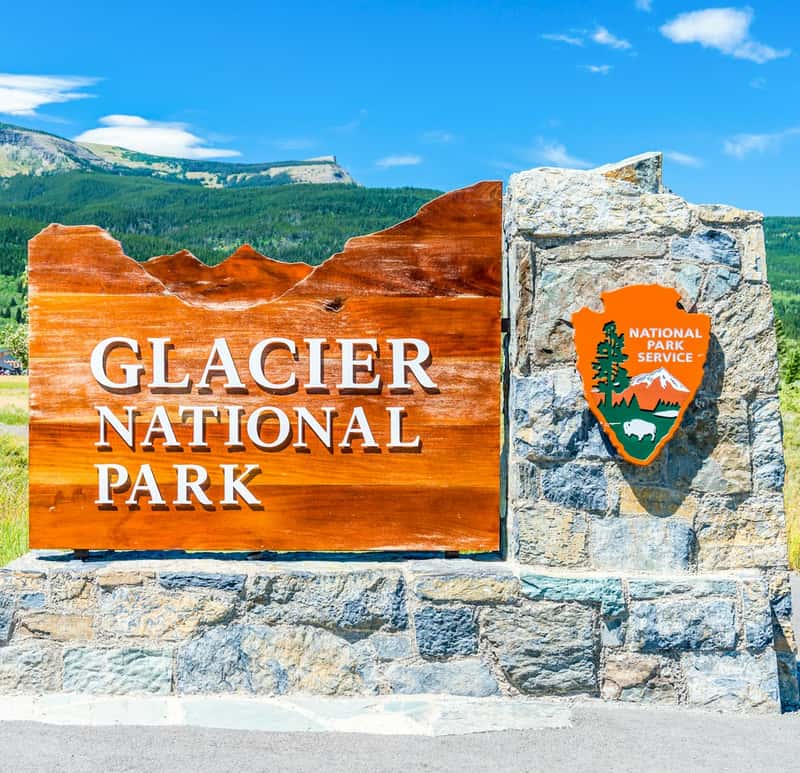
Glacier National Park spans three mountain ranges and includes more than 700 lakes across northwest Montana, consistently rated as one of the world’s best places to visit. Set in the majestic Rockies of northern Montana, the park takes its name from glacial forces that shaped its rugged topography over two million years, attracting over 3 million visitors annually. The park features must-see attractions including the scenic Going-to-the-Sun Road and Waterton-Glacier International Peace Park, a UNESCO World Heritage Site on the Canadian border.
The dramatic alpine scenery here rivals anything you’ll find in the Swiss Alps, honestly. Recent photography contests have highlighted Glacier’s breathtaking views where towering mountain peaks rise above alpine waters, with winning images featured on national park passes. The park’s network of hiking trails leads to viewpoints that showcase pristine wilderness largely unchanged since the last ice age.
Yosemite National Park: California’s Granite Cathedral
California’s most-visited national park stands out for its bounty of impressive waterfalls, such as Vernal Fall and Bridalveil Fall, as well as imposing granite rock formations like Half Dome and El Capitan, with the Tunnel View overlook offering showstopping panoramas of Yosemite Valley. This temple of granite cliffs and towering waterfalls sees over 4 million visitors annually, with most spending time in Yosemite Valley, a mile-wide, seven-mile-long canyon cut by a river and widened by glacial action.
The sheer scale of Yosemite’s granite monoliths creates a sense of awe that photographs struggle to capture. As John Muir wrote, “No temple made with human hands can compete with Yosemite”, and that sentiment rings as true today as it did when the park was established in 1890. The interplay of light and shadow on these massive rock faces changes throughout the day, offering photographers and visitors endless opportunities to witness natural drama unfold.
Banff and Jasper: Canada’s Rocky Mountain Scenic Icons

The Canadian Rocky Mountain Parks, comprised of Banff, Jasper, Kootenay and Yoho national parks plus Mount Robson, Mount Assiniboine and Hamber provincial parks, are renowned for their scenic splendor and exemplify the outstanding physical features of the Rocky Mountain region. These contiguous parks are studded with mountain peaks, glaciers, lakes, waterfalls, canyons and limestone caves, forming a striking mountain landscape that includes the famous Burgess Shale fossil site. Jasper, the largest park in the Canadian Rockies, welcomes over two million visitors annually to experience its laid-back mountain charms and pristine alpine lakes.
The wealth of ways to experience Jasper’s beauty includes the famous Icefields Parkway, a 140-mile road that cruises alongside soaring mountains, sky-blue lakes, and glacier fields, rolling through both Jasper and Banff National Parks. The turquoise waters of these mountain lakes create some of the most photographed scenes in all of North America. Lake Louise stands as one of the most iconic locations in the Canadian Rockies, a glacial lake showcasing vibrant turquoise waters cradled by majestic mountain peaks.
Grand Canyon and Zion: The Southwest’s Geological Marvels
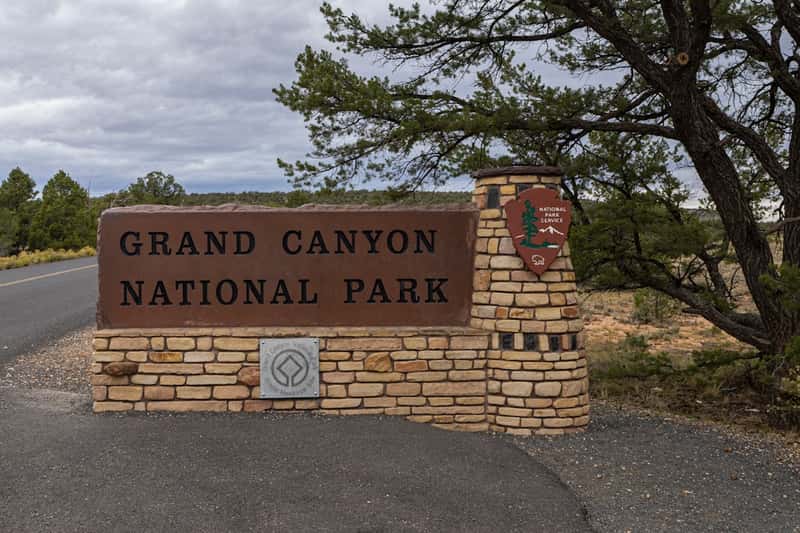
The Grand Canyon’s vast beauty simply cannot be captured in photographs – you must see it in person, as this 18-by-278-mile UNESCO World Heritage Site offers endless hiking opportunities with trails of various lengths and difficulty levels. Zion National Park in Utah and Grand Canyon National Park in Arizona continue their tight competition, with both parks attracting millions of visitors annually. These neighboring southwestern parks showcase completely different but equally stunning approaches to desert landscape beauty.
The contrast between Zion’s towering red sandstone cliffs and the Grand Canyon’s layered geological history creates two distinctly different but equally mesmerizing experiences. Standing at the rim of the Grand Canyon during sunset, watching shadows move across ancient rock layers, provides perspective on geological time that few places on Earth can match. Meanwhile, Zion’s narrow slot canyons and hanging gardens offer intimate encounters with desert beauty that feel almost sacred in their quiet majesty.
The research consistently shows that scenic beauty in national parks comes from more than just pretty views. A park’s popularity depends on many factors, including ease of access, perceived natural beauty, social popularity and recreational opportunities. The economic impact of these scenic destinations extends far beyond conservation, generating billions in economic activity annually and demonstrating how environmental protection and economic prosperity work together. What do you think about these rankings? Have you experienced any of these scenic wonders firsthand? Tell us in the comments which North American park left you most breathless.