Think you know Europe? You’ve ticked off Paris, Rome, Barcelona, and maybe even Amsterdam. That’s fantastic, truly. Those cities are incredible for good reason.
Yet the real magic happens when you leave the tourist trail behind and venture into places most American travelers never think to explore. Hidden between dramatic mountain peaks, nestled beside turquoise lakes, or perched on cliffs overlooking valleys that time forgot, Europe’s secret villages wait patiently. These aren’t overcrowded destinations with selfie sticks at every corner. They’re authentic, unspoiled places where locals still greet you warmly, and life moves at a different pace entirely. Ready to discover something extraordinary?
Castelmezzano, Italy – Perched on the Edge of Heaven

Dramatically positioned on the Dolomiti Lucane, Castelmezzano appears almost frozen in time, offering epic hikes, lush forests, and direct access to a national park. Honestly, when I first learned about this place, I couldn’t believe so few Americans had heard of it.
The village clings to a mountainside in Basilicata, far from Italy’s usual tourist routes. Thrill-seekers can experience the “Angel’s Flight,” a high-speed zip line connecting Castelmezzano to its twin village, Pietrapertosa. Imagine soaring between ancient mountain settlements while views of jagged peaks spread out below.
As the sun sets, the village’s twinkling lights create a magical atmosphere, earning it the nickname “Little Lucanian Switzerland.” The ochre rooftops glowing against darkening skies create a scene you won’t forget.
Nesso, Italy – Lake Como’s Forgotten Corner

Lake Como draws crowds to Bellagio and Varenna, yet most visitors completely miss Nesso. This tiny lakeside village remains beautifully overlooked despite its stunning waterfall that cascades directly into the lake.
The ancient Roman bridge, Ponte della Civera, offers picturesque views, while local restaurants serve lake fish specialties such as missoltini and risotto with perch. Narrow medieval streets wind down to the water’s edge, where you can watch boats drift past without battling tourist hordes.
The atmosphere here feels intensely personal. You’ll encounter locals going about their daily routines, not performers catering to visitors. That authenticity is becoming increasingly rare around Lake Como.
Montefalco, Italy – The Balcony of Umbria

The Italian region of Umbria has been called “the next big thing” in Italy for over two decades, but it remains refreshingly laid-back and low-key. Let’s be real, that’s precisely what makes it special.
The panoramic views from the little hill town of Montefalco have earned it the nickname “the balcony of Umbria,” and staying there offers the experience of living in a tiny Italian village with winding medieval alleys and courtyards. It’s also the center of Perugia’s winemaking region, so wine enthusiasts will find themselves in heaven.
Walking these ancient streets at sunset, when golden light bathes the stone buildings, feels like stepping into a Renaissance painting. The pace here is wonderfully unhurried.
Perast, Montenegro – The Bay of Kotor’s Quiet Gem
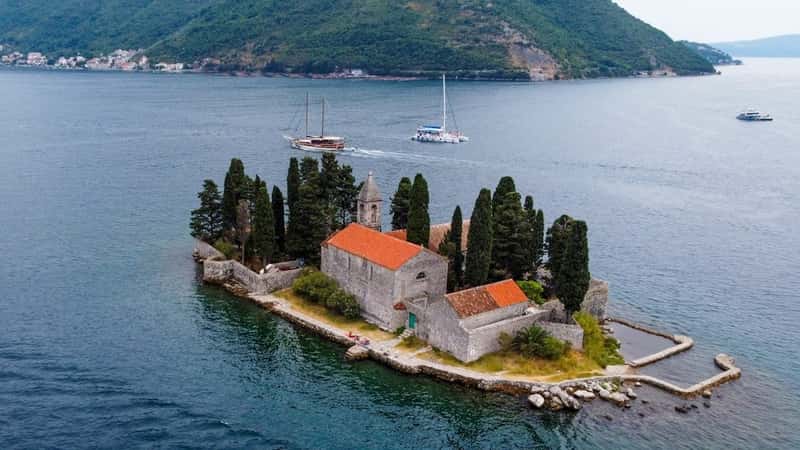
Perast feels like a Mediterranean postcard that somehow stayed off the radar, just 12 kilometers from Kotor, packed with Baroque churches, old palaces, and calm waterfront paths with barely any crowds. The village has only one main street, making exploration wonderfully simple on foot.
The highlight is a short boat ride to Our Lady of the Rocks, a manmade island with a small museum and legendary chapel, while back on land, climbing the bell tower of St. Nikola reveals panoramic views of the bay and nearby mountains.
Perast and Montenegro’s Bay of Kotor rank among the best hidden gems in Europe. Fresh seafood served right along the water completes the experience perfectly.
Triglav National Park, Slovenia – Alpine Perfection Without the Crowds

Triglav National Park is Slovenia’s only national park and incredibly underrated, tucked into the Julian Alps, covering alpine peaks, glacier-fed lakes, and quiet forest trails with less tourist traffic than Lake Bled but just as breathtaking.
Lake Bohinj serves as a great base for short walks or water activities, while the Soča River, known for its emerald color, winds through the park and attracts hikers, kayakers, and photographers. The water really is that vivid shade of turquoise that looks almost unreal in photographs.
If you’re up for a serious challenge, climbing to Mount Triglav’s summit represents a Slovenian rite of passage, as Triglav is the highest mountain in Slovenia and the highest peak of the Julian Alps. The trails are well-marked but never packed, and villages in the area still feel genuinely authentic.
Corvo Island, Azores – Europe’s Tiniest Escape
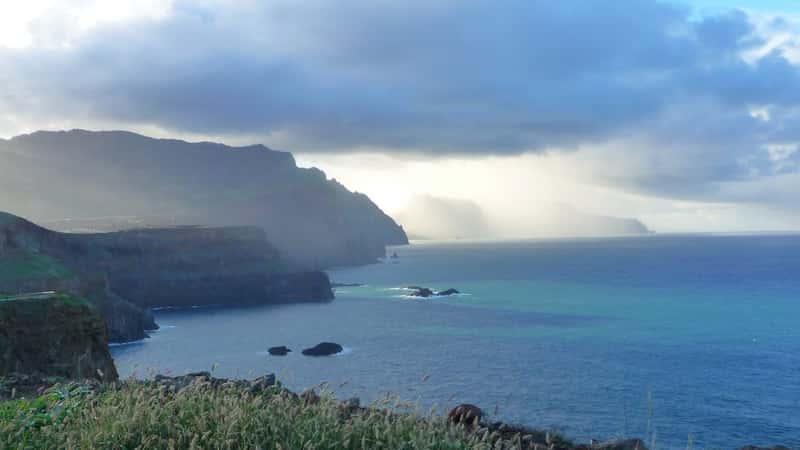
The smallest of the Azores islands, Corvo boasts the stunning Caldeirão, a large volcanic crater with lakes and islets, while the island’s only village, Vila do Corvo, offers a glimpse into traditional Azorean life. It’s hard to find anywhere more remote and peaceful within European territory.
Getting here requires effort, which keeps visitor numbers low. The landscapes are raw and dramatic, with volcanic formations creating an otherworldly atmosphere. This year, Corvo represents one of the most amazing hidden gems in Europe.
Walking around this tiny island community, where everyone knows everyone, provides perspective on just how vast and varied Europe really is. You’ll find traditional biscuits and fish soup that taste nothing like tourist-trap food.
Vik, Iceland – Black Sand and Sea Stacks
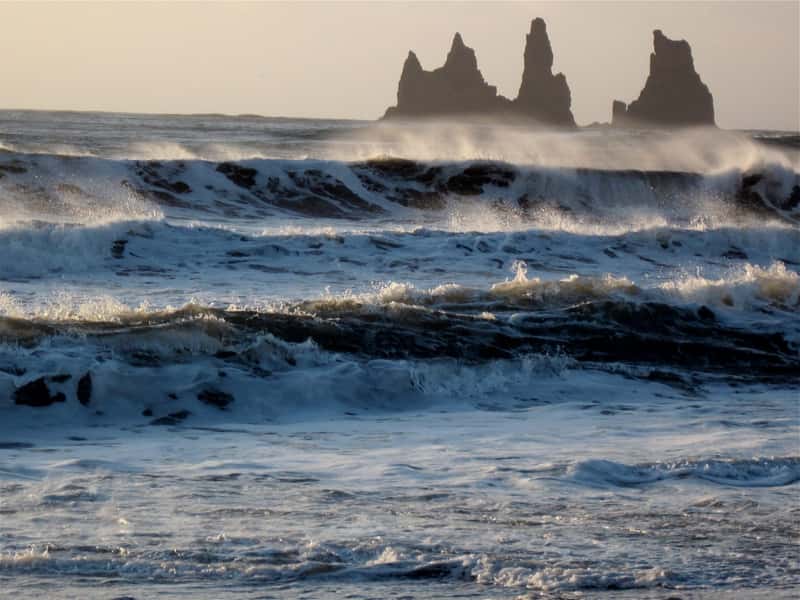
Vik is a small village on Iceland’s south coast, known for its black sand beaches, particularly Reynisfjara, and the Reynisdrangar sea stacks, while visitors can explore the Vik i Myrdal Church perched on a hill and the nearby Dyrhólaey promontory for panoramic views.
The dramatic landscape here feels almost alien. Volcanic black sand contrasts sharply with white foam from crashing waves, and the towering sea stacks jutting from the ocean create silhouettes against Iceland’s ever-changing skies.
Many Americans rush through Iceland, hitting only Reykjavik and the Golden Circle. Yet Vik deserves more than a quick photo stop. Stay overnight and experience the village when day-trippers leave. The solitude is profound.
Albarracín, Spain – Pink Medieval Perfection
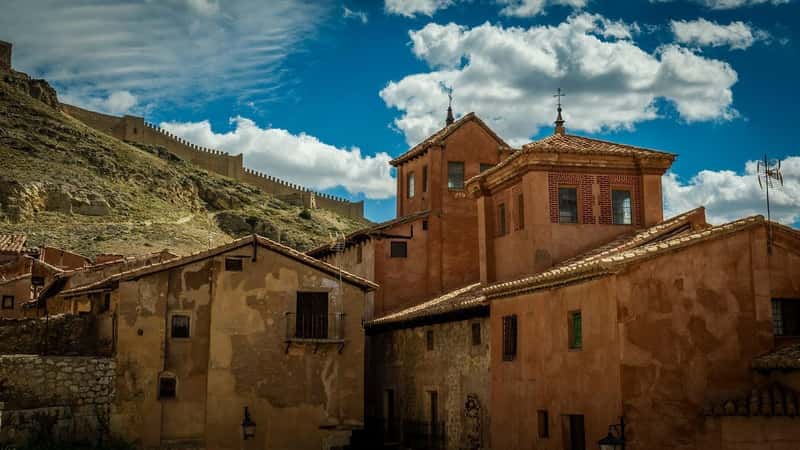
Often cited as one of Spain’s most beautiful villages, Albarracín features narrow, winding streets, pink-hued buildings, and ancient city walls, with highlights including the Cathedral of El Salvador and the Alcázar fortress. The distinctive pink stone gives the entire village an ethereal quality, especially at dawn.
This Aragonese gem remains surprisingly unknown to American travelers who typically stick to Barcelona, Madrid, and maybe Seville. That’s their loss, honestly.
Wandering through Albarracín’s medieval labyrinth, you’ll encounter virtually no English-language signs or tourist menus. The authenticity is refreshing, though a basic Spanish phrasebook helps immensely.
Gimmelwald, Switzerland – Car-Free Alpine Bliss
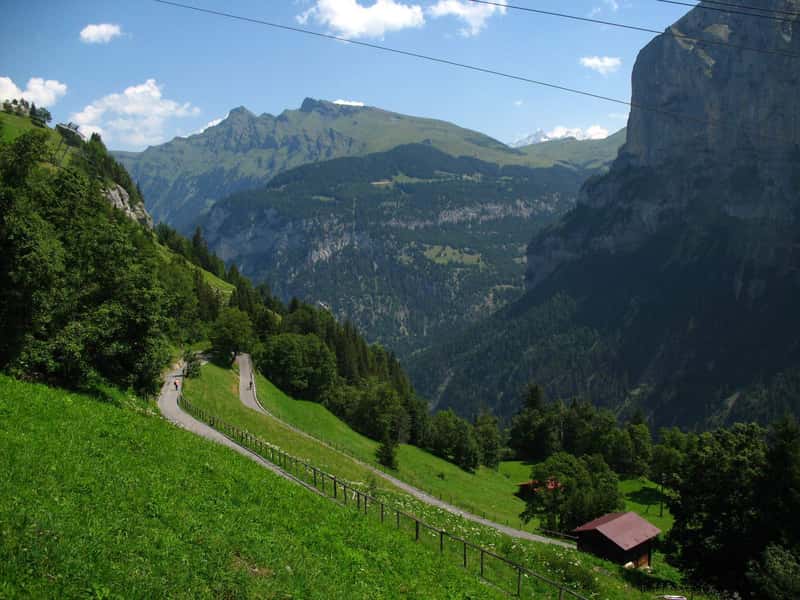
Gimmelwald represents a hidden corner of Swiss Alpine heaven above the Lauterbrunnen Valley and below the mighty Jungfrau peak, offering bucolic bliss as a car-free village accessible only via cable car or on foot.
It’s a cluster of picturesque wooden chalets, decked with flowerpots in the warmer months, where the only sounds you’re likely to hear are the occasional jingle of a cow bell or the quiet whoosh of the cable car passing overhead. The silence here is almost startling if you’re coming from busier Swiss destinations.
Spending a night here changes everything. The honesty shops with just a fridge and a cash box demonstrate the trust that still exists in small communities. You can savor the peace and those incredible views without rushing.
Reine, Norway – The Fishing Village at the End of the World

Reine is a tiny fishing village in Norway that may be the most jaw-droppingly beautiful town in the entire world, found on the island of Moskenesoya, north of the Arctic Circle in the Lofoten archipelago, home to only a little more than 300 residents.
This extraordinary, very off-the-beaten-path destination features gorgeous sapphire bays at the edge of soaring mountains and towering fjords, with opportunities to stay in red rorbuers, or traditional fishermen’s cabins transformed into cozy cottages with awe-inspiring views of the sea and the incredible night sky vistas, including the northern lights.
Visiting Reine requires commitment, but isn’t that what makes it special? The landscape is so dramatic that it almost hurts to look at it. Mountains rise straight from the sea, and the light quality, especially during winter’s blue hour, is unlike anywhere else on Earth.
Conclusion: The Europe You Haven’t Seen Yet
These villages represent something increasingly precious in our connected world. They’re places where life continues at a human pace, where travelers remain guests rather than consumers, and where beauty hasn’t been commodified into Instagram moments.
Visiting them requires a bit more planning than booking a flight to Paris. You might need to rent a car, learn a few phrases in the local language, or accept that not every amenity will be at your fingertips. That’s precisely the point.
The reward is experiencing Europe as it still exists beyond the crowds, beyond the tourist traps, beyond the well-worn path. You’ll return home with stories nobody else has, photographs of places your friends haven’t seen, and memories that feel genuinely yours.
Which of these hidden villages caught your attention? Have you stumbled upon any secret European spots that deserve to stay off the radar? Share your thoughts below.