Walkability is no longer just a nice-to-have feature – it has become one of the top deciding factors for Americans choosing where to live. According to a 2025 Quantumrun survey, roughly four out of five Millennials and Gen Z Americans now consider walkability a top factor when choosing a neighborhood. While megacities like New York and San Francisco dominate the national conversation, it’s America’s smaller cities that often deliver the most intimate, day-to-day walking experience. These compact places combine dense downtowns, historic streetscapes, and genuine community character in ways that sprawling metros simply can’t replicate. Here, ranked by real data, are five of the most walkable small cities in the country.
1. Burlington, Vermont – The Pedestrian-First Pioneer
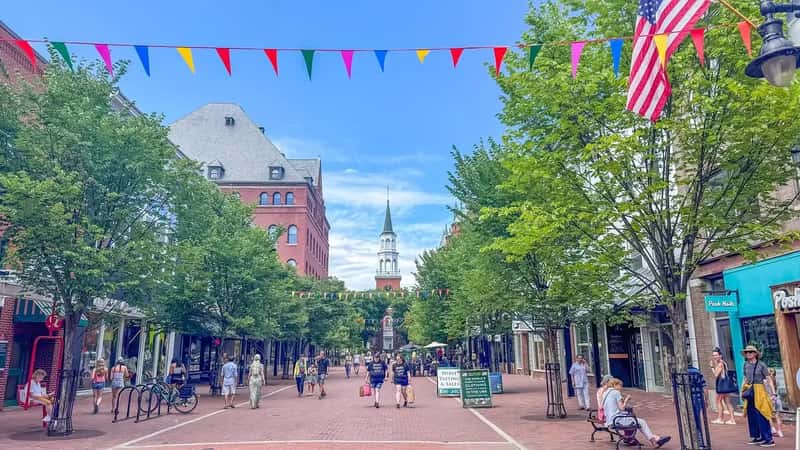
Burlington stands out among the most walkable small cities in the US with its pedestrian-only Church Street Marketplace and dense, mixed-use downtown. The city’s compact size allows residents to access most destinations on foot, while its waterfront provides scenic car-free pathways connecting multiple neighborhoods. The Church Street Marketplace alone draws both locals and visitors every single day of the year, functioning less like a shopping strip and more like a genuine public living room. Burlington is known for its lively four-block pedestrian zone that is the hub of activity with shops, street vendors, and performers. The city offers a picturesque setting on the shores of Lake Champlain with extensive trails and parks, and as a college town home to the University of Vermont, it carries a young, energetic vibe focused on sustainability.
In USA TODAY’s 2025 budget awards, Burlington ranked third in the most walkable city category, meaning visitors of the city can easily explore different attractions, enjoy local culture, stay healthy, and save money. The Church Street Marketplace serves as a hub for visitors and residents with its four blocks of retail stores and restaurants, and between Burlington’s downtown area, the waterfront, the South End, the Hill Section, and various parks and trails, the city has plenty of areas perfect for walking. For a city of its modest size, Burlington punches remarkably high in every meaningful pedestrian metric available.
2. Savannah, Georgia – A City Literally Designed for Walking
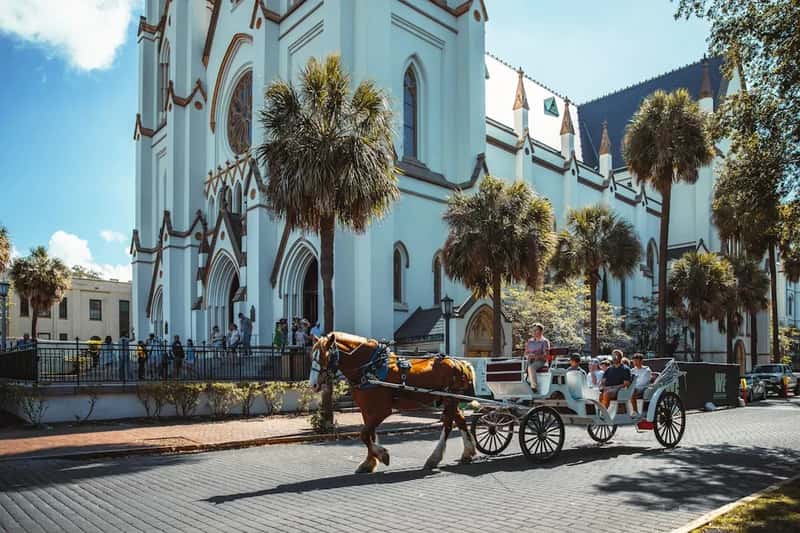
Savannah’s distinctive plan with 22 historic squares makes it one of the most walkable small cities in the US. The city’s grid is interrupted by these public spaces, creating a rhythm of green oases that enhance the pedestrian experience. Savannah’s compact historic district ensures most destinations are within a comfortable walking distance. The squares aren’t decorative afterthoughts – they are the engine of the city’s walkability, giving pedestrians constant reason to pause, linger, and connect. Few small cities in America have been so deliberately and successfully designed around the human pace.
Savannah is famous for its large historic district with beautiful public squares, colonial homes, and tree-lined streets. The city’s design encourages walking, allowing visitors and residents to soak in its Southern charm and architecture slowly. What makes Savannah particularly impressive is that the walkability isn’t concentrated in one showcase corridor – it radiates outward from the historic core through connected neighborhoods that feel genuinely lived-in. These pedestrian-friendly cities and towns aren’t limited to major metro areas, and some of the most walkable places in the country are also smaller, quieter, and – believe it or not – affordable.
3. Ann Arbor, Michigan – Campus Walkability Done Right
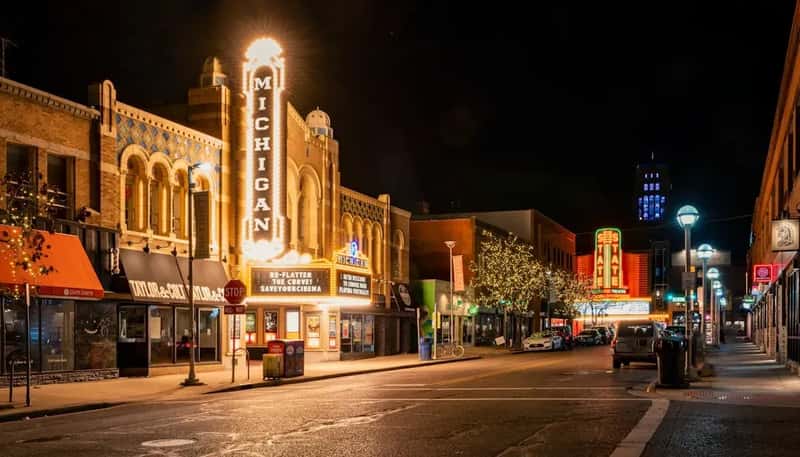
Ann Arbor ranks high among the most walkable small cities in the US, with the University of Michigan campus seamlessly integrated into a walkable downtown. The city’s commitment to pedestrian infrastructure includes an extensive network of mid-block passages and car-free zones that enhance connectivity for those on foot. What makes Ann Arbor genuinely special is how the university doesn’t feel like an island within the city – it bleeds naturally into the commercial and residential fabric, making the entire core navigable without a car. The result is a downtown that pulses with energy at almost any hour.
Ann Arbor’s compact downtown area around the University of Michigan is ideal for walking, featuring eclectic shops, galleries, theaters, and restaurants, all clustered near the central campus. Walk Score analyzes several key factors to determine city walkability, and cities investing in pedestrian infrastructure have seen walkability scores improve by an average of five points since 2020. The most important elements include proximity to amenities, population density, intersection connectivity, and public transportation access. Ann Arbor scores consistently well across all of those metrics, offering a combination of cultural density and street-level livability that many larger cities envy.
4. Santa Barbara, California – Architecture Built for Walkers
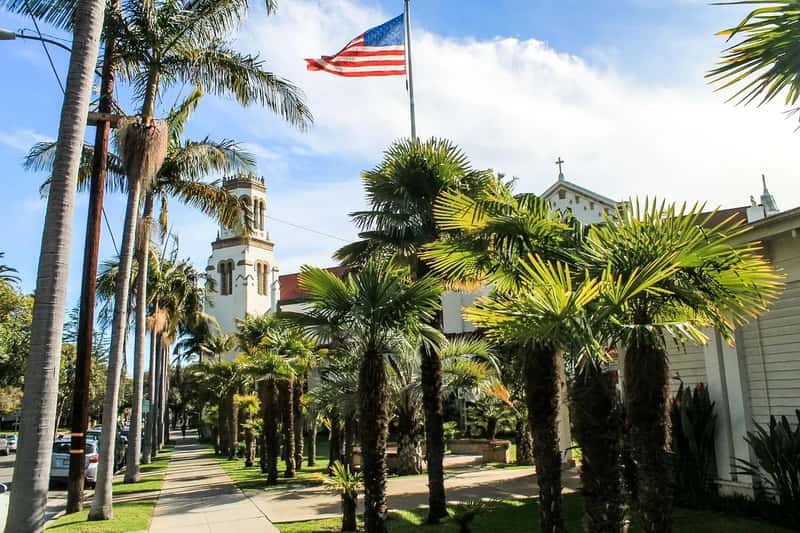
Santa Barbara’s Spanish colonial design makes it one of the most walkable small cities in the US. The city’s paseos – pedestrian passages – create a network of car-free pathways through downtown, while its beachfront provides miles of scenic walking routes. These paseos aren’t just decorative; they function as genuine shortcuts that allow pedestrians to cut through blocks without ever having to navigate traffic. The consistency of the Spanish Colonial Revival architecture also creates a visual coherence that makes walking feel like a curated experience rather than a random journey.
The real measure of Santa Barbara’s walkability is how effortlessly daily life can be conducted on foot. Groceries, restaurants, bookshops, and the beach are all within reasonable walking distance for most downtown residents. Research has found that each additional Walk Score point was associated with an increase of between $500 and $3,000 in home values, and Santa Barbara’s walkable layout is widely understood to be a key driver of its sustained real estate desirability. Residents in these areas tend to have better overall health, greater opportunities for social interaction, and a stronger sense of community, and living without a car saves money on fuel, insurance, and maintenance.
5. Pittsburgh, Pennsylvania – Walkable and Surprisingly Affordable

Pittsburgh’s compact, neighborhood-based layout makes living near everything you need easy, and as a bonus, its tech, healthcare, and creative scenes are thriving, all while housing costs remain refreshingly reasonable. Pittsburgh is one of those cities that routinely surprises newcomers – the hills are real, but so is the walkability. Neighborhoods like Lawrenceville, Shadyside, and the South Side have dense retail corridors and walkable grids that rival cities twice the size. Not all walkable cities require sacrificing affordability, and cities like Philadelphia, Pittsburgh, and Cleveland offer excellent walkability at significantly lower costs than coastal metros, demonstrating that pedestrian-friendly living doesn’t always come with premium price tags.
Pittsburgh’s renaissance over the past decade has been built largely around its neighborhoods rather than a single downtown core, which has made the city’s walkability more distributed and durable. Cities investing in pedestrian infrastructure have seen walkability scores improve by an average of five points since 2020, according to recent analysis. Pittsburgh fits that mold precisely – sustained investment in sidewalks, bike lanes, and transit connectivity has gradually made more of the city accessible without a car. Living in one of the most walkable cities in the US means reduced transportation costs, with the average car-free household saving over $10,000 annually, and residents of high-walkability areas get 35 to 45 more minutes of weekly exercise than those in car-dependent locations.
Why the Data on Walkability Matters More Than Ever

Walk Score rates areas from least to most walkable on a scale from 0 to 100. To calculate a Walk Score for a city, Walk Score analyzes and aggregates thousands of walking routes to nearby amenities, population density, and metrics such as block length and intersection density. These aren’t arbitrary numbers – they reflect real decisions about how people move through cities every day. The EPA’s National Walkability Index provides walkability scores based on a formula that ranks selected indicators from the Smart Location Database that have been demonstrated to affect the propensity of walk trips. The combination of Walk Score and EPA data gives planners and residents the most complete picture yet of what makes a city genuinely navigable on foot.
Walkable neighborhoods command significant price premiums in real estate markets, with recent analysis showing walkable urban places have 34% higher home prices and 47% higher rental premiums compared to car-dependent areas, reflecting strong demand that exceeds supply across most metropolitan areas. Environmentally, walkable urban designs significantly reduce carbon emissions, with cities that have high walk scores showing up to 35% lower per-capita carbon footprints compared to sprawling, car-dependent metros. The economic, environmental, and public health cases for investing in walkable small cities continue to grow stronger with each new year of data – and these five cities are leading the way.