Most travelers walk up to a hotel front desk, hand over their ID, and wait silently while the agent types away, hoping for the best. Very few ever speak up. Yet the gap between the room you were assigned and the room you could have had often comes down to one simple, politely delivered sentence. The question is almost disarmingly straightforward: “Is there anything available that might be a bit nicer, or a room with a better view?” That’s it. No drama, no entitlement, no long negotiation – just a friendly ask framed around availability, not demand. What happens next, though, depends on a handful of factors that every smart traveler should understand before stepping foot in that lobby.
Why the Wording of Your Ask Actually Matters
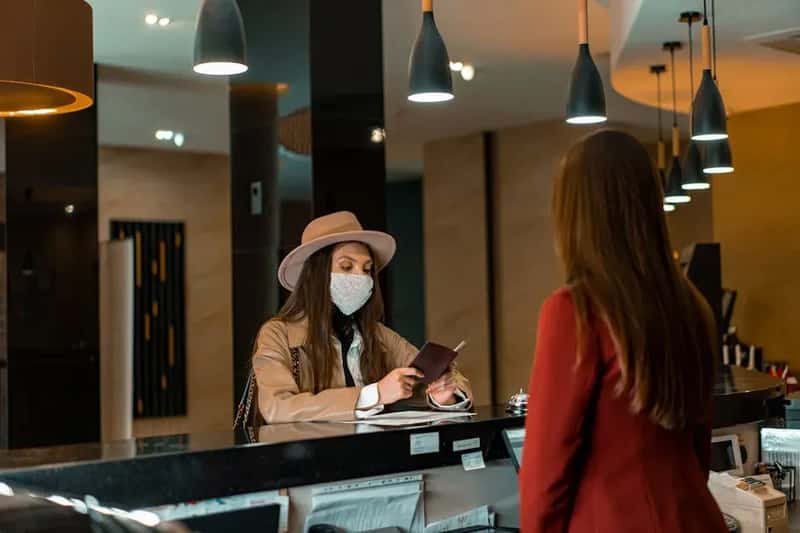
The most important thing to do when pursuing an upgrade is to ask in a friendly manner. Saying something like, “I know these things are based on availability but do you have any available upgrades?” can be a non-entitled way to make your request. The phrasing signals that you understand the agent is not your personal concierge, and that you’re making a request rather than issuing a demand. It removes the adversarial edge that so often kills these interactions before they begin.
To secure such an upgrade, don’t ask for an “upgrade.” Simply ask if a higher floor room or one with a specific view or side of the building is available, and if available, front desk staff can often swap rooms to accommodate. This reframing is key. You’re not asking for a freebie – you’re asking a practical question about what’s available. The best way to ask for a room upgrade is to keep things pretty open-ended – the less flexibility you give the front desk, the less flexibility they have to give you an upgrade.
The Real Power Behind Being Genuinely Kind
The most consistent piece of advice from hoteliers and travel experts alike was to ask nicely and use kindness from the start. “Usually, the first person you speak with when checking into your hotel is the person who has the ability to upgrade your room,” says Eroline Lamontagne, the director of Fond Doux Resort in Saint Lucia. This is not a throwaway observation. Front desk agents carry enormous discretionary power that most guests completely underestimate.
In the experience of hospitality insiders, the question itself isn’t pushy – it’s the attitude and tone prior to the question that makes a difference. Former hotel staff report being more likely to give someone a free upgrade if they were nice, polite, or even funny. Kindness pays really well. Front desk personnel deal with dozens of guests every day who engage in the same boring small talk or treat the staff like robots. By being personable, telling jokes, and just treating them like a regular human, you can stand out from a lot of those guests and be the little spark that puts the agent in a much better mood. A better mood equals higher chances of an upgrade.
Timing Your Check-In to Work in Your Favor

Hotels have a better idea of their room availability later in the day. Checking in around 4 PM or later increases your chances of being upgraded since the hotel can see what rooms are still available after early check-outs and cancellations. If you arrive too early, you might be stuck with whatever is available at that time, which might not be the best option. Timing, in other words, isn’t just logistics – it’s strategy.
Hotel staff might be in a happier mood once the rush of early arrivals has settled. They’ll be less hectic and bothered, and they’ll have a better understanding of which rooms are still vacant. So if you plan your arrival later in the day – or hit the café for an hour until the line recedes – you’ll have a better chance of being offered the upgraded, unsold room. Between 5 and 6 PM is a time when most rooms are cleaned and before the evening rush kicks in, making it one of the most productive windows to approach the desk with your question.
Why Booking Directly Puts You in a Completely Different Queue
Hotels typically can’t modify reservations booked on third-party sites, even to give upgrades. That single fact alone is reason enough to rethink how most people book their stays. When you come through Booking.com or Expedia, you are, in a very real sense, a third party’s guest – not the hotel’s. The agent’s hands are often tied before you even open your mouth.
At 25hours hotels, Chief Brand Officer Bruno Marti says the following rules, in order, apply for determining who gets an upgrade: regular guests, those who booked directly with the hotel, and nice people. “It’s as easy as that.” Being a rewards member may increase your chances of getting a free upgrade at check-in if you booked through the hotel’s website. Upgrades are at the discretion of the front desk representative, and regardless of how you booked, they may still be available to you if you’ve been a longtime member.
Hotel Loyalty Programs: The Numbers Behind the Upgrade Advantage
Hotel loyalty membership across five key brand families – Choice Hotels International, Hilton, Hyatt Hotels, Marriott International, and Wyndham Hotels & Resorts – surged 14.5% year over year in 2024 to more than 675 million members, according to CBRE. That staggering growth tells a clear story: hotels are deeply invested in rewarding members, and membership genuinely changes how you’re treated at check-in.
Loyalty members accounted for 52.8% of occupied rooms in 2024, a two percentage point increase from 2023 that far outpaced overall U.S. demand growth of 1.2%. Costs for hotels that are associated with loyalty members may include complimentary food and beverage, upgraded rooms and housekeeping services, and access to an exclusive executive lounge. In short, the loyalty program infrastructure is specifically designed to funnel better experiences – including better rooms – toward enrolled members. If you’re not signed up, you’re essentially starting every stay at the back of the line.
Mentioning a Special Occasion Can Open Doors Quietly

You have a better chance of getting an upgrade if you are staying at the hotel for a special occasion, like a milestone birthday or anniversary. Hotels are in the business of making memories, and staff genuinely want to be part of a good story. Mentioning something meaningful about your stay – not in a manipulative way, but naturally, the way you’d tell a friend – creates a human connection that can tip the scales.
Many folks travel for a commemorative reason, such as a bachelorette party, birthday, or retirement trip, so let the staff know that you chose their location for your celebration. Checking with the staff when you arrive allows them to make a decision based on their current occupancy. “When hotels are quiet, and there isn’t a lot going on, you’ll have a decent chance of getting an upgrade if you ask nicely on arrival.” Combine a quiet night, a direct booking, and a genuine reason for being there, and your one polite question becomes nearly irresistible to a front desk agent who wants to make their shift memorable too.
The single most reliable thing any traveler can do at check-in is simply ask – clearly, kindly, and without any expectation of entitlement. Simply asking for an upgrade in a friendly manner can go a long way, but keep in mind that hotel staff are often bound by the rules of their supervisors, and an upgrade may not always be available. Combine that honest question with a direct booking, a loyalty membership, and good timing, and you’ve stacked every variable in your favor before the agent even finishes typing your name into the system.