Every year when the holidays roll around, I find myself staring at that seat selection screen with one very specific goal in mind. It’s not about legroom or the fastest exit strategy. It’s about survival. Because let me tell you, picking the wrong seat during flu season can turn your dream vacation into a week of misery, tissues, and regret.
I’ve learned this the hard way. There’s one seat type I absolutely refuse to book anymore, no matter how tempting the price or the perceived convenience might be.
The Aisle Seat Trap
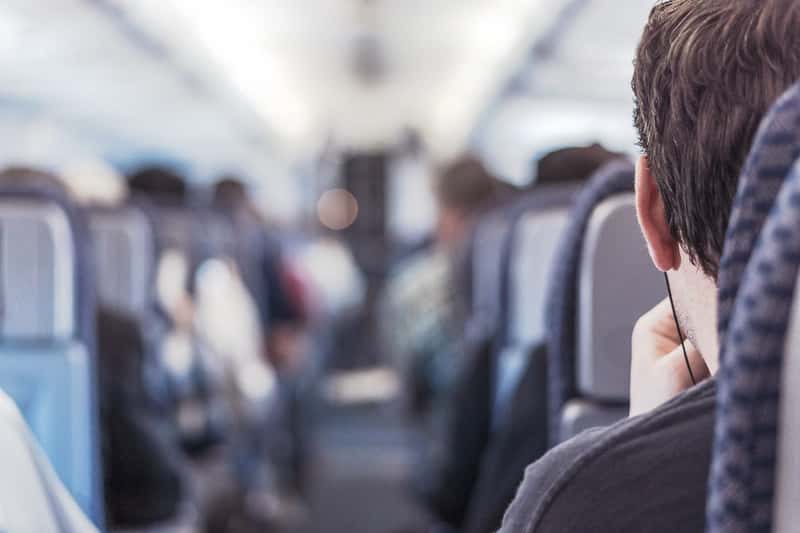
Here’s the thing I wish someone had told me years ago. The aisle seat is a germ magnet during flu season. I know it sounds dramatic, but hear me out.
Passengers in window seats had 12 contacts compared to 58 and 64 in the middle and aisle seats, respectively. Think about that for a second. If you’re sitting in an aisle seat, you’re exposed to roughly five times more human contact than someone tucked away by the window.
Every single person shuffling to the bathroom brushes past you. Flight attendants bump your shoulder with their carts. That guy three rows back who’s been coughing since boarding? He walks right by your face on his way to stretch his legs.
Those seated in aisle seats were more likely to come into contact with passengers moving about the cabin to use the lavatory, or with the airline’s crew members, an average of 64 contacts. During a typical transcontinental flight, that’s 64 opportunities for someone to breathe, cough, or sneeze in your personal space.
The Science Behind Seat Selection
Researchers actually studied this stuff, and the findings are pretty eye-opening. Passengers should sit in the window seat to minimize their risk of contracting the flu, according to studies conducted during flu season on transcontinental flights.
Let’s be real. The confined environment of an aircraft creates what scientists call ideal conditions for respiratory disease transmission. The confined environment of aircraft cabins creates ideal conditions for respiratory disease transmission.
Passengers in window seats were far less likely to get up during flights, with only about 40% doing so compared with 80% of those in aisle seats. That lower mobility isn’t just about comfort. It’s about limiting your exposure to every sick passenger on that plane.
I think about this every time I fly now. Movement equals contact, and contact equals risk.
Understanding the Two-Row Danger Zone
There is a roughly 6% risk to passengers seated within the 2 rows of infected individuals, and there is roughly 2% risk to passengers seated beyond 2 rows from the infectious individual. Those numbers might sound small, but when you’re traveling during peak flu season, every percentage point matters.
The old public health guidance talks about this two-row rule. Basically, if someone infectious is on your flight, you’re at elevated risk if you’re sitting within two rows of them. Studies have documented numerous cases of infection transmission within 2 rows of an index case.
Here’s what really gets me, though. That aisle seat? It extends your exposure beyond just your immediate neighbors. You’re vulnerable to everyone walking the length of the cabin.
Real World Transmission Data
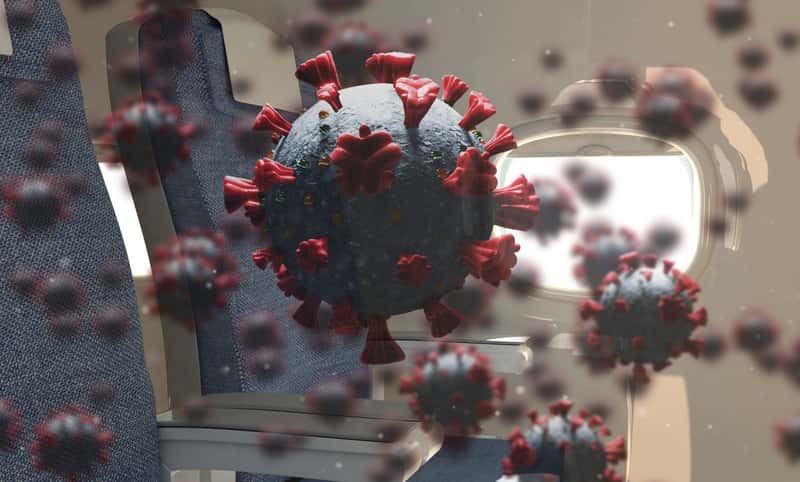
Let me share something that really hammered this home for me. During a 14-day quarantine, 15 secondary cases were identified with an attack rate of 16%. Being seated within two rows of a primary case and spending more than an hour at the arrival airport were independent risk factors.
That’s from an actual flight during the pandemic, and it shows just how easily respiratory illnesses spread in confined spaces. Nearly one in six passengers got infected on that single flight.
You may be 100 times as likely to catch a cold on a plane as in your normal day-to-day life. One hundred times. That statistic stopped me cold when I first read it.
Airlines pack us in tight, the air is dry, our immune systems are stressed from travel, and everyone’s touching the same surfaces. It’s honestly a perfect storm for getting sick.
The Middle Seat Isn’t Much Better
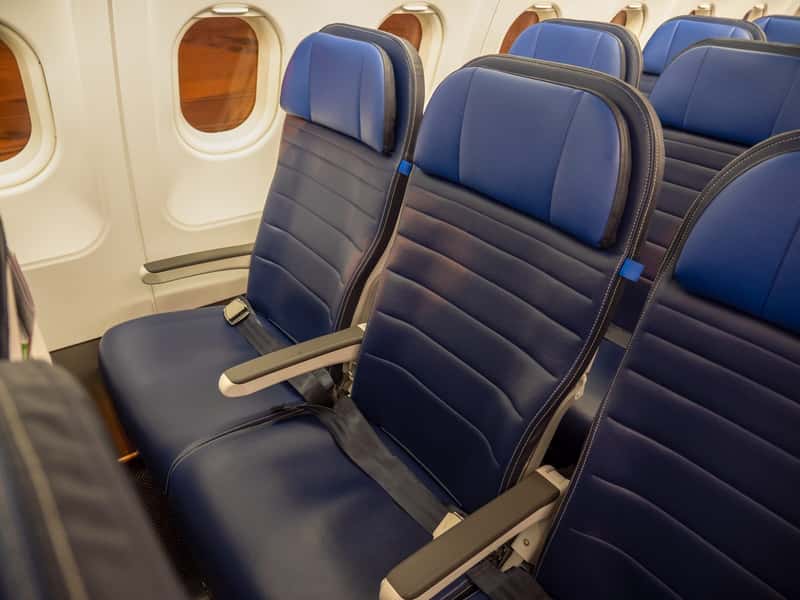
Some people think the middle seat is the worst seat on the plane, but honestly, I’d take it over an aisle seat during flu season. At least you’re not in the high-traffic zone.
Laboratory-based models predict a 23% to 57% reduction in exposure to viable virus particles when middle seats on an airline are kept vacant. Distance matters. Every inch of space between you and a potentially sick passenger reduces your risk.
The problem with middle seats is you’re sandwiched between two people, breathing their air, sharing armrests. Yet you’re still statistically safer than being in that aisle seat where dozens of passengers parade past you.
The Bacterial Nightmare of High-Touch Surfaces
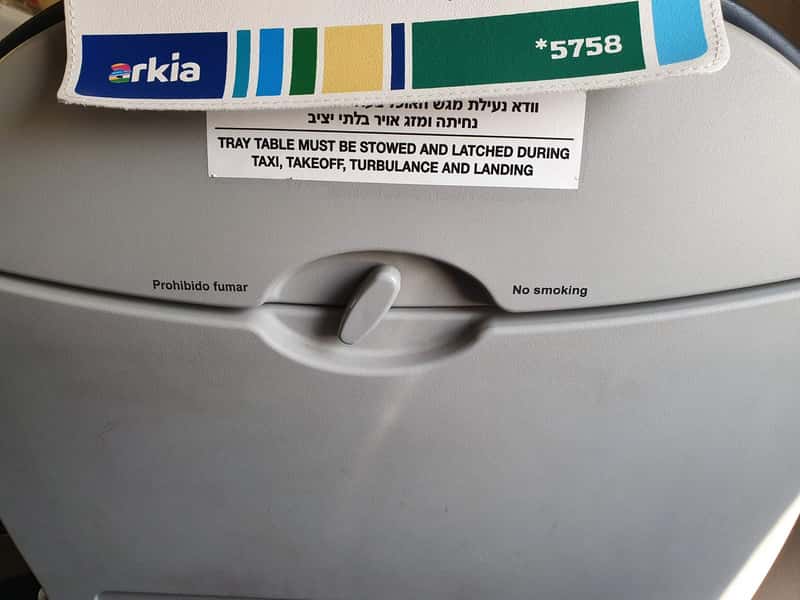
Want to know something truly disgusting? Tray tables harbored 2,155 colony-forming units of bacteria per square inch – more than eight times the bacteria found on lavatory flush buttons.
Your tray table has more bacteria than the toilet flush button. Let that sink in. A typical home toilet seat has roughly 172 colony-forming units per square inch. That means your tray table is exponentially dirtier than your toilet at home.
Aisle seats come with all that high-touch exposure. The armrest everyone grabs as they pass. The seatback pocket that gets stuffed with used tissues. The headrest that gets bumped by every bag swinging down the aisle.
I always bring disinfectant wipes now. Always. It’s not paranoia when the science backs you up.
Why Window Seats Win Every Time
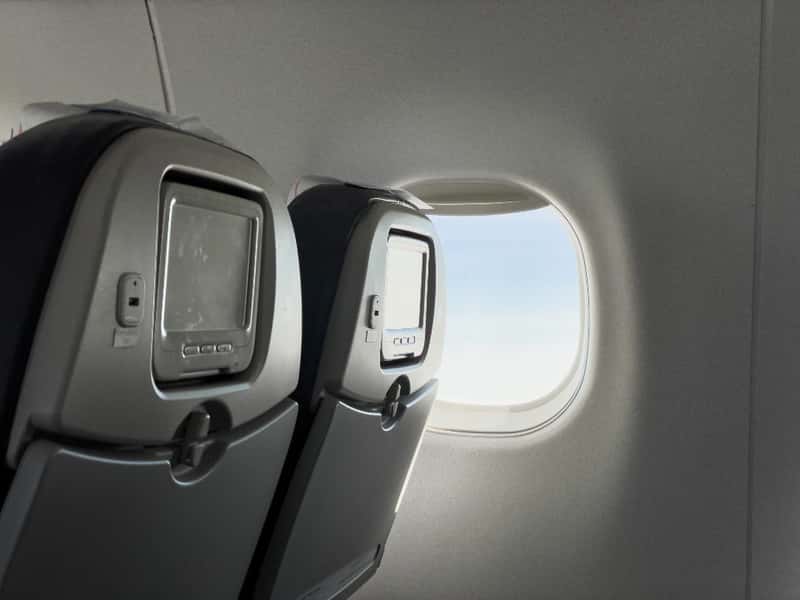
Window seats were the most isolated from contact with other passengers by far. It’s simple geometry and human behavior working in your favor.
When you’re in a window seat, you have a physical barrier on one side. The fuselage. No one’s walking past your face from that direction. You’ve got maybe two people you’re directly exposed to instead of potentially dozens.
Only 43 percent of window seat passengers moved around as opposed to 80 percent of people seated on the aisle. Less movement means less exposure. You’re not getting up to let people out. You’re not constantly in the flow of foot traffic.
Honestly, the window seat strategy is the closest thing to a force field you can get at 35,000 feet. Plus, you get something to lean against when you sleep, which is just a bonus.
The Holiday Travel Factor
Operating in pressurized cabins, confined spaces, and international routes spanning multiple flu seasons requires a comprehensive understanding of prevention strategies throughout the extended influenza period from October through May. Holiday travel coincides perfectly with peak flu season.
Think about it. Thanksgiving through New Year’s is when everyone’s flying. Families gathering, people catching up, kids spreading germs they picked up at school. This risk increases during holiday travel as more people are on the go, flu season is in full force, and passengers are less likely to cancel travel plans due to illness.
People fly sick during the holidays because they don’t want to miss family gatherings or lose money on non-refundable tickets. I’ve seen it dozens of times. The guy coughing into his elbow, clearly feverish but determined to make it to his destination.
Cabin Air and Disease Spread
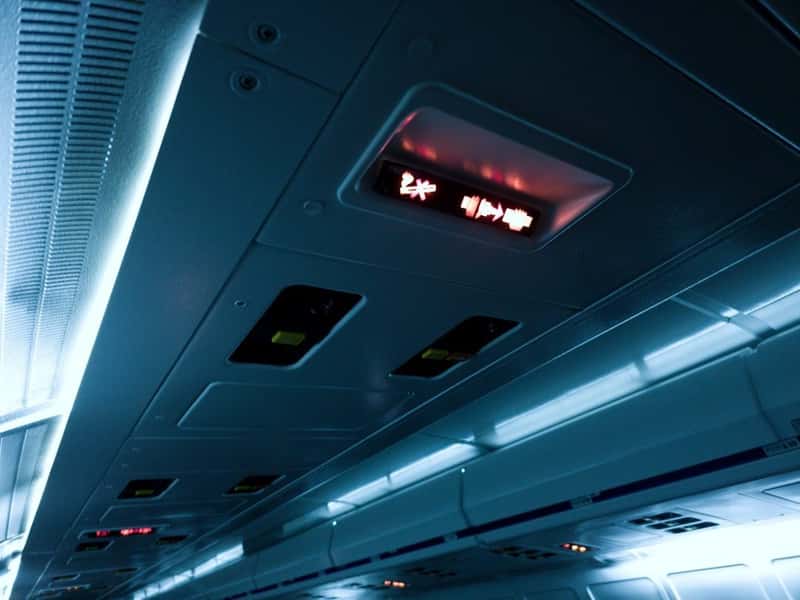
A lot of people think modern airplane ventilation systems protect them from getting sick. High-efficiency particulate air (HEPA) filters found on planes remove at least 99.97% of any airborne viruses and bacteria. That air is also getting refreshed about 20 times per hour.
That sounds great, right? Here’s the catch. HEPA filters work on airborne particles, but most respiratory illness transmission happens through larger droplets that fall quickly. Droplets are sufficiently large to be largely impervious to cabin airflow. Direct transmission occurs when pathogen-containing droplets fall onto a susceptible traveler’s conjunctiva or mucosa or are inhaled.
Those fancy air filters can’t protect you from the person next to you sneezing. They can’t stop droplets from landing on your armrest. Physical proximity is what gets you sick, not recycled air.
My Personal Seat Selection Strategy
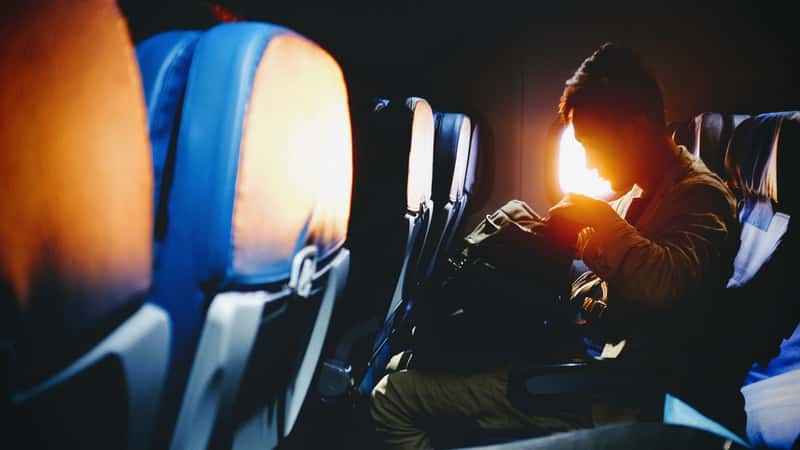
I’ve developed a system over the years of travel. Window seat, as far back as possible without being near the lavatories. Most confirmed cases were seated in the middle rows of economy class or near public facility areas such as restrooms and galleys.
The front of the plane means everyone boarding walks past you. The middle section means maximum traffic from both directions. Near the bathrooms? Forget it. That’s where everyone congregates, and people waiting for the lavatory aren’t exactly maintaining social distance.
Avoid aisle seats since these are high-touch areas for those boarding planes. This guidance comes from infectious disease experts, and I follow it religiously during flu season.
Additional Protection Strategies
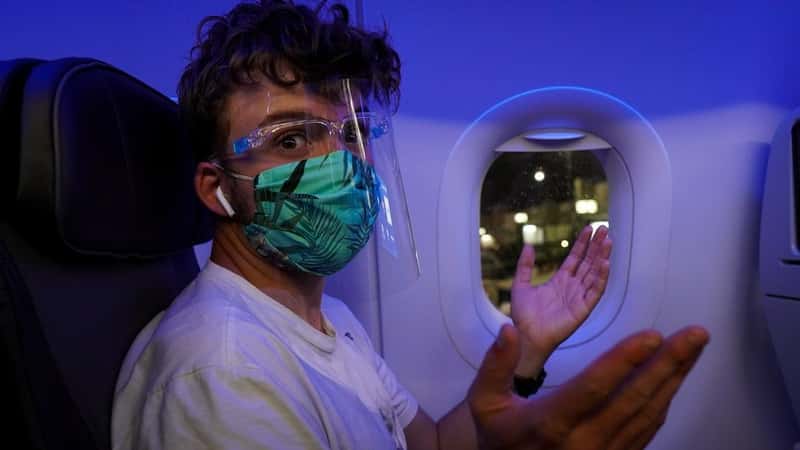
Seat selection is just the first layer of defense. I also keep that overhead air vent pointed right at me. Direct the air nozzle between you and the person next to you to create a barrier for germs.
That little stream of air creates turbulence that can help deflect respiratory droplets away from your breathing zone. It’s not foolproof, but it’s something.
I stay hydrated, bring hand sanitizer, and wipe down every surface around my seat before settling in. The humidity inside an airplane cabin is only around 10% to 20%. The very low humidity of the cabin air can dry out the mucous membranes of your nose and airways. Dry airways are more susceptible to infection.
The Bottom Line on Aisle Seats
Look, I get the appeal of aisle seats. Easy bathroom access. You can stretch your legs into the aisle occasionally. You’re first off the plane. During normal times, these are legitimate advantages.
During flu season? Those benefits aren’t worth the risk to me anymore. Those seated in aisle seats had an average of 64 contacts, versus the window seat’s 12. That’s more than five times the exposure.
Every passenger shuffling past you is a potential vector. Every flight attendant bumps your shoulder. Every bag is swinging down the aisle. The aisle seat puts you in the middle of everything, and during flu season, that’s exactly where you don’t want to be.
Conclusion: Choose Wisely
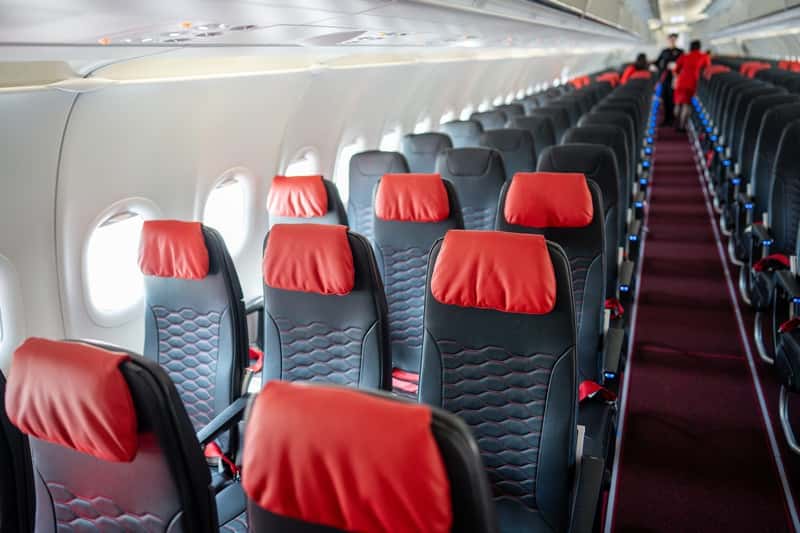
is the aisle seat. The data is clear, the risk is real, and the alternative is simple. Book that window seat, minimize your contact with other passengers, and give yourself the best chance of arriving at your destination healthy.
Is it a guarantee? Of course not. You could still catch something from your immediate seatmate or from surfaces in the airport. However, why stack the odds against yourself by choosing the highest-exposure seat on the plane?
This holiday season, when you’re selecting your seat, think about those 64 contacts versus 12. Think about the person who boards with the sniffles and walks right past your face. Think about giving yourself every advantage you can.
What’s your strategy for staying healthy during holiday travel? Have you noticed a difference based on where you sit? The science suggests seat selection matters more than most people realize, and I’m betting you’ll think twice about that aisle seat next time you fly.