Most travel guides push the same handful of months for Paris: cherry blossoms in April, long golden evenings in June, maybe a crisp September afternoon by the Seine. Scroll past those recommendations, though, and there’s a stretch of the calendar that keeps coming up in local forums and seasoned travelers’ notes for entirely different reasons. It’s not warm, it’s not sunny, and it definitely doesn’t photograph like a postcard. Yet for anyone who actually wants to experience Paris rather than just see it from behind a crowd, this quieter window might be the smartest choice of the year.
Why November gets skipped in the first place
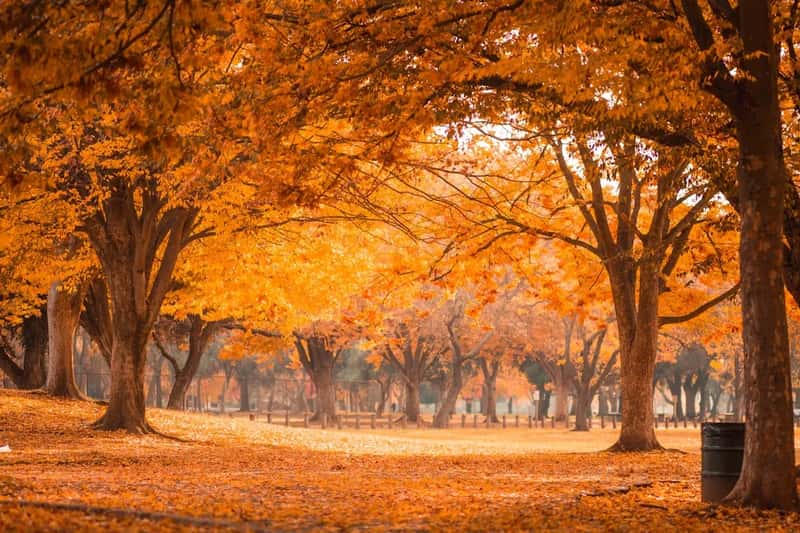
November suffers from an image problem. It sits right after the golden light of October and right before the twinkling lights of December, making it feel like a transitional month with nothing of its own to offer. The low season in Paris is somewhat long given its latitudinal position, and from November to March, a large section of tourists avoid Paris due to the harsh weather conditions and overall inconvenience.[1]
That reputation isn’t entirely fair, though. Cold and gray doesn’t automatically mean unpleasant, and plenty of visitors who’ve actually gone report the opposite experience. November is genuinely an underrated time to visit Paris, sitting between the autumn shoulder season and the holiday rush, offering low travel costs, minimal tourist crowds, and the beginning of the festive season.[2]
The weather is milder than people assume
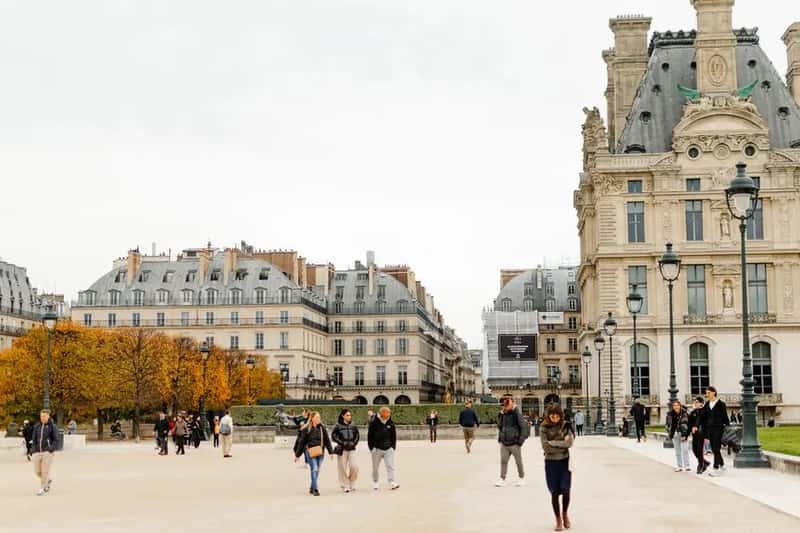
Say “Paris in November” and most people picture freezing rain and gray skies for weeks on end. The reality is a bit gentler than that mental image. Temperatures usually sit between 45°F and 54°F (7°C to 12°C), cooler than summer but still pretty mild for fall, with daytime highs often around 52°F (11°C) that a light jacket or sweater can handle comfortably.[3]
Nights do get chillier, so packing layers matters more than packing an umbrella alone. At night, it can drop to about 43°F (6°C), so layering up is smart if you’re planning to be out and about.[3] Rain is common but rarely relentless, and the early part of the month tends to be noticeably milder than the tail end, so booking a trip in the first half of November stacks the odds in your favor.
Museums and monuments without the lines
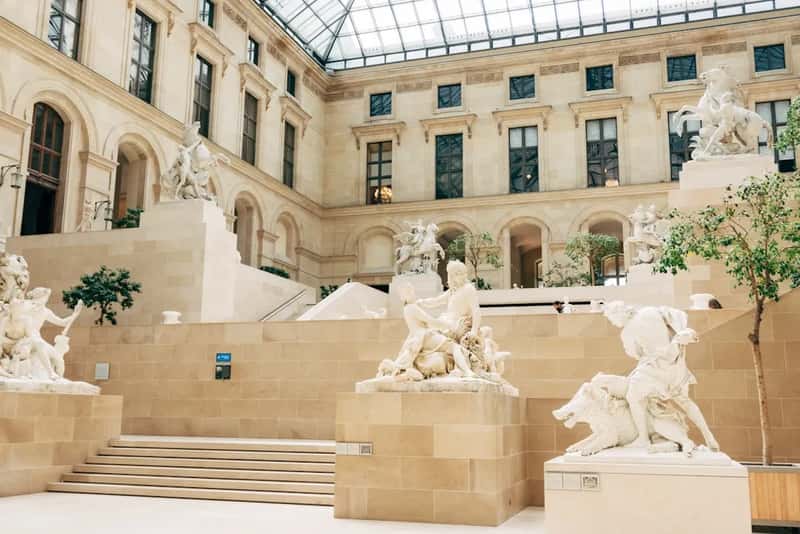
This is where November quietly wins. The Louvre, the Musée d’Orsay, Sainte-Chapelle, the catacombs, all the places that turn into slow-moving queues every summer suddenly become walk-right-in experiences. November is low season in Paris, crowds are minimal, and cultural events like art shows, exhibitions, and concerts dominate the calendar instead.[4]
It’s not just about avoiding lines either. Standing in front of a major painting without a phalanx of selfie sticks around you changes how the experience actually feels. Visitors do decline in November, and aside from the period around Christmas and New Year, numbers remain low until mid-April.[5]
Hotel and flight prices drop noticeably
Money is often the deciding factor for travelers weighing seasons, and November tends to reward the patient ones. Rates that feel steep in July soften considerably once the summer rush clears out. January and February bring the lowest hotel rates and flight prices, but mid-November through mid-December is also very affordable, with savings of roughly 30 to 40 percent compared to June and July across most major expenses.[6]
That gap matters especially for anyone weighing a longer stay. A week in a well-located apartment or a mid-range hotel near the Marais can cost noticeably less than the same booking made for a summer weekend. Flights follow a similar pattern, since airlines routinely lower fares once school holidays end and demand thins out across the Atlantic and within Europe.
Restaurant tables open up
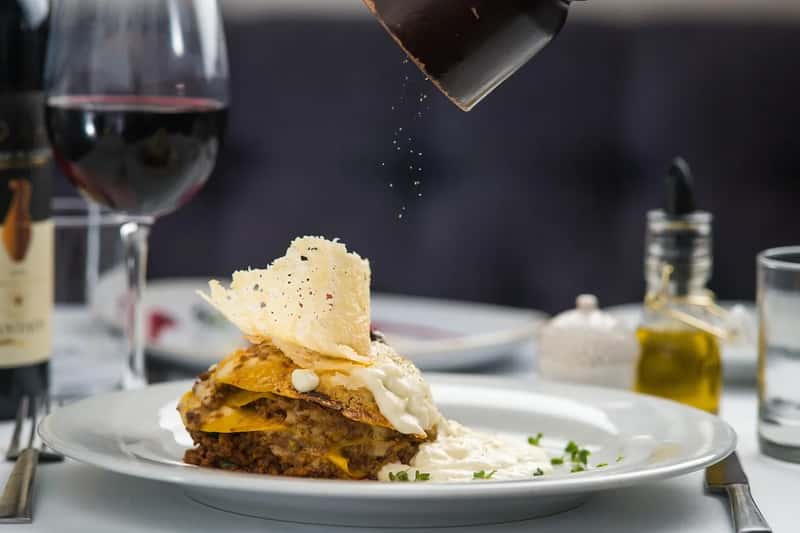
Anyone who’s tried to grab a last-minute dinner reservation in Paris during peak season knows the frustration of fully booked bistros. November eases that pressure considerably. Crowds start dispersing in the fall, leaving more room to enjoy the city, and while September still carries higher prices, October and November tend to bring genuinely good deals on both flights and hotels.[7]
The upside extends past pricing into pure practicality. Walking into a well-regarded neighborhood restaurant without a reservation becomes realistic again, and servers tend to have more time to talk through the menu when the dining room isn’t running at full capacity. It’s a small thing, but it shifts the whole rhythm of a trip.
Beaujolais Nouveau and the city’s food and wine calendar

November has its own built-in celebration, and it happens to revolve around wine. On the third Thursday of November, Beaujolais Nouveau Day arrives, when the year’s new wine is released and the city celebrates with tastings, parties, and even Seine River cruises where visitors sip the fresh wine.[8]
The date shifts slightly year to year since it’s tied to the calendar rather than a fixed number. In 2026, Beaujolais Nouveau falls on November 19, alongside other November highlights like Armistice Day on November 11 and Paris Photo at the Grand Palais from November 12 to 15.[9] None of these events draw the crowds that summer festivals do, which is exactly the point. They add texture to a trip without turning it into a scheduling headache.
Christmas lights arrive before the crowds do
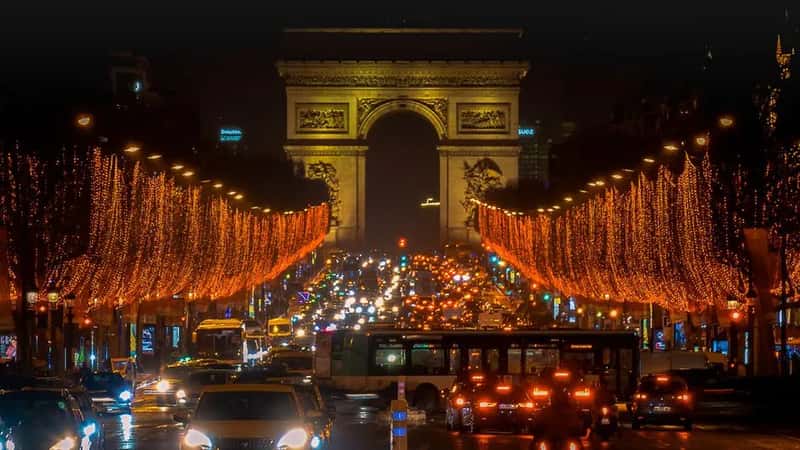
Here’s the part that surprises a lot of first-time November visitors: the city’s famous holiday lights switch on well before December even starts. Illuminations typically switch on starting in mid-November and continue until early January, with main avenues like the Champs-Élysées shining every evening from 5 p.m. onward.[10]
That timing means visitors can walk under the same glittering displays that draw huge December crowds, only with far more breathing room. From November to the beginning of January, the Christmas illuminations along Avenue des Champs-Élysées, Avenue Montaigne, Place Vendôme, and the Montmartre district get switched on each year, turning the whole city increasingly magical as the weeks go on.[11] Getting there in the back half of November means seeing the lights at their freshest, before the December rush turns every avenue into a shuffle of tour groups.
Paris Photo, Salon du Chocolat, and the autumn arts calendar
Beyond the big-name museums, November carries a full slate of cultural programming that rarely gets mentioned outside of art circles. Paris Photo alone draws serious collectors and casual browsers to the Grand Palais for a few packed days each year. October through November stands out as the best stretch for culture and art exhibitions, since museums are quieter and autumn events add real depth to the calendar.[2]
The food world gets its own moment too, with the Salon du Chocolat drawing chocolate makers and enthusiasts from across Europe. The Salon du Chocolat runs alongside other November highlights, giving visitors something to do indoors when the weather turns uncooperative.[9] It’s a useful reminder that Paris doesn’t slow down culturally just because the tourist numbers do.
What to pack and how to plan around the short days
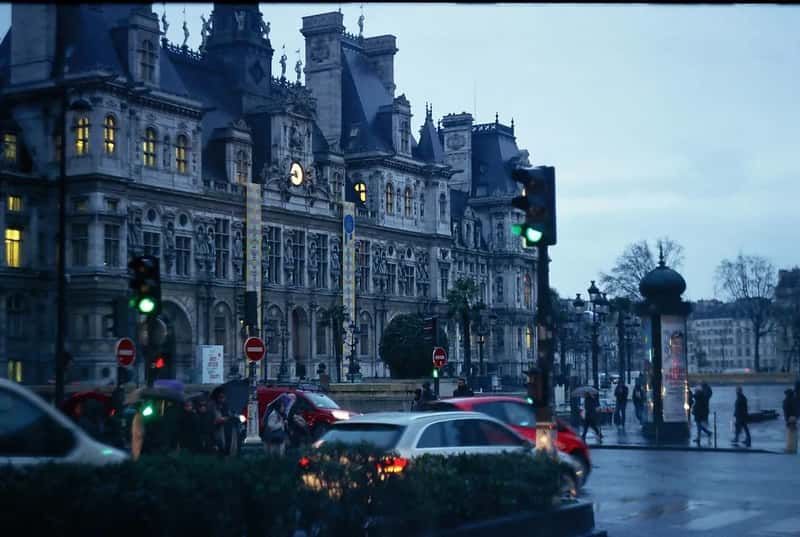
Daylight is the real tradeoff of a November trip, and it’s worth planning around rather than ignoring. Daylight shrinks from around 13 hours in early September down to just 9 hours by late November, which changes how a day should be structured.[12]
Building a loose itinerary that front-loads outdoor sightseeing into the morning and afternoon, then shifts toward museums, cafés, and dinner once the light fades, tends to work better than trying to force a summer-style schedule onto shorter days. Expect roughly 9 to 12 days of light rain over the month, with only about 4 hours of sun a day, so building in plenty of indoor time makes the trip smoother.[9] A waterproof jacket, a warm layer, and comfortable shoes cover most of what the month throws at visitors.
Final thoughts
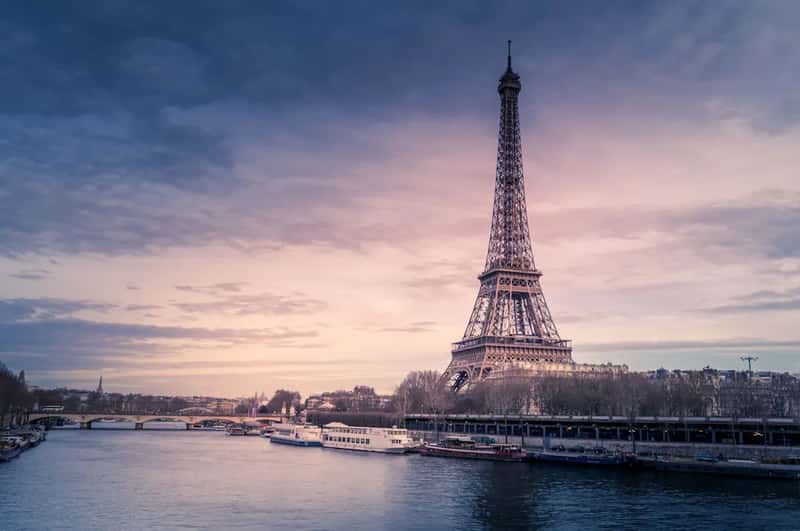
Paris doesn’t need another season crowned as its best one. What November offers instead is a version of the city that feels more like itself, less performance for tourists and more of the everyday rhythm that locals actually live in. The lines shrink, the prices ease, and the city’s own calendar of small celebrations fills in the gaps that warmer months leave crowded out.
None of this means November is flawless. The days are short and the skies are often gray, and anyone chasing sunshine should look elsewhere. But for travelers willing to trade a few degrees of warmth for space, quiet, and a noticeably lighter bill, it’s hard to argue against giving this overlooked month a real shot.