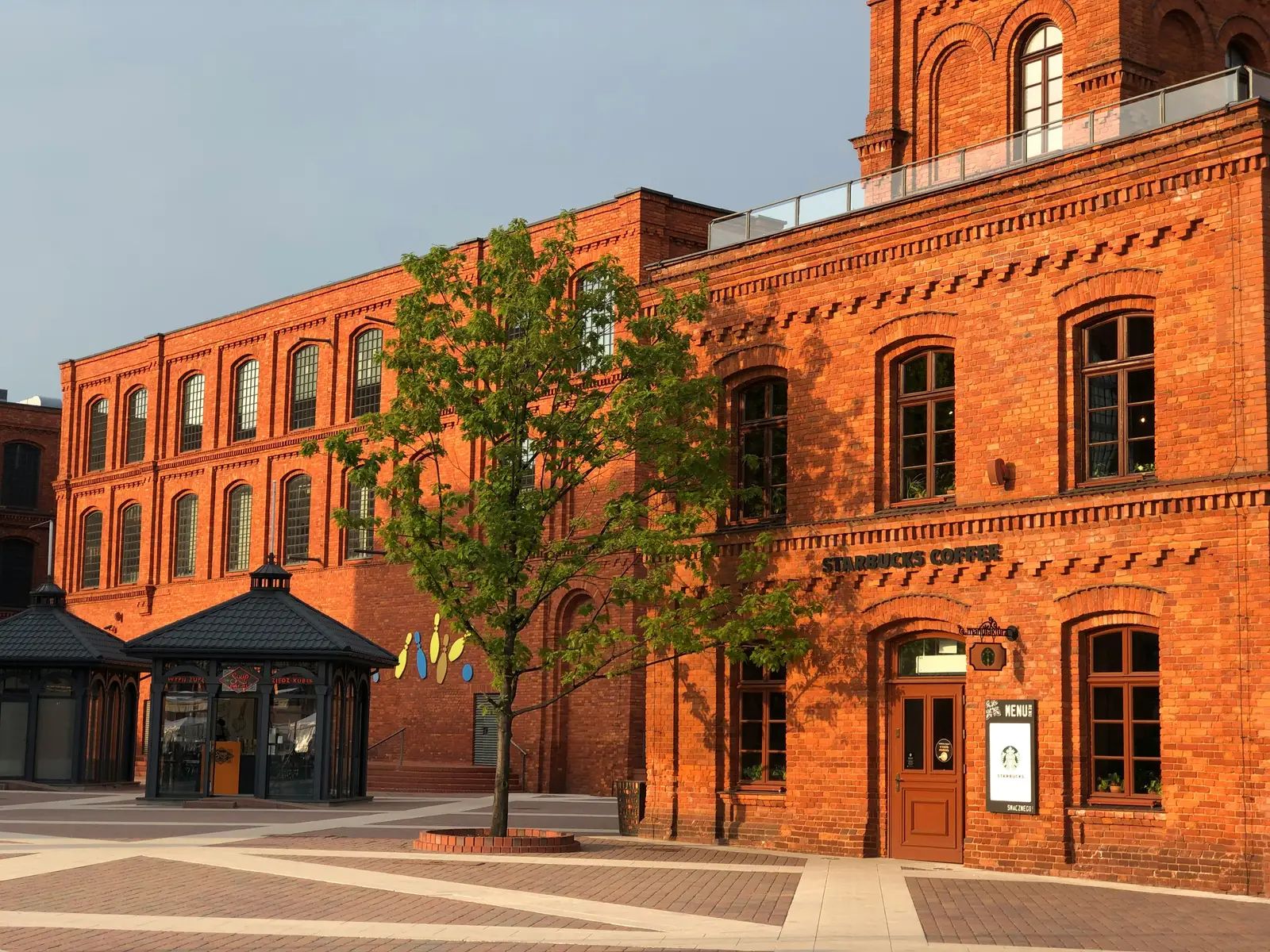
Lodz, Poland, sits in the heart of the country yet draws far fewer visitors than Kraków or Warsaw. Its industrial past and wartime scars sit alongside pockets of modern creativity that reward those willing to look past the surface. The result is a place defined by sharp contrasts rather than polished charm.
History That Refuses to Fade
Radegast Station stands as one of the most direct reminders of the city’s darkest chapter. Built in the 1920s and 1930s, the site later served as the main departure point for roughly 200,000 people from the Lodz Ghetto between 1942 and 1944. A memorial tunnel added in 2005 now stretches 140 metres to honour those who passed through. Just across the road lies one of Europe’s largest Jewish cemeteries. The two locations together form a sobering pair that many travellers encounter only when they deliberately seek them out. Private tours focused on Jewish heritage often include these stops along with other memory sites such as the Children’s Martyrdom Monument and Survivors’ Park.
Everyday Traditions That Feel Personal
Food offers another layer of the city’s character. Pierogarnia i Garmaż Smak operates without a website or prominent social media presence, yet locals speak of it as the place for pierogi made according to longstanding family recipes. Diners often purchase the dumplings raw or lightly prepared and finish the cooking at home, turning a simple purchase into a small evening ritual. This approach suits visitors staying in apartments with kitchens and provides a quiet counterpoint to more tourist-oriented dining scenes elsewhere in Poland. The emphasis remains on taste and tradition rather than presentation.
Escape Experiences Built on Scale
Outside the city centre, Forest Escape occupies several thousand square metres of a former woodland holiday camp. Small groups move between abandoned buildings and forest paths while following an overarching story that unfolds across multiple games. Live actors and large-scale exploration replace the usual lock-and-key format, and the setting changes noticeably between daylight and evening sessions. The venue is not wheelchair accessible, which limits participation for some travellers. Still, the sheer size and narrative ambition set it apart from typical escape-room offerings and illustrate how Lodz can surprise those who venture beyond standard sightseeing routes.
A Place Worth a Second Look
Lodz lacks the immediate visual appeal of Poland’s better-known cities, yet the combination of heavy historical weight and inventive modern attractions creates a distinct identity. Visitors who return often cite the same mix of sobering sites and unexpected diversions as reasons to plan another trip. The city remains easy to overlook, but those who stop discover a destination that rewards curiosity with depth rather than surface gloss.