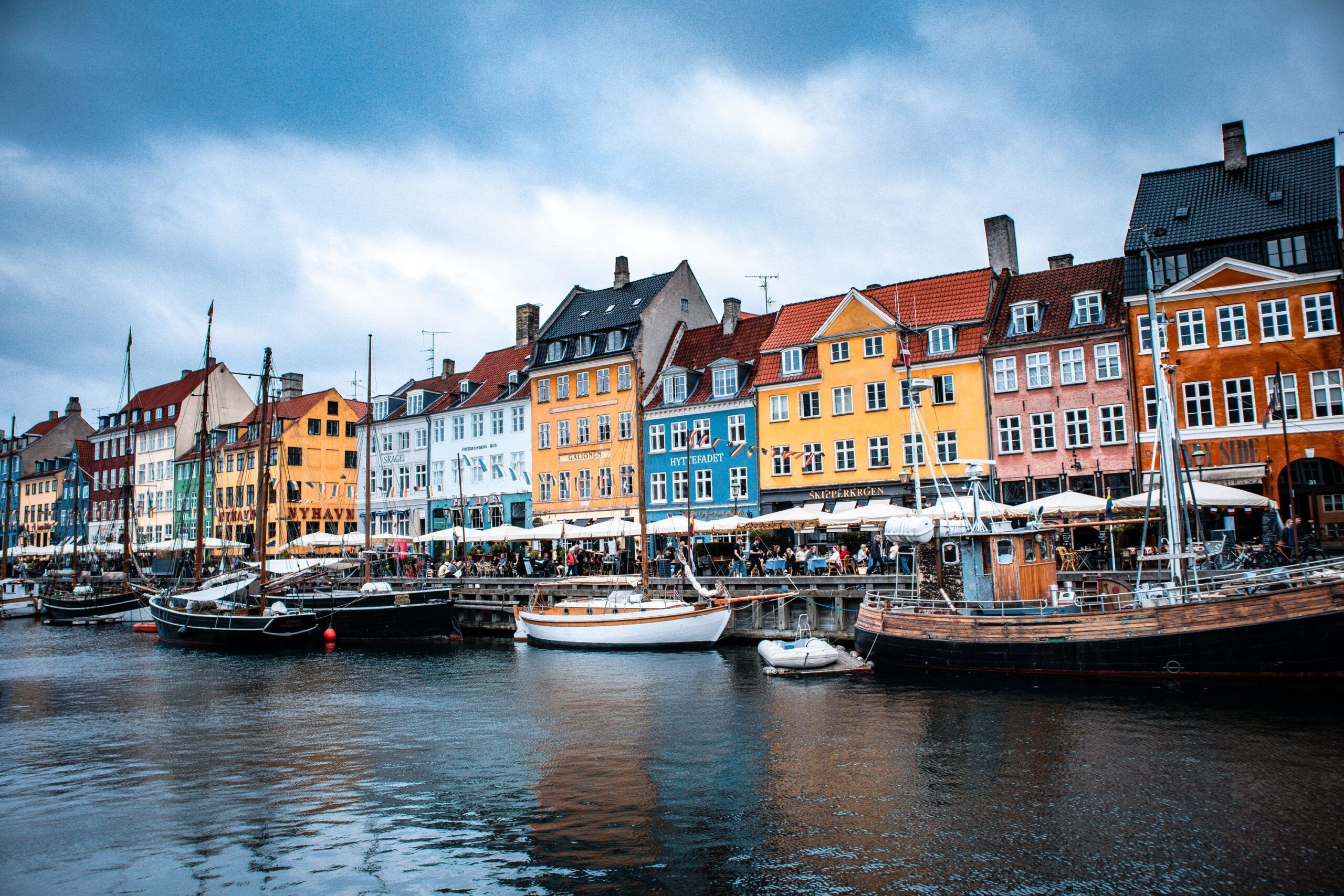
Buying a holiday home abroad sounds like a simple plan until you read the fine print. In some places a foreign buyer walks through the same door as a local. In others, the door is locked, or it opens only for a narrow group of people.
Rules have moved a lot over the past couple of years, and some are still changing this month. Here are seven countries where the process is comparatively open, followed by ten where foreign buyers hit the biggest obstacles.
Portugal: Same Process for Locals and Foreigners

Foreigners can buy property in Portugal with no restrictions based on nationality, and the buying process is the same for locals and foreign buyers.[1] That equal footing is a big reason it keeps appearing on lists of easy European markets.
The country remains popular among retirees drawn to its tax incentives and low cost of living.[2] One thing has changed, though: property no longer qualifies for a residence permit in Portugal since 2023.[3] You can still buy freely, but the house alone won’t get you a visa.
Georgia: Fast Registration, Few Hurdles
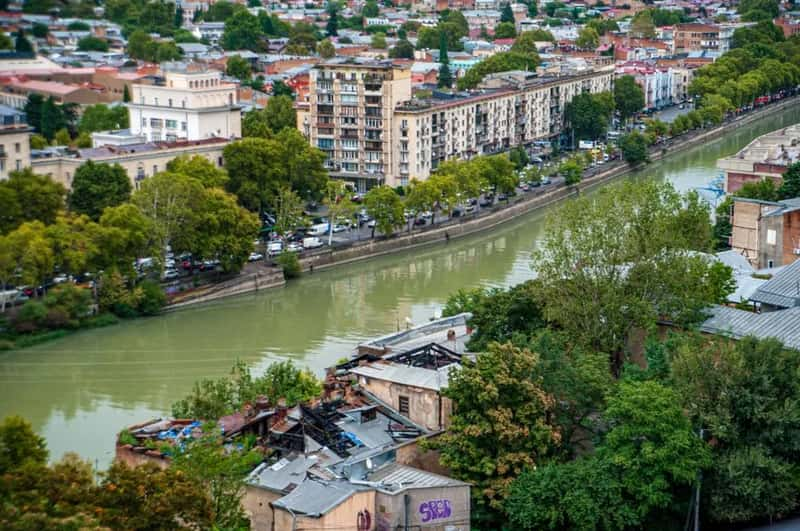
Foreigners can buy, register, and sell residential or commercial real estate in Georgia without restrictions.[2] The paperwork moves quickly, and registration usually concludes within just a few days.[4]
One 2026 ranking of cheap markets notes that buyers need no local company, no residency, no notary, and no mandatory lawyer.[5] Still, skipping a lawyer is a personal call, and many buyers will want someone to check the title anyway.
Colombia: Equal Civil Rights for Buyers
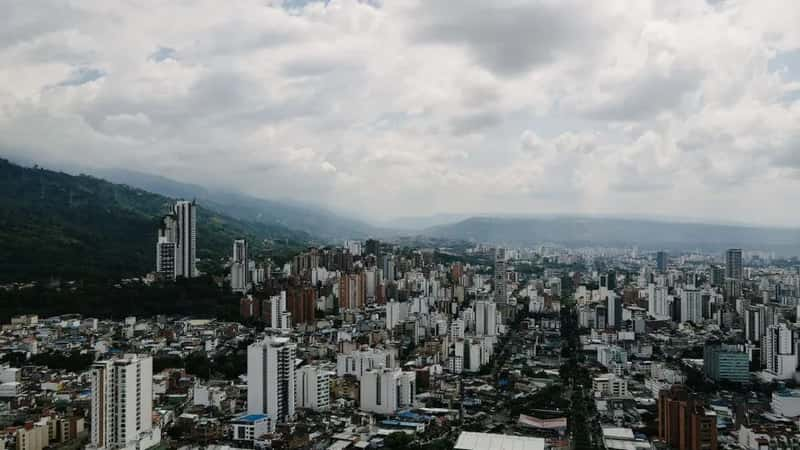
Colombia’s legal footing is straightforward. Its Constitution grants foreigners the same civil rights as locals, so there are no nationality based barriers to buying a standard urban apartment in Bogota or Medellin.[2]
The same setup extends beyond the cities. Foreigners can purchase almost any type of property, urban or rural, without needing residency or a local partner.[1] A 2026 comparison of budget markets also lists no local company, no caps, and no residency prerequisite.[5]
Uruguay: Open Doors From Montevideo to Punta del Este
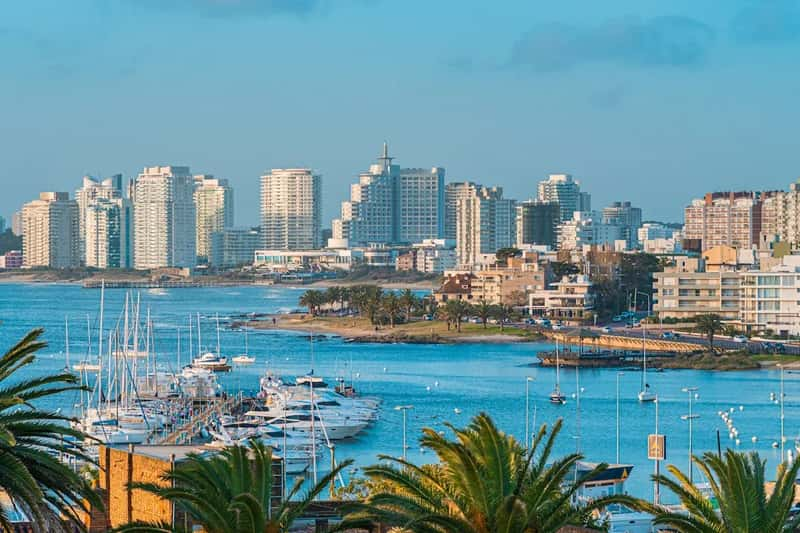
Uruguay is one of the quieter success stories in South America. The country places no restrictions on foreign ownership of real estate, and Americans can buy apartments, farmland, or coastal property in places like Punta del Este under the same terms as Uruguayan citizens.[1]
A 2026 comparison guide puts closing costs at roughly four to six percent[6] and notes that no residency is required to buy. Annual property tax in the same guide runs from a fraction of a percent to a little over one percent of value.
Dominican Republic: A Caribbean Market Built for Outsiders
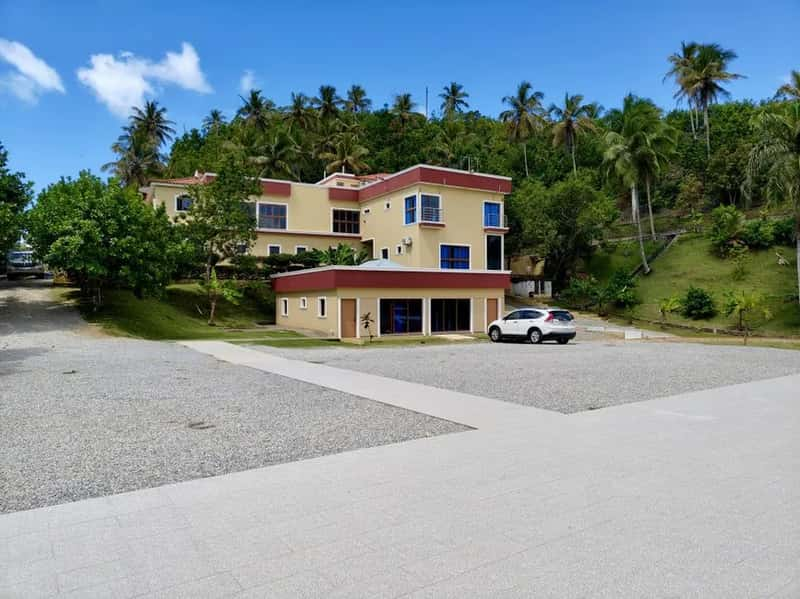
The Dominican Republic has marketed itself for years as one of the easiest Caribbean nations for foreigners to buy into, and the legal framework backs that up.[1] Foreign buyers aren’t treated as a special category that needs extra permission.
The 2026 guide from Where Next lists closing costs of about three and a half to five percent, with a one percent annual tax only above RD$10.7M.[6] It also points to Cabarete and Las Terrenas as growing expat areas.
Greece: Open, With a Few Local Caveats
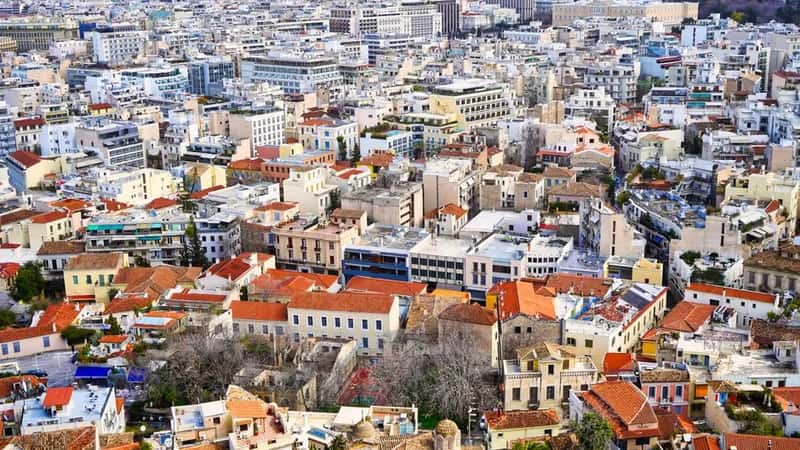
Greece keeps its property market largely open to outside buyers, with only modest regional caveats.[2] There are no restrictions for non EU citizens purchasing property, except limited border and security zones that require additional permits.[1]
Demand from abroad is clearly strong. Foreign investment in Greek real estate rose by well over two fifths in the first quarter of 2026, with buyers most often coming from the US, China, and Middle Eastern countries.[1] Tax and zoning rules still apply, so a local adviser is worth the fee.
Panama: Foreigners Hold the Same Rights as Citizens
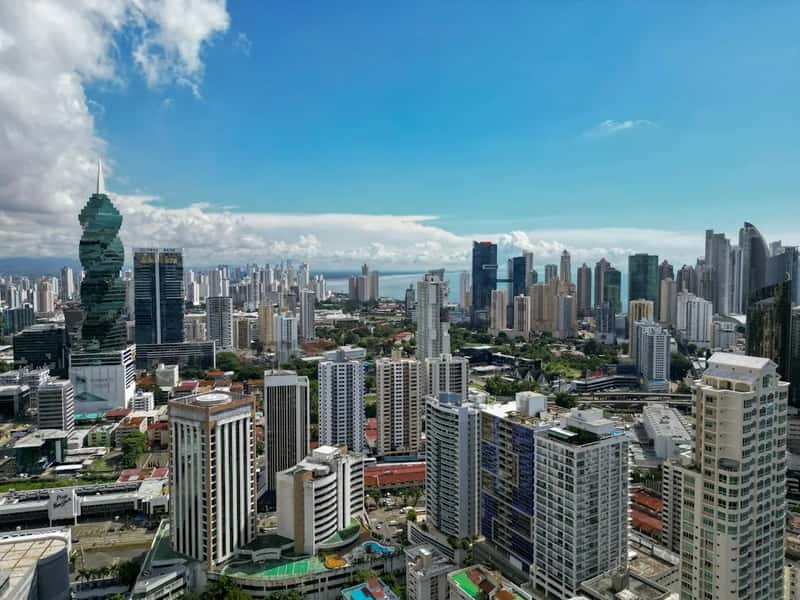
Panama is often described as the easiest place to buy in Central America. One guide credits a straightforward legal process and a lack of restrictions on foreign ownership.[7] Foreigners have the same property rights as Panamanian citizens.[7]
Taxes help the case too. Wise notes that Panama has favorable tax laws, with low property taxes and incentives for foreign buyers.[7] As with anywhere, check the details for your specific property type before signing.
Canada: A Federal Ban Under Revision
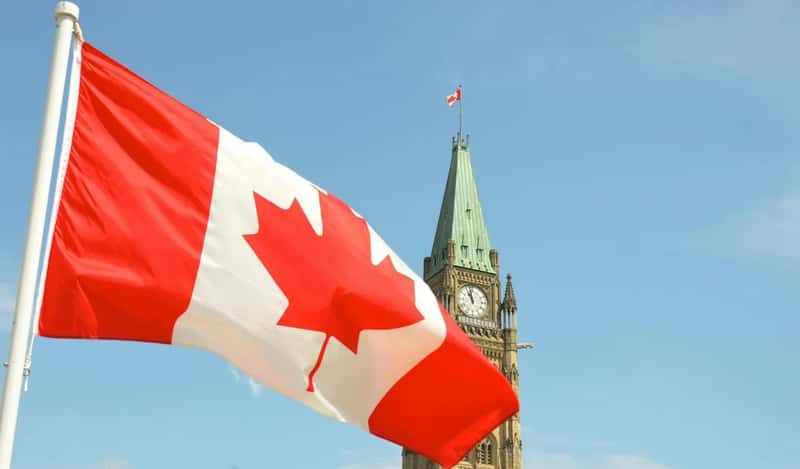
Canada’s rule is one of the most talked about in the world. The Prohibition on the Purchase of Residential Property by Non-Canadians Act has been in force since January 2023.[8] Exemptions exist for work permit holders, students, refugees, and spouses of Canadians.[9]
The ban was due to end on January 1, 2027, and that is still the legal position today. In the budget tabled on November 5, 2026, the federal government proposed keeping the ban on existing homes for two more years while allowing non Canadians to buy newly built homes.[10] None of this is law yet.[10]
Australia: Established Homes Off Limits
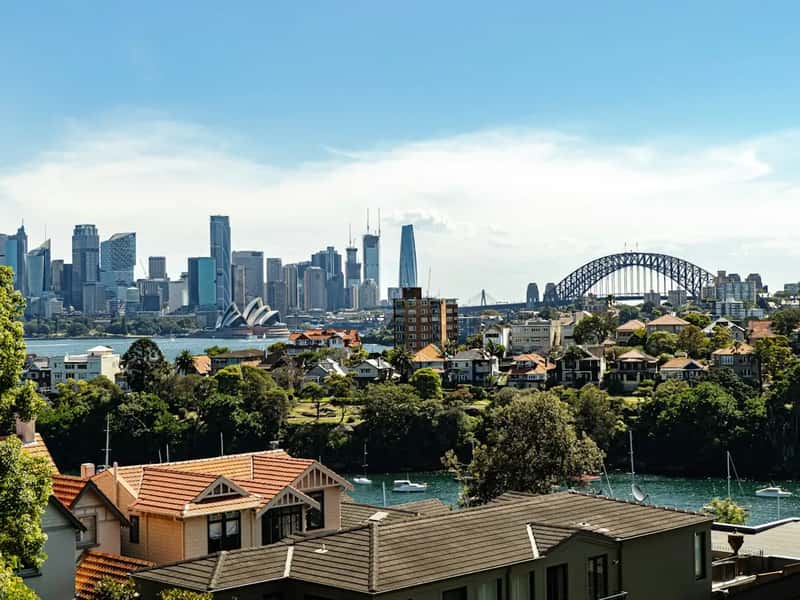
Australia’s barrier targets resale housing. From April 1, 2025, foreign investors generally cannot buy established housing, except in limited cases.[11] The May 2026 federal budget extended the ban through June 2029.[12]
New supply is treated differently. The framework carves out exceptions for new builds, large scale redevelopment, and vacant land[8], which add to housing stock instead of competing for existing homes. A buyer after a cozy older beach house will be disappointed, while one open to a new development has more room.
Switzerland: The Lex Koller Barrier
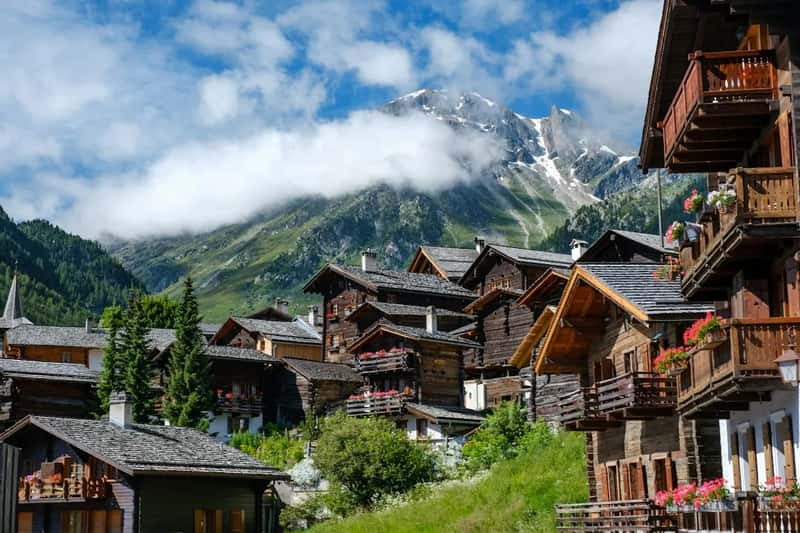
Swiss law is blunt about holiday homes. The federal Lex Koller law bars most nonresident foreigners from buying residential property and caps the number of holiday homes sold to foreigners each year.[12]
It may get tougher. The Federal Council opened a public consultation in April 2026 on tightening the rules further.[13] Measures under discussion include extra permit requirements for citizens of countries outside the EU and EFTA, and stricter rules for resort properties.[11]
New Zealand: A Ban With One Narrow Gap

Since 2018, New Zealand has enforced a broad ban on foreign buyers acquiring residential property.[14] A change that took effect in March 2026 lets holders of Active Investor Plus, Investor 1, and Investor 2 resident visas buy or build one residential property valued at more than NZ$5 million.[15]
For nearly everyone else, nothing has changed. The broader prohibition on overseas persons purchasing existing New Zealand homes remains fully in force.[15] Australian and Singaporean citizens are specifically exempted.[16]
Philippines: Condos Yes, Land No
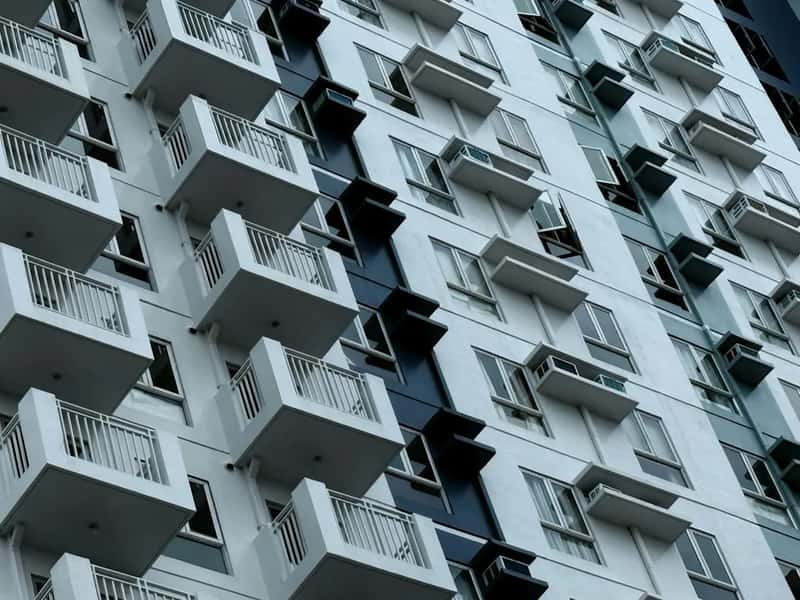
Foreigners can’t own land here. There are three ways to acquire property: buying through a corporation, purchasing a condominium unit, or buying a freestanding house while leasing the land beneath it.[17]
Condos come with their own limit. The Condominium Act bars transfer of a unit to anyone other than Filipino citizens or corporations at least three fifths Filipino owned.[13] In practice, foreign owners hold a share within a building where locals keep the majority.
Indonesia: No Freehold for Foreigners
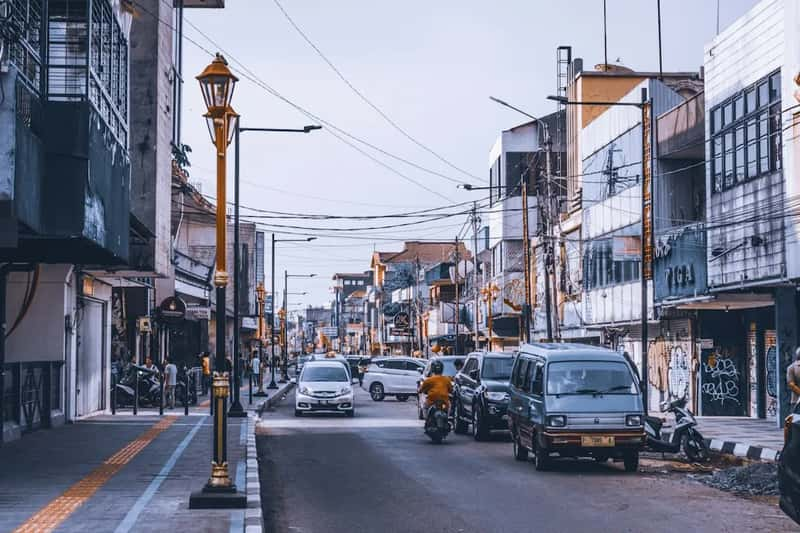
Bali draws plenty of dreamers, though the ownership picture is more complicated than the postcards suggest. Indonesia bars foreigners from freehold, and its strongest title, Hak Milik, is reserved for citizens.[13]
Foreign buyers generally take a right to use title, a lease, or property through an Indonesian company, none of which convey outright ownership of the land.[13] A separate 2026 guide says that Indonesia limits foreigners to apartments and long term use rights.[6]
Cambodia: A Constitutional Ban on Foreign Land Ownership

Cambodia’s restriction sits at the constitutional level. Its constitution forbids foreigners from land ownership, though there are ways around the restriction.[18] One 2026 guide places it among the countries strict with foreign property ownership, where foreigners cannot buy land.[17]
That leaves buyers looking at structured alternatives instead of a simple title in their own name. Anyone considering one should get local legal advice first, because the workarounds depend heavily on how they’re set up.
Denmark: Residence Comes First
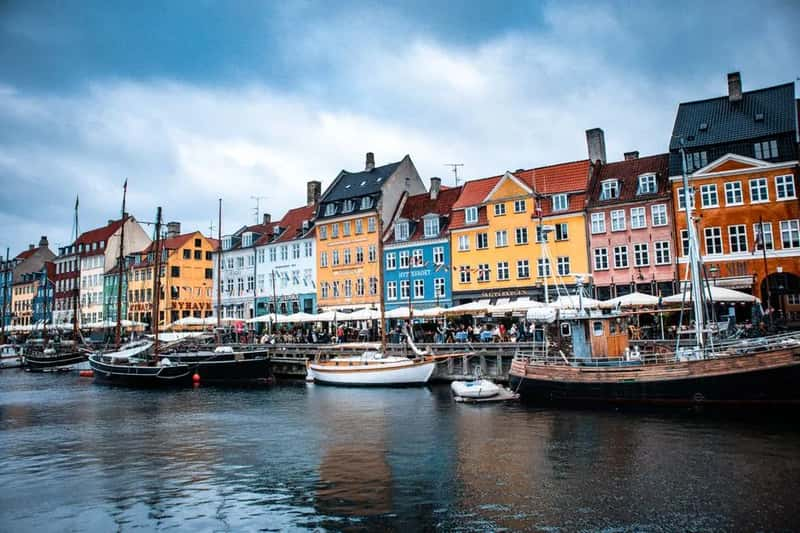
Denmark is the odd one out in Western Europe. According to a European overview, foreigners can only buy property as a permanent residence or place of business if they meet certain conditions, such as having lived in Denmark for at least five years.[19]
The same list allows EU citizens who work in Denmark and citizens of non EU countries who hold a valid residence or business permit.[19] A casual holiday buyer abroad generally falls outside those categories, which is why Denmark ranks among the hardest places for a second home.
Saudi Arabia: New Rules, Designated Zones

Saudi Arabia has just rewritten its approach. A new law that took effect in January 2026 lets foreigners buy in designated zones, with foreign residents able to own one home and extra conditions on Makkah and Madinah.[12]
Costs and penalties are part of the package. The law introduces a combined fee and tax of about one tenth on foreign ownership.[20] Violations could bring fines of up to SR10 million, and properties bought through false information will be auctioned publicly.[20]
Singapore: Foreigners Face a Steep Tax Wall
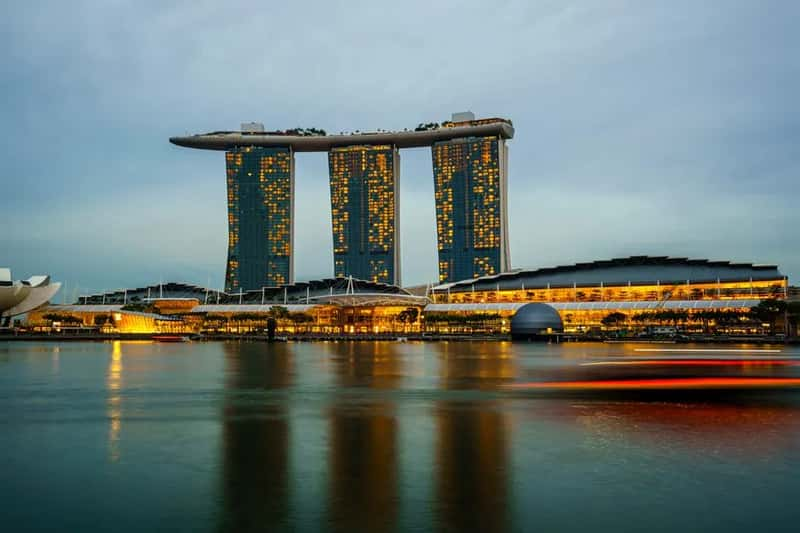
Singapore doesn’t ban foreign buyers outright, but it prices them out. The IMF noted that Singapore doubled the stamp tax paid by foreigners to 60 percent to ease housing pressures.[21] That means an extra charge of roughly three fifths of the price on top of the purchase itself.
The policy fits a wider trend. Attitudes toward foreign ownership of residential properties are shifting in many countries amid concern that local buyers are being priced out.[21] Singapore also has no property based residence route identified in the official sources[3] reviewed by Corporate INTL, so owning a home there doesn’t open a path to living there.