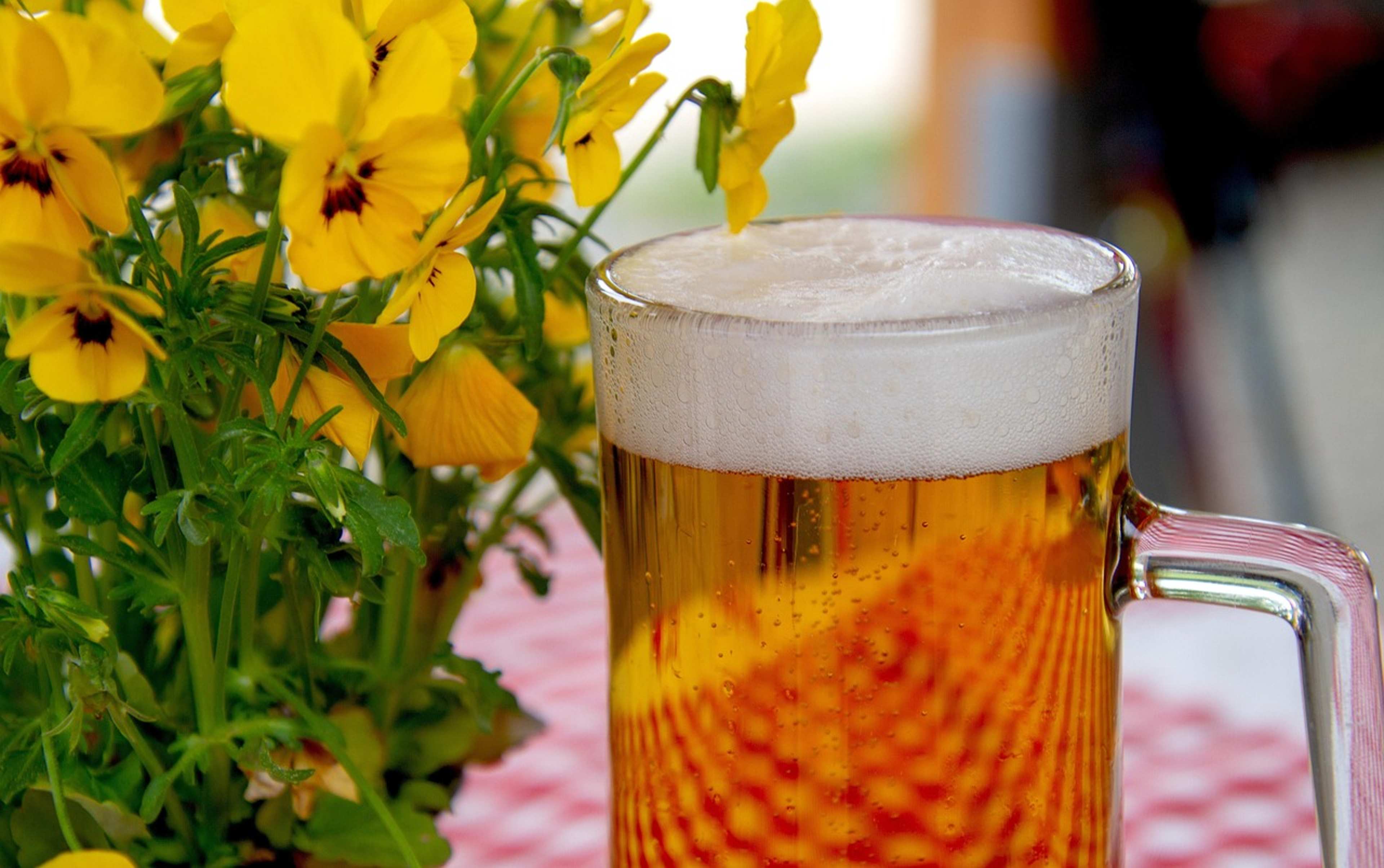

Most travelers expect water to be the cheapest thing on any menu. In a handful of places, the receipt tells a different story. A pint can land on the table for less than a small bottle of mineral water.
The pattern isn’t global, and it isn’t always what viral videos suggest. It depends on local taxes, brewing traditions, and what a venue decides to charge for packaged water. Here’s where the numbers actually line up, and where they don’t.
Prague and the Czech Pub Table
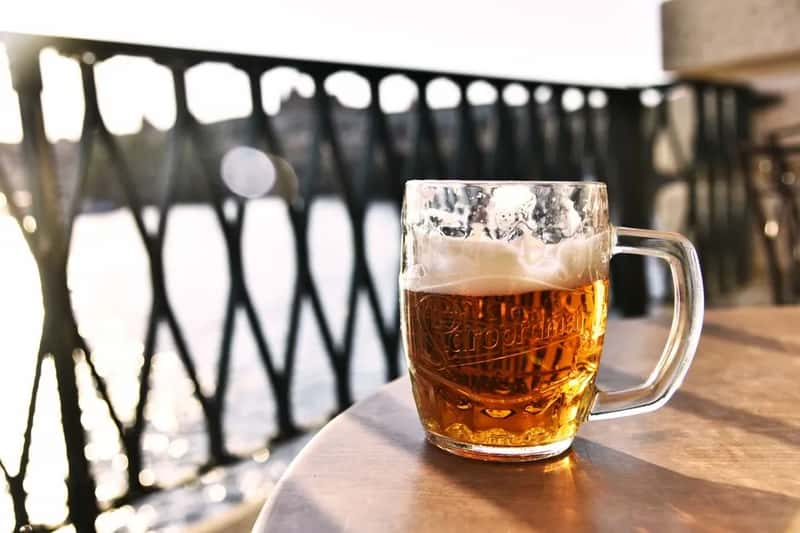
Czechia consumed 152.1 liters of beer per capita, keeping its top ranking for the 31st consecutive year.[1] One travel outlet reports that a glass of beer averages about $2, while bottled water averages about $3.[1]
A 2026 price guide puts a half litre of draught Pilsner Urquell at a genuine neighbourhood hospoda at 45 to 60 CZK, roughly $2.00 to $2.60.[2] The same guide says bottled water at the same table often costs more than the beer.[2] Tourist bars in the Old Town and near Charles Bridge charge 80 to 150 CZK for the exact same beer[2], so the gap shrinks fast near the sights.
Germany’s Everyday Beer Prices
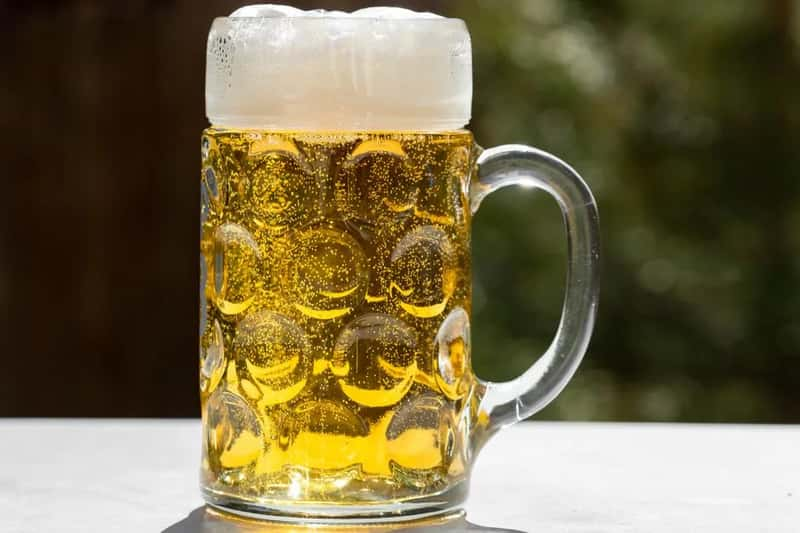
Germany doesn’t make a show of cheap beer, which is partly why it surprises visitors. In a 2025 Deutsche Bank price study, Munich’s average domestic beer came to just $1.18.[3] A separate study of 190 cities, based on Numbeo data, found three German towns, Wuppertal, Bochum and Bochum-Hordel, where a bottle costs as little as 84 cents.[4]
Part of the explanation is scale. A fact check on the topic notes that in countries like Germany, the Czech Republic, Poland and Slovakia, economies of scale keep locally produced beer exceptionally affordable, while hospitality venues charge premium rates for packaged water.[5] In other words, the beer is cheap and the water is marked up.
Hanoi’s Fresh Beer Corners
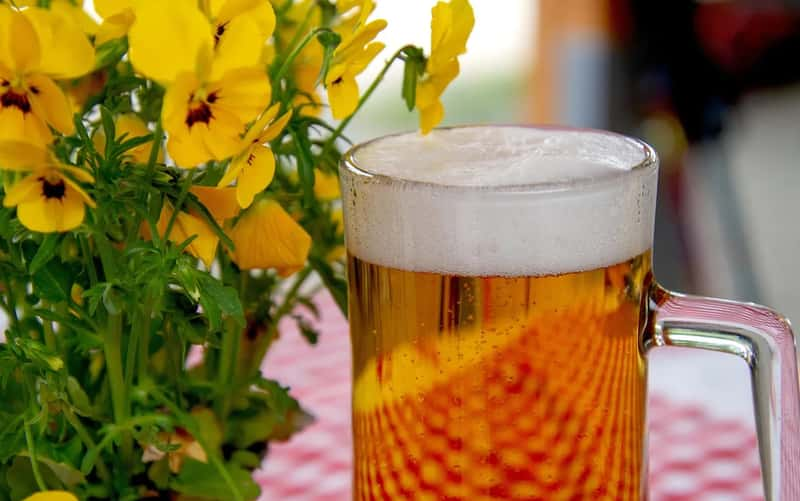
Bia hoi is a light, fresh draught beer sold on plastic stools along Hanoi’s Old Quarter streets. One 2026 price index lists a glass at 10,000 to 15,000 VND, about 38 to 58 US cents, on a Hanoi street corner as of mid 2026.[6] Glass sizes vary, though, since a Hanoi bia hoi glass is roughly 330 ml.[6]
Low pricing has some structural reasons. One local guide says Vietnamese law classifies bia hoi as a fresh food product because of its short shelf life and lack of preservatives.[7] The beer is also light, at approximately 3% alcohol by volume.[8] I couldn’t find a reliable bottled water comparison for Hanoi, so the honest claim here is simply that it’s among the cheapest drinks anywhere.
Dubrovnik and the Tourist Cafe Markup
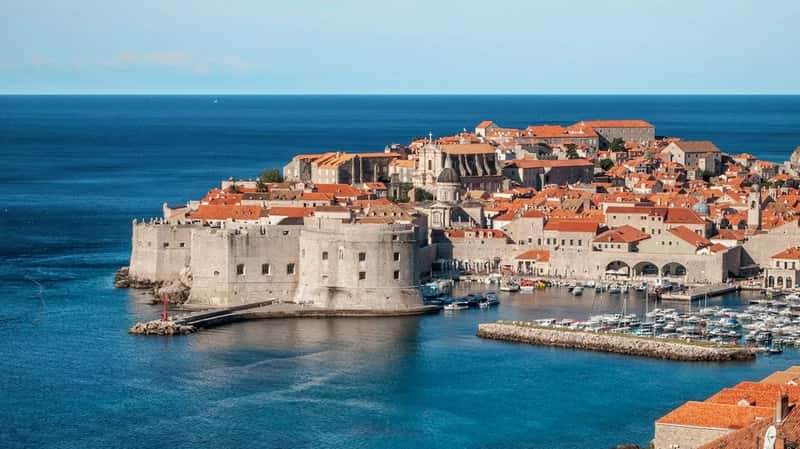
The price flip is easiest to spot in places where visitors outnumber locals. A fact check of a viral European supermarket video found that the inversion typically occurs in dining establishments, bars, and popular tourist destinations, where steep markups are applied to premium bottled still and sparkling water.[5]
Dubrovnik is the example it points to. There, visitors frequently find that a small bottle of branded water costs more than a standard serving of draught or canned local beer.[5] The same report adds that plain table water stays inexpensive in supermarkets and discount chains, so the trick works mostly at the café table.
Southern Italy and Spain
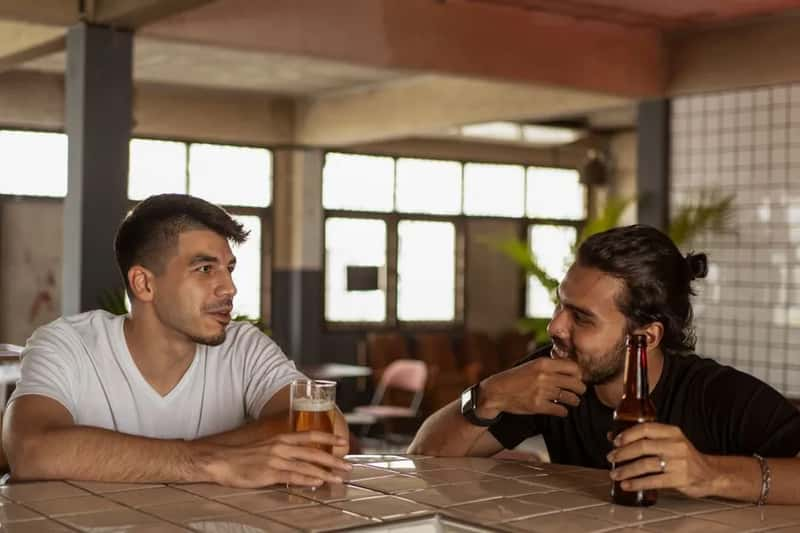
Italy isn’t the first country anyone associates with bargain beer. Yet the Magnet Kitchens study named Taranto, a coastal city in southern Italy, as the most affordable place to buy beer, with a bottle costing 65p (77 cents).[4] In third place was Zaragoza in northeastern Spain, where a beer costs around 72p (85 cents).[4]
A travel blogger also reported that in Naples, several bars in the Piazza Bellini area offer bottles of Peroni for just one Euro.[9] That’s one person’s account rather than a formal survey, so prices may have shifted since.
Central Europe’s Bargain Belt
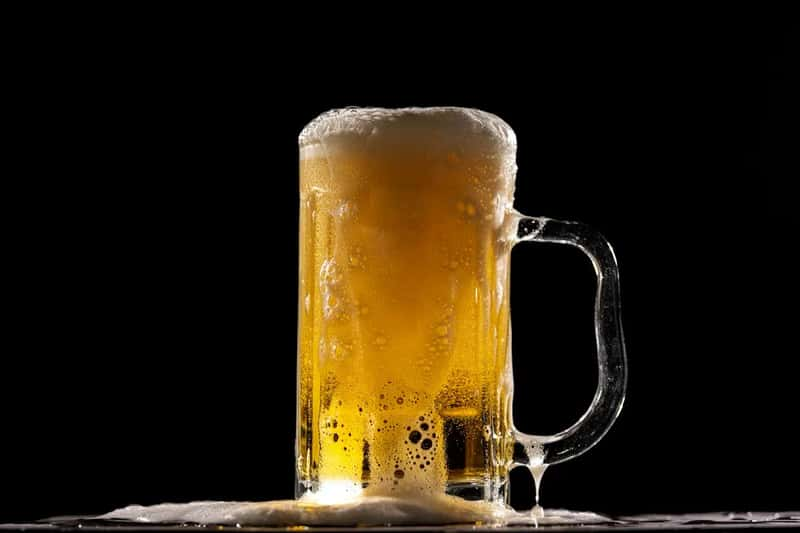
Prague isn’t the only cheap stop in the region. A Visual Capitalist ranking of 2025 prices noted that across Europe, Ireland has the priciest pours at $3.33 a bottle, while Prague offers the cheapest at just $1.06.[10]
An older consumer study found it costs less than 50 cents to buy a bottle of beer in Pakistan, Slovakia, Sri Lanka, and Hungary.[11] That data is a few years old, so treat the exact figures as a rough guide. A 2015 comparison showed how wide the shop and bar gap can be: in Krakow, a bottle cost just $0.62 in a supermarket, rising to an average of $2.70 in a bar.[12]
South Africa’s Supermarket Shelves
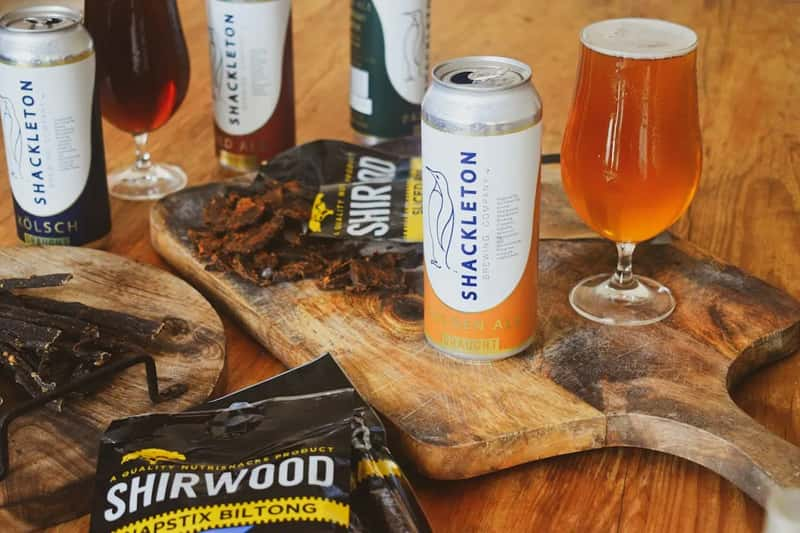
South Africa often turns up in lists of the world’s cheapest beer countries. One 2026 ranking says several beers show up in supermarkets, and many of them cost less than a dollar.[13] It adds that some people believe South Africa has beer that is cheaper than water.[13]
That last point is worth reading carefully, since it’s a belief rather than a measured finding. An earlier Expensivity comparison of 58 countries still put South Africa at the low end, with an average price of $1.68 per bottle.[14] Cheap, yes. Cheaper than water depends on which water you buy and where.
The Quirk in American Supermarkets
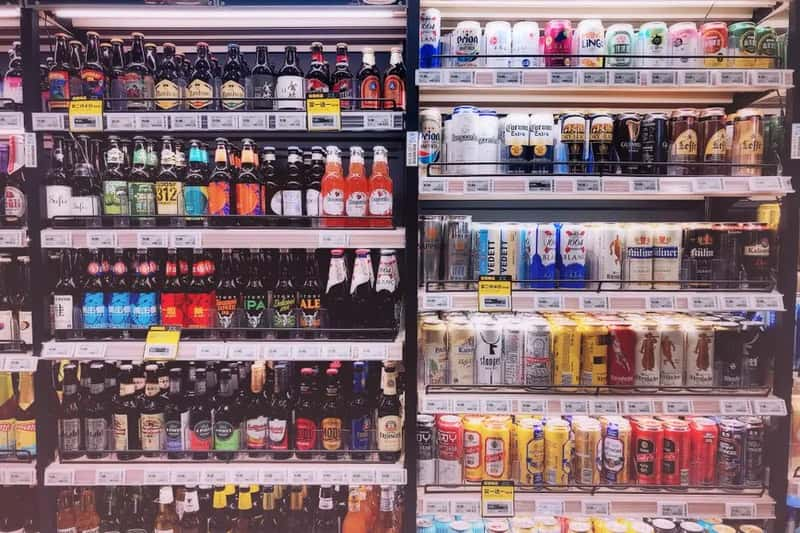
The effect isn’t limited to far flung destinations. A consumer price study found that in the U.S., a 12 ounce bottle of Bud Light at $1.34 is cheaper than a 1.5 liter bottle of water at $1.86.[11] The volumes differ a lot, so this is a loose comparison.
Britain has a history of the same thing. A 2007 NPR report noted that beer costs less than bottled water and soda in many British supermarkets.[15] That report is nearly two decades old, and current supermarket prices would need checking before you rely on it.
Where the Trick Doesn’t Work
Plenty of famous destinations go the opposite direction. According to the fact check, in Nordic countries like Norway and Iceland, as well as Switzerland, high excise taxes and strict alcohol regulations make beer substantially more expensive than water.[5] Norway is a good example, since many Norwegians stock up in Sweden on weekends[16] to avoid its high beer taxes.
Asia and Oceania have their own expensive spots. In 2025 pricing, a beer in Singapore costs $4.27, driven in part by excise taxes[10], and a bottle can run as high as $4.75 in Sydney.[10] On those streets, water is clearly the cheaper order.
The Bottom Line on Beer and Water
Beer undercuts water in a real way at neighbourhood pubs in Czechia, in cafés where water is marked up in tourist cities like Dubrovnik, and at street corner stalls in Hanoi. It also shows up in some supermarkets in Germany, Italy and South Africa, though results vary by store and brand.
Nordic countries and Switzerland reverse the pattern entirely. Prices also drift, as Prague’s move from about 30 CZK to a typical 55 to 80 CZK in 2026 shows. Check the local menu before you assume.