There’s a particular kind of retiree who doesn’t show up in glossy expat blogs or viral TikTok house tours. They aren’t chasing a cheaper grocery bill. They already have enough money to live comfortably almost anywhere, and what they’re really shopping for is tax efficiency, privacy, and a slower pace that their old zip code couldn’t offer. This group tends to move quietly, often through investment visas or specialized tax regimes rather than backpacker forums, and their decisions are shaping migration patterns in some unexpected corners of the world.
The data backs this up in a subtle way. Government pension records show a steady climb in Americans drawing Social Security from abroad, and immigration lawyers in several countries report a distinct uptick in applications from retirees with real assets, not just modest pensions. Here are six countries where that quieter, wealthier wave of American retirees keeps landing.
Portugal: Europe’s favorite, even after the tax perks shrank

Portugal has been the default answer for Americans dreaming about Europe for years, and the appeal hasn’t faded even though the rules have shifted. The country’s old golden ticket, the Non-Habitual Resident program, closed to new applicants as of January 1, 2024, with a replacement regime called IFICI taking over on January 1, 2025, offering a 20% flat rate on qualifying income[1]. Anyone approved before the cutoff kept their original ten-year benefit window, which means a meaningful number of earlier arrivals are still enjoying the old deal.
Wealthier retirees typically still use the Portugal Golden Visa for investors, which requires a significant investment in Portugal starting at €200,000[2], rather than the income-based D7 visa most middle-income retirees rely on. What keeps drawing money in isn’t tax arbitrage anymore so much as lifestyle and mobility. Portugal remains among the top five destinations Americans choose to retire in Europe, prized for its accessibility, cost of living, and quality of life[3], and the Golden Visa’s light residency requirement makes it easy to keep a foot in both countries.
Italy: a 7% flat tax that just got bigger
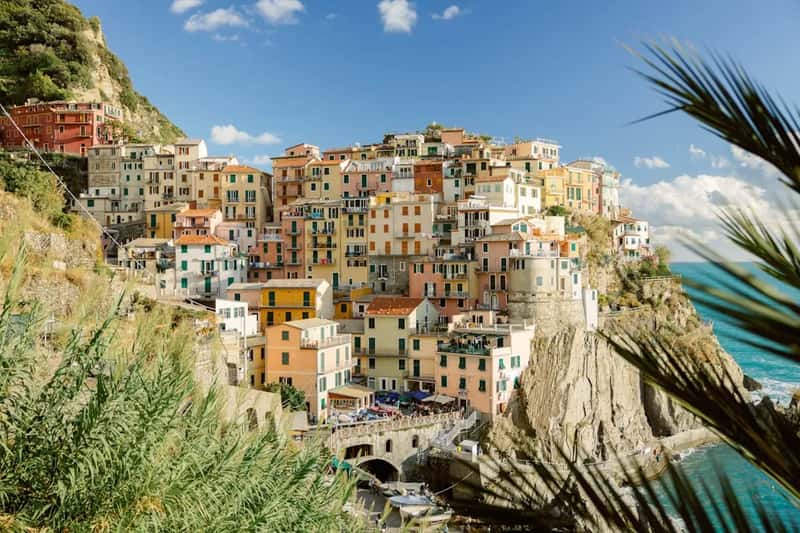
Italy’s pitch to wealthy foreign retirees is almost absurdly simple on paper. Under a regime first introduced in 2019, retired people living in foreign countries who move to Southern Italy can have all income sourced outside Italy subject to a 7% substitutive tax[4]. That single rate replaces Italy’s ordinary progressive brackets, which climb far higher for high earners, and it covers pensions, foreign dividends, rental income, and capital gains alike.
The program just expanded its reach in a big way. As of April 7, 2026, the population threshold to qualify for the flat tax regime rose from 20,000 to 30,000 residents, unlocking 74 new municipalities across Southern Italy[5]. For a retiree with a comfortable pension or investment income, the arithmetic is compelling. On a foreign pension of 30,000 euros a year, ordinary taxation would take roughly 7,000 to 8,000 euros, while under the 7% regime the tax is just 2,100 euros[6]. Eligibility still hinges on holding a genuine foreign pension and not having been an Italian tax resident during the prior five years, but for those who qualify, the savings compound year after year for a full decade.
Greece: from afterthought to the top of the list

Few people saw Greece coming as a serious retirement heavyweight, yet that’s exactly what happened. International Living’s 2026 Global Retirement Index ranked Greece number one for the first time in the index’s history, with a 90.1 score topping the index across healthcare value, visa access, cost of living, and climate[7]. That’s not just a marketing headline; it reflects a genuine shift in how retirees, especially those with real assets to protect, are weighing their options.
Greece courts wealthier arrivals through two main channels. There’s the Financially Independent Person visa, which carries a monthly income threshold around €3,500 and comes paired with a 7% flat tax regime for retirees[8], and there’s the Golden Visa route for those preferring an investment path. The Golden Visa requires a €250,000 real estate investment, rising to €400,000 or more in some zones, but it unlocks Schengen-wide travel[9]. Combined with a genuinely lower cost of living and a climate that rarely disappoints, it’s easy to see why Greece jumped the queue.
Malta: small island, serious tax planning

Malta doesn’t get the same headline treatment as Portugal or Greece, but it has quietly built a reputation among retirees who care more about certainty than novelty. The island offers permanent residency by investment alongside a tax structure that taxes remitted foreign income rather than worldwide income outright. Malta taxes retirees at 15% on remitted foreign income under its residency programs[10], a structure that appeals to people managing diversified investment portfolios rather than a single pension check.
English is an official language, the healthcare system is well regarded by European standards, and the country’s small size means bureaucracy tends to move faster than in larger EU nations. Monthly living costs for a comfortable retirement land in the same range as Spain or Italy, generally between two thousand and three thousand dollars for a couple. For Americans who want EU access without the complexity of a country the size of Portugal or Spain, Malta functions almost like a boutique version of the European retirement dream.
Panama: territorial taxation and a visa that barely asks for anything

Panama has long been the practical choice for Americans who want their money to go further, but it also quietly attracts wealthier retirees for a very specific reason: its tax system. For retirees where tax simplicity matters most, Panama’s territorial taxation means US retirement income is not taxed locally, keeping the structure clean[11]. That single feature, more than any beach or discount card, is what pulls in people with substantial outside income who don’t want a second government taxing money they already paid tax on once.
The Pensionado visa itself is famously easy to qualify for. The program grants residency on $1,000 a month in lifetime pension income, and US Social Security qualifies[12], which means even retirees who could easily afford a pricier country choose Panama simply because the paperwork is light and the tax exposure is minimal. Add in senior discounts on everything from movie tickets to utility bills, plus a dollarized economy that removes currency risk, and it’s a rational pick even for people who don’t need to pinch pennies.
Uruguay: the anchor for quiet wealth in South America

Uruguay rarely makes viral retirement listicles, and that’s sort of the point. It has become the go to landing spot for wealth that wants stability more than flash. The country is the primary destination for high-net-worth capital exiting Argentina, as well as a steady stream of Brazilian wealth seeking lower volatility, and it’s increasingly mentioned alongside Panama and Costa Rica as a Latin American base for family offices and entrepreneurs[13].
For American retirees specifically, Uruguay’s residency path leans toward those with somewhat higher passive income than its Central American counterparts. Uruguay’s Rentista visa requires around $2,700 a month[12], noticeably above Panama’s or Costa Rica’s thresholds, which naturally filters toward a wealthier applicant pool. In exchange, retirees get one of the region’s most politically stable countries, a strong rule of law tradition, and a currency and banking system that has historically weathered regional turmoil better than most of its neighbors.