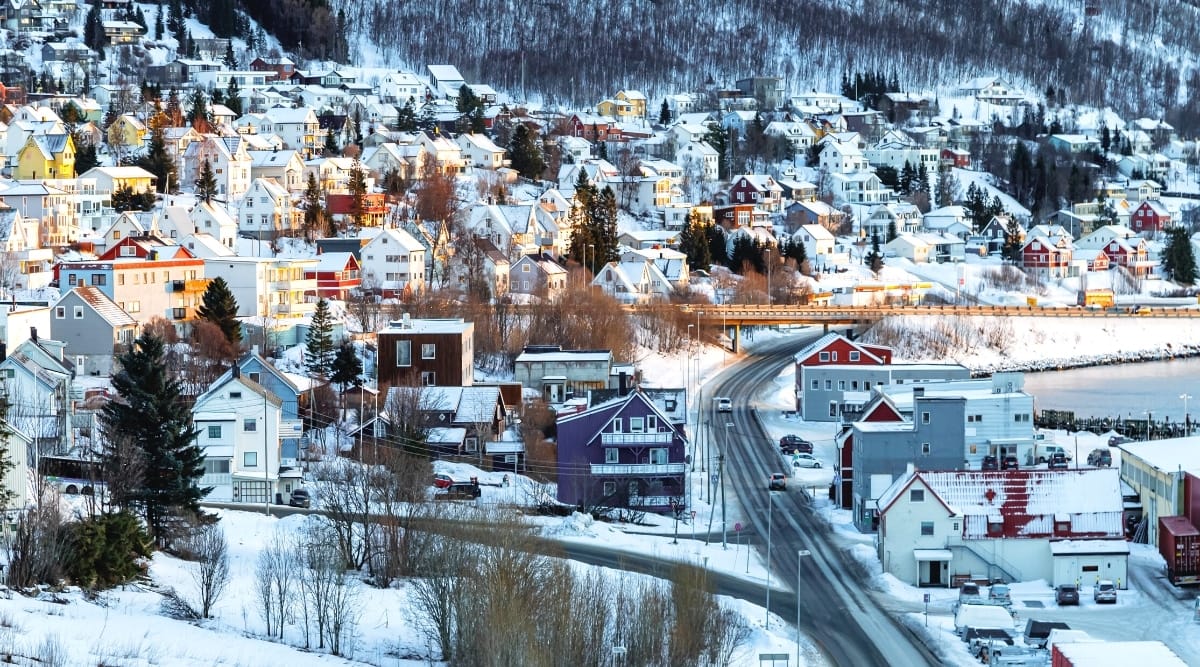
For generations, a summer holiday in Europe meant heading south. Beach towels, terrace lunches and long evenings in the Mediterranean were the default. In the past few summers, though, a growing number of travelers have looked at the forecast for Spain, Italy or Greece and booked a flight to Oslo, Helsinki or Copenhagen.
The habit has a name now, and it has moved from travel magazines into everyday planning. The reasons are a mix of weather, money and changing taste, and the data behind them is more nuanced than the headlines suggest. Here’s what the 2024 to 2026 evidence shows.
What Coolcationing Actually Means
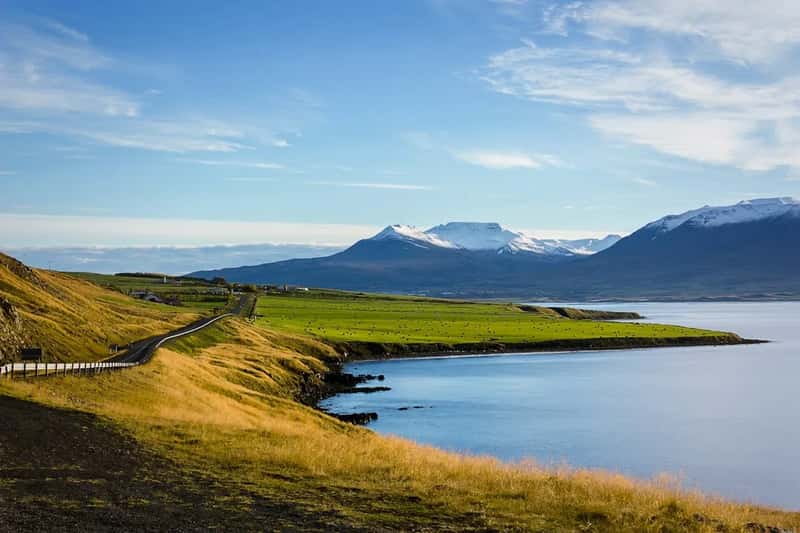
A coolcation is a holiday planned around a comfortable climate rather than a hot one. It usually means a summer trip to a northern destination such as Iceland, Norway or Finland instead of a hot southern beach.[1] The appeal is mild air, long daylight and time outdoors without heat stress.
The word has gone mainstream. Collins English Dictionary now carries an entry for it.[2] Travel writers often describe the sweet spot as summer averages of roughly fifteen to twenty two degrees Celsius, a range that fits Scandinavia, Iceland, Scotland, Canada and New Zealand.[3]
The Heat That Pushed Travelers North
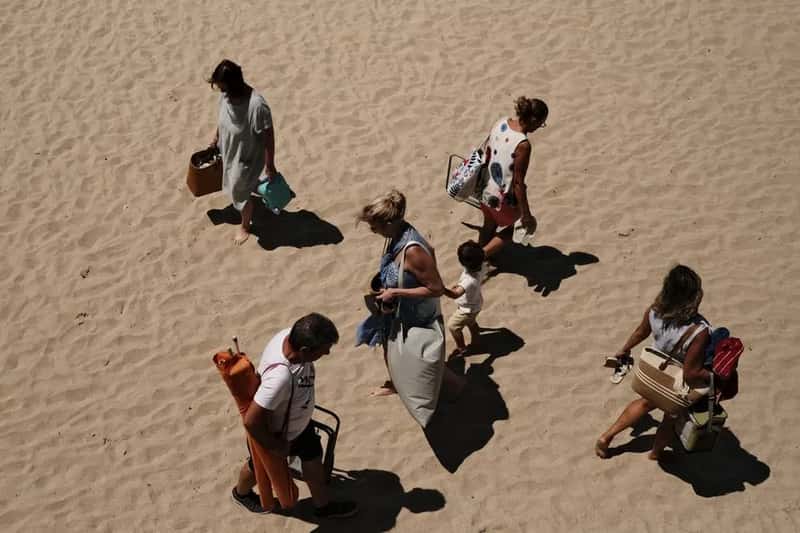
Climate data explains much of the shift. In late June 2025, the average temperature across much of western Europe, including Spain, Portugal, France and the United Kingdom, was the hottest for that time of year since at least 1979.[4] Copernicus also reported that parts of Spain saw up to 24 tropical nights in June, eighteen more than usual.[4] Those are nights when the temperature never drops below 20 degrees Celsius.
Summer 2026 continued the pattern. Copernicus ranks it as the third warmest on record for Europe as a whole and the warmest on record for western Europe.[5] An early heatwave in May brought records too, as Portugal, the UK and Ireland recorded their highest May temperatures ever observed, and France had its hottest May day on record nationally.[6]
What Booking Data Shows for Nordic Cities
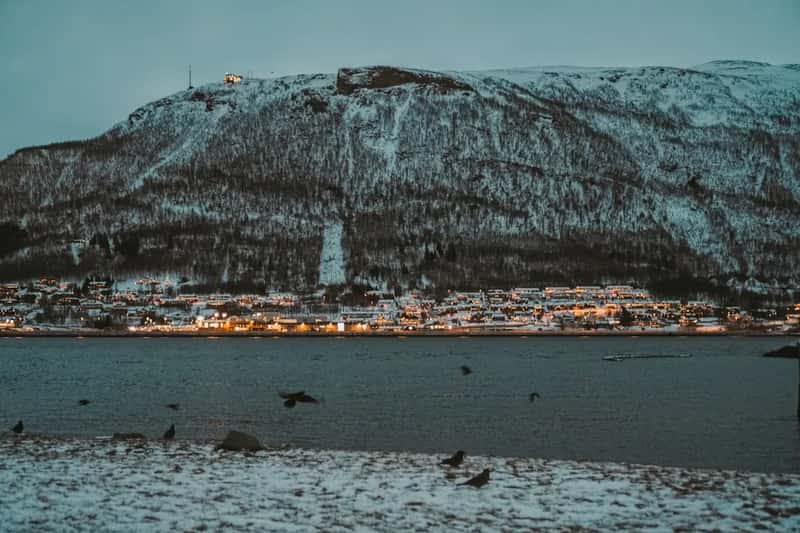
Search and booking figures for 2026 point in the same direction. Travel agency Fora reported summer booking growth for Nordic capitals: Oslo climbed 154 percent year on year, Helsinki 124 percent, Stockholm 90 percent and Copenhagen 78 percent.[2] In plain terms, Oslo and Helsinki bookings more than doubled, and Stockholm came close.
Search behavior moved even faster after heat hit home markets. Euronews reported that hotel searches for Copenhagen on the French version of Hotels.com rose by 246 percent after France’s first heatwave in May.[2] That is more than a tripling, though searches are not the same as completed stays, and these figures come from individual platforms rather than a single industry census.
Record Years Were Already on the Books
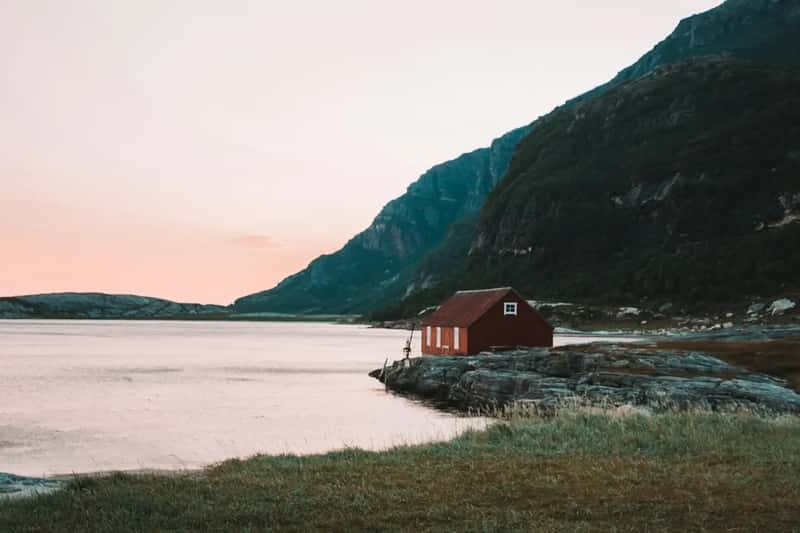
Official statistics show the momentum began before the 2026 buzz. Scandinavian national reporting shows about 72 million guest nights in 2025, up a little over four percent from 2024, with foreign guest nights rising by roughly one tenth.[7] Norway alone hit 40.6 million overnight stays, another all time record.[8]
Sweden’s peak season was strong as well. June to August 2025 brought about 30.8 million guest nights on commercial accommodation, described as a record for the summer period.[7] One caution applies, since guest nights count nights at registered accommodation, not unique visitors, so one traveler can generate many nights.[7] The numbers show growth, but not exactly how many people were escaping the heat.
Finland and Norway Draw More Foreign Visitors
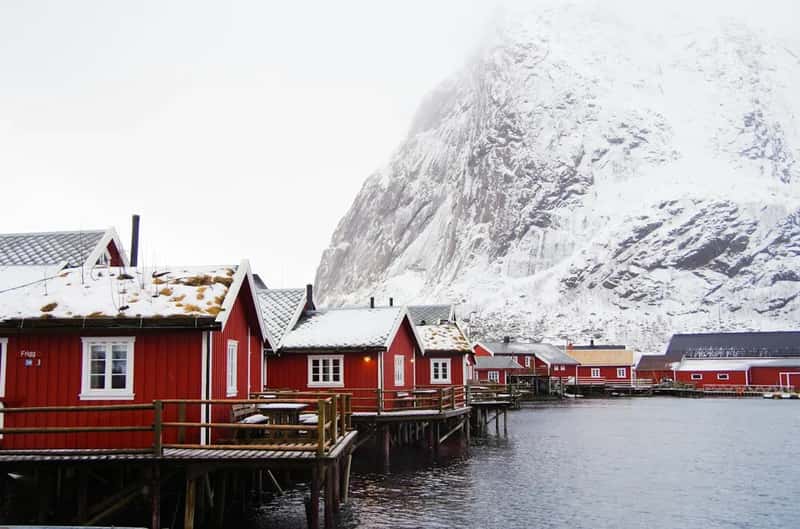
Finland is a good example of how international demand has carried the growth. The country recorded a record 7.2 million foreign overnight visits in 2025, up about twelve percent.[9] Statistics Finland also counted roughly 23.3 million overnight stays in total.[10]
Norway shows a similar picture. It welcomed a record 7.196 million international visitors in 2025, passing seven million for the first time.[11] Germany was the top contributor, with a record 2.56 million overnight stays.[11] Those numbers cover the whole year, so summer is only one part of the story.
Forecasts, and How to Read Them
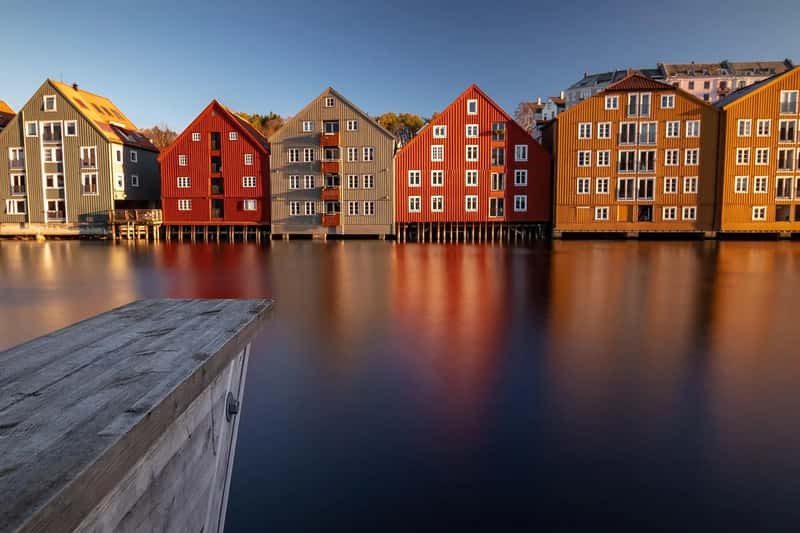
The figure you’ll see most often is a projection that Scandinavia travel could grow by as much as about one third in 2026. It comes from analysis by car rental company Sixt, which says the rise is mainly driven by the popularity of coolcations.[12] Since it is a forecast from a company with a commercial interest in travel, it works better as a signal than as a final tally.
Airline data offers a second angle. Scandinavian Airlines reports passenger volumes to the region are up by more than a tenth year on year.[8] Some smaller travel sites repeat bigger claims, such as millions of extra visitors, without clear sourcing, so it’s wise to trust official statistics and airline reporting first.
Who Is Going and Where They Land
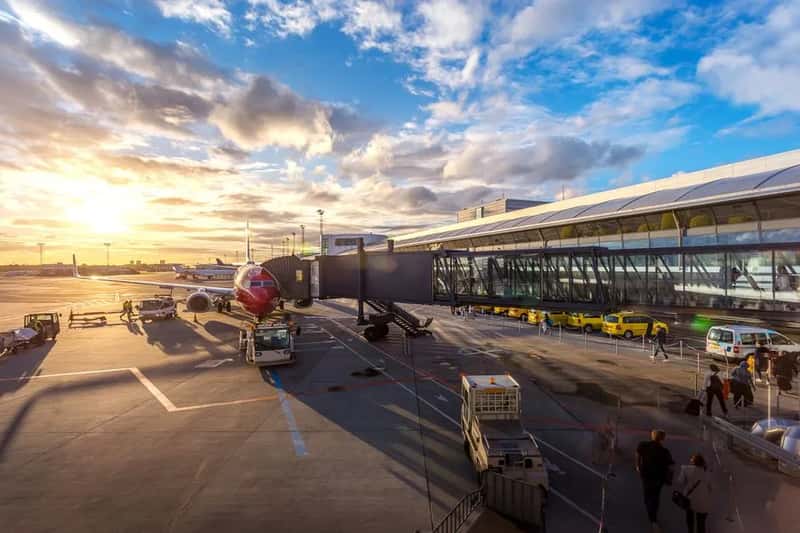
The audience is broader than heat sensitive retirees. European travelers still lead, especially Germans, while long haul demand from the United States is becoming a more important part of the growth.[8] Many of those visitors route through the same hub. SAS says Copenhagen remains the primary international gateway connecting overseas visitors with the wider Nordic region.[10]
From there, itineraries fan out. Popular stops include Svalbard, Tromsø, Kiruna, Finnish Lapland, Iceland’s Golden Circle and Denmark’s coastal towns.[10] Finland has an added draw this year, since Oulu is the country’s European Capital of Culture for 2026.[13]
Crowds, Costs and the Mediterranean’s Staying Power
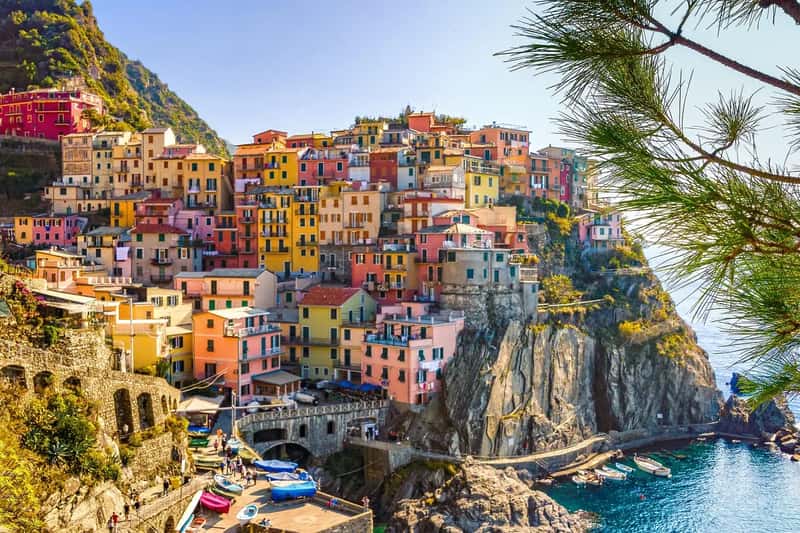
Popularity brings pressure. Some coverage notes that smaller cities such as Reykjavik and Bergen were not built for high volume summer tourism, and officials have begun warning about overtourism.[1] Suggested workarounds include looking beyond the headline spots to places like the Icelandic Westfjords or inland Finland.[1]
The Mediterranean is not emptying, either. Madrid saw tourist arrivals rise 17.4 percent year over year in the first five months of 2026.[14] SAS itself frames the Scandinavian surge as not about replacing beach vacations, but about travelers adding new kinds of experiences.[8] Others are simply shifting southern trips to spring or autumn.
Practical Tips for a Northern Summer
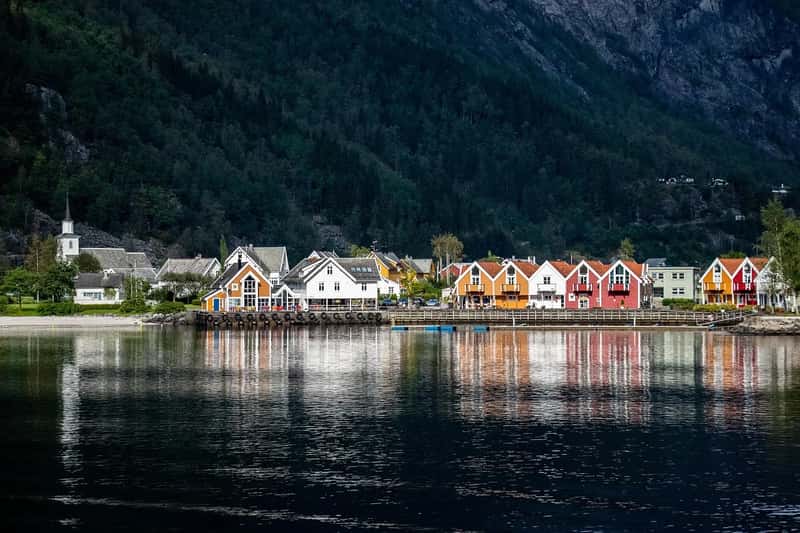
Book early. Nordic hotel rooms in peak season can be scarce, and experts advise securing Scandinavian stays ahead of time to guard against peak season rate hikes.[15] Flexibility helps too, since a quiet town an hour or two from the famous fjord or capital often costs less and feels calmer.
Pack for changeable weather. A cool summer still means rain now and then, so lightweight layers and a rain jacket are the standard advice for northern Europe.[15] For a first trip, Norway is a common starting point for dramatic scenery, while Helsinki and Copenhagen suit shorter city breaks with easy transit.