There’s a new kind of vacation sweeping through the travel world right now. It’s quieter than the summer hotspots we all used to flock to.
Cooler, too. Literally.
As rising temperatures and overcrowding continue to impact popular destinations, the coolcation trend of opting for cooler, less-crowded places continues to gain traction, and Canada has emerged as one of the most surprising winners. While places like Greece and Spain are grappling with scorching heat waves that make August unbearable, Canada’s temperate climate and vast wilderness are pulling in travelers who want something different. Something refreshing.
Heat Waves Are Pushing Travelers North

Let’s be real: summers in Southern Europe aren’t what they used to be. The European Commission published a Joint Research Centre study projecting that climate change will reshape tourism in Europe, with southern coastal regions likely to lose almost 10% of their visitors in hotter summers under 3 degrees C and 4 degrees C warming scenarios, while northern coastal areas attract more demand. It’s hard to say for sure, but extreme weather is now a genuine concern for people planning vacations.
Travelers 35 years and older showed that 53% of older Millennial, Gen X and Baby Boomer North American travelers said extreme summer heat was influencing their international travel plans, with 69% saying they would be interested in traveling to a destination with cooler temperatures from June-August. The top cooler destinations favored include the Rocky Mountains (United States and Canada), the Nordics (Denmark, Sweden, Norway and Finland), and Australia or New Zealand. Canada’s showing up on lists everywhere, and it’s not an accident.
Canada’s Tourism Numbers Are Exploding
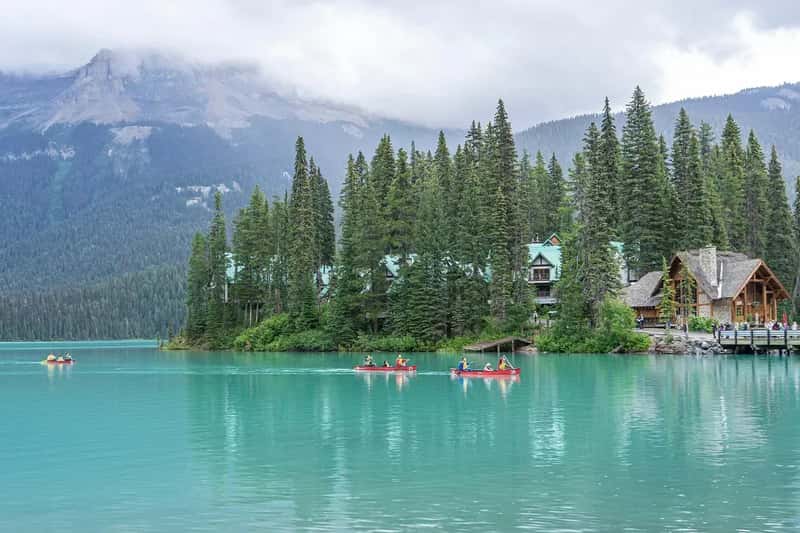
The stats don’t lie. Overnight domestic trips reached 105.6 million in 2024 (up 8.8% from 2023), and overnight non-resident arrivals totalled 19.9 million (up 8.6%). That’s substantial growth.
In 2024, spending in Canada climbed to $49.4 billion, representing a 28.3% increase from the previous year, which totalled $38.5 billion. In 2024, tourism demand surpassed the pre-pandemic level of 2019 (up 3.3%) for the first time and was the highest on record since the beginning of the current data series in 1986. Tourism isn’t just recovering in Canada. It’s thriving.
What’s driving this surge? Climate definitely plays a role, though it’s not the only factor. The Canadian dollar has also helped. Depreciation of the Canadian dollar against the U.S. currency makes Canada a more attractive destination for American tourists, while simultaneously making international travel more expensive for Canadians. Everything from hotel rooms to meals is roughly about a third cheaper for Americans visiting Canada compared to staying home in certain cases.
The “Coolcation” Concept Is Reshaping Travel
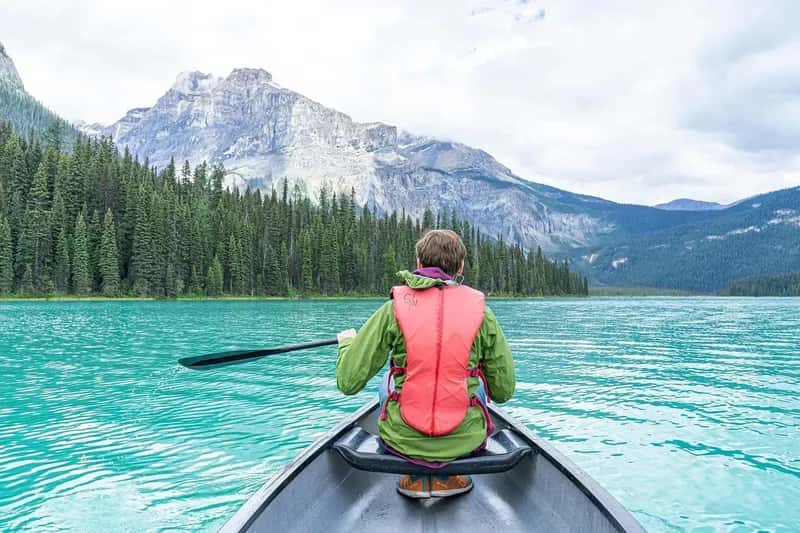
The term, first coined in 2024, doesn’t necessarily mean swapping summer for winter, though it can, but more so, it can also mean embracing destinations during times when the air is fresh, fewer crowds exist, making for quieter experiences and stunning seasonal transformations are underway. Coolcations are becoming more than just a catchy phrase.
Coolcations are green options, too, with the formerly-known-as-shoulder-season being a sustainable choice as it eases the strain on over-visited areas and promotes responsible tourism. Travelers are choosing places that don’t just offer cooler weather, but also authentic experiences without the chaos of peak-season crowds. Canada fits that description perfectly.
Flights to Iceland, Finland, Denmark, Sweden and Norway are soaring, and remote spots like Denmark’s Faroe Islands, Norway’s Svalbard archipelago and Greenland are becoming Insta-stars. Canada’s competing with these Nordic destinations now, and honestly, it’s winning in several categories.
What Makes Canada Such a Strong Coolcation Pick?
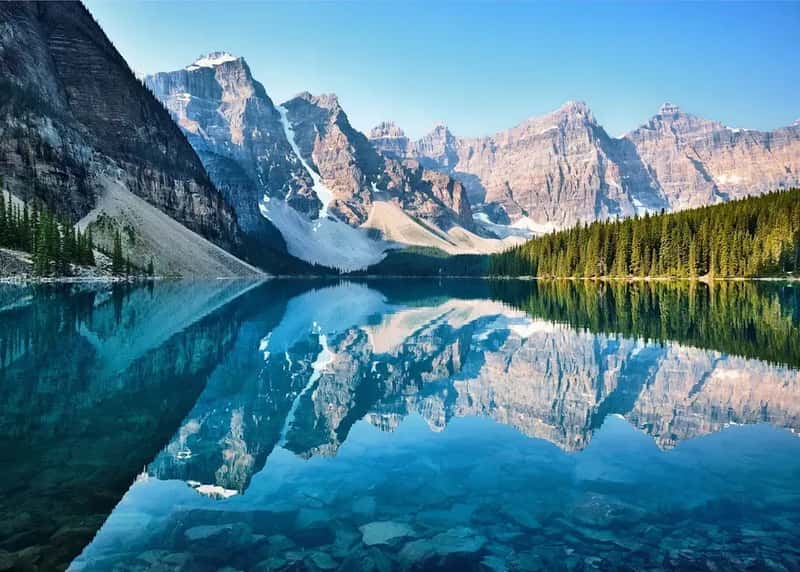
Canada offers landscapes that look like they’ve been pulled straight from fantasy novels. Turquoise lakes. Glaciers. Endless forests. Wildlife encounters you can’t stage.
Cooler destinations such as the Nordics, Canada and Scotland offer not only breathtaking scenery and a host of exciting outdoor and adventure activities but also champion sustainable tourism, with immersive experiences such as glacial dips, fjord hikes and midnight sun adventures making these holiday spots stand out even more. The appeal is undeniable.
Airbnb reported a nearly 20% increase in domestic travel searches, and according to a survey by TD Bank Group, 64% Canadians plan to travel domestically. Canadian residents themselves are discovering their own backyard. Domestic tourism is exploding alongside international interest. There’s something uniquely compelling about a country that even its own citizens are exploring more enthusiastically.
A Tourism Boom That Keeps Growing

Canada’s Travel & Tourism sector was forecast to contribute almost $183BN to the economy in 2025, setting a new record and continuing the country’s impressive growth streak, according to data from the World Travel & Tourism Council. The sector was also set to support 1.8MN jobs that year.
Tourism isn’t just a nice bonus for Canada’s economy anymore. It’s a cornerstone. The ripple effects touch everything from small-town bed-and-breakfasts to major hotel chains in cities like Toronto and Vancouver.
In 2025, domestic visitor spending was projected to reach nearly $104BN, more than double the year-on-year growth of the previous year (8.3%). People choose to explore Canada over flying to Europe or the Caribbean. That shift mattered. It signaled changing values around travel, with sustainability, authenticity, and climate comfort all playing into decision-making at the time.
What do you think about this trend? Would you trade a beach vacation for a mountain escape in Canada? The numbers suggest many already have.