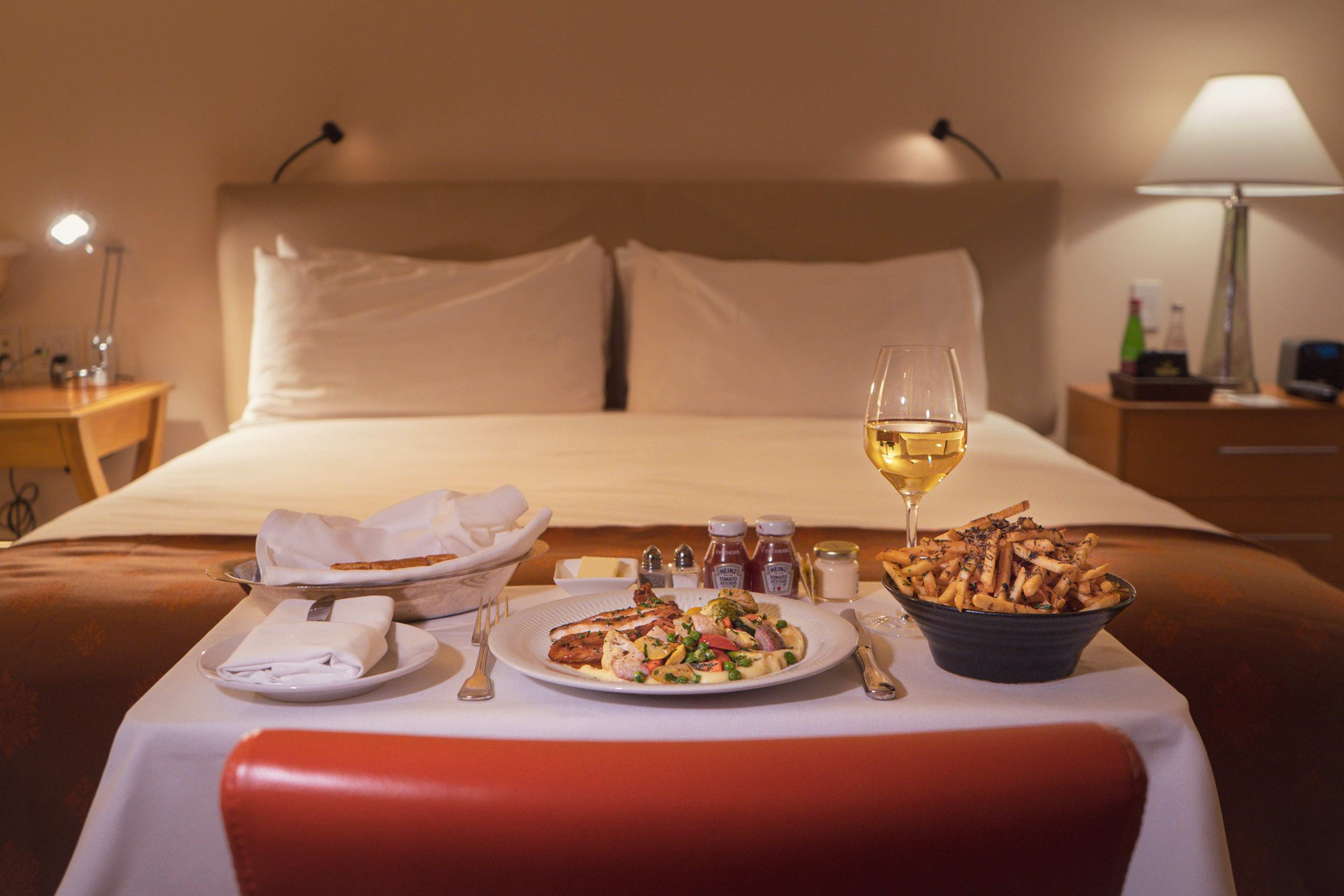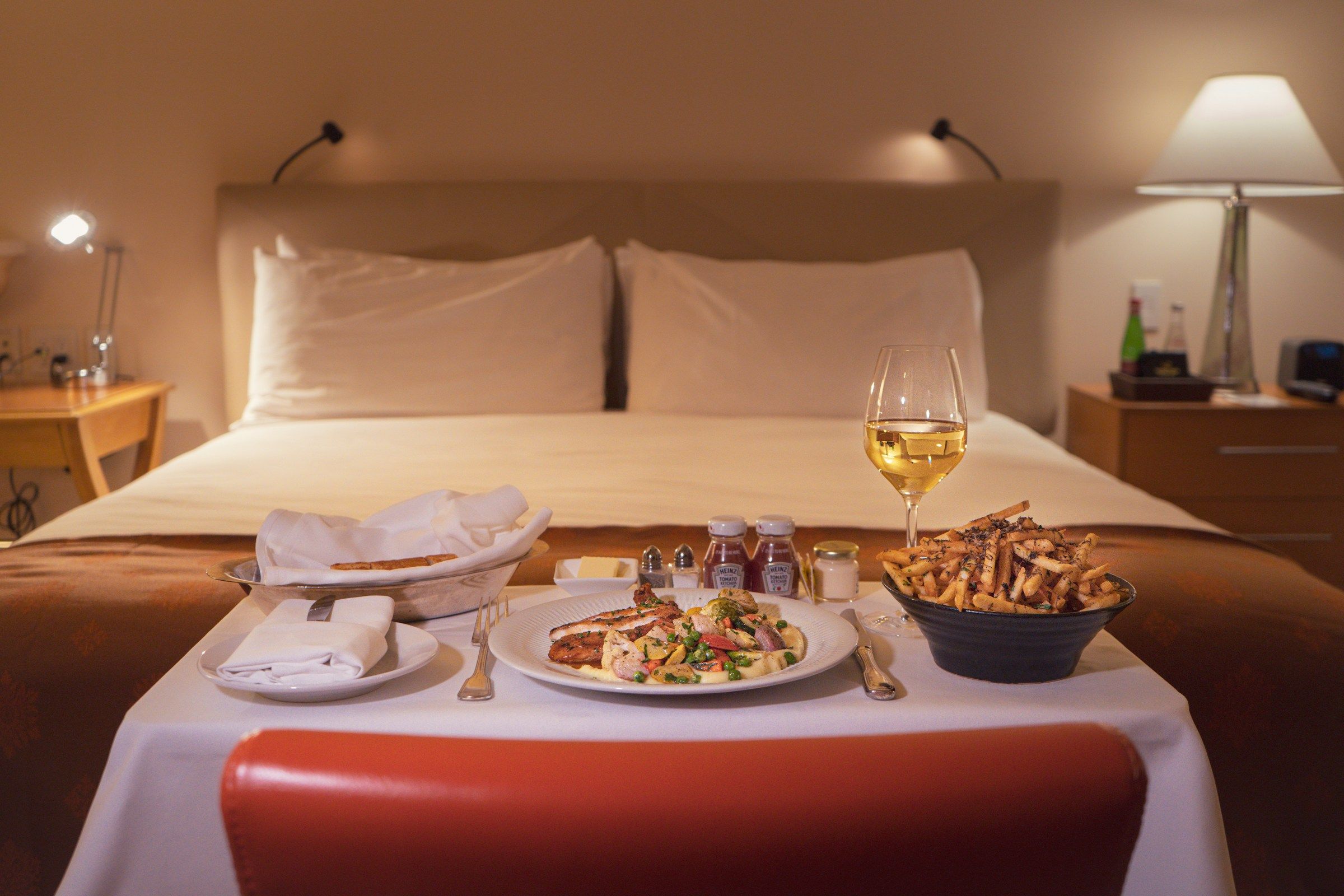
There’s a particular kind of hope that comes with picking up a hotel phone and dialing zero for room service. You’ve had a long day, the mini bar looks unpromising, and the idea of someone bringing hot food to your door feels almost luxurious. Ask around in hotel kitchens, though, and you’ll hear a different story, one where certain menu items are quietly understood as traps for guests who don’t know any better.
Chefs and former hotel staff who’ve worked the overnight and breakfast rushes tend to agree on a short list of dishes that rarely survive the trip from kitchen to room in decent shape. Some fall apart because of simple physics, heat and time do not treat every food equally, while others suffer because of how hotel kitchens are actually staffed at 2 a.m. or during the breakfast crush. Here’s what the people cooking that food say to leave off your order.
Pasta with any kind of sauce
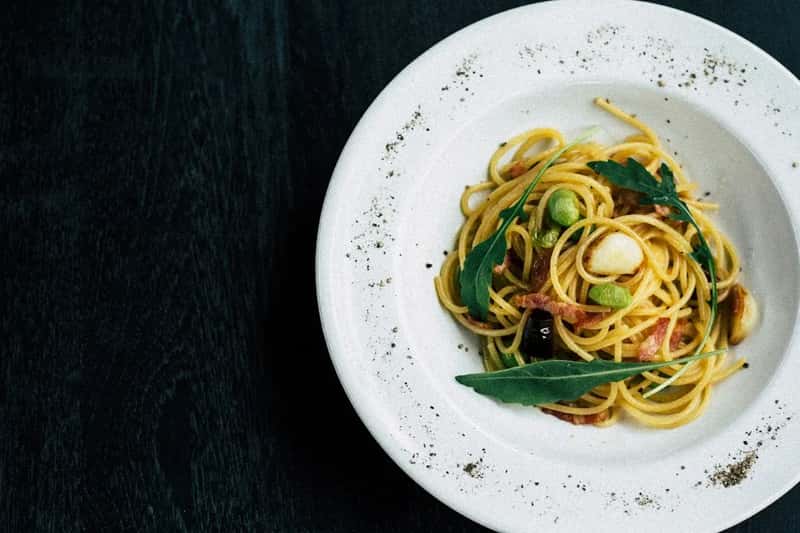
Pasta looks like a safe bet on paper, but it is one of the first dishes chefs warn against. A Chicago hotel chef put it plainly when discussing room service pitfalls, explaining that by the time it gets from the kitchen to the room it’s either sticky or cold or the sauce has totally fallen apart[1]. That’s before factoring in what happens once the dish sits under a heated cover for the elevator ride and hallway walk.
The problem compounds under that dome lid, which traps steam and keeps cooking the noodles well past the point of al dente. As if sticky or cold or broken sauce isn’t bad enough, what might have started as al dente spaghetti will likely be an overcooked, mushy mess by the time you take a fork to it.[1] Add in the price tag, often steep for what amounts to noodles and sauce, and pasta becomes a dish best saved for the hotel’s actual restaurant.
Pizza, unless the hotel has its own Italian kitchen
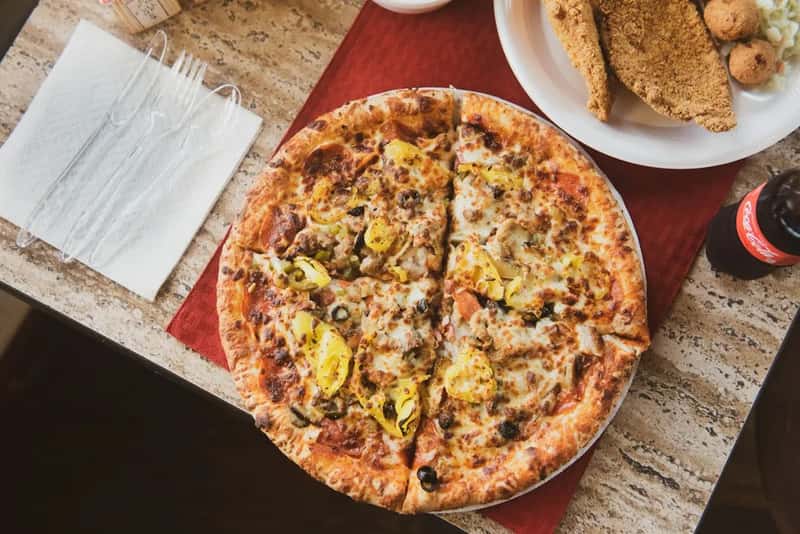
Pizza feels like an obvious room service win until you consider where it’s actually coming from. Executive chef Gian Nicola Colucci of the Four Seasons Hotel St. Louis has noted that unless your hotel has an Italian restaurant on-site, there is a good chance the pizza will be previously frozen or a bit tired from sitting under a heat lamp[2]. That’s a fairly specific warning, and it lines up with how most large hotel kitchens are set up to handle volume rather than fresh dough.
Hotels without a dedicated pizza program are usually reheating something that was made off-site or hours earlier. The result tends to be a soggy center and a crust that never had a real chance at crispness. If the property has a proper Italian restaurant with its own oven, that changes things, but it’s worth asking before you order.
Salads with the dressing already tossed
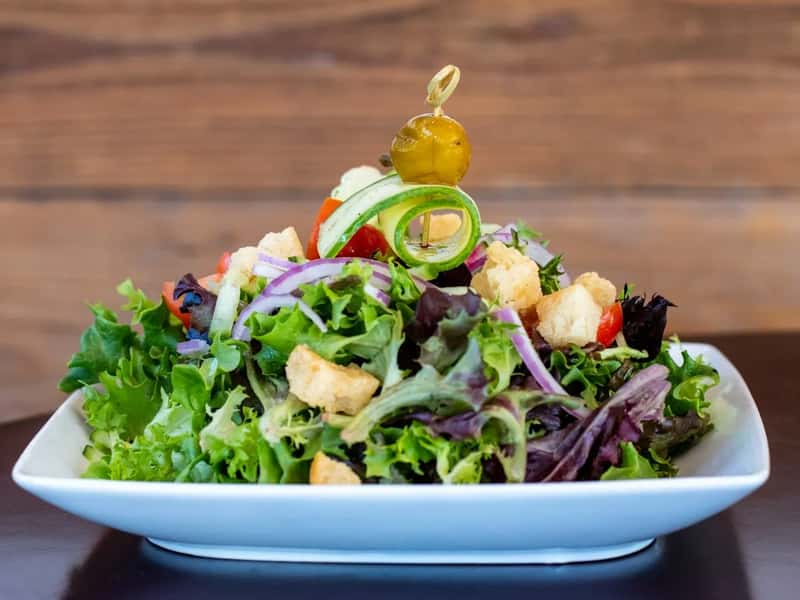
A salad seems like the lightest, least risky thing you could order, yet it’s one of the most commonly flagged mistakes. The logic is simple: just as you wouldn’t toss a salad ahead of a dinner party and instead wait until guests are seated, tossing it too soon leaves you with limp, soggy greens[1]. Room service kitchens often plate salads well before they leave the pass, then leave them sitting while the ticket makes its way to your floor.
By the time the cover comes off, what should be crisp lettuce has often gone soft and watery. The fix is straightforward if you remember to ask for it: request the dressing on the side. It’s a small line on the order form that makes a real difference in what actually shows up at your door.
French fries and other fried sides
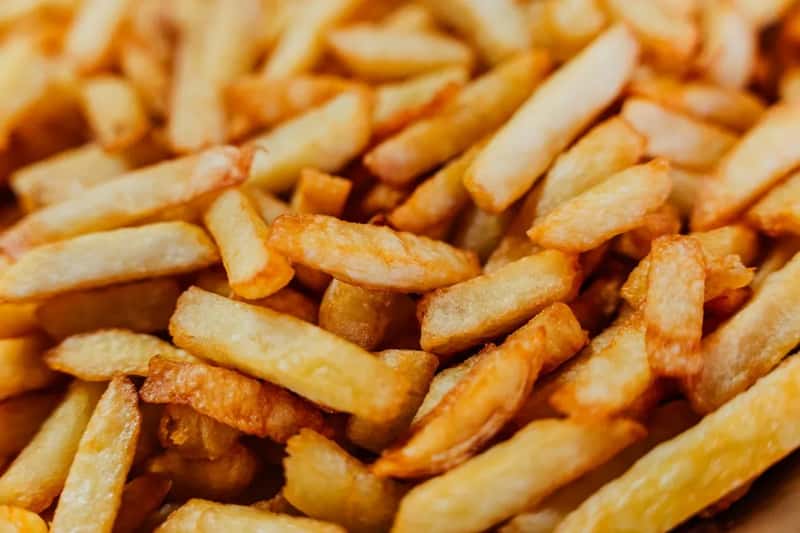
Fried food has a narrow window of enjoyment, and that window closes fast once it’s covered and carted through hallways. One hospitality writer summed up the issue bluntly: never order French fries for room service unless you like them lukewarm and limp[3]. Steam from a domed lid does fries no favors, softening what should be crunchy into something closer to soggy.
Several hotel staffers echo this, suggesting that although fries are a classic pairing, fried foods cool at the speed of light, so a side salad, baked potato, or bowl of soup will probably make a more satisfying accompaniment[4]. If you’re ordering a burger or sandwich, it might be worth swapping the fries for something that doesn’t rely on staying crisp to taste good.
Complicated specialty dishes overnight
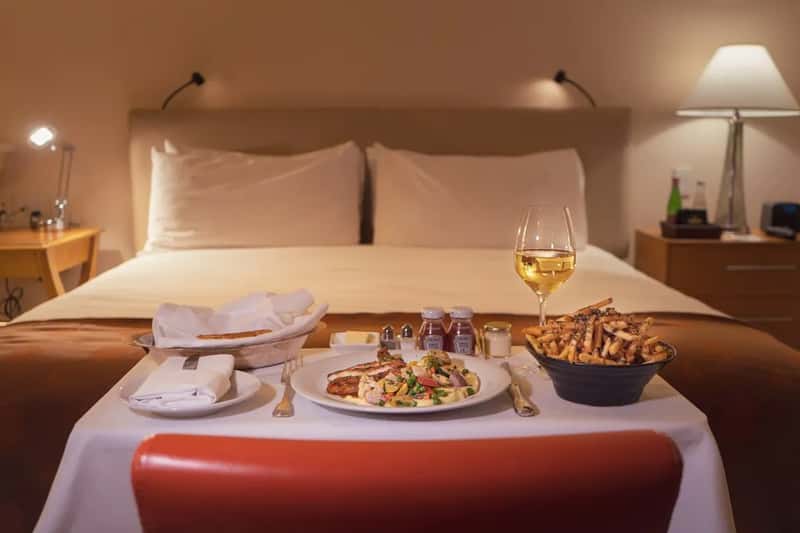
Late-night room service menus can look identical to the dinner menu, but the kitchen behind them usually isn’t the same. Sebastian, a food and beverage staffer at a Kempinski property, has pointed out that executive chefs never work the graveyard shift, so it’s best to avoid complicated specialty items, especially of the seafood variety[5]. Overnight kitchens are typically staffed by a smaller, more junior team handling a limited version of the full menu.
That doesn’t mean the food is unsafe, but it does mean the dish you’re picturing, the one made by the chef whose name is on the menu, probably isn’t what shows up after midnight. Sticking to simpler, sturdier options overnight tends to produce a better result than reaching for something delicate or seafood-heavy.
Anything meant to arrive frozen
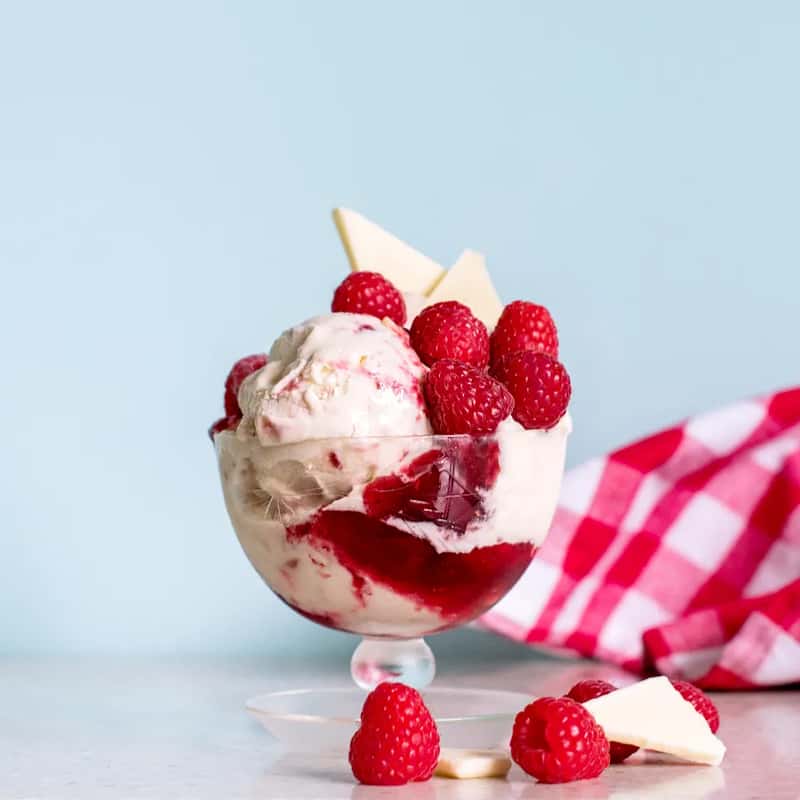
Ice cream and other frozen desserts sound like a treat until you remember how long a room service order can sit before it’s delivered. Christie, a former hotel employee, has suggested timing this carefully, noting that guests should order their ice cream while finishing their main if they can wait, or otherwise switch it out for a dessert that doesn’t melt[5]. Even a short delay between the kitchen and your door can turn a scoop of ice cream into a puddle.
The same logic applies to any dish built around a specific temperature contrast, like a warm dessert meant to be paired with something cold. Room service simply isn’t built for split-second timing across two separate components. If dessert is the goal, something dense and stable travels far better than anything relying on ice.
Breakfast dishes ordered during peak morning hours
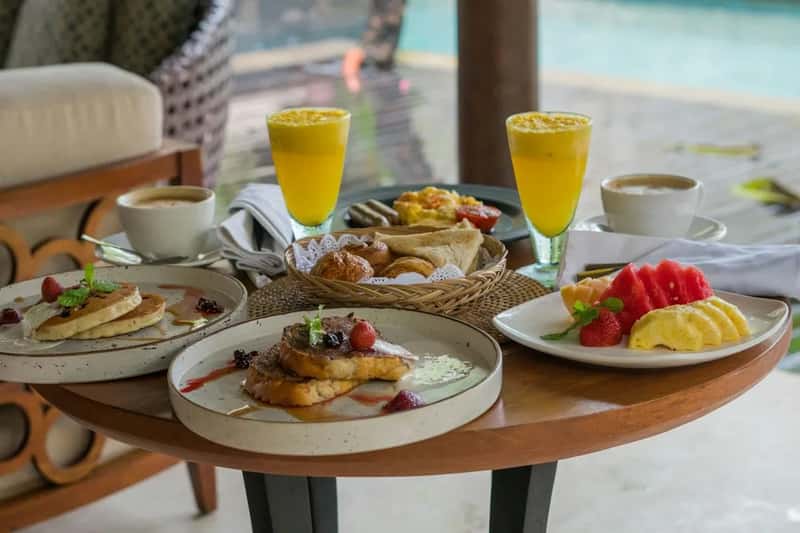
Timing matters just as much as the dish itself, and breakfast is the busiest window by a wide margin. According to Lisa Brefere, a former hotel chef, by a landslide the most room service orders come in at breakfast time, with lunch accounting for one percent or less of orders and dinner around thirty percent[1]. That imbalance means breakfast tickets pile up fast, and kitchens built for a steady trickle suddenly face a wave.
The practical result is longer wait times and dishes that sit before they’re delivered, which is rough news for anything delicate like eggs or hollandaise-based plates. The kitchen ends up completely overwhelmed in the morning, and dishes sit way longer than they should, which raises questions about who really wants a cold omelet at premium prices.[1] If breakfast is the plan, ordering slightly outside the rush, either earlier or later than the standard checkout window, tends to produce better food.
Steak cooked to a precise temperature
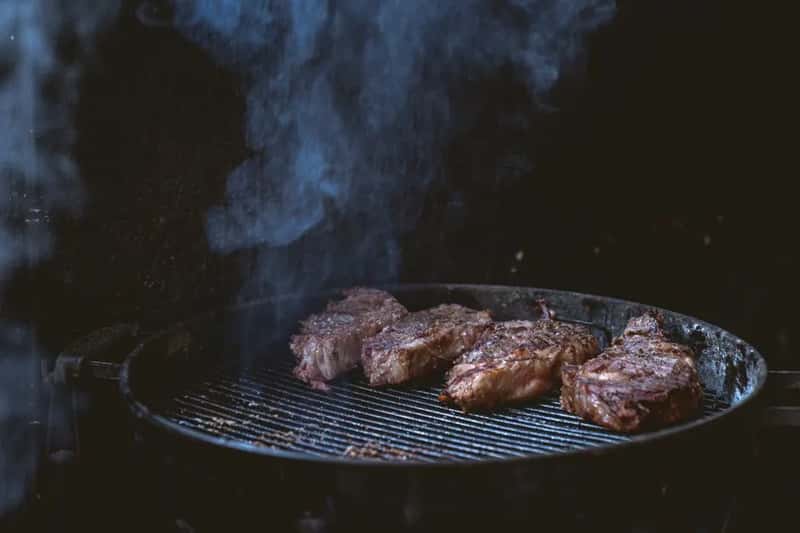
Steak is one of the trickiest orders to get right through room service because it depends entirely on timing that the delivery process disrupts. A dome lid holds in heat, which means a steak pulled at medium rare in the kitchen often keeps cooking on its way up, arriving closer to medium or medium well. There’s no fix for this once the plate leaves the kitchen, since the carryover cooking happens during transit rather than on a grill you can watch.
Guests who care about a specific temperature are generally better served ordering from the hotel’s actual restaurant, where the kitchen can plate and serve immediately. If room service is the only option, ordering the steak slightly under your preferred temperature gives it some room to finish cooking en route without overshooting.
Dishes with delicate, butter-based sauces
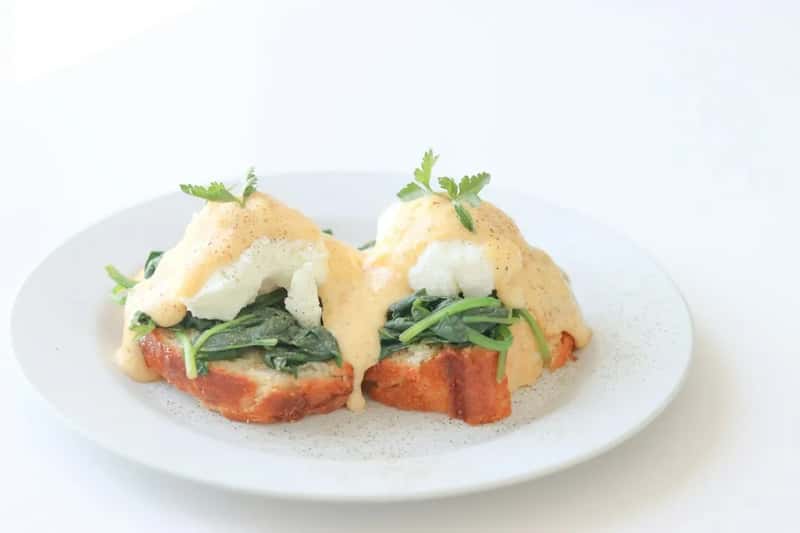
Sauces built on butter or emulsions, like hollandaise or beurre blanc, are notoriously unstable once they leave a controlled kitchen environment. Heat, time, and the jostling of a room service cart can cause these sauces to separate, turning a silky finish into something greasy or curdled. It’s the same fragility that makes pasta risky, just applied to a different category of dish.
Kitchens know this, which is part of why higher-end sauced dishes rarely translate well to a covered tray. If a menu item leans heavily on a delicate sauce as its main selling point, it’s usually a sign to order something with more structural integrity instead.
Anything requiring heavy customization
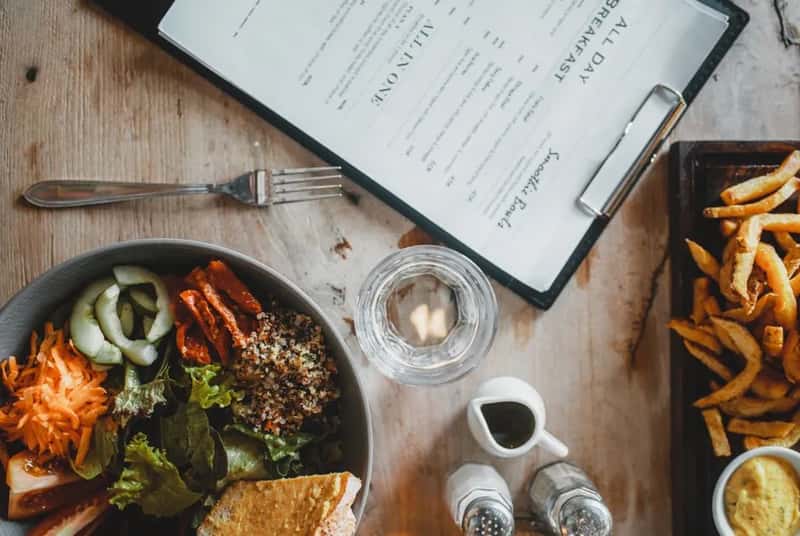
Room service menus are designed around dishes that hold up to travel, and heavy substitutions or off-menu requests tend to throw that balance off. A kitchen prepped to send out a burger exactly as written can usually do that quickly and consistently, but ask for three modifications and a swapped side, and you’re introducing delays that work against the dish. This is especially true overnight or during rush periods, when the smaller staff has less bandwidth to accommodate special builds.
It’s not that customization is forbidden, but simpler orders tend to arrive faster and in better shape. Sticking closer to the dish as written, rather than reimagining it, generally produces a better outcome once it’s traveled through hallways and elevators to reach your room.
What tends to work instead
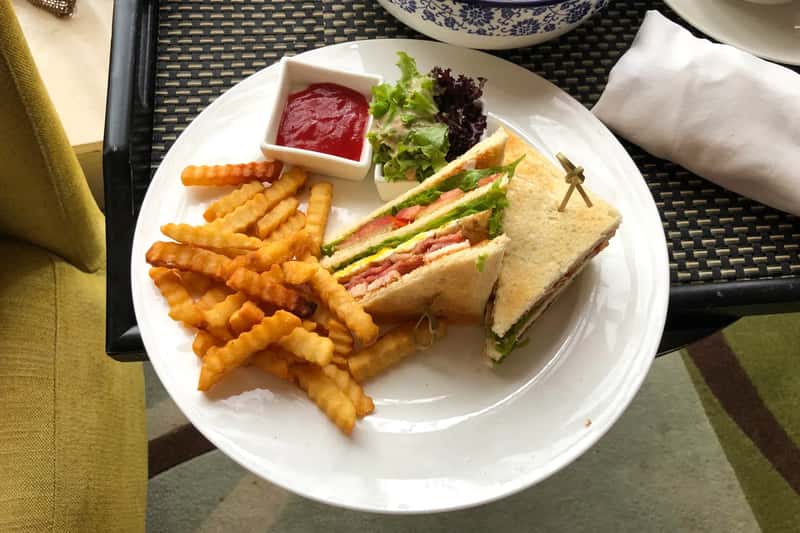
The flip side of this list is that certain dishes are genuinely built to survive the trip. Former hotel employee Christie has pointed to reliable standbys, noting that a club sandwich or cheeseburger is hard to get wrong[5], and that vegan options like a cauliflower steak can also be a smart choice on a large property. These dishes share a common trait: they’re sturdy, hold their temperature reasonably well, and don’t depend on split-second timing to taste right.
It’s also worth remembering that room service exists in a lodging market currently defined by tight margins and uneven demand, with U.S. hotel occupancy sitting around 62 percent in 2025 and kitchens under real pressure to run lean. Occupancy stood at 62.3 percent in 2025, down 1.2 percent from 2024, while ADR was $160.54, up 0.9 percent.[6] That backdrop helps explain why simpler, sturdier dishes tend to get the most care, and why the more delicate ones on this list keep showing up on chefs’ warning lists year after year.