Planning a trip to South America can feel a bit overwhelming when you’re trying to figure out where you’ll actually feel safe. Let’s be honest, the region gets a mixed reputation. Some places are absolutely thriving, welcoming tourists with open arms and minimal risk. Others, well, they’re navigating some serious challenges. The good news is that several South American nations have worked hard to establish themselves as genuinely safe destinations, and the data backs that up.
So what makes a country safe anyway? It’s not just about crime statistics, though those matter a lot. Political stability counts. So does the quality of local law enforcement, healthcare infrastructure, and how well a country handles everything from petty theft to natural disasters. According to the latest research from organizations like the Global Peace Index and U.S. State Department travel advisories, there’s actually quite a bit of variation across the continent. Let’s break down the ten safest options for American travelers right now.
1. Argentina: The New Champion of South American Safety
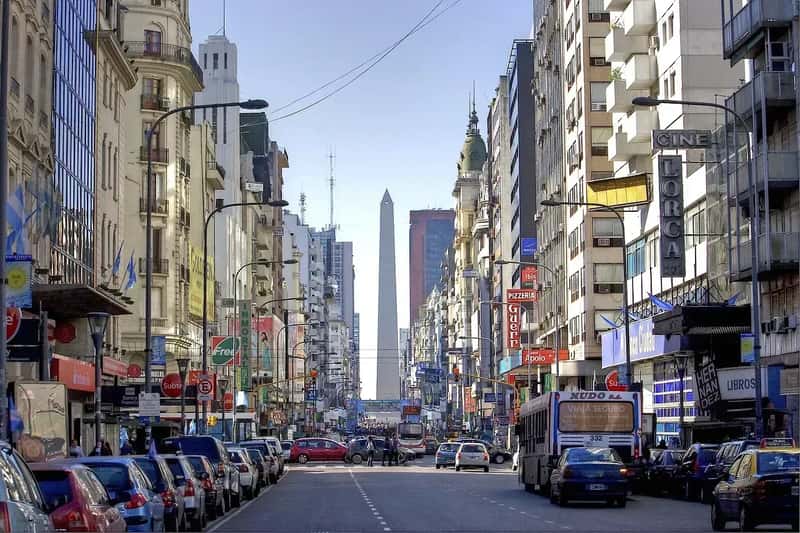
Argentina claimed the top spot as the safest country in South America according to the 2024 Global Peace Index rankings, ranking 46th globally in the 2025 index. This represents quite a turnaround after years of trailing behind Uruguay. The country offers everything from the glaciers of Patagonia to the tango halls of Buenos Aires, and the safety situation has genuinely improved.
Argentina enjoys a Level 1: Exercise Normal Precautions travel rating from the U.S. State Department as of mid-2025. The homicide rate sits at 4.7 per 100,000, lower than Brazil, Colombia, or Mexico. That’s actually comparable to some European countries, which should give you some peace of mind. I think what’s striking here is that despite economic turbulence under President Javier Milei, the security metrics have held steady or even improved.
Petty theft remains the main concern, particularly in Buenos Aires. The U.S. Embassy has seen an increase in robberies involving drugs that temporarily incapacitate victims, particularly through dating applications and in bars and night clubs. Keep your phone in your front pocket, avoid flashing expensive jewelry, and you’ll probably be fine. The wine regions around Mendoza and the southern reaches of Ushuaia feel remarkably safe, even for solo travelers.
2. Uruguay: Latin America’s Switzerland Slips to Second
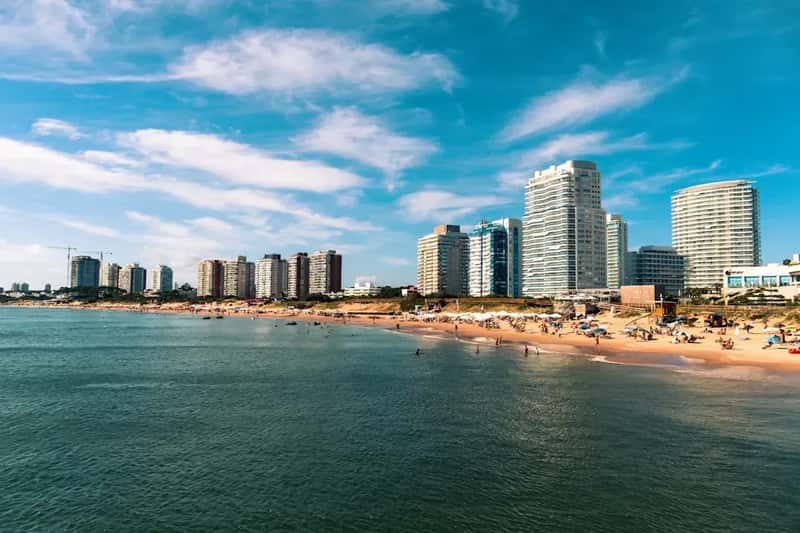
Uruguay held the safest crown for years, and honestly, it’s still incredibly secure by any measure. In the 2024 Global Peace Index, Uruguay ranks 52 out of 163 countries and is the second most peaceful country in South America. The country had the lowest homicide rate in the region at just 3.5 per 100,000 according to UNODC data. That’s less than half the rate in the United States, which puts things in perspective.
The capital Montevideo and beach resort Punta del Este remain popular with expats and tourists alike. Political stability, strong rule of law, and minimal violent crime have made Uruguay a model of peace for decades, having kept drug cartels largely at bay. There’s something reassuring about walking through the cobblestone streets of Colonia del Sacramento without constantly looking over your shoulder.
Uruguay earned a Level 2: Exercise Caution travel ranking from the U.S. State Department, with robberies being a particular concern. Petty theft happens, especially in crowded tourist zones, but violent crime targeting visitors is rare. The beaches can see property crime spikes during the busy summer season, so secure your rental accommodations properly.
3. Chile: Safe but Shifting After Years of Unrest
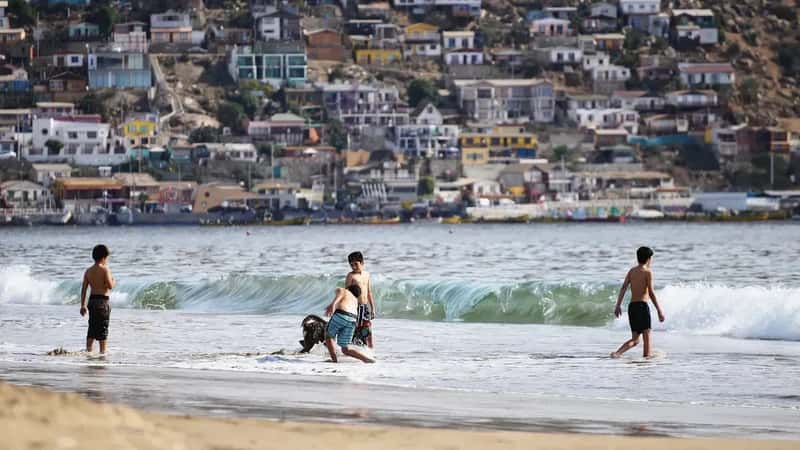
Chile has long been considered one of South America’s safest bets, though recent years have brought some changes. Chile ranks 62nd in the 2025 Global Peace Index and is South America’s fourth safest country. The homicide rate sits at 4.4 per 100,000, well below the Latin American average. Those are still solid numbers that beat out much of the region.
The U.S. advisory for Chile was elevated to Level 2 in early 2025 due to increased street crime, violent crime, and civil unrest. This marks a shift from the previous Level 1 status. Santiago has seen upticks in pickpocketing, muggings, and even carjackings, particularly in certain neighborhoods. Even with rising crime since 2019, violent crime against tourists remains low, with issues tending to involve petty theft similar to other major cities worldwide.
The Atacama Desert, Lake District, and Patagonia remain incredibly safe and offer some of the most stunning landscapes on the planet. Chilean hospitality is genuine, the wine is excellent, and outside major urban centers, you’ll find the country remarkably peaceful.
4. Paraguay: The Underrated Safe Haven
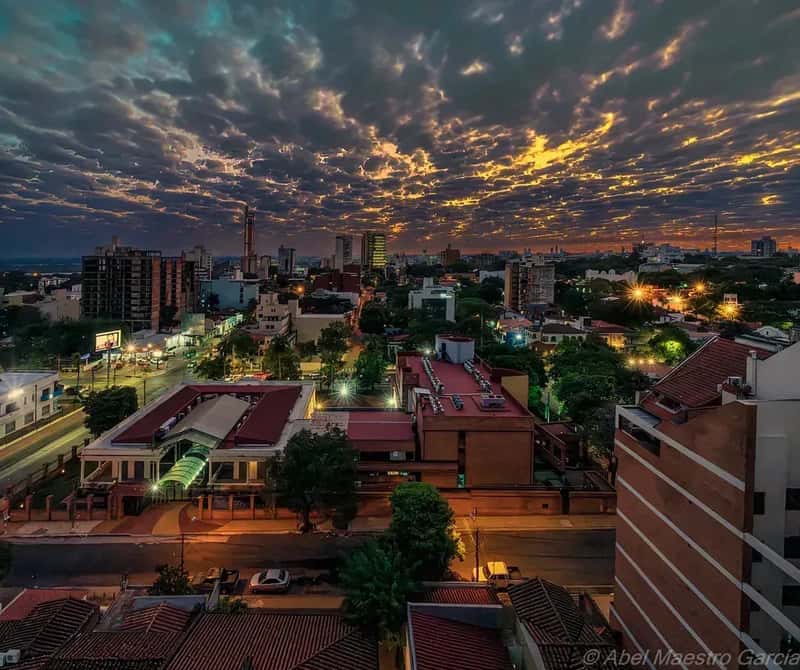
Paraguay doesn’t get much attention from tourists, which is honestly a shame because it’s one of the safer options in the region.
Just years ago, Paraguay was branded one of the world’s hotspots for organized crime, but that changed under President Santiago Peña, whose security push drove homicides down to 6.2 per 100,000 in 2023. That’s a remarkable turnaround. The country has stabilized economically, and falling unemployment has reinforced the progress.
Most crime reported by tourists falls into the annoying category of scams and minor theft. The capital Asunción and the border city of Encarnación are relatively safe, though rural border zones with smuggling activity should be avoided. The Jesuit ruins and waterfalls of Saltos del Monday offer peaceful experiences.
5. Peru: Climbing Back After Political Turmoil
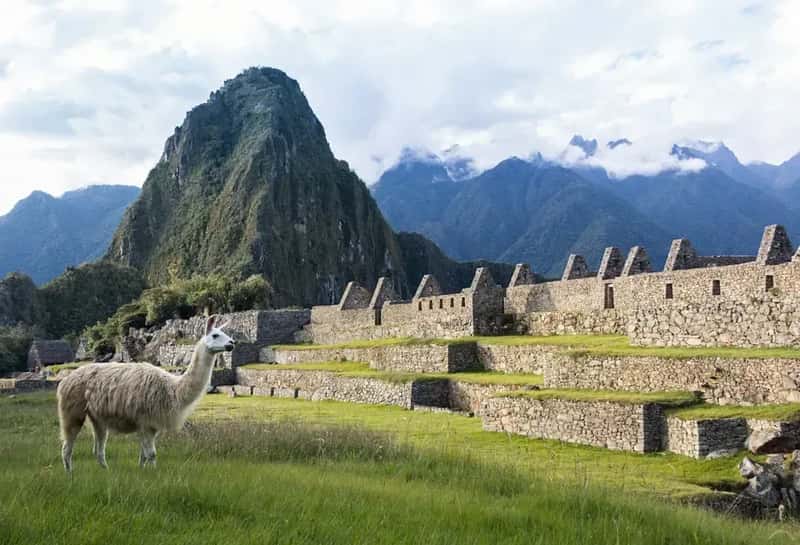
Peru took a hit in safety rankings following widespread protests in late 2022 and early 2023, but things have calmed considerably. Peru saw the biggest drop in safety in South America during protests but has since been climbing back up, moving up 14 places to 96 in 2025. The country shifted to Level 2: Exercise Increased Caution advisory from the U.S. State Department due to remaining crime and terrorism in some areas.
Machu Picchu, the Sacred Valley, and Lima’s culinary scene continue to draw massive tourist numbers. The main safety concerns involve muggings in major cities and passport theft. There have been rare incidents where tourists have been robbed at gunpoint outside luxury hotels and lodges. Still, millions visit annually without incident.
The VRAEM region harbors remnants of the Shining Path terrorist group, but this area is nowhere near tourist destinations and most Peruvians wouldn’t visit either. Stick to the established tourist circuits and you’ll find Peru both safe and absolutely unforgettable.
6. Bolivia: High Altitude and Moderate Safety
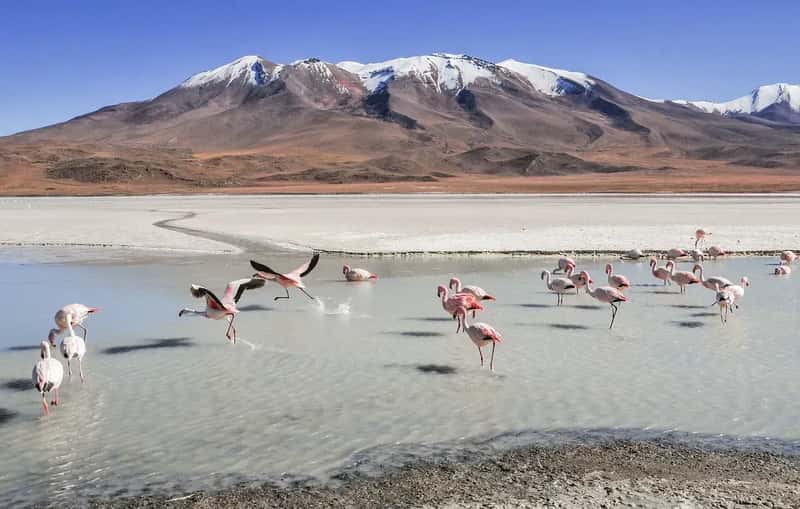
Bolivia offers surreal landscapes from the Uyuni salt flats to the Amazon jungle, and while it’s not the safest on this list, it’s manageable with precautions.
Political instability poses real concerns. The country narrowly avoided a coup attempt in June 2024, which reminds you that things can shift quickly. Tourists can be targets for opportunistic thieves, particularly in La Paz and other urban areas. Pickpocketing and bag snatching happen frequently enough that you need to stay alert.
That said, the natural beauty is extraordinary. The high altitude poses health risks that you should prepare for, but crime-wise, Bolivia sits somewhere in the middle tier. Most travelers who take standard precautions have trouble-free visits.
7. Brazil: Vast, Varied, and Requiring Careful Navigation
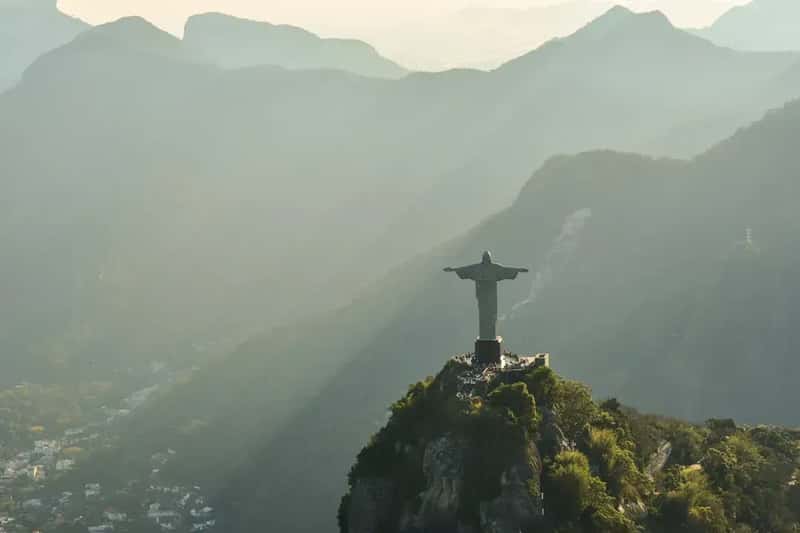
Brazil is massive and safety varies wildly depending on where you are. Some regions are reasonably safe while others experience serious violence. The favelas of Rio and certain northern areas can be genuinely dangerous. Violent crime is rampant in northern Brazil, with criminals often shooting first, and São Paulo is home to Cracolândia where thousands of homeless people under the influence of crack roam the streets.
Rio de Janeiro’s beaches see flash robberies called arrastão, where armed groups move from person to person stealing valuables. That sounds terrifying, and honestly, it can be. Yet millions still visit Rio, São Paulo, and the beaches of the northeast without problems. The key is knowing which neighborhoods to avoid and not wandering into favelas by accident.
Southern Brazil, including cities like Florianópolis and Curitiba, tends to be safer than Rio or São Paulo. The Amazon region offers incredible ecotourism but requires organized tours with reputable operators. Brazil rewards careful planning and local knowledge.
8. Colombia: Improving but Still Challenging in Places
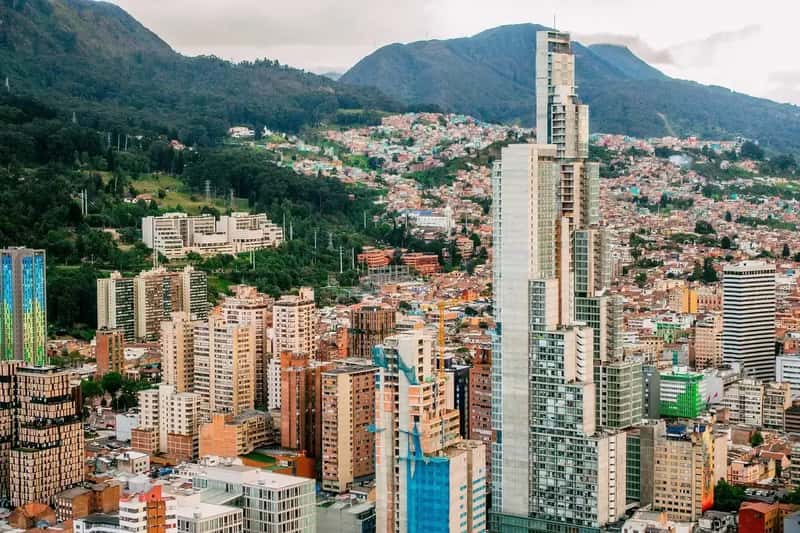
According to the 2024 index, Colombia is the least safe country in South America. That’s not exactly encouraging, but Colombia has made remarkable strides since the dark days of Pablo Escobar. Cities like Medellín and Cartagena have transformed themselves into tourist destinations, and the coffee region is genuinely lovely.
The main issues involve drug trafficking, armed groups in rural areas, and petty crime in cities. Bogotá experiences higher crime rates in certain neighborhoods. Tourists occasionally fall victim to scopolamine drugging and robbery, particularly through dating apps or bars. Express kidnappings, while not common, do happen.
The U.S. State Department maintains varying advisories for different regions of Colombia. Tourist areas in Cartagena’s old city feel relatively safe during the day. Colombia offers incredible experiences, but it requires more caution than countries higher on this list.
9. Ecuador: A Nation in Crisis
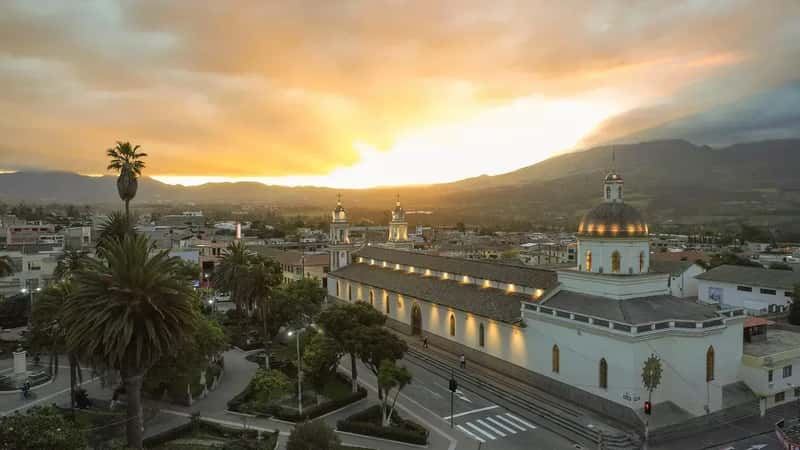
Ecuador’s safety situation has deteriorated dramatically, which breaks my heart because it’s such a beautiful country. At 44.5 homicides per 100,000 people, Ecuador’s homicide rate is now the highest in South America, beyond that of Mexico, El Salvador, and Honduras. In January 2024, Ecuador announced a state of emergency and declared war on drug gangs after a series of attacks, with cities such as Guayaquil still affected.
Ecuador had a Level 2 travel advisory as of mid-2025 due to civil unrest and crime in certain areas. The coastal city of Guayaquil has become particularly dangerous due to drug trafficking operations.
The Galápagos Islands remain relatively safe and continue to attract tourists. Cuenca in the highlands is considered safer than coastal areas. Mainland Ecuador requires serious caution, particularly avoiding Guayaquil and Esmeraldas. Small mountain towns like Baños can still be visited, but you’re taking calculated risks.
10. Venezuela: The Most Challenging Destination
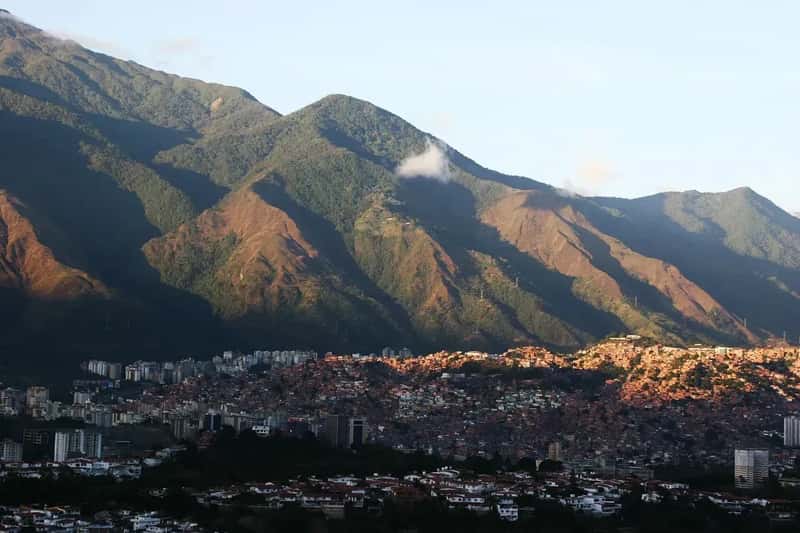
Venezuela rounds out this list, and honestly, I can’t recommend it for most travelers right now. The country experiences severe political instability, economic collapse, and high crime rates. Venezuela is the only country in South America to earn a Level 4: Do Not Travel advisory from the U.S. State Department.
The capture of Nicolas Maduro in January 2026 plunged the country into a period of uncertainty, with his cronies remaining in power and hunting down locals who celebrated. The situation remains unpredictable and potentially dangerous. Crime isn’t even the main concern anymore; it’s the risk of being detained by authorities for arbitrary reasons.
Angel Falls and the Lost World tepuis are bucket-list destinations, but accessing them safely is incredibly difficult right now. Some adventurous travelers have visited in recent years and reported better conditions than expected, but the risks remain extremely high. Venezuela needs time to stabilize before it can be considered a safe tourist destination again.
Making Smart Safety Choices in South America
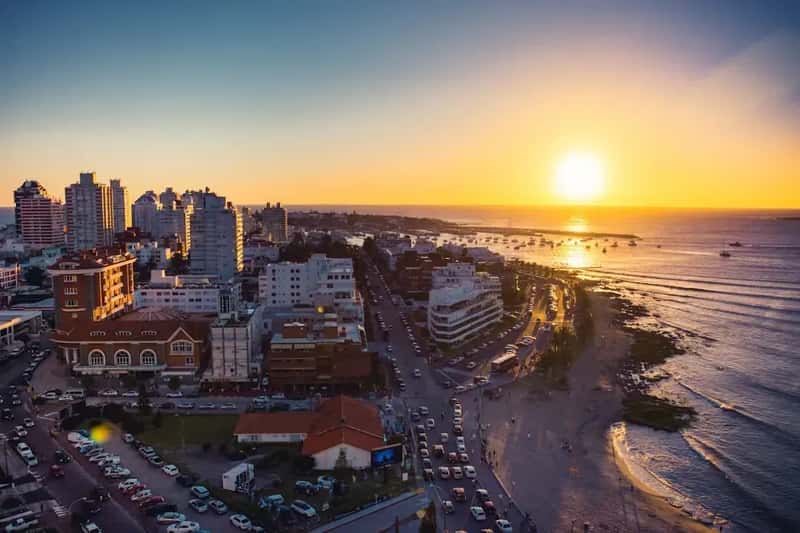
South America isn’t a monolith, and safety varies dramatically not just between countries but within them. Argentina’s Patagonia feels worlds apart from certain neighborhoods in Buenos Aires. Ecuador’s Galápagos Islands are totally different from Guayaquil’s port areas. Understanding these nuances makes all the difference.
The safest approach involves checking current U.S. State Department travel advisories before booking anything. These advisories get updated regularly and provide specific information about which regions pose elevated risks. Enrolling in the Smart Traveler Enrollment Program connects you with the nearest U.S. embassy for emergency alerts.
Common sense precautions apply everywhere: don’t flash expensive electronics, avoid walking alone at night in unfamiliar areas, use registered taxis or rideshare apps instead of hailing cabs on the street, and keep copies of important documents separate from the originals. These simple steps dramatically reduce your risk. South America offers some of the planet’s most spectacular landscapes and vibrant cultures. With proper planning and awareness, you can experience it safely. What destination caught your attention from this list?