Ask people who fly constantly how they end up with decent seats, and you’ll hear a similar answer. They don’t treat seat selection as a one-time click at checkout. They pick a seat when they book, then keep coming back to the seat map until departure.
It’s a small routine, and it costs little or nothing. This article looks at why it works, what the evidence supports, and where it falls short.
The Habit in a Nutshell: Pick Early, Then Keep Checking
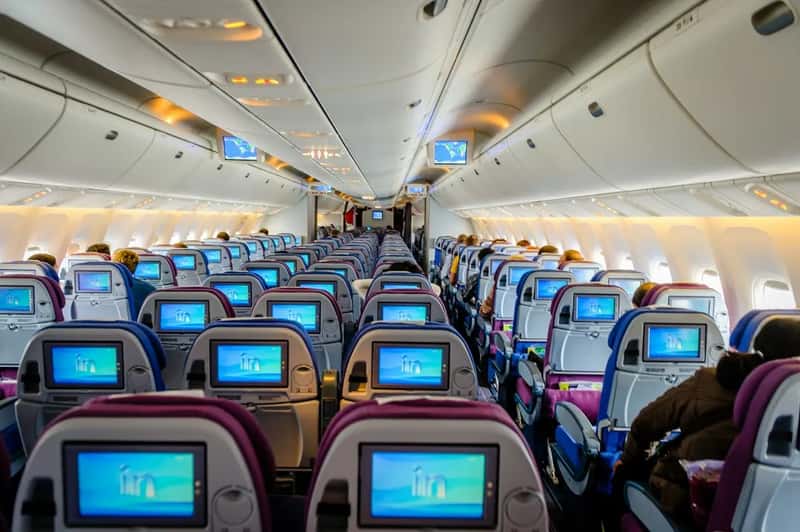
The habit has two parts. First, most airlines let you select your seat right after booking[1], so frequent flyers take that option when it’s offered. Second, they don’t stop there. One travel site describes the real trick as refreshing the seat map repeatedly as departure approaches, because the picture changes constantly[2].
That second step is what separates a routine from a hack. One seat-tool company says most travelers check their flight the night before, while frequent flyers start monitoring the moment they book.[3] That’s a vendor’s claim, not a study, but it matches the advice you see across travel guides.
Why Booking Early Still Matters
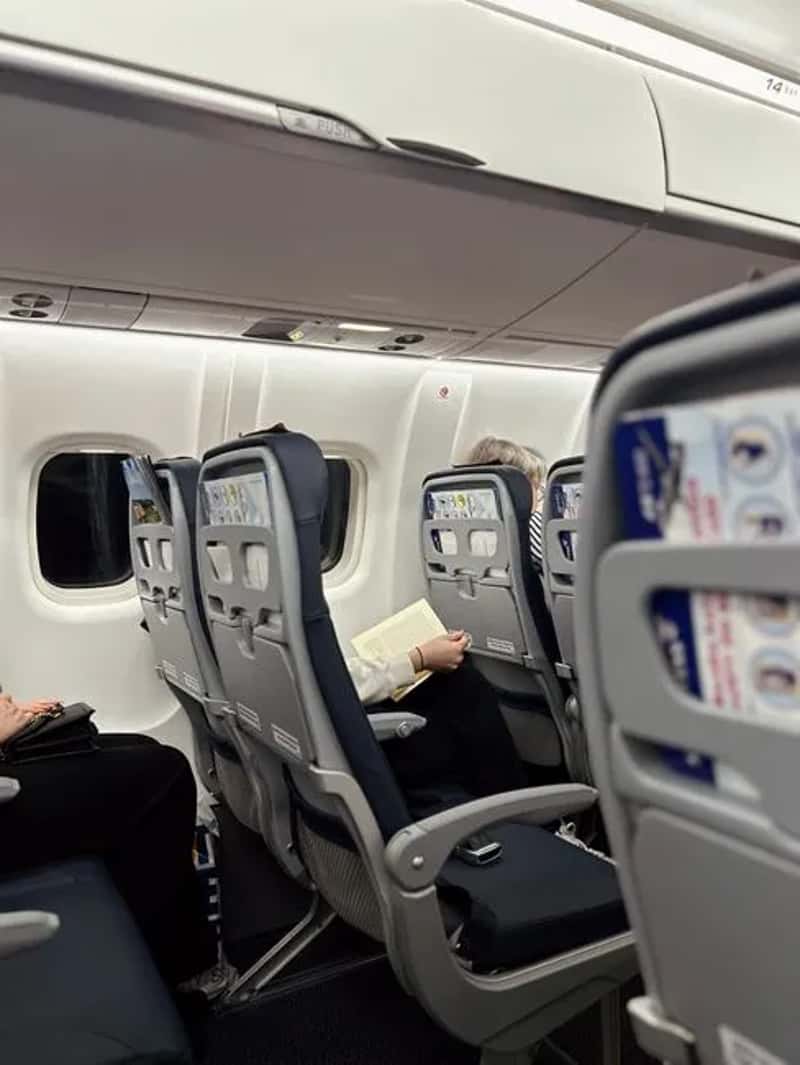
Good seats go first. One seat-map guide advises selecting at booking whenever possible, especially on high-demand routes where good rows sell out fast[4]. Another travel site puts it simply: the sooner you book, the better your seating options will be[1].
Airlines also know seats have value. A November 2024 report from the US Senate Permanent Subcommittee on Investigations found that 2023 seat-fee revenue alone topped $3 billion, up about 50 percent from 2018[5]. That’s a big reason the best rows are often sold or held back rather than handed out freely.
Why the Seat Map Keeps Changing
A map you checked months ago can mislead you. One guide notes that aircraft swaps happen, seats held for elite members get released, and a map checked three months ago can be stale by departure day[4]. Checking again is a practical response to that.
Airlines block seats for several reasons. They may hold them for elite flyers, crew rest, passengers with special needs such as bassinets, weight and balance, or later sale as extra-legroom seats.[6] Some of those seats open up as departure nears. One tracking service says airlines release blocked seats, exit rows and extra-legroom rows in the days before departure[7].
The 24-Hour Check-In Window
Check-in is the checkpoint most frequent flyers mark on their calendars. One guide suggests rechecking at 24-hour check-in because airlines finalize aircraft assignments and often release held seats around this window[4]. Another advises checking before booking, at the 24-hour check-in window, and right before boarding[8].
Timing also affects how accurate the picture is. According to one seat-availability site, the most accurate picture emerges within 24 hours of departure[8]. It also cautions that many passengers haven’t selected seats yet[8], so a map that looks empty early on doesn’t tell you much.
The Window Seat Trick for an Empty Middle
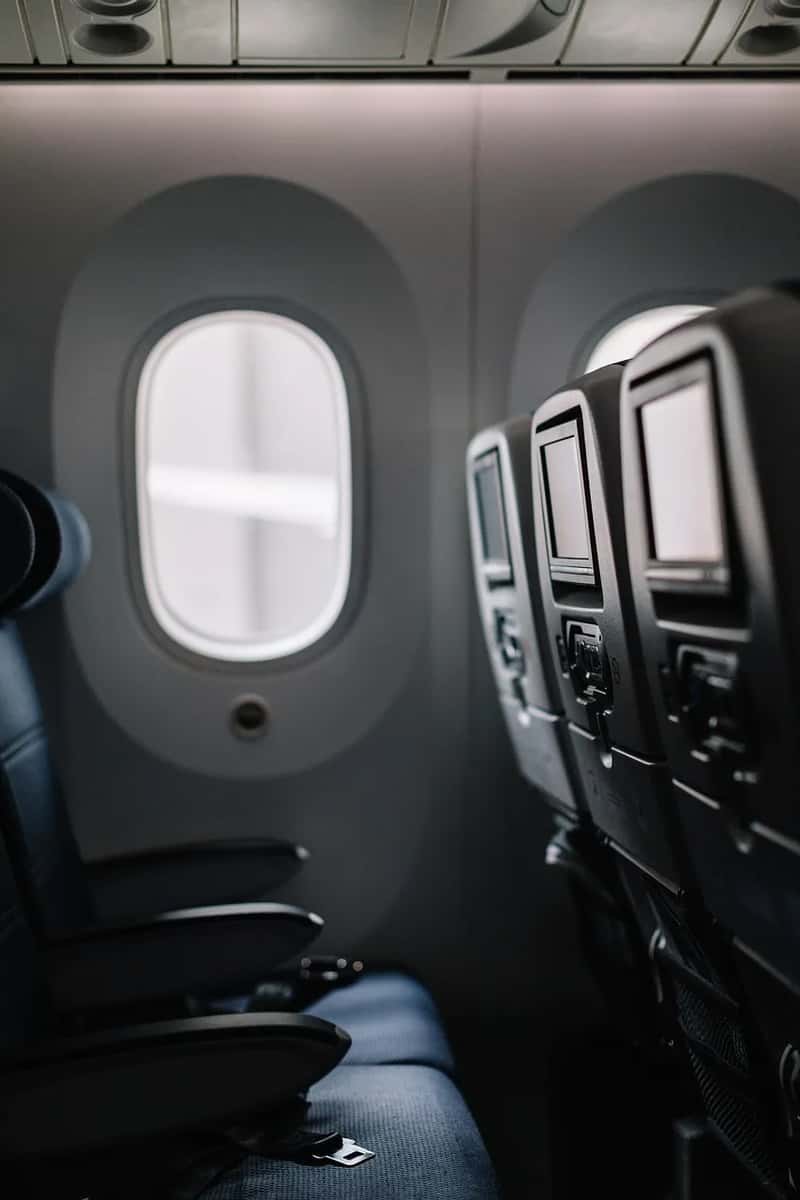
One popular version of the habit is about avoiding the middle seat. The idea is to take a window seat in a row where the aisle is already booked, then keep checking the map. According to one travel site, a frequent flyer who tracked this method reported an empty middle more than 85 percent of the time, though the figure is self-reported[2].
That caveat matters. The same article admits it’s not a scientific study[2], so treat it as a tip, not a guarantee. Full flights will defeat it. Still, there’s a logic to it, because few people choose a middle seat voluntarily, and on many flights they’re the last to fill.