Think retirement means shuffleboard at a care home or maybe downsizing to a quiet condo in Florida? Think again. There’s something way more adventurous on the horizon, and it’s literally on the horizon.
A growing wave of retirees is trading land-based life for cabins at sea. We’re talking about waking up in Barcelona one week and Sydney the next, all while never having to unpack. This isn’t vacation time anymore. This is home.
Why Some Seniors Are Choosing Ships Over Shores

Let’s be real. With more than 4 million Americans turning 65 this year, retirement looks different now than it did for previous generations. One-third of the 28.5 million people who took a cruise in 2018 were over 60 years old, making older travelers a natural fit for the cruise industry. Some of these people aren’t just vacationing anymore – they’re actually living on board full-time.
The appeal is clear. Imagine bundling your housing, meals, entertainment, and travel all in one floating package. One retiree, Jo Johnston, spends approximately $100,000 a year and gets everything taken care of – from housekeeping to gourmet dining. No grocery shopping. No yard work. No fixing the roof when it leaks in March.
The Numbers: Is It Really Cheaper Than Assisted Living?

Living on a mass-market cruise ship can start at about $35,000 per year for room and board, though additional expenses include medical costs, laundry and alcohol. Compare that to traditional senior living. The average cost for a Nursing Home in 2024 jumped to $285 per day – or $104,025 per person. For two people, that’s over $200,000 annually.
The thing is, not everyone needs a balcony suite. More realistic statistics suggest that most people spend between $40,000 and $50,000 per year on cruise fares and living expenses, assuming they’re smart about booking and flexible on itineraries. That’s roughly in line with – or sometimes less than – mid-range assisted living, depending on where you live.
New Programs Designed Specifically for Retirees
Cruise companies have caught on. They’re not just tolerating long-term passengers anymore – they’re actively courting them. Villa Vie Residences’ Endless Horizons program requires a one-time payment of $299,999 for single-occupancy or $499,999 for double-occupancy, giving retirees lifetime access to life aboard the Villa Vie Odyssey. That’s a flat rate for unlimited cruising. Forever.
Aboard the MV Odyssey, passengers can travel around the world, visiting 425 ports and 147 countries in three-and-a-half years, including more than 100 tropical islands with extended port stays. The company recently launched the Golden Passport program, which lets passengers repeat the three-and-a-half-year journey indefinitely. It’s retirement on a loop.
One Virginia-based company, the Cruise Web, launched a Senior Living at Sea program that offers retiree-specific itineraries and takes care of logistics like shore transfers, ship-switches, visas, and insurance. That kind of concierge service makes long-term cruising less stressful, especially for people who’d rather not juggle paperwork from the middle of the Mediterranean.
The Appeal of Residential Cruise Ships

Then there’s the next level: residential ships where you actually buy your cabin. Storylines offers onboard condominiums starting at around $625,000 for 226 square feet, while at the high end, permanent residences start at $8.6 million. These aren’t staterooms. These are honest-to-goodness floating apartments, complete with full ownership rights.
Cruise ship The World, which has a corporate office in Fort Lauderdale, Florida, is essentially a floating luxury apartment building offering studio, one-, two- and three-bedroom residences. The ship travels worldwide, stopping at ports on various continents. Residents own their units outright, and the ship becomes their permanent address. It’s like a condo association, except the building sails to Bali.
For those who can’t afford millions, some ships offer long-term leases. The idea is the same: stability, community, and the freedom to explore without constantly repacking your suitcase. You decorate your cabin. You know your neighbors. You have routines. It’s home, just with an ever-changing view outside your window.
What You Give Up for Life at Sea

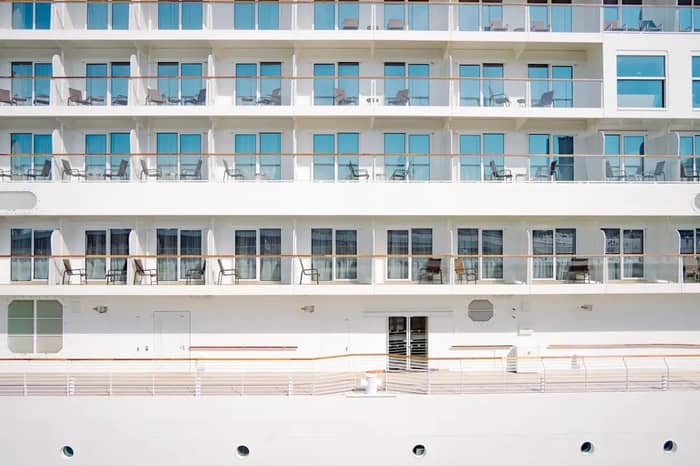
Now, let’s talk reality. This lifestyle isn’t for everyone, and there are genuine trade-offs. One long-term cruise ship resident lived in a 10-by-10-foot windowless room with a bathroom smaller than most home closets. Even larger cabins feel cramped compared to a traditional apartment. You can’t escape to your backyard when you need space. Shore excursions help, but eventually you’re always heading back to that same small room.
Internet connections are notoriously slow and spotty compared to what you’d get on land, and video calls with grandchildren might freeze. Managing bills, medical care, and paperwork remotely requires patience and backup plans. Attending weddings or graduations? That takes serious logistical coordination when your itinerary is set months in advance.
Then there’s the social element. You’re surrounded by people, but most are temporary passengers, and even if you stay put, people around you tend to rotate out every week or two, making it difficult to maintain deep connections. Residential cruise programs help by creating stable communities of long-term residents, but transient guests can still dilute that sense of belonging.
Healthcare Considerations and Insurance Gaps

Healthcare is probably the biggest wildcard. Cruise ships have superior health facilities – doctors, nurses available 24 hours a day, defibrillators, and equipment for emergencies – while assisted living facilities almost never have doctors on site and seldom have nurses available around the clock. That sounds reassuring until you realize what happens if something really serious goes wrong.
Medicare generally doesn’t cover medical services on cruise ships except within six hours of a U.S. port, and most retirees need supplemental insurance with international coverage, adding anywhere from $150 to $500 or more per month to costs. Onboard pharmacies carry limited medications at premium prices, so you need to plan refills carefully. If the ship doesn’t stock what you need, you’ll have to arrange deliveries at ports or bring enough supply for the entire journey.
People older than 65 who enjoy travel, have good cognitive function, but need some help in daily living are ideal candidates for care on a cruise ship. The key phrase here is “some help.” If you need significant medical support or specialized care, a cruise ship simply can’t provide it. You’d be better off on land, close to hospitals and doctors who know your history.
The Financial Fine Print

The average person will spend approximately $286 per day aboard a cruise ship in 2025. That adds up fast – over $104,000 per person annually if you’re cruising year-round. Based on that number, it could cost more than $2 million over a 20-year retirement for someone taking the nomadic, book-as-you-go approach.
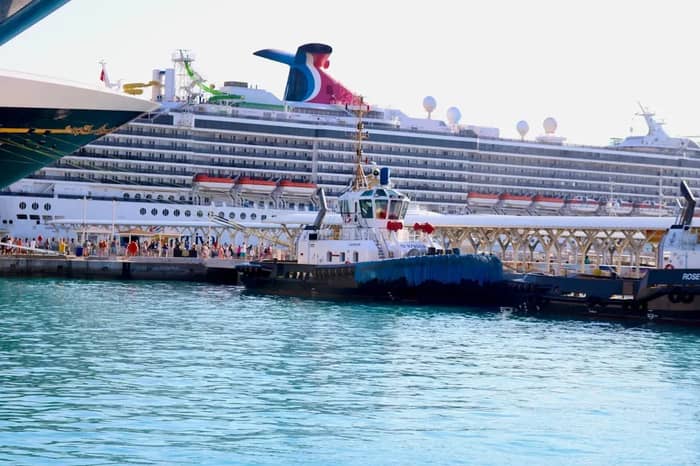
However, those figures assume you’re paying full retail and booking like a typical tourist. Savvy cruisers can do much better. The least expensive sailing on one of Carnival’s new Excel-class ships starts at $125 per person per day, though balancing older and newer ships can keep rates down to about $115 per day. That’s still not pocket change, but it’s competitive with assisted living in expensive states.
There are hidden costs, too. You’ll need travel insurance with medical evacuation coverage. You might keep a storage unit for belongings. You’ll probably maintain a mailing address somewhere on land. Tax filing becomes more complicated when you’re constantly moving. All of that adds up, even if your daily cruise fare seems reasonable.
Is This the Future of Retirement?
Here’s the thing: cruise ship retirement is gaining momentum, even if hard numbers are tough to pin down. The cruise ship industry doesn’t track those who live on board full-time versus occasional travelers, so we don’t know exactly how many people have made this leap. What we do know is that companies are investing heavily in programs designed specifically for long-term residents, which suggests they see a lucrative market ahead.
Demographic shifts are playing a role; the “Silver Tsunami” of retiring Boomers provides a steady base for brands like Silversea, and cruise lines are positioning themselves to capture that market. The appeal makes sense. For healthy, adventurous seniors with financial flexibility, cruise life offers something traditional retirement communities can’t: constant novelty, built-in social opportunities, and the chance to see the world without the hassle of travel planning.
Yet this won’t work for everyone. It requires good health, a love of travel, and the ability to adapt to tight quarters and unpredictable connectivity. It also requires substantial savings – even the budget options aren’t cheap. If you need significant medical care, have close family ties that require frequent in-person visits, or simply crave space and privacy, cruise ship life might feel more like confinement than freedom.
Still, for the right person, it’s an extraordinary way to spend your golden years. Imagine trading snow shoveling for sunset cocktails in the Caribbean. Swapping a static view for the coast of Croatia. Never cooking another meal unless you want to. It’s retirement as perpetual adventure, and for those who can swing it, that’s a pretty compelling pitch.
So, is the silver tsunami really heading to sea? Maybe not all of it. Yet enough retirees are choosing this path that the industry is taking notice and expanding options. Whether it’s a trend or the future of retirement, one thing’s certain: the days of one-size-fits-all retirement are over. What do you think – could you see yourself retiring at sea?