Many skiers arrive in the mountains convinced their standard winter clothes will suffice, only to discover that a single overlooked choice can leave them cold, uncomfortable or constantly adjusting gear on the slopes. The difference between an enjoyable trip and one spent battling the elements often traces back to how well the packing list accounts for changing conditions, altitude and the realities of resort life. A measured approach focused on practical layers and targeted essentials tends to deliver far better results than simply stuffing a suitcase with bulky items.
Choosing the Wrong Base Layers
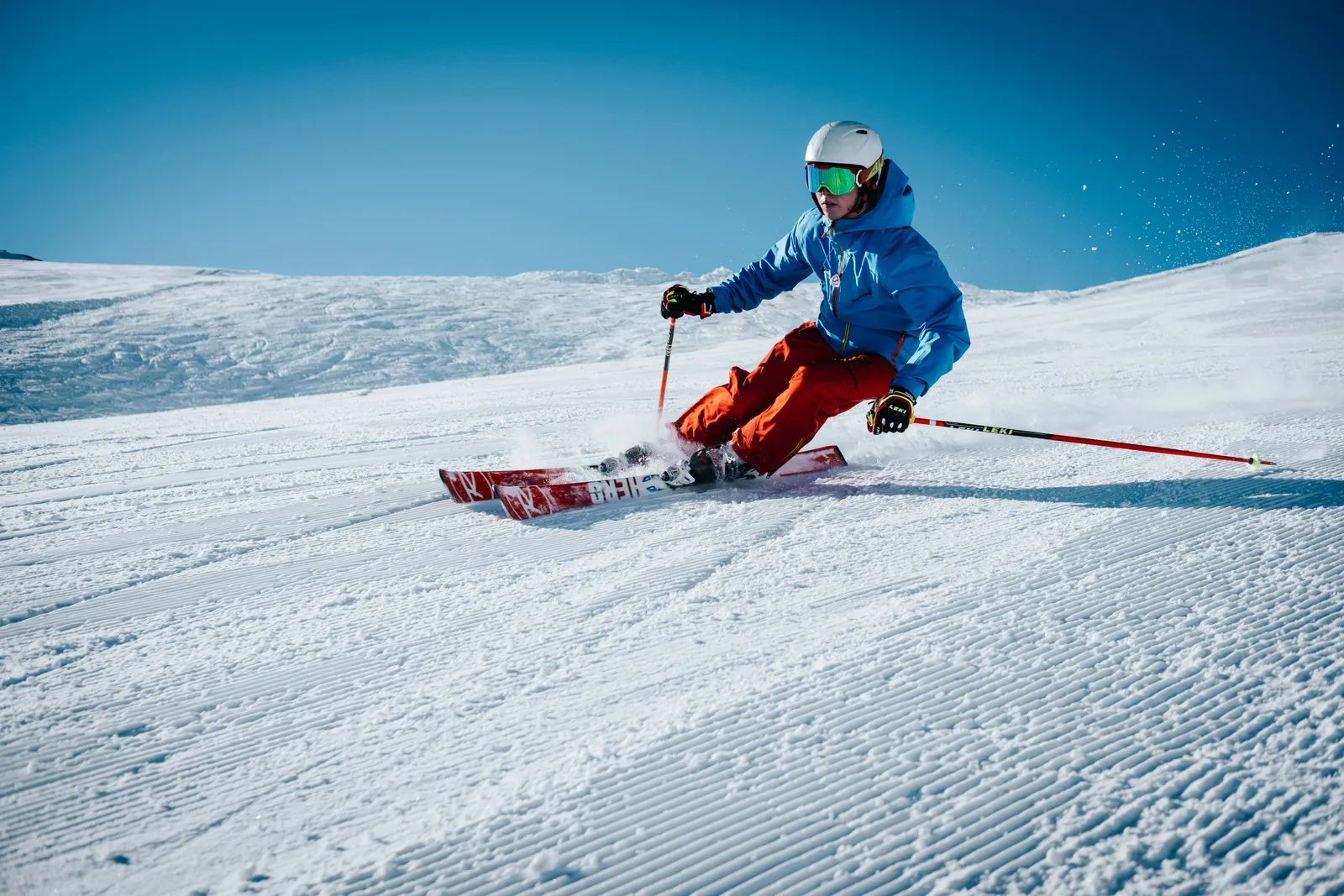
Relying on cotton as a base layer ranks among the most common missteps. Cotton absorbs moisture from sweat and holds it against the skin, which quickly turns chilling once temperatures drop or wind picks up. Thermal base layers designed for moisture management keep the body drier and more comfortable throughout the day. A better system uses three distinct layers that work together. The base wicks away sweat, a mid-layer such as fleece adds insulation, and a waterproof outer shell blocks snow, wind and rain. This combination allows adjustments as conditions shift from sunny groomers to shaded tree runs or sudden flurries, rather than forcing a single heavy garment that either overheats or fails to protect.
Underestimating Socks, Gloves and Footwear
Socks receive surprisingly little attention until cold feet ruin a day on the mountain. Thick everyday socks or multiple pairs crammed into ski boots can restrict circulation and actually make feet colder. Ski-specific socks that balance warmth with a snug fit inside boots tend to perform better and stay drier across multiple days. Gloves or mittens present a similar trap. Waterproof versions are essential, yet many travelers pack only one pair and discover it soaked by midday. A spare set or thin liners underneath the main gloves provides backup when conditions turn wet. On the ground, waterproof winter boots with good grip prove far more practical than ski boots for walking between lifts, restaurants and accommodation, while lightweight indoor shoes keep feet comfortable once the day ends.
Ignoring Sun and Wind Protection
High altitude and snow reflection create intense UV exposure that catches many visitors off guard. Sunscreen and lip balm with SPF become necessary even on overcast days, and areas such as the underside of the chin or ears often get missed. Goggles protect eyes from wind-driven snow and glare, while a neck warmer or buff adds quick defense against biting winds on exposed lifts. Helmets remain the standard choice on the slopes, whether rented or brought from home. Checking rental inclusions ahead of time prevents last-minute surprises, and bringing personal goggles or a helmet ensures the fit feels right from the first run.
Overpacking or Underplanning for Evenings and Travel
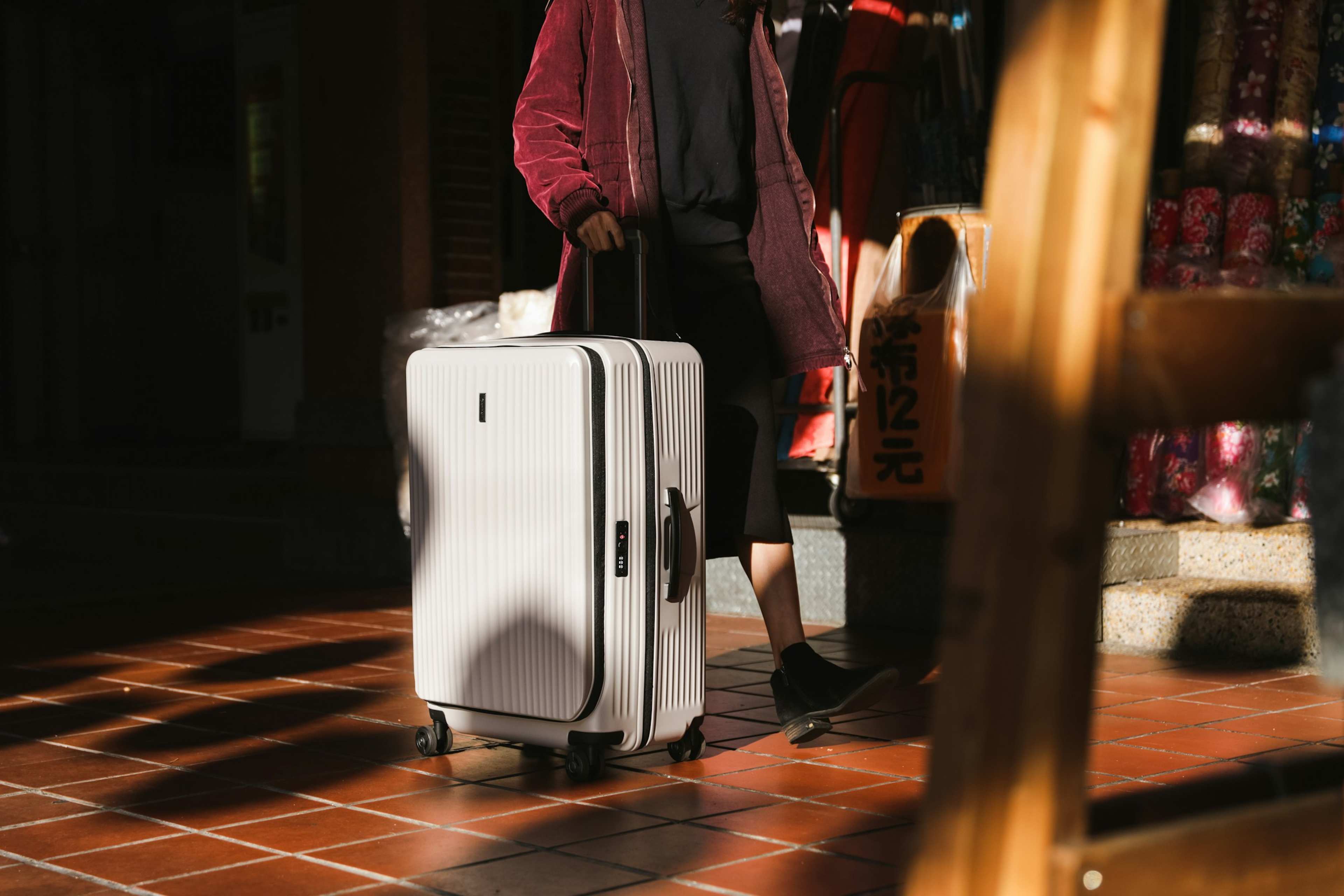
Focusing exclusively on ski clothing often leaves travelers short on versatile pieces for evenings. A few warm sweaters, comfortable trousers and one smarter option usually cover dinners, après-ski and relaxed chalet time without filling an entire suitcase. Neutral colors and mix-and-match items reduce bulk while still allowing different combinations each night. Travel day itself introduces another frequent oversight. Layering that can be added or removed handles temperature swings between airports and mountain villages more gracefully than a single heavy coat. Keeping medication, documents, chargers and a spare base layer in carry-on luggage provides security if checked bags are delayed.
Skipping the Pre-Trip Equipment and Weather Check
Assuming every item must travel in the suitcase leads to unnecessary weight. Confirming what ski equipment, transfers or passes are already included with a booking avoids duplicating rentals that are readily available at the resort. A final weather review a few days before departure helps fine-tune layers without overcommitting to one forecast, since mountain conditions can shift quickly between the village and higher elevations. Packing cubes and a little extra suitcase space further ease the process. They keep small items organized and leave room for any last-minute purchases once on site. The goal remains covering essentials without excess, so attention stays on the slopes rather than on what was left behind or carried unnecessarily.