Petty theft can happen even in destinations with low crime overall. Pickpockets concentrate on busy places, and many European cities are known for them, along with crowded attractions such as holiday markets. The Points Guy (TPG) ([1])collected accounts from its own staff and travelers about how thefts unfold, and most of those stories turn on a single moment of distraction rather than on anything dramatic.
Crowds and transit give thieves their cover
Public transportation is one of the most common settings for pickpocketing. TPG points to busy routes that serve tourist landmarks, including Rome’s Number 64 bus and Lisbon’s Tram 28, as places where visitors tend to lose focus. The risk is highest around doors and platforms, where a thief can step on, take a suitcase or bag, and leave before the doors close.
Some crews work as a team. One person creates a disturbance, such as a spilled drink, a sudden argument, or a staged stumble, while another targets people who are looking at the commotion. TPG staffers described a case in Montreal where a thief worked alongside a street performer, drawing a crowd into a circle and slipping into bags and pockets from behind. The lesson is practical: when something unusual happens nearby, keep your attention on your own belongings.
Bags and pockets are more vulnerable than most travelers assume
Many travelers know not to keep a wallet in a back pocket, yet front pockets and open-top bags are not safe either. One TPG editor recalled a relative who was robbed on public transit in Paris while carrying a large purse with no zipper on top. Such a bag offers almost no resistance to a determined hand.
Thieves have also adapted to common carry-on habits. One staffer said a bag was cut open from the bottom on the Prague metro, and the phone inside was taken before she noticed. Theft-resistant bags with cut-resistant straps and locking zippers are one response, though the goal is not to make a bag impossible to open. Making it harder to reach than the next target is often enough to discourage an opportunistic thief.
Habits that make a difference
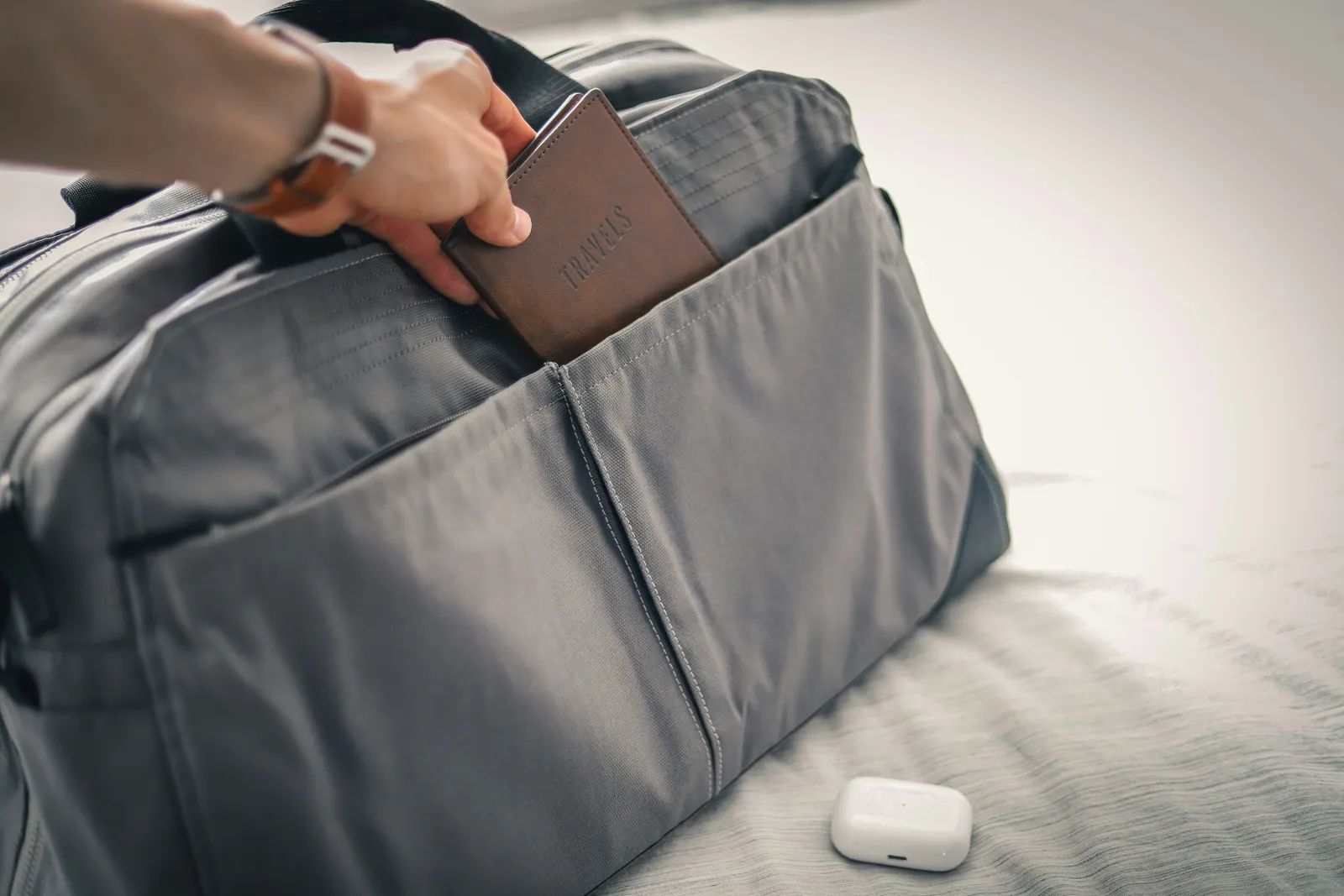
- Choose bags that zip closed, and consider linking the zippers together.
- Wear crossbody bags or fanny packs in front, or use a money belt under clothing.
- Turn a daypack to the front and keep it in sight on trains and buses.
- Hold a phone or camera firmly, using a wrist strap or lanyard when possible.
- Loop a bag strap around a chair leg in cafes, lobbies, and train cars.
Scams rely on politeness and momentary trust
Not every theft involves a grab. TPG contributors described scams that depend on friendly contact. In one case, a man approached a couple at an airport offering directions while an accomplice walked off with their luggage. Other scams involve jewelry or accessories placed on a person without consent, or a drink handed over and then followed by a demand for payment. Travelers who feel pressured to be polite can be caught off guard, so firm boundaries are worth setting early.
Payment fraud can also start in ordinary places. A TPG senior content strategist said an attendant at a gas station in Cabo, Mexico, took her credit card and passed it to someone who then went into a convenience store. A large charge appeared soon afterward. She reported it to her card issuer immediately, and the charge was reversed in about a week. Prompt reporting is often the difference between a minor inconvenience and a lasting problem.
Preparation limits the damage if theft occurs
Planning ahead can reduce what a thief gains. TPG recommends leaving flashy jewelry and designer luggage at home, since these items can attract attention. Travelers should also keep digital copies of important documents in a secure location so they can be accessed if originals are lost. Some credit card and travel insurance policies cover theft, so it is worth reviewing coverage before departure, and buying extra protection may make sense for expensive electronics or equipment.
Related Stories From Travelbinger


Hotel rooms can be safer than a daypack. Valuables that are not needed for the day can stay in a room safe or a locked suitcase. Keeping only essentials on your person, and blending in rather than advertising tourist status, further lowers the odds. Checking a map before leaving the hotel and learning how local transit works also helps avoid the confusion that makes visitors easy to target.
Theft remains relatively uncommon, and a few sensible habits will not eliminate the risk. They can, however, make a traveler a far less attractive target, which is often what thieves are looking for.