
Every few months, without much fanfare, the U.S. State Department quietly updates a list that carries more weight than almost any other travel document in existence. It is not a ban, and it will not stop anyone from booking a flight, but it does shape insurance policies, embassy staffing, and how much help you can expect if something goes wrong overseas. Right now, dozens of countries sit under the agency’s most serious classification, and a handful of them stand out for reasons that go well beyond routine caution.
Understanding why these five nations landed at the very top of the danger scale means looking past headlines and into the specific conditions the State Department cites when it decides a place is simply too risky for American travelers.
Afghanistan
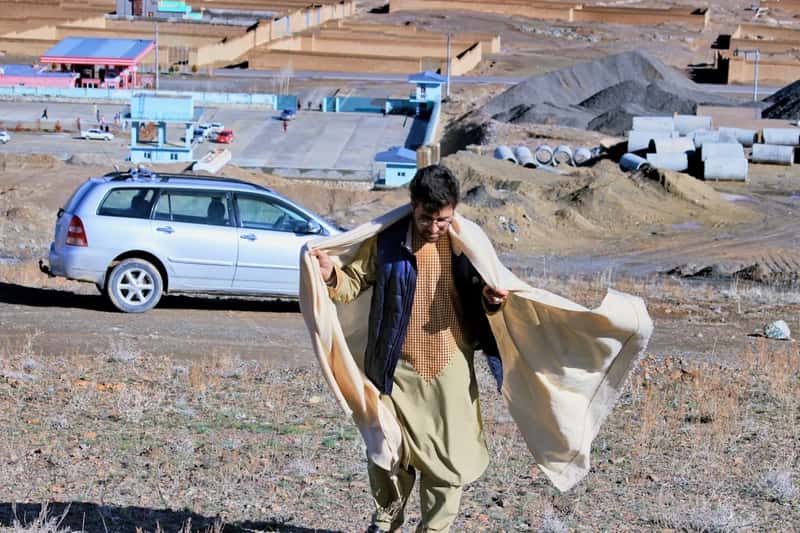
Afghanistan has held the Level 4 designation for years, and nothing about the current situation suggests that will change soon. The State Department points to ongoing security threats including terrorism, kidnapping, civil unrest and the U.S.’ limited ability to provide consular services as the core reasons behind the warning. There is no operating U.S. embassy in Kabul, which means Americans who run into trouble have almost nowhere official to turn.
What makes Afghanistan particularly unpredictable is the combination of factors stacked on top of each other. Armed groups, unstable governance, and a fragile security environment all overlap, and even experienced travelers who have covered conflict zones elsewhere tend to describe the country as uniquely difficult to navigate safely. The advisory has stayed unchanged through multiple review cycles, a sign that little has improved on the ground.
North Korea
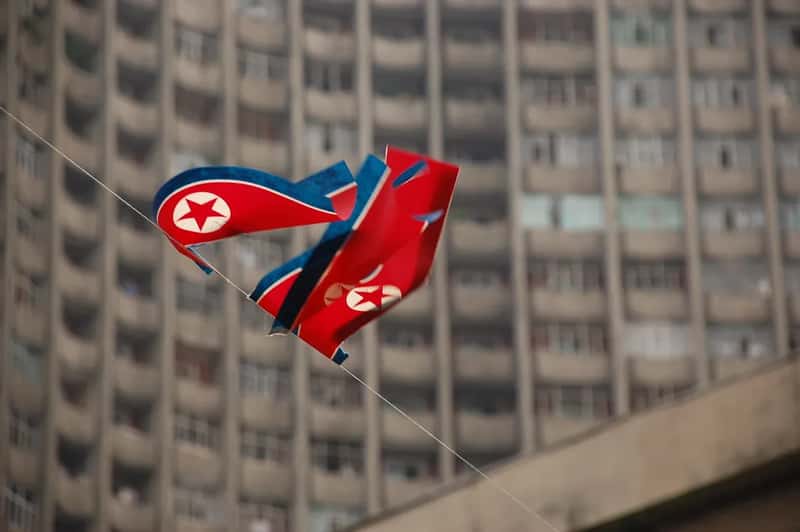
North Korea occupies a strange spot on the list because the danger there is less about street crime and more about the state itself. According to the State Department’s assessment, the core issue is the risk of arrest and long-term detention, coupled with very limited U.S. government access. There is no American embassy inside the country, and Sweden’s diplomatic mission handles what little consular contact exists.
Tourists who do visit North Korea travel exclusively through government-approved tours, with minders present at nearly all times. Small missteps, things that would be non-issues almost anywhere else, have led to lengthy detentions of foreign visitors in the past. The isolation is total enough that if something goes wrong, getting help from Washington is close to impossible.
Russia
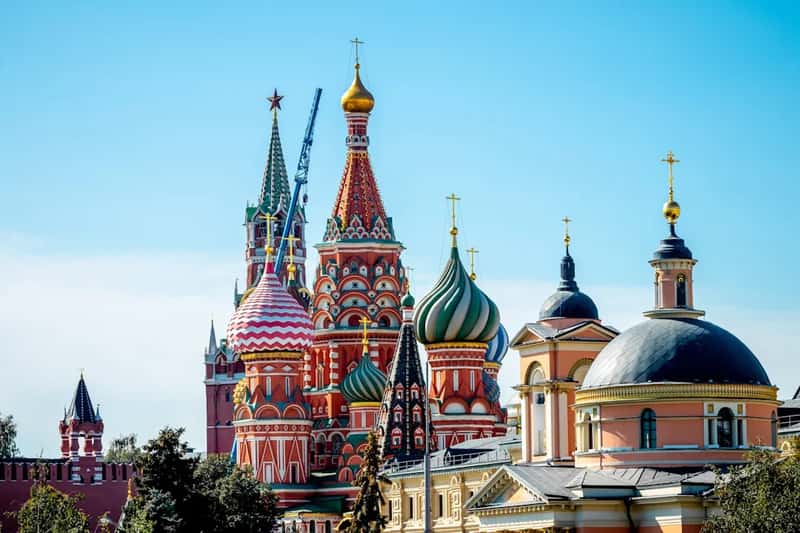
Russia’s inclusion on the list has less to do with random violence and more to do with the legal and political environment Americans face there. The advisory specifically flags risks including wrongful detention of U.S. citizens, harassment by security officials, and the consequences of the war in Ukraine. That combination has made Russia one of the more legally precarious countries for American passport holders in recent years.
The war with Ukraine has only intensified scrutiny of foreign nationals, and the State Department has repeatedly warned that Americans can be targeted or held for reasons that have nothing to do with anything they actually did. Embassy operations remain reduced, which limits the support available to anyone who runs into trouble. For a country that was once a fairly common stop on world tours, the current climate is a significant shift.
Sudan
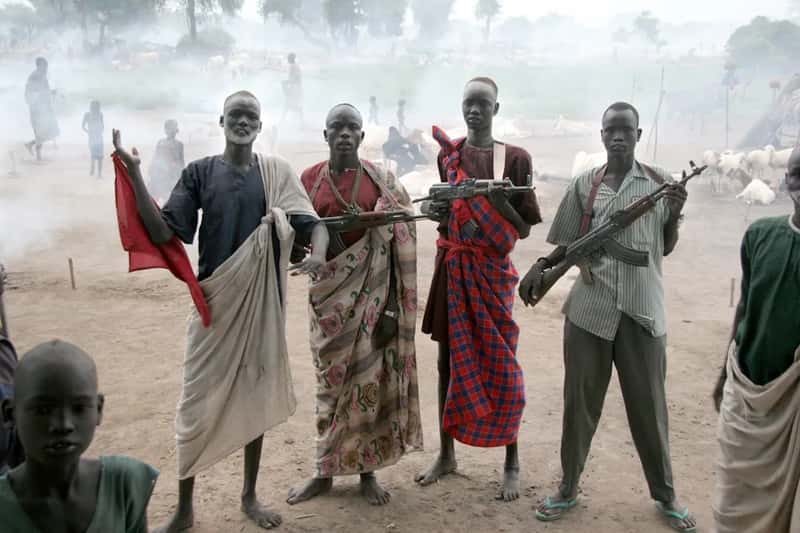
Sudan’s advisory reflects one of the more severe humanitarian crises currently unfolding anywhere in the world. The State Department notes that ongoing conflict between rival military factions has created a severe humanitarian and security crisis. Fighting between competing forces has displaced millions of people and left basic infrastructure, including hospitals and water systems, badly damaged in many regions.
For travelers, the practical reality is that safe zones can shift overnight, and there is little way to predict where fighting will flare up next. Communication networks are unreliable in large parts of the country, which complicates everything from arranging transport to reaching emergency services. Aid organizations have continued operating in parts of Sudan, but they do so under conditions that most ordinary travelers would find impossible to manage.
Venezuela

Venezuela’s Level 4 status became especially newsworthy given events that followed it. Venezuela is now under a Level 4 advisory as of December 2025, just before a U.S. military operation in January 2026 that launched airstrikes into the country and took President Nicolas Maduro and his wife, Cilia Flores, into custody on narco-terrorism, drug-trafficking and weapons charges. The upgrade came at a moment of already significant instability, and the aftermath of that operation has left the country’s political situation in flux.
Beyond the immediate fallout, Venezuela has struggled for years with economic collapse, fuel shortages, and a security apparatus that critics say targets both locals and foreigners inconsistently. Reports of arbitrary detention involving U.S. citizens have added another layer of risk that outlasts any single political event. Even travelers drawn to Venezuela’s beaches and mountains have found that the on-the-ground reality shifts too quickly to plan around safely.