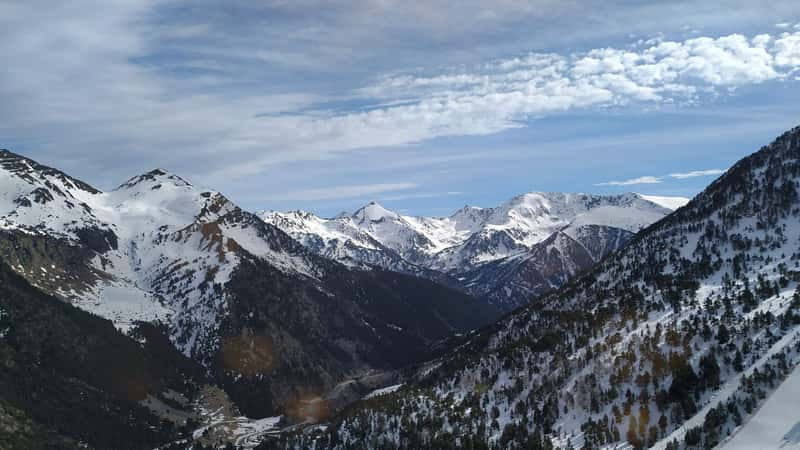
Tucked into a fold of the Pyrenees between France and Spain sits a country so small that most people can drive across it in under an hour, yet it pulls in a tourist crowd that dwarfs its own population many times over. Andorra is not the destination most travelers picture when they think about the world’s most visited places, but the numbers tell a wild story. This tiny co-principality doesn’t just meet the “10 tourists per local” benchmark, it blows past it, and the reasons behind that surge are as fascinating as the mountain scenery itself.
A Tiny Nation Squeezed Between Giants
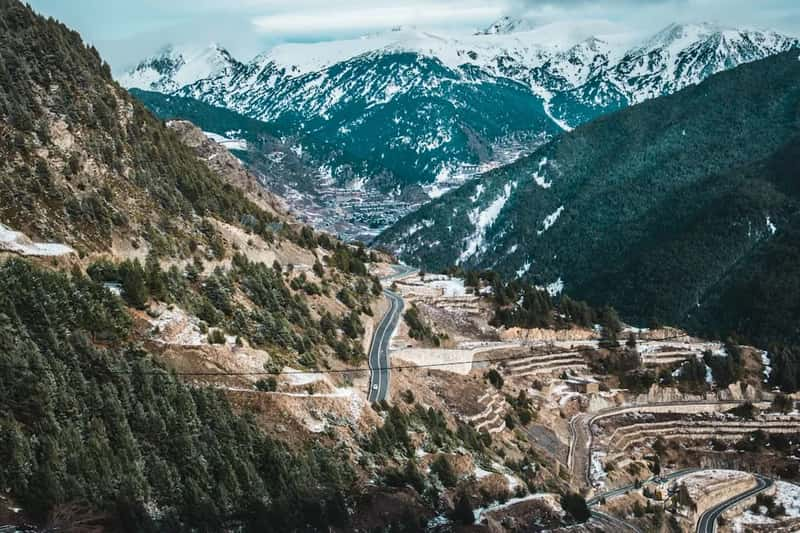
Andorra covers barely 180 square miles, making it one of the smallest countries in Europe, wedged so tightly between its two much larger neighbors that many travelers barely notice they’ve crossed a border. Its population sits at roughly eighty thousand people, a number so modest that entire tourist buses could nearly rival a village’s worth of residents in a single afternoon. A mountainous principality tucked into the border between France and Spain, Andorra has both gorgeous scenery and historic sights, home to just 80,088 people.
What makes the country stand out geographically is how the entire nation functions almost like one long alpine valley, with a single main road threading through it. There’s no airport for commercial flights, so nearly everyone arrives by car or coach from France or Spain, which somehow makes the crowds feel even more concentrated once they funnel into the capital and the ski resorts. It’s a strange sensation for visitors, realizing that the quiet mountain roads they drove in on are the same ones tens of millions of others use every year.
The Numbers Behind the Surprise
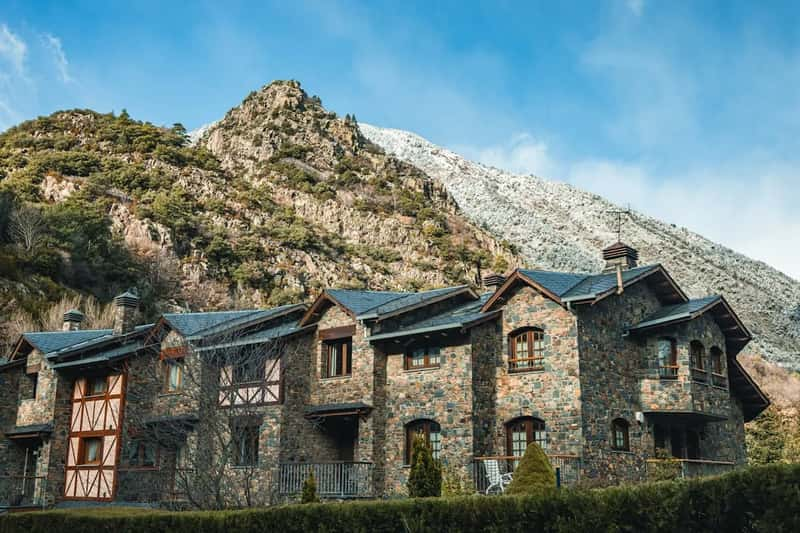
Here’s where the “10 to 1” framing actually undersells things. Andorra ranks second only to Vatican City worldwide, with its 2024 tourism total reaching 9.6 million, compared to a population of just under 82,000 permanent residents. Divide that out and the ratio climbs well past a hundred visitors for every single resident, a figure that would sound implausible if it weren’t backed by official tourism data.
Other tallies land in similar territory. Andorra recorded a total of 4.17 million international tourists and an additional 5.48 million foreign same-day visitors in 2024, and when converted to travelers per inhabitant, the country reached 117.73 travelers per inhabitant, clearly among the leaders in a global comparison. Even using the more conservative figure of just overnight tourists rather than day-trippers, Andorra still comfortably clears ten visitors for every local several times over, which is exactly why it keeps popping up on lists of places where tourists overwhelm residents.
Duty-Free Shopping Draws the Crowds

A huge part of Andorra’s appeal has nothing to do with mountains at all. Because it is not a member of the European Union, Andorra is able to sell a wide range of duty-free products, including alcohol, perfume and cigarettes. For day-trippers from Barcelona or Toulouse, that’s often reason enough to hop in the car for a weekend run across the border.
The retail culture here is relentless in the best possible way for bargain hunters. Shops in Andorra close for only four days per year, and business days from Sunday to Thursday often last until 8 p.m., with Friday and Saturday hours extending until 9 p.m. That kind of accessibility, paired with tax-free prices, turns Andorra la Vella’s shopping strips into a magnet for cross-border visitors who might stay just long enough to fill a trunk with goods before heading home the same day.
Skiing and the Pyrenees Playground
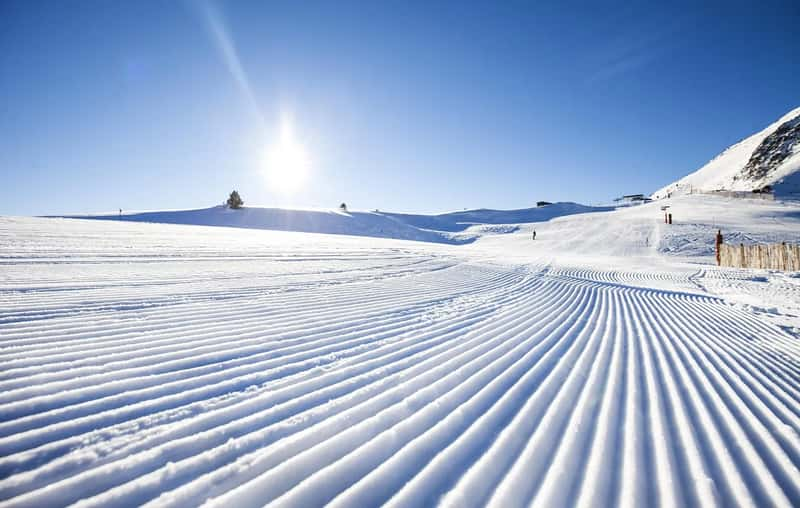
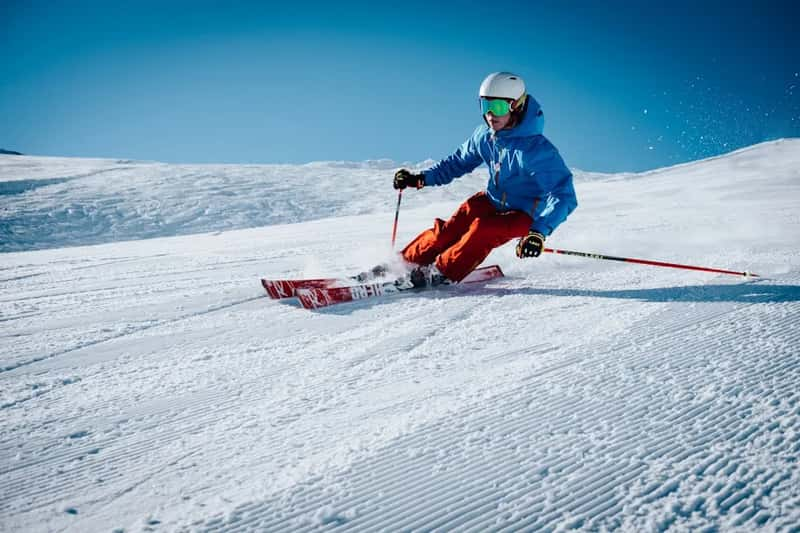
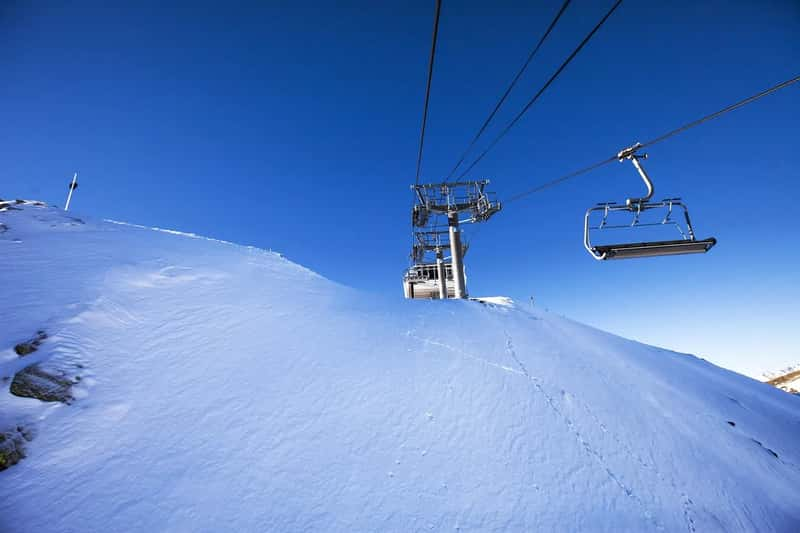
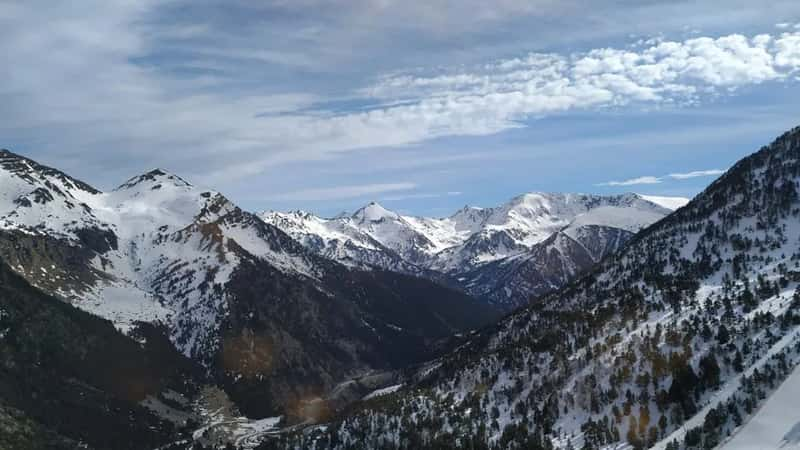
Winter is when Andorra truly earns its reputation as a tourism powerhouse. Tourism in Andorra revolves around outdoor activities such as hiking and skiing, and the country’s slopes are especially popular with visitors from Spain, France and the United Kingdom because their relatively gentle terrain suits beginners and families. Entire resort towns spring to life each ski season, drawing crowds that would make far larger countries jealous.
It’s not just about downhill runs either. A big destination for skiing in winter, its peaks and valleys are a pinnacle for hillwalkers and climbers in the summer, with those up for a challenge able to test their mettle on one of its 13 Via Ferrata routes. That year-round appeal helps explain why Andorra doesn’t just get a seasonal bump like many ski destinations, it stays busy for most of the calendar.
Tourism as the Backbone of the Economy
Andorra’s economy leans on visitors in a way that few countries can match. Before the pandemic disrupted global travel, tourism revenue made up more than half of the nation’s gross national product, a dependence that leaves little room for a bad season. In 2019, income from tourism amounted to 1.90 billion dollars, or around 60.12 percent of gross national product.
That reliance cuts both ways. In 2020, sales to tourists collapsed due to the COVID-19 pandemic, and only 1.35 billion dollars remained from the 1.90 billion dollars recorded in 2019, a decrease of 29 percent. The rebound since then has been sharp, with visitor numbers climbing back toward pre-pandemic levels and the economy once again riding the wave of shoppers and skiers pouring in from both sides of the border.
Life for the Eighty Thousand Locals
Living in a country where visitors outnumber you by dozens to one changes daily life in ways that are easy to overlook from the outside. Traffic on the single main highway can back up for miles during peak ski weekends or summer holiday stretches, and locals have learned to plan errands around the rhythm of tourist arrivals rather than the other way around.
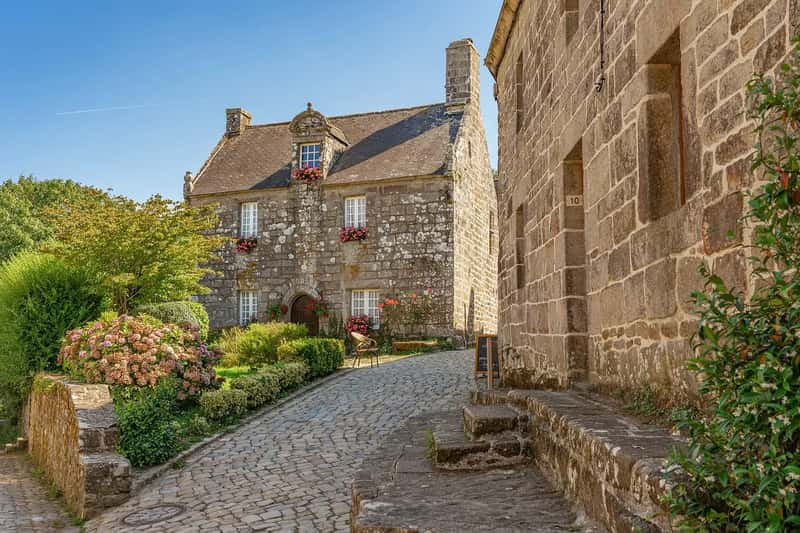
Yet there’s also a quieter side to Andorran life that tourists rarely see. Away from the shopping strip and the resort lifts, mountain villages and the old quarter of the capital retain a slower pace, and many residents describe a kind of practical coexistence with the tourism economy rather than resentment toward it, since so much of the country’s prosperity depends on those visitor numbers holding steady.
How Andorra Stacks Up Against Other Overrun Destinations
Andorra is far from alone in this club, though its numbers are especially extreme for a country of its size. Places like Turks and Caicos, Aruba, and the British Virgin Islands each see more than 10 tourists for every local resident, with economies that rely heavily on hospitality, cruise arrivals, and luxury travel. Those Caribbean territories share Andorra’s basic formula of a tiny population paired with an outsized draw.
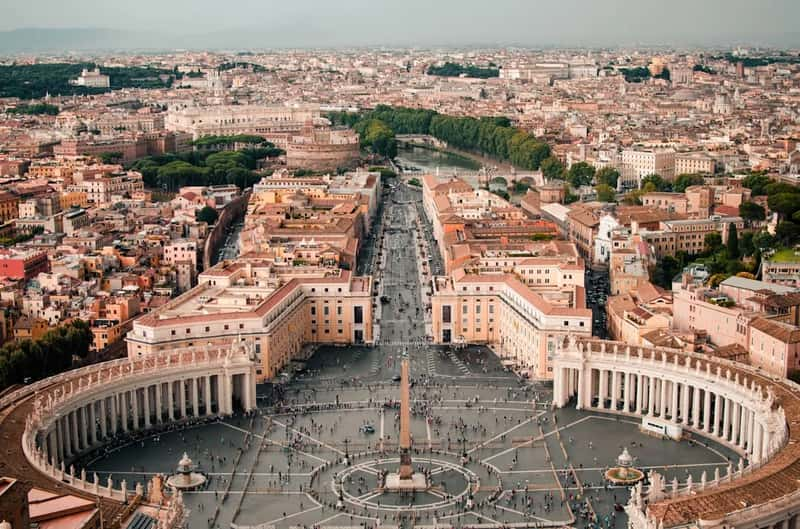
Vatican City tops nearly every version of this ranking, and San Marino isn’t far behind either. Some 1,904,000 tourists visit San Marino every year, outnumbering the country’s population of 33,642 by an enormous 57:1 ratio. Compared to that, Andorra’s figures, whether you use the conservative overnight-tourist count or the fuller total including day-trippers, put it firmly in the same rarefied company of nations where the visitor economy completely eclipses the resident population.
Managing the Crowds Going Into 2026
Small countries facing this kind of imbalance eventually have to grapple with infrastructure and environmental strain, and Andorra is no exception. The government’s tourism agency has spent recent years working on competitiveness and sustainability efforts rather than simply chasing raw visitor numbers, a shift that reflects growing awareness across Europe’s smaller destinations that unchecked growth can erode the very charm that attracts people in the first place.
Heading into 2026, Andorra continues to balance its duty-free retail identity and ski tourism against the practical limits of its road network and mountain terrain. Unlike some overtourism hotspots that have introduced strict visitor caps or entry fees, Andorra’s approach so far has leaned more on spreading demand across seasons and activities, banking on skiing, hiking, and shopping each drawing different crowds at different times of year rather than everyone arriving at once.
Planning a Visit Without Adding to the Squeeze
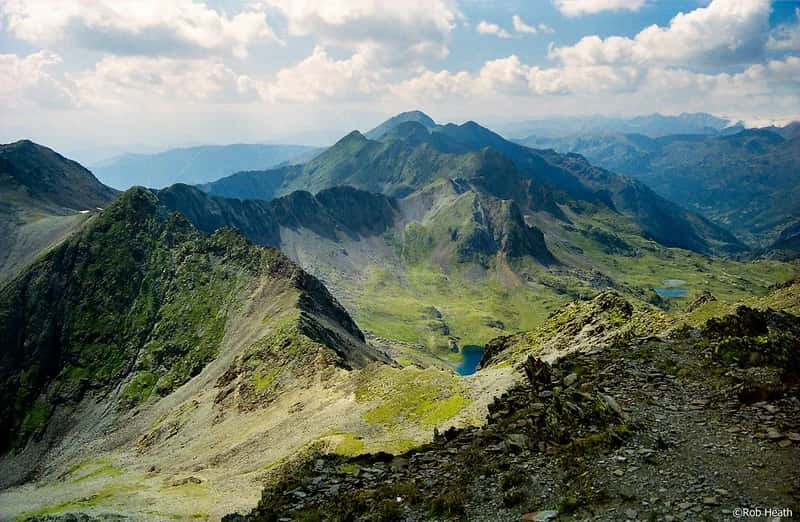
For travelers curious about experiencing Andorra without simply becoming another statistic in an already lopsided ratio, timing matters enormously. Visiting during shoulder seasons, whether that’s late spring hiking weather or early winter before peak ski crowds arrive, tends to offer a far more relaxed experience of the mountains and the capital’s old town.
It also helps to venture beyond the main shopping corridor and the busiest resort lifts. Andorra’s smaller villages and quieter trails still offer the scenery and character that first drew visitors here, minus the bumper-to-bumper traffic that defines peak weekends. Anyone willing to explore past the duty-free shops will find a country whose landscape earns its reputation independent of the crowds.
A Small Country With an Outsized Story
Andorra’s tourism figures are a reminder of how deceptive raw visitor numbers can be without context. A country doesn’t need to be France or Spain, drawing in tens of millions of tourists in absolute terms, to feel completely reshaped by travel. When your population barely tops eighty thousand, even a modest surge in visitors can turn into a ratio that sounds almost unbelievable on paper.
What makes Andorra especially compelling is that this imbalance isn’t a recent fluke or a pandemic-era anomaly, it’s been the defining feature of its economy for decades. Whether you measure it conservatively or generously, this small Pyrenees nation proves that sometimes the most surprising travel statistics come from the places most people would never think to look.