Healthcare bills have a way of turning into the loudest number in anyone’s budget, and for millions of people the search for a cheaper alternative has moved well beyond borders. What used to be a niche idea, flying somewhere else for surgery or signing up for private insurance abroad, has quietly become a mainstream financial strategy. The countries below aren’t guesses. They’re places where private hospitals, clinics, and insurance markets consistently post lower price tags than what patients face in the United States, the United Kingdom, or much of Western Europe, and the gap is often large enough to change someone’s entire approach to medical care.
1. India

India sits at the top of this list largely because of scale. The country has built a dense network of private hospitals that meet international standards, and many facilities have Joint Commission International accreditation, ensuring world-class treatment for international patients. That accreditation matters because it signals the hospitals are held to the same benchmarks patients would expect in Europe or North America, just without the matching price tag.
The savings are not small print exaggerations either. Procedures abroad can cost 50 to 80% less than in the U.S. or U.K., and a hip replacement that costs $50,000 in the U.S. may cost under $10,000 in India. Cardiac surgery, orthopedic work, and complex specialty care follow a similar pattern, which is why India remains a first stop for patients comparing global options.
2. Mexico

Mexico’s appeal starts with simple geography for anyone living in the United States or Canada, but the real draw is the price gap. Annual healthcare spending figures put this in perspective: the cheapest country surveyed, Mexico, has an average healthcare expenditure of $1,181 a year, compared with thousands more spent per person in the U.S. That figure covers routine and private care combined, not just emergency visits.
Anecdotal experience backs up the statistics too. One long-term digital nomad described a Mexican clinic where the clinic posted prices right on the wall, no guessing, no surprise bills in the mail, and even paying out of pocket, it was a fraction of what she would have spent back home. That kind of price transparency is rare in American healthcare and it’s a big part of why Mexico keeps climbing on affordability rankings.
3. Thailand

Thailand built its reputation on a blend of medical quality and hospitality, and the private hospital sector there has matured into one of the most respected in Asia. According to recent analyses, Thailand offers cost savings of up to 50-70% compared to Western countries, spanning everything from cosmetic procedures to orthopedic surgery. Bangkok in particular has become a hub where private hospitals cater almost entirely to international patients.
What sets Thailand apart from some competitors is the recovery experience built around the treatment itself. Hospitals there commonly offer strong infrastructure not just for surgery but post-treatment recovery, often in a comfortable holiday-style environment, which appeals to medical travellers seeking both care and recuperation. That combination of clinical care and comfort keeps Thailand near the top of most cost comparisons year after year.
4. Turkey

Turkey has carved out a specific niche in affordable private healthcare, particularly around cosmetic and dental work. Turkey provides cost savings of 50–70% compared to Europe and the USA, and hospital groups such as Acibadem and Memorial have built large international patient departments to handle the volume. The savings aren’t limited to one procedure type either; they show up consistently across specialties.
The individual numbers tell the story clearly. A hair transplant that runs $7,000 to $12,000 in the U.S. costs roughly $2,200 in Turkey, LASIK eye surgery drops from around $4,000 to about $1,000 for both eyes, and rhinoplasty falls from roughly $8,000 to near $3,000, according to industry cost comparisons, keeping Turkey’s balance of affordability and safety, together with English-speaking surgeons trained in Europe, at the forefront of medical tourism. Many clinics also bundle accommodation and airport transfers into treatment packages, which further softens the total bill.
5. Malaysia
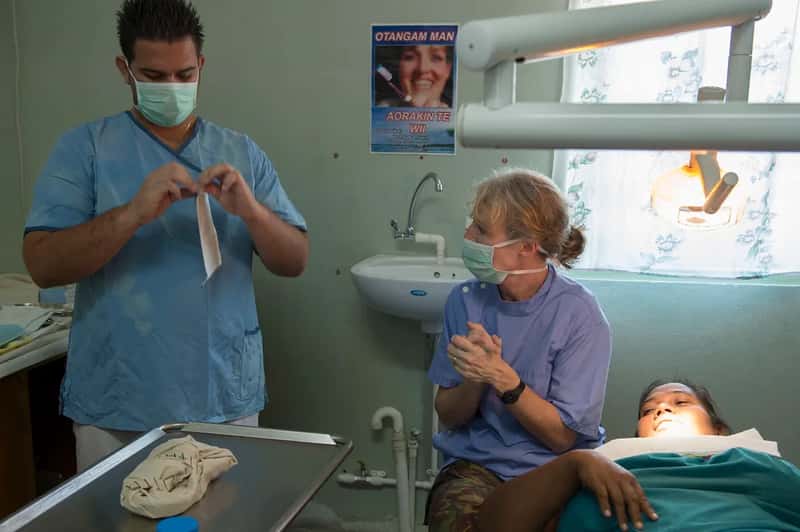
Malaysia has quietly become one of the least expensive places in Southeast Asia for serious private medical care, and industry groups back that claim with hard numbers. Private hospital association leaders have noted that Malaysia seems to be the lowest in private healthcare pricing for any procedure in ASEAN, and it has been the lowest for years. Heart surgery is the clearest example, since Malaysian surgeons’ maximum fee of RM16,000 for a major heart procedure is much lower than counterparts in Indonesia’s private sector at about RM20,000 and Singapore at about RM66,000.
Cosmetic and elective surgery follow the same discount pattern. Patients typically see significant savings with procedures typically costing 40 to 70% less than in comparable Western clinics, while still being treated in JCI-accredited facilities with English-speaking staff. That mix of accreditation, language ease, and rock-bottom pricing is a large part of why Malaysia draws patients from wealthier neighboring countries as well as from further afield.
6. Indonesia
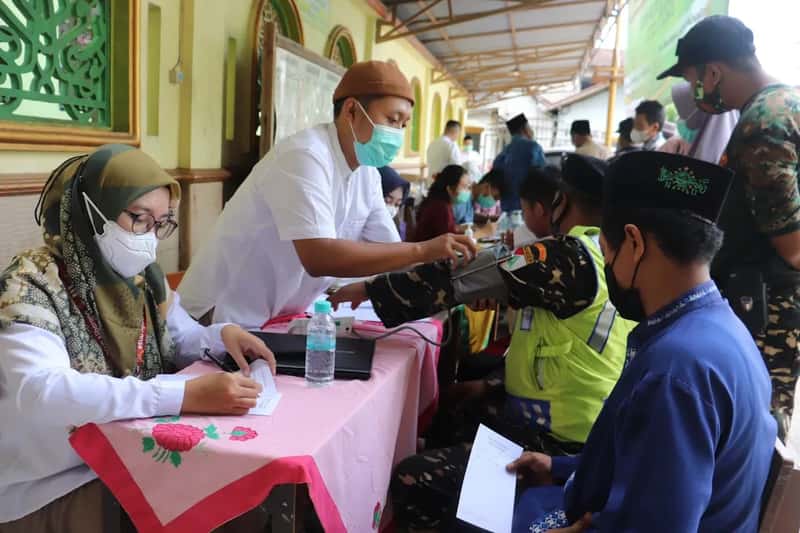
Indonesia doesn’t get quite the same international attention as Thailand or Malaysia, but its private healthcare sector has grown quickly and remains notably cheap. Routine private care is inexpensive by almost any standard: a general practitioner visit at a private hospital typically runs Rp 400,000 to 800,000, or roughly US$25 to $50. Specialist consultations and hospital stays follow a similarly modest scale compared with Western pricing.
On the surgical side, the discounts widen considerably for anyone traveling specifically for treatment. Cosmetic and orthopedic surgeries in accredited Indonesian facilities can run as low as $3,500 compared to $15,000 in the U.S., and broader estimates put typical savings at between 40% to 70% on procedures compared to Australia, the US, or the UK, covering everything from dental work to orthopedics. Bali in particular has leaned into this by pairing modern hospitals with resort-style recovery stays.
7. Colombia

Colombia has become one of the more surprising entries on any affordable healthcare list, partly because its outcomes are genuinely strong rather than merely cheap. Colombia’s healthcare system ranks higher than the U.S. in World Health Organization rankings, which is not something most budget destinations can claim. Cities like Bogotá and Medellín host modern private hospitals staffed by doctors trained in the U.S. or Europe.
For residents and expats, the pricing is almost as notable as the quality. Expats with residency can join the national health insurance program, EPS, for around $70 to $85 a month for two people, and pre-existing conditions generally aren’t a barrier to enrollment. Private hospitals in the country’s major cities add a further layer of choice for anyone wanting faster access or more personalized care on top of that base coverage.
8. Costa Rica

Costa Rica has built its reputation on preventative care and a healthcare system that manages to serve both locals and international patients well. The country’s universal healthcare system, known as Caja, is open to legal residents and is praised for its focus on preventative care, making it a major hub for medical tourism due to its quality and low costs. That public backbone keeps overall system costs down even as private hospitals expand alongside it.
On the private side, San José has become a real center for international patients seeking dental work, cosmetic procedures, and orthopedic treatment. Typical savings for these procedures run in the range of 50 to 70% compared with equivalent care in the U.S. or Canada, and the country draws a steady stream of American and Canadian retirees who split their care between public and private options depending on the need.
9. Portugal

Portugal has become a favorite for retirees and remote workers largely because its healthcare costs are so manageable relative to the quality on offer. The public system, known as the SNS, is tax-funded and available to residents, and public care is low-cost or free, with most doctors speaking English. That baseline access makes the decision to add private coverage feel more like an upgrade than a necessity.
Private insurance itself is where Portugal really stands out on price. Coverage starts around $50 a month, depending on age and coverage level, which is a fraction of comparable private plans in the U.S. or U.K. That combination of a functioning public safety net and cheap private add-ons is a large part of why Portugal keeps appearing on relocation shortlists.
10. Spain

Spain rounds out this list because it manages something fairly rare: genuinely high-quality private healthcare at prices that stay reasonable even for younger, healthier applicants. Recent market data puts the average cost of private health insurance premiums in Spain for 2025 at approximately €698 per capita, or about €58.2 per month. For a healthy applicant in their thirties, quotes can run even lower than that average.
Pricing does climb with age, as it does almost everywhere, but Spain’s ceiling is still modest by international standards. A typical range runs from around 45 to over 300 euros per month depending on age, the carrier, and the level of coverage, with most younger applicants landing well under the halfway point of that range. Major cities like Barcelona and Madrid also offer English-speaking specialists, which helps explain why Spain remains a popular base for both retirees and long-term expats weighing private coverage.
These ten countries don’t share a single formula for keeping private healthcare affordable. Some, like India and Thailand, lean on scale and a hospital sector built specifically around international patients. Others, like Portugal and Spain, combine a strong public system with private insurance that stays cheap because it isn’t carrying the entire burden of care. Colombia and Costa Rica land somewhere in between, blending solid public infrastructure with private options that are still priced for local wallets rather than international ones. Whatever the mechanism, the pattern across all ten is consistent: private care doesn’t have to cost what it costs in the United States, and for a growing number of patients, that gap is reason enough to look elsewhere.