There’s a shift happening along the Yucatán Peninsula that doesn’t show up in the usual tourism brochures. While Cancun keeps pulling in massive crowds year after year, a quieter town tucked near the Belize border has been steadily building its own following. It doesn’t have a beach in the traditional sense, and it doesn’t have a single high-rise resort, yet more travelers than ever are rerouting their Mexico itineraries to include it.
That town is Bacalar, home to the so called Lagoon of Seven Colors, and its rise says a lot about what a growing number of vacationers actually want these days. Here’s a closer look at what’s pulling people away from Cancun’s Hotel Zone and toward this lagoon town instead.
1. No sargassum problem at all
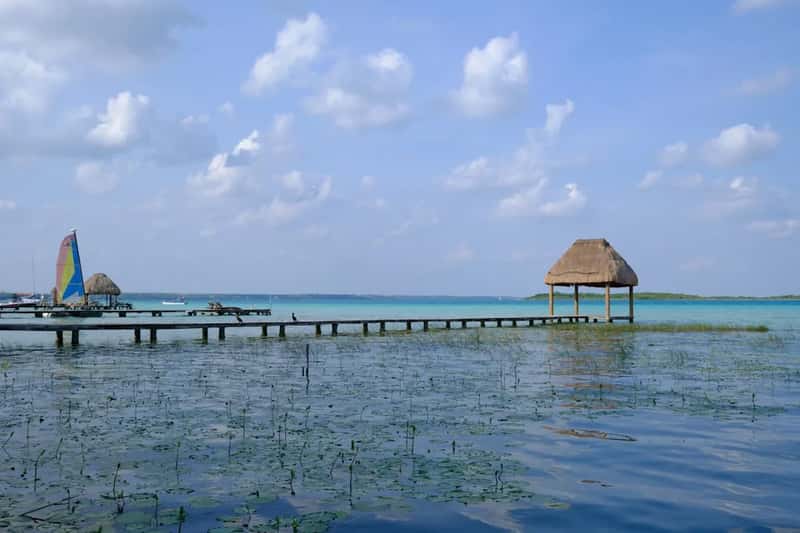
Anyone who has planned a Caribbean beach trip in the last several years knows the drill: checking seaweed forecasts before booking flights. Because Bacalar is entirely inland and freshwater, it is 100% physically immune to the sargassum seaweed crisis that plagues the oceanfront beaches of Cancun and Tulum during the summer. That single fact removes an entire layer of anxiety from trip planning.
Cancun visitors often have to build in a backup beach plan just in case the shoreline turns messy during peak seaweed months. Bacalar travelers never have to think about it, since there’s no ocean tide bringing in unwanted algae in the first place. It’s a small logistical detail that ends up mattering a great deal once you’re actually there.
2. The lagoon’s color is unlike anything on the coast

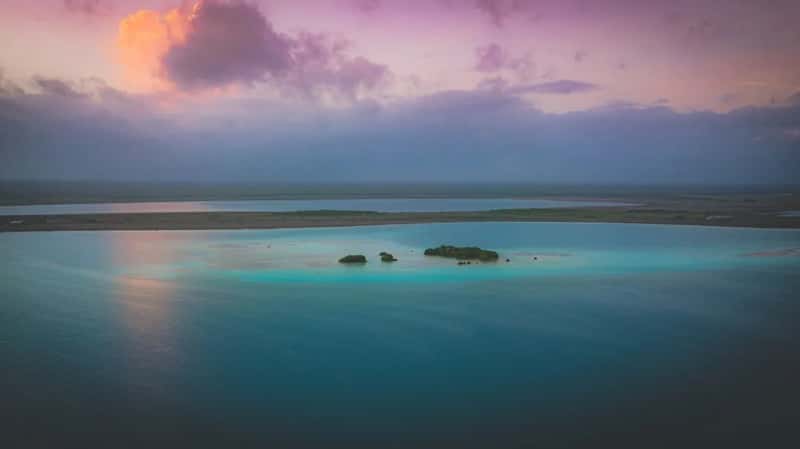
Situated near the Belize border, the town is centred around a vast freshwater lagoon known for its extraordinary colour gradients, formed by a white limestone bed that reflects sunlight in multiple shades of blue. The effect is often compared to some of the most exclusive island destinations in the world, minus the price tag that usually comes attached to that kind of scenery.
Despite being inland, the water clarity and colour variation give Bacalar a strong coastal aesthetic appeal. Photos from the lagoon tend to look almost unedited, which is part of why the town has become such a draw for travelers chasing something visually distinct from the standard Caribbean postcard shot.
3. It skips the mega resort model entirely
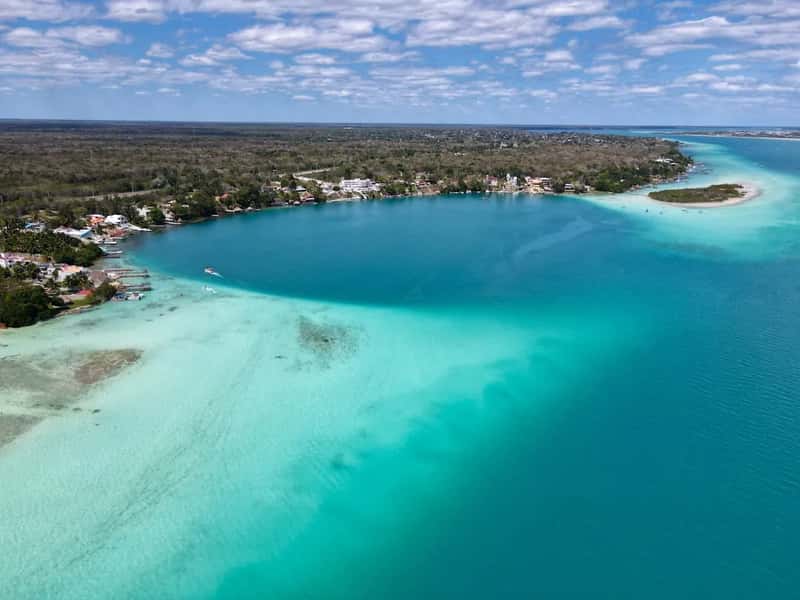
Cancun built its reputation on massive all-inclusive properties lining the Hotel Zone. Bacalar took the opposite path. Thanks to Bacalar’s dedication to sustainable tourism, you won’t find massive hotels or all-inclusive resorts here.
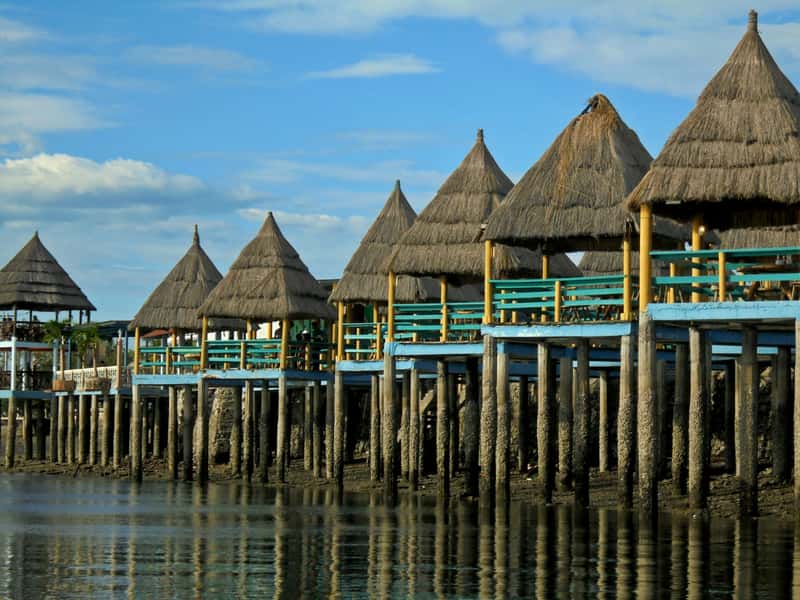
Instead, the town leans on boutique lodges, eco hotels, and smaller lakeside stays that fit into the landscape rather than dominate it. That approach naturally caps the number of visitors at any given time, which keeps the whole experience feeling far less crowded than a typical Cancun stretch of coastline.
4. Tourism revenue is growing fast, even without mass crowds
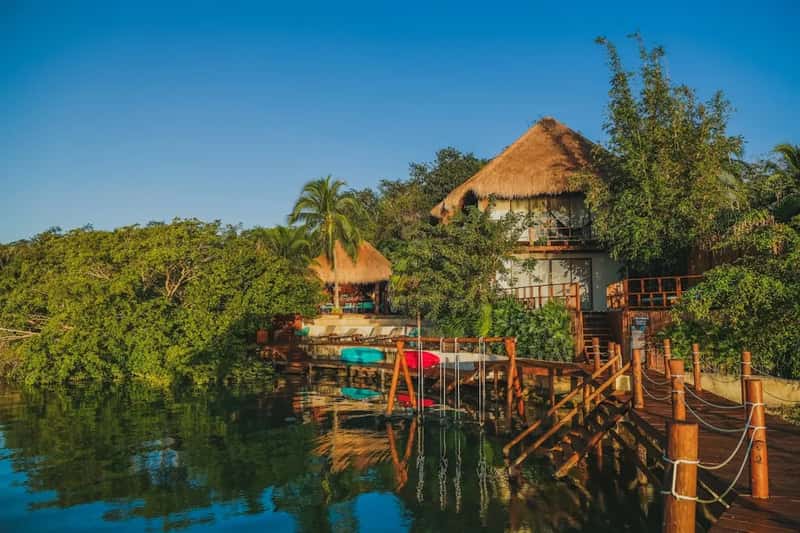
Bacalar’s slower approach hasn’t hurt it economically, quite the opposite in fact. Centred around the ethereal “Lagoon of Seven Colours,” this town witnessed a staggering 108% jump in spending revenue, a calculated victory as Bacalar explicitly rejected mass tourism in favour of a “Luxury Eco-Niche” model.
By capping development and favouring high-rate, low-impact retreats like Habitas Bacalar, the town has created a playground for the “Conscious Elite,” and it is currently the fastest-growing investment zone in southern Mexico. That statistic alone tells you a lot about where traveler priorities are heading in 2026.
5. It feels noticeably safer than the bigger resort hubs
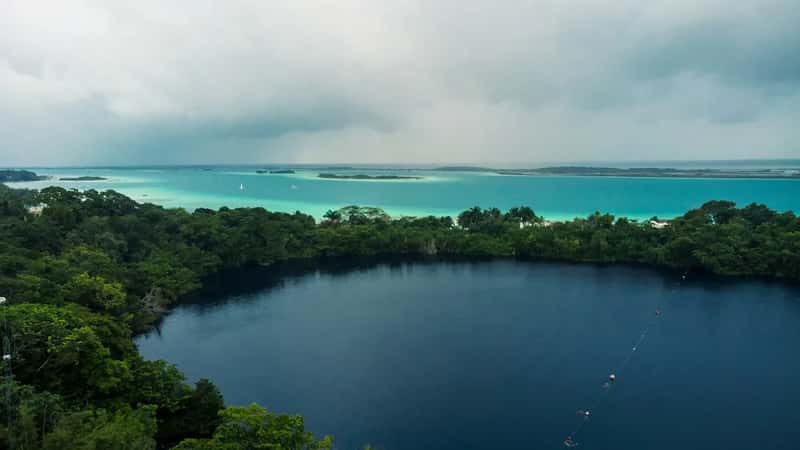
Safety perception plays a bigger role in trip planning than most people admit, and Bacalar consistently comes up favorably in this regard. Bacalar is significantly safer than Quintana Roo hotspots like Cancún, Playa del Carmen, and Tulum.
In those cities, thieves and scammers target tourists and drug dealers solicit tourists, while your likeliest danger in Bacalar is ending up with a painful sunburn from not reapplying sunscreen. For solo travelers and families alike, that difference in day to day comfort adds up over the course of a trip.
6. There’s no pressure to party

Cancun built an entire identity around nightlife, and for plenty of visitors that’s exactly the appeal. Bacalar simply doesn’t offer that scene, and that’s precisely the point for a growing subset of travelers.
Those seeking a wild spring break atmosphere may be disappointed by Bacalar, since there are no parties or nightclubs there. Instead, the town offers nature, culture, and a colony of the first living organisms that appeared on Earth. That’s a distinctly different pitch than beach clubs and late night entertainment districts, and it’s resonating with people looking for a calmer version of a Mexico vacation.
7. Its Pueblo Mágico status protects the town’s character
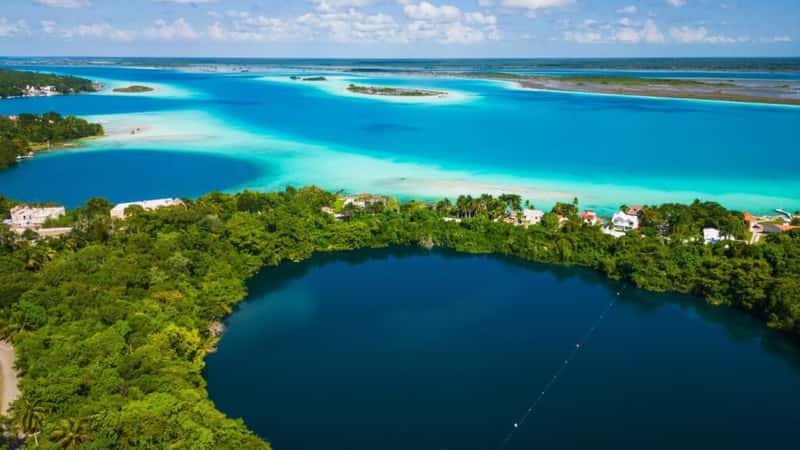
Bacalar carries an official Pueblo Mágico, or Magic Town, designation, a recognition given to Mexican towns considered culturally and visually significant enough to warrant special preservation efforts. The town itself is a designated “Pueblo Mágico” with a bohemian, rustic feel, and visitors will find incredible over-water swings, cheap street tacos, and a community of travelers who appreciate the slower, more sustainable side of Mexico.
That designation isn’t just a label. It has helped shape local policy around development, which is part of why Bacalar still looks and feels like a small colorful town rather than a resort corridor.
8. Nearby Mayan ruins without the tour bus lines
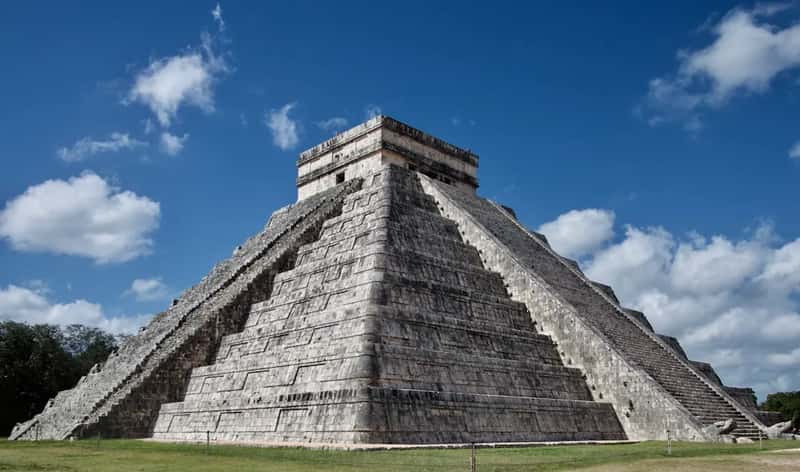
Cancun’s proximity to Chichén Itzá is a major draw, but it also means dealing with crowded tour buses and packed viewing platforms. Bacalar offers its own archaeological access minus the congestion. Travelers to Bacalar can add a trip to the Kohunlich Ruins, a large archaeological site of the pre-Colombian Maya civilization, to their itinerary.
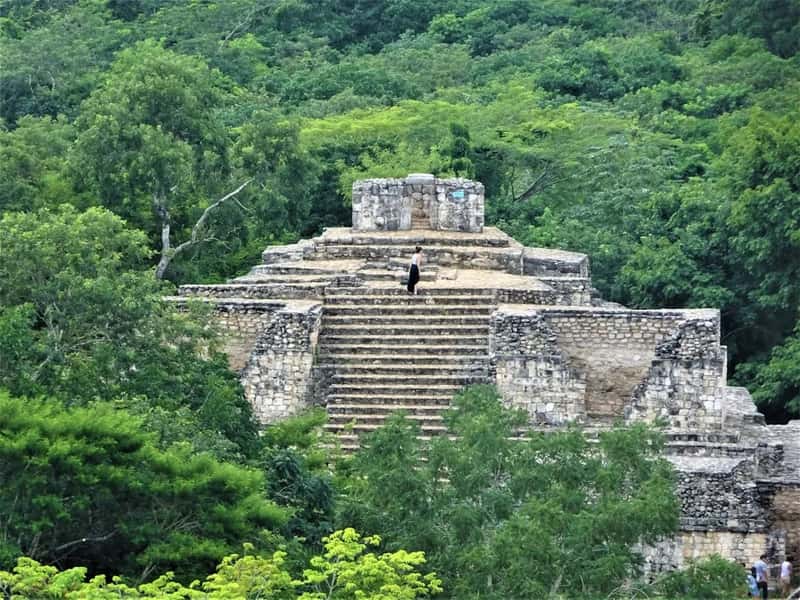
There’s also Ichkabal nearby, a site that opened to the public only in 2025, making it one of the newest archaeological sites in the Yucatán, home to the second tallest Maya pyramid in the region. Visiting these lesser known ruins gives travelers a sense of discovery that’s harder to find at more heavily trafficked sites closer to Cancun.
9. The Tren Maya has made it far easier to reach
Bacalar used to require a genuine commitment to visit, often involving long bus rides from Cancun or Tulum. That calculus changed recently. The most direct way to get to Bacalar is now on the new Tren Maya, which makes stops in Cancún, Tulum, and Playa del Carmen, with train tickets costing between $7 to $50 depending on the route.
For travelers who might have skipped Bacalar in the past simply because of the distance, that new rail connection has removed a real barrier. It’s a big part of why the town has moved from a niche detour to a legitimate standalone destination on its own itinerary.
10. A community actively working to keep it that way
What sets Bacalar apart isn’t just its natural beauty, it’s the deliberate effort locals have put into protecting it. Adrian Blanco, one of the cofounders of The Bacalar Collection, describes a group of local companies that have come together to sustainably manage tourism offerings in Bacalar, calling it a kind of neighborhood watch that creates social pressure to halt large-scale developments.
That includes practical steps too. The whole lagoon closes to all motorized boats and group tour activity involving boats every Wednesday, giving nature a break and letting the lagoon rest. It’s a rare example of a tourism destination voluntarily limiting itself, and travelers researching the town before booking tend to notice and appreciate that restraint.
Bacalar isn’t trying to replace Cancun, and it likely never will in terms of sheer visitor volume or nightlife energy. What it offers instead is a different kind of Mexican Caribbean experience, one built around a freshwater lagoon, a protected ecosystem, and a town that has so far managed to grow without losing what made it worth visiting in the first place. For travelers weighing their options in 2026, that alternative is proving harder to ignore every year.