

Picking a country to move to is never just about weather or cost of living. For solo expats, the question of personal safety tends to sit close to the top of the list, often quietly shaping every other decision that follows. The streets you’ll walk alone at night, the emergency services you’ll rely on without a partner nearby, the political stability that determines whether your new life stays stable – all of it matters.
The good news is that rigorous data now exists to guide these choices. The Global Peace Index covers 163 countries using 23 qualitative and quantitative indicators and measures peace across three domains: societal safety and security, the extent of ongoing domestic and international conflict, and the degree of militarization. Layered with healthcare access, expat community strength, and visa accessibility, these rankings point clearly toward five destinations that consistently stand out for solo movers heading abroad in 2026 or 2027.
1. Iceland – The World’s Safest Country, Consistently
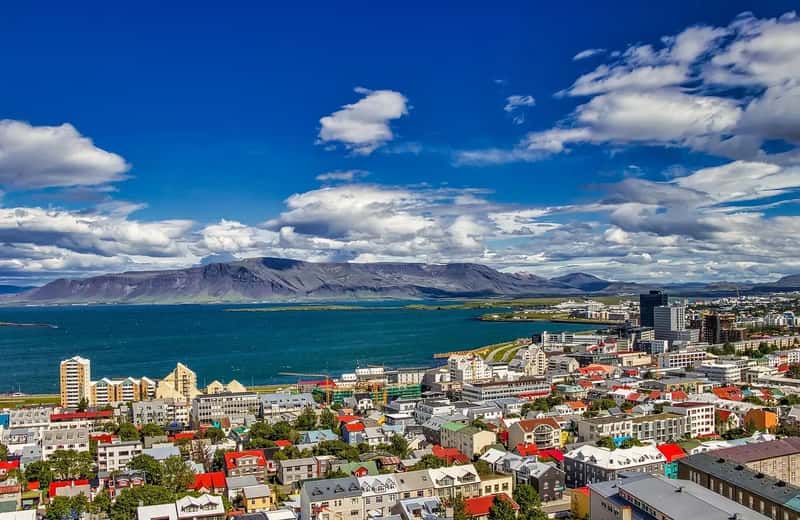
Iceland holds the number one position as the safest country in the world for the 18th year in a row on the most recent Global Peace Index. That kind of consistency isn’t statistical noise. Residents in Iceland generally feel safe walking alone at night, and children can often walk to school independently. In line with Nordic tradition, it is common for babies to be left outside to nap, reflecting the country’s trust and low-crime environment. Violent crime is extremely rare, and most offenses are non-violent, such as traffic violations, thefts, or alcohol-related incidents.
Iceland offers universal healthcare funded primarily through taxes, meaning most residents, including immigrants once registered, have access to affordable medical services. Out-of-pocket costs are limited to small service fees for doctor visits, prescriptions, or tests. On the practical side, as an EEA/EFTA member, Iceland allows EU and EEA nationals to live and work freely, registering after three months. Non-EEA nationals seeking longer-term presence require a residence and work permit before arrival, almost always tied to a concrete job offer. Iceland isn’t cheap, and the darkness of a northern winter catches some expats off guard, but for sheer structural safety, nothing else in the world currently competes.
2. Ireland – Warm Communities and a Rising Peace Ranking
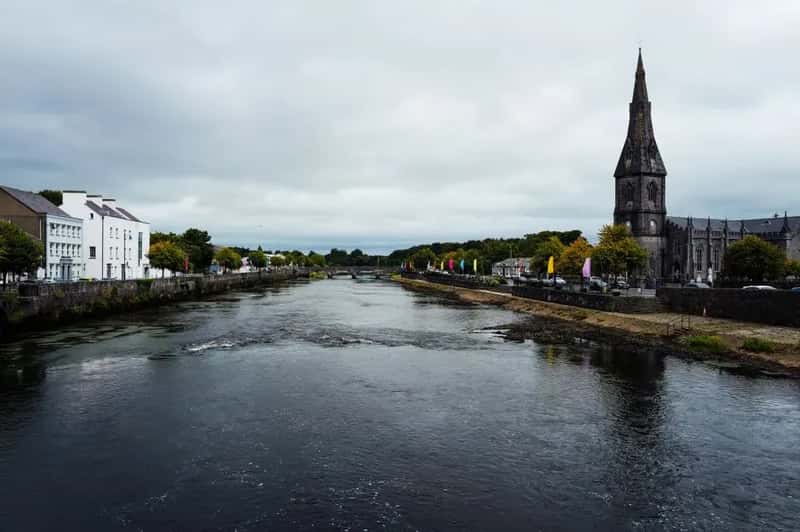
Ireland jumped from 11th to 2nd on the Global Peace Index, and that’s a strong sign of genuine, sustained improvement. Due to its longstanding independent status and neutral army, meaning it is not a member of NATO, the Irish Republic is routinely ranked as one of the safest countries in the world. For solo expats specifically, Ireland offers something the GPI can’t fully measure: an English-speaking culture with a genuine reputation for warmth toward newcomers.
Many towns have local garda police stations, and walking alone, whether through a village or along a clifftop trail, feels safe and normal. This sense of ease and trust is part of what makes Ireland such a satisfying choice, especially for solo travelers or those craving a gentler, more connected way of life. Healthcare access is broad, and Ireland’s public healthcare system also offers a strong safety net: residents over 70 qualify for free general practitioner visits, and many receive additional benefits like free hospital care and prescriptions through the Medical Card, depending on income. EU citizens move freely, and non-EU nationals have several visa pathways to explore through the Irish Naturalisation and Immigration Service.
3. Portugal – Safety, Affordability, and an Expat-Friendly Visa System
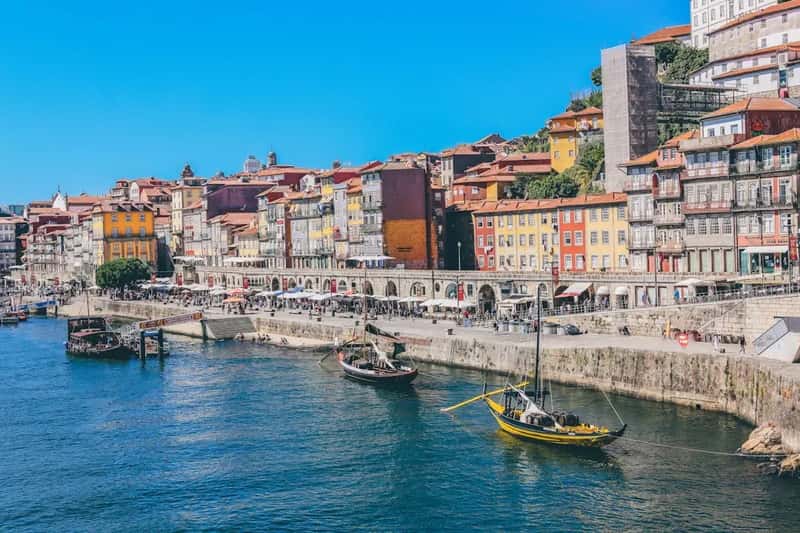
Portugal ranks 7th on the 2025 Global Peace Index, placing it firmly among the safest countries worldwide. Violent crime is very uncommon, and there is visible police presence across tourist areas. Most people feel comfortable walking around at night without concern. Portugal is one of the safest countries in Europe and the world. Its population is diverse, and it welcomes people of all backgrounds and ethnicities, supported by strong anti-racism laws that outlaw discrimination in housing and businesses. Portugal also ranks 13th globally as the safest country for the LGBTQ community.
The visa situation is arguably the most expat-friendly of any country on this list. Some of the most popular Portugal visa options are the D7 for passive income earners, the D8 for digital nomads, and the Golden Visa for foreign investors. In June 2026, the cost of living in Portugal is 31 percent lower than in the USA, including rent, and almost 27 percent lower than in the UK, according to Numbeo. Foreigners living in Portugal can access the public healthcare system once they register and obtain a healthcare user number. The combination of safety, affordability, and a structured path to EU residency keeps Portugal at the top of virtually every expat shortlist.
4. New Zealand – Stability, Nature, and a Genuinely Safe Daily Life

New Zealand ranks 4th globally on the Global Peace Index with a score of 1.323, reflecting its safe and peaceful environment. For solo expats, that ranking translates directly into daily comfort. New Zealand offers a high quality of life and unparalleled natural beauty. This island nation has a very low crime rate and a thriving economy, two of the many reasons expats choose to move to New Zealand. Cities like Auckland and Wellington have well-established international communities, which makes the initial settling-in period far less isolating than it might be elsewhere.
New Zealand is also one of the safest places for the LGBTQ community. According to the LGBT Equality Index by Equaldex, it ranks in the top 10 percent of LGBTQ-friendly countries in terms of freedoms, legal rights, and broad societal acceptance. New Zealand has a robust public healthcare system, though wait times for specialist appointments can be long. The points-based residency visa system requires investigation well in advance, as the process can take 12 to 18 months, making early planning crucial for a successful move. New Zealand does sit on the Pacific Ring of Fire, which means earthquake risk is real, but the country’s infrastructure and emergency response systems are built to handle it.
5. Austria – Political Calm, Central European Access, and Consistent Safety
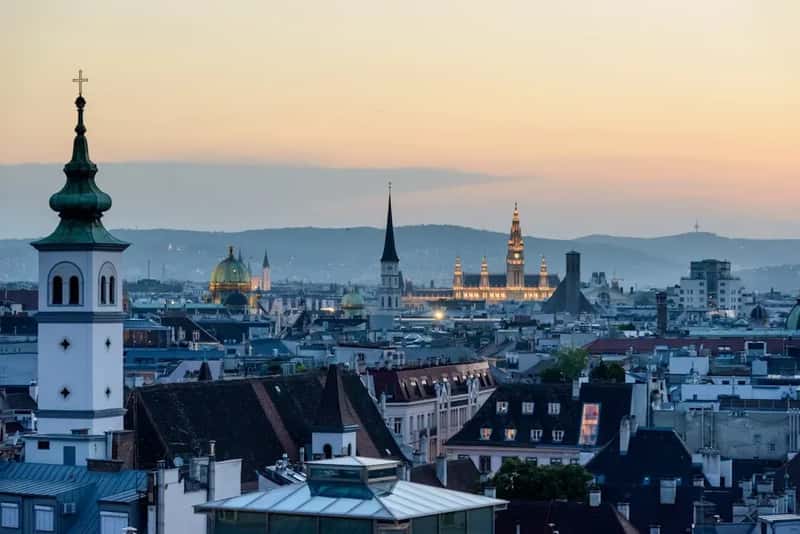
Austria is the fourth most peaceful country in the world per the GPI 2026 and features among the top 10 nations in the Militarisation domain. It also scores high for the safety of women and LGBTQ individuals. This picturesque country boasts strong public infrastructure and a low crime rate. Its stable political environment, low levels of internal and external conflicts, and a growing IT sector make it one of the favored destinations for expats from across the world.
What helps Austria stand out is the range it offers without asking travelers to compromise on comfort. The country suits nature holidays, city breaks, museum days, and scenic train travel, which tells you a lot about how it presents itself: not as a difficult, specialist destination, but as one built for easy enjoyment. For solo expats, Vienna in particular ranks consistently among the world’s top cities for quality of life, with an exceptional public transport network, world-class healthcare, and a central position that makes the rest of Europe easily reachable. EU citizens move freely, while non-EU nationals typically need to demonstrate employment or sufficient independent income before securing a residence permit.
What connects all five of these destinations is structural reliability. Low crime, accessible healthcare, political stability, and functional public systems form the invisible backbone of daily life that solo expats depend on most. The right choice still depends on personal priorities – budget, climate, language, visa eligibility – but starting from countries with a proven track record on these fundamentals is the clearest foundation for a move that actually works.