Not every retiree dreams of a beach condo or a big-city skyline. A growing number of Americans and Canadians are instead drawn to Mexico’s smaller colonial towns and lakeside villages, places where the days move at the speed of a morning market visit rather than a commute. These towns trade high-rise convenience for cobblestone streets, long lunches, and a sense that time hasn’t been rushed out of daily life.
Choosing among them isn’t simple, since each town has its own rhythm, climate, and community. What follows is a ranked look at seven small Mexican cities that consistently show up as favorites for retirees who want a quieter chapter without giving up comfort, healthcare access, or good company.
1. San Miguel de Allende, Guanajuato
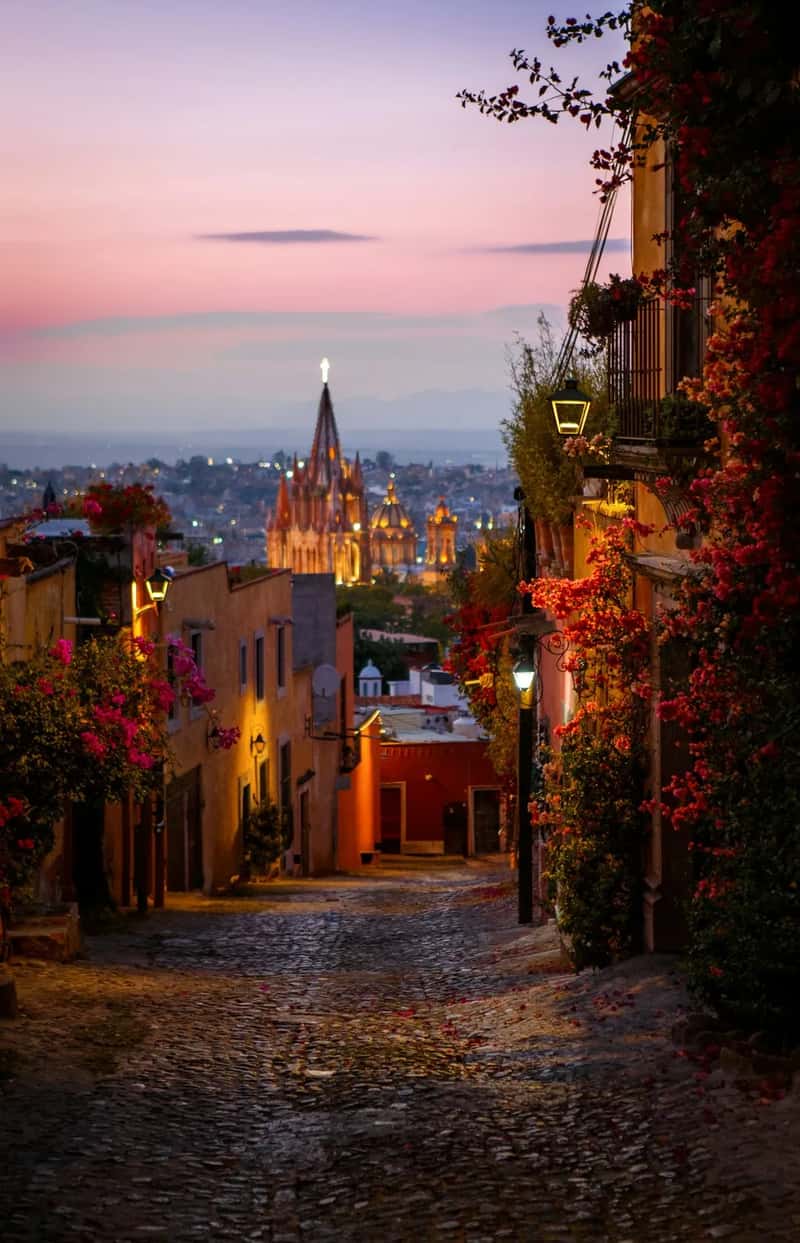
San Miguel de Allende sits at the top of this list for good reason. It’s a Spanish colonial town known for stunning architecture, a lively arts scene, and a walkable historic center, all wrapped in a mild highland climate that spares residents from extreme heat or cold. San Miguel de Allende is one of Mexico’s most beloved inland destinations, known for its stunning colonial architecture, lively arts scene, and walkable historic center, with a mild highland climate and a long-established expat community. Despite its popularity, the town has managed to hold onto an intimate, small-city feel.
The numbers back up its reputation as accessible for retirees on a modest fixed income, though it’s no longer the bargain it once was. A couple can live and retire here for less than US$1,800 per month. Housing costs vary widely depending on neighborhood and finish level, since expats who prefer larger homes with gardens or modern finishes in gated communities may pay between $1,500 and $3,000 USD monthly. The town also has practical perks, as San Miguel has about 66,000 residents in the city proper and an overall population of around 175,000, with about 10% of the residents being expats, so newcomers rarely feel isolated.
2. Pátzcuaro, Michoacán

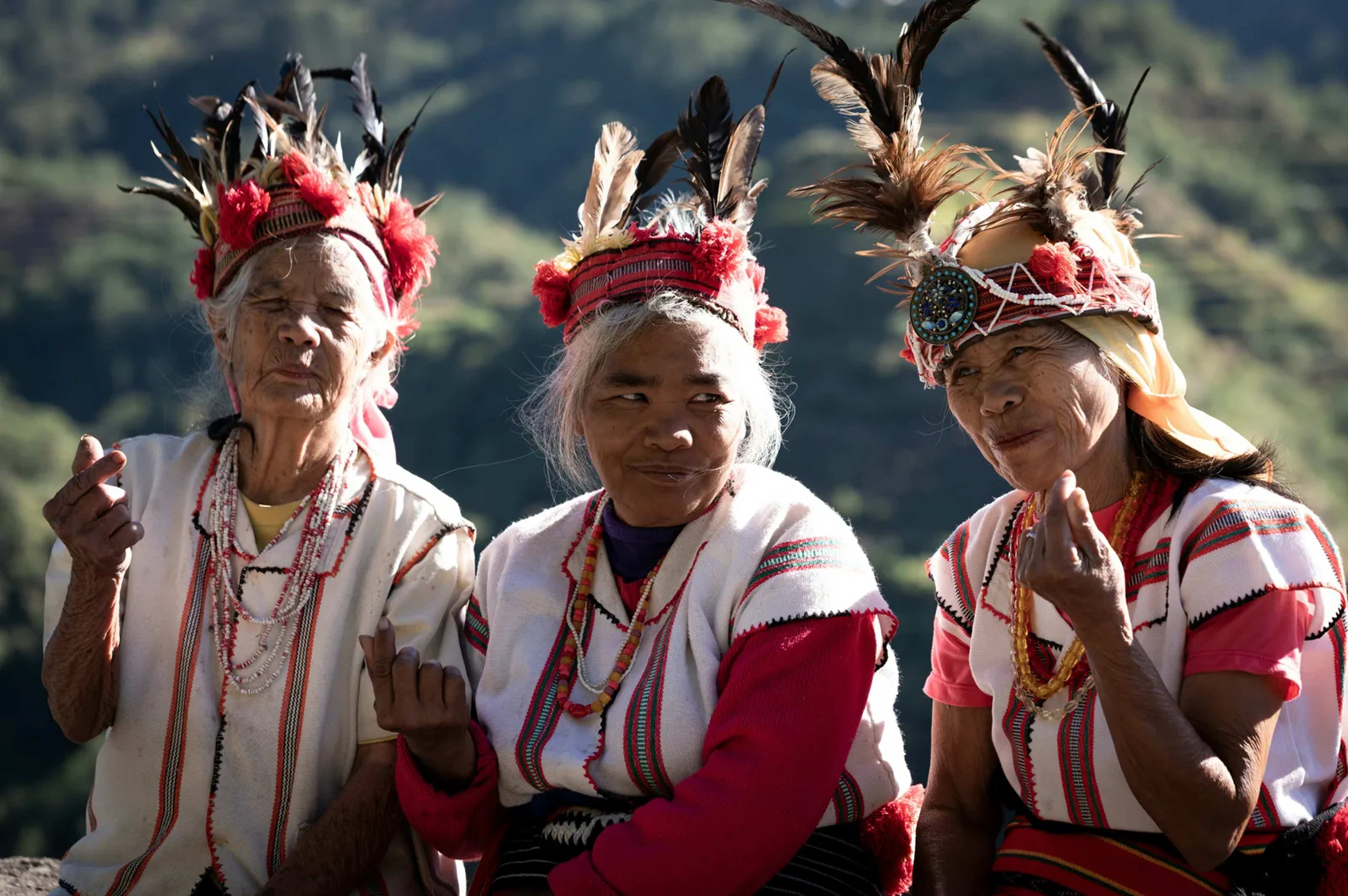
Pátzcuaro offers a quieter, more traditional alternative to the bigger colonial hubs, set in the forested highlands of Michoacán. This ancient highland settlement carries important historical and cultural roots, and is today a focal point for visitors and, increasingly, foreign residents coming to this region. The town blends colonial architecture with strong indigenous traditions from the surrounding Purépecha communities, giving it a cultural depth that larger expat hubs sometimes lack.
Daily life here leans rural in the best sense. If you go ten minutes by car in almost any direction, you are in the forest, while in town there are restaurants, gift shops, bookstores, and coffee shops. Cost of living remains a draw too, since living or retiring in the Pátzcuaro area is more affordable than the more popular expat enclaves, though living costs have been increasing in this region over the last decade. Learning Spanish matters more here than in bigger expat centers, since the community is smaller and less English-oriented.
3. Valladolid, Yucatán
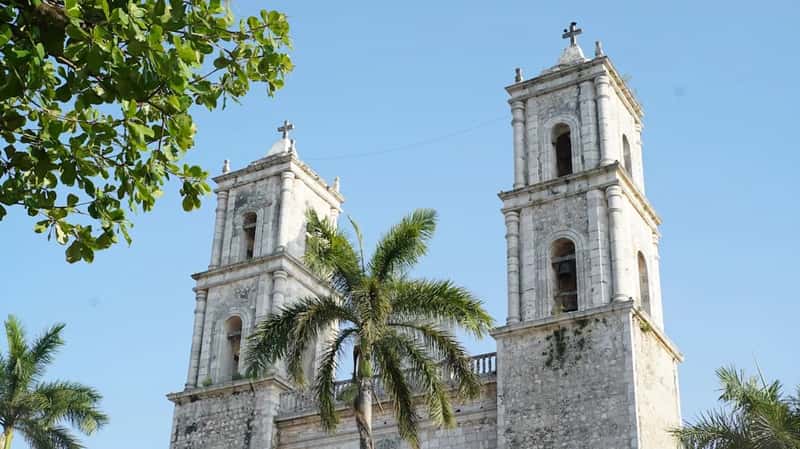
Valladolid is often overlooked in favor of Mérida, but that’s exactly its appeal for retirees who want calm without sacrificing charm. Valladolid is one of the calmest and most relaxed colonial cities you’ve never heard of, lying at the exact midpoint of one and a half hours each way between Cancún and Mérida. That location gives residents easy access to bigger amenities while still living somewhere unhurried.
Its size keeps it firmly in small-city territory. With a population of 50,000, Valladolid is also located near several iconic Maya archaeological sites, including Chichén Itzá and Ek Balam. The town center even has its own natural swimming hole, since the town has its very own cenote right in the center, a perfect refreshing break on hot days. Despite the small footprint, Valladolid has plenty of restaurants, cafes, and hotels, so daily errands and the occasional treat are never far away.
4. Ajijic, Jalisco (Lake Chapala)

Ajijic, on the northern shore of Lake Chapala, has one of the longest-running expat retirement communities in the country, and it earns its reputation through sheer consistency. Lake Chapala, about 45 minutes south of Guadalajara, is home to the largest concentration of American and Canadian retirees in Mexico, with estimates ranging from 10,000 to 25,000 expats in the Chapala-Ajijic corridor. The mild, temperate climate is often cited as one of the most comfortable in Mexico year-round.
What sets this area apart is how established the support systems are for newcomers. Around 15,000 expats are estimated to live around Lake Chapala, and the area has good hospitals, medical clinics, English-speaking doctors, and specialists. For anything more specialized, Guadalajara is close by, since the area is around one hour’s drive from Mexico’s second-largest city, Guadalajara. Social life is easy to plug into as well, largely through the Lake Chapala Society, which many expats join to make friends and have fun.
5. Álamos, Sonora

Álamos is a former silver-mining town tucked into the foothills of the Sierra Madre, and it feels genuinely far removed from the pace of modern life. Álamos is a small colonial town of fewer than 25,000 nestled in an inland valley surrounded on all sides by mountains and beautiful, wild countryside. Its colonial mansions and cobblestone streets date back to the wealth generated by 17th century silver mines, and much of that architecture still stands.
It’s a smaller, quieter option than most towns on this list, with a community that prides itself on being welcoming rather than exclusive. The main plaza has pharmacies, an indoor market, a grocery, an internet cafe, and a small English-speaking expatriate community, though it helps to know some Spanish. Longtime residents often describe the appeal in simple terms, since people speak of the tranquility, the physical beauty, the history, and the architecture, but most especially the people, calling it like stepping back in time to a less hectic era. For retirees who want proximity to the US border for family visits, its location in Sonora is also a practical advantage.
6. Todos Santos, Baja California Sur
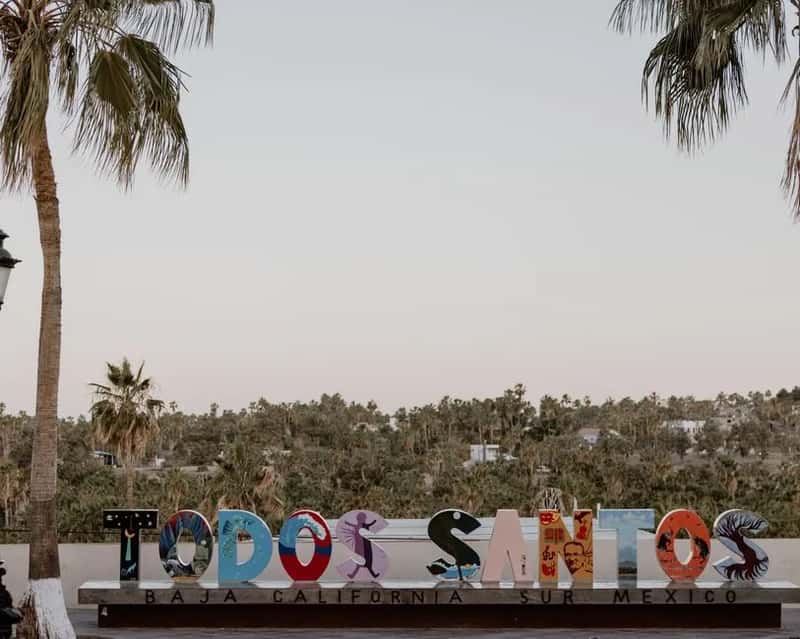
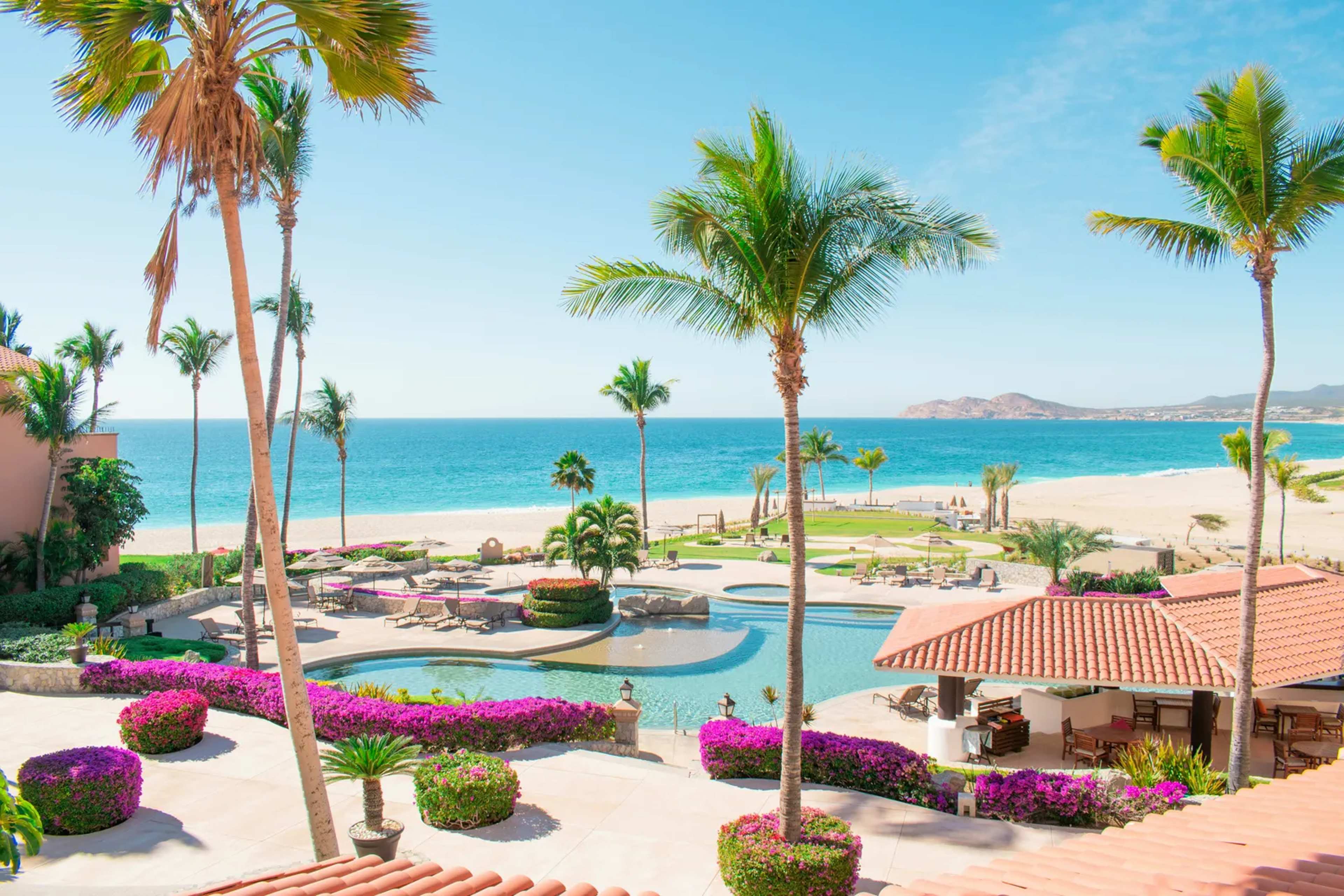
Todos Santos sits between the Sierra de la Laguna mountains and the Pacific, offering a beach-town retirement without the scale or price tag of nearby Cabo San Lucas. Todos Santos is a small-town beach settlement that’s close by distance but a world away in feel from busy and expensive Los Cabos. Its arts scene has grown steadily over the past decade, drawing a mix of creative types and retirees looking for something unpolished.
The town remains small enough to keep its character intact. Todos Santos is a small beach town on the Baja Peninsula located halfway between Cabo San Lucas and La Paz, known for its vibrant artistic community, with a population of 7,000 made up of a mix of expats and Mexicans. That size means fewer big-box conveniences than larger retirement hubs, but for those craving a genuinely slower coastal pace rather than a resort atmosphere, it’s often exactly the tradeoff they’re looking for.
7. Tequisquiapan, Querétaro
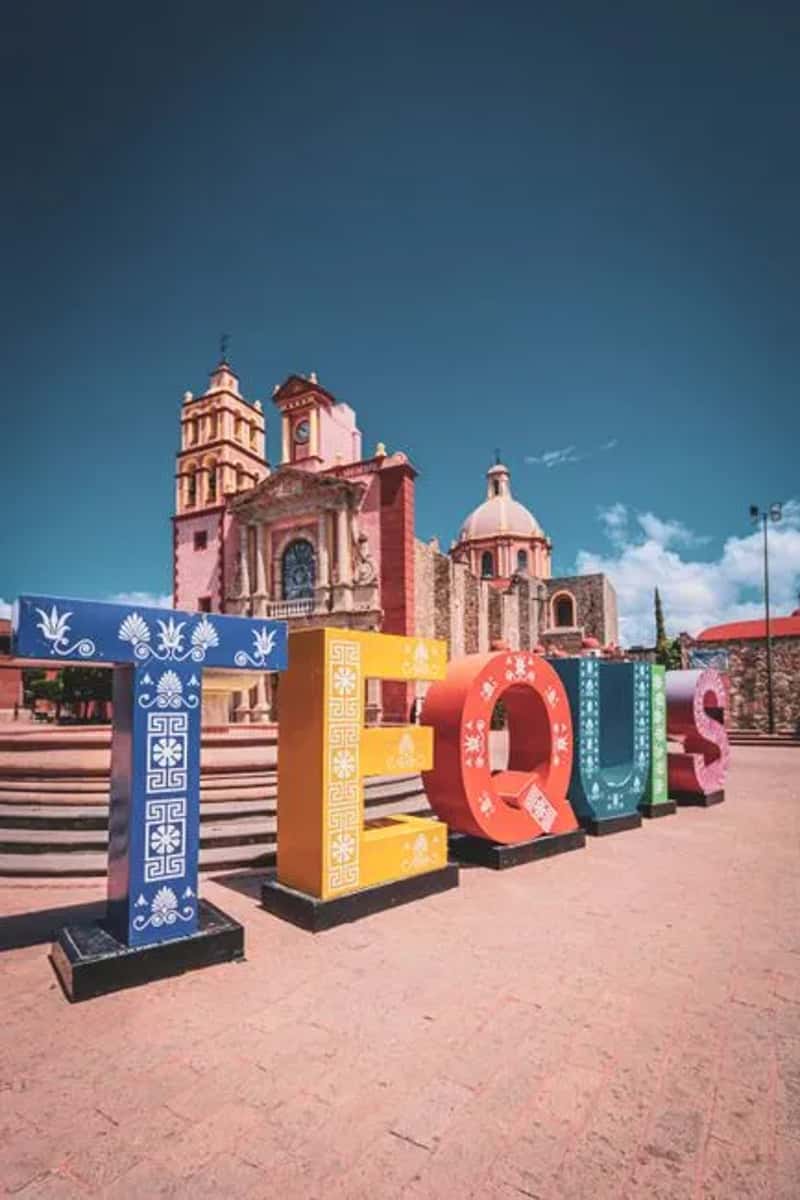
Tequisquiapan rounds out this list as a quieter, less internationally known alternative to San Miguel de Allende, just a couple of hours away in the same central highland region. Located on the Mexican altiplano, Tequis is nestled in a valley surrounded by mountain peaks. The town has long been popular with Mexican weekenders, which keeps its infrastructure solid without pushing it toward a full-blown international retirement colony.
There’s enough going on nearby to keep retirement here from feeling remote. There’s plenty to do in the area, between vineyards and dairy farms, hot air balloons, ruins, restored haciendas, and thermal spas, not to mention the magnificent Sierra Gorda limestone mountain range only a couple of hours away. For bigger shopping trips, twelve miles south of Tequis is the city of San Juan del Rio, where expats go for major shopping at Costco and other big-box stores, and the town sits close enough to Querétaro’s airport for easy travel connections.
Each of these seven towns offers a different flavor of slow living, from Pátzcuaro’s forested quiet to Todos Santos’s laid-back coastline. What they share is a scale that keeps daily life simple: markets within walking distance, neighbors who actually know your name, and a pace that rewards patience over speed. For retirees weighing where to settle, the right fit often comes down to climate preference, proximity to family flights home, and how much Spanish they’re willing to learn along the way.