There’s a particular kind of relief that comes from paying a grocery bill and not flinching. It’s a small moment, but for anyone who has lived paycheck to paycheck in a high-cost city, it can feel like a revelation. Around the world, a handful of countries have quietly built reputations not just for cheap rent or low taxes, but for something harder to measure: a daily rhythm that people describe, almost without exception, as happier.
These places aren’t secrets anymore. Retirees, remote workers, and young professionals have been moving there in growing numbers, drawn by a mix of sunshine, slower mornings, and bank accounts that stretch further than they ever did back home. What follows is a closer look at eight countries where the cost of living and the quality of living seem to have found an unusually good balance.
Greece: Island Light and a New Kind of Affordability

Greece’s rise to the top of International Living’s 2026 Annual Global Retirement Index caught even seasoned expat-watchers by surprise. According to Jennifer Stevens, the outlet’s executive editor, “Greece’s rise to number one marks a shift in Europe’s retirement landscape,” noting that “for years, Portugal and Spain led the way, but recent visa changes and rising costs have retirees looking elsewhere.” The country’s appeal rests on a familiar combination of sun, sea, and history, paired with a cost structure that still feels reasonable by Western European standards.
What sets Greece apart from its Mediterranean neighbors is the sense of arrival without friction. The country’s ascent highlights its combination of unparalleled lifestyle, affordability, and ease of transition for foreign retirees, with the index scoring destinations across categories such as climate, healthcare access, cost of living, housing, and visas. For many newcomers, it’s less about chasing a bargain and more about finding a place where daily life simply feels lighter.
Panama: The Pensionado Advantage
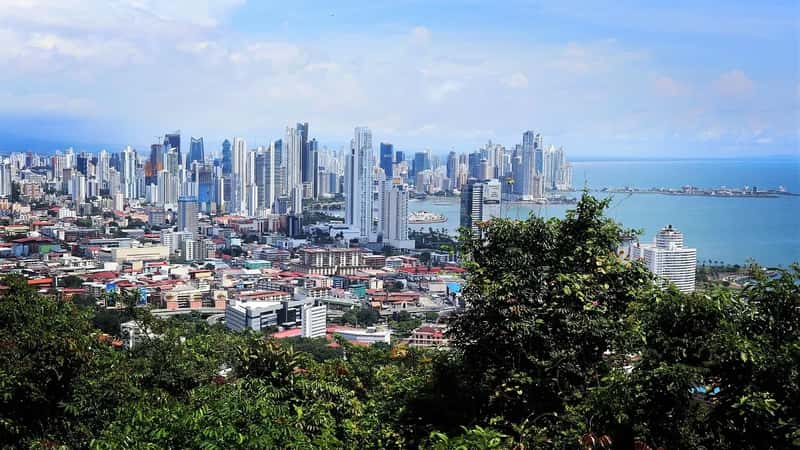
Panama has been a fixture near the top of retirement rankings for years, and its second-place finish in 2026 reflects a genuinely different approach to welcoming foreigners. Its real claim to fame is the Pensionado Program, offering retiree residents specific, government-mandated discounts that cover nearly every major aspect of life, from twenty five percent off power bills to fifty percent off movie tickets and twenty percent off medical consultations. Few countries build that kind of structural generosity directly into their immigration policy.
The numbers back up the reputation for affordability. According to Numbeo, the monthly cost for a single person, not including rent, runs about eight hundred dollars in Panama, compared to eleven hundred and sixty six dollars in the United States on average. Add in Panama City’s modern infrastructure and its use of the U.S. dollar, and it becomes easy to see why so many North American retirees treat it as a low-stress landing spot.
Costa Rica: Wellbeing Baked Into the Landscape

Costa Rica’s third-place ranking in the 2026 index is tied closely to its natural setting. The Central American country ranked particularly highly in the climate category, and its biodiverse landscapes, from cloud forests to Pacific coastline, give daily life a built-in sense of calm that’s hard to manufacture elsewhere.
There’s also a research-backed dimension to Costa Rica’s appeal that goes beyond scenery. Findings from the World Happiness Report suggest that Latin American countries like Costa Rica and Mexico outperform expectations on wellbeing given their income levels, a pattern researchers often link to strong family networks and social connection rather than raw GDP. For expats used to measuring quality of life purely in dollars, that distinction tends to be an adjustment worth making.
Portugal: Still Rewarding, Even as Rules Tighten

Portugal remains a perennial favorite, even as its policies shift. The country, home to cities like Porto along the Douro River, has recently tightened its famously generous visa requirements, a change that has pushed some retirees to look elsewhere but hasn’t dimmed the country’s core appeal.
What keeps Portugal in the conversation is the sheer livability of its smaller cities and towns, where the pace slows down without sacrificing modern conveniences. Coastal towns south of Lisbon and inland cities like Coimbra continue to attract newcomers who want European infrastructure without the price tag of Paris or Amsterdam. Even with the new hurdles, Portugal’s blend of safety, healthcare, and climate keeps it firmly in the top tier of options.
Mexico: Proximity, Culture, and Real Savings

Mexico’s fifth-place finish owes a lot to simple geography. Mexico, along with Panama and Costa Rica, benefits American retirees through closer proximity to the U.S. than other countries further afield, with a lower cost of living than in the U.S. serving as a big draw. Cities like Puerto Vallarta and San Miguel de Allende have become shorthand for a certain kind of relaxed, culturally rich expat life.
The math is straightforward when you look at day-to-day spending. Numbeo data puts the monthly cost for a single person, excluding rent, at around six hundred and thirty seven dollars in Mexico, well below the roughly eleven hundred and sixty six dollars typical in the U.S. That gap, combined with vibrant food culture and a strong sense of community in expat-heavy towns, explains why Mexico keeps climbing these lists rather than fading from them.
Thailand: Simplicity as a Way of Life

Thailand’s ninth-place spot in the 2026 index reflects a country that has long understood what draws foreigners in. The index describes life in Thailand as running “on simplicity” and notes that it can fit any budget, a description that fits everywhere from bustling Bangkok to the quieter northern city of Chiang Mai.
That flexibility is part of the draw. Someone can live modestly on a tight budget eating street food and riding local transport, or spend a bit more for a comfortable apartment with air conditioning and a pool, and either way the cost stays well below what similar amenities would run in Europe or North America. It’s this range, paired with a genuinely warm culture, that keeps Thailand near the top of Asia’s expat destinations year after year.
Colombia: A Reputation Rewritten

Colombia’s transformation over the past decade has been dramatic enough that it now shows up regularly in retirement conversations that once skipped it entirely. The country has evolved from a region with a troubled reputation into one of Latin America’s most progressive, welcoming, and economically vibrant countries, becoming the fastest-growing retirement destination for Americans seeking to extend their savings while improving quality of life. Medellín, in particular, has become a symbol of that shift.
The city’s appeal lies in the combination of climate and cost. A single expat can live comfortably in Medellín on roughly one thousand to sixteen hundred dollars a month, a budget that buys a good furnished apartment, regular meals out, and weekend trips around Antioquia, all for a fraction of the cost of a comparable city in North America or Europe. Add in a healthcare system that regularly earns praise for both quality and price, and it’s easy to see why Colombia has moved from afterthought to serious contender.
Vietnam: Southeast Asia’s Quiet Value Leader

Vietnam has spent the past several years building a reputation as one of the best value destinations anywhere in the world, not just in Asia. The country has topped the InterNations Personal Finance Index for five consecutive years, a streak that reflects just how far a modest income can stretch there. Cities like Ho Chi Minh City, Hanoi, and the beach town of Da Nang each offer their own version of that value.
The everyday numbers make the case better than any ranking could. A bowl of pho costs about a dollar fifty, a modern one-bedroom in Ho Chi Minh City runs around four hundred dollars a month, and fiber internet is faster than most American connections, putting Vietnam roughly sixty to seventy percent cheaper than the U.S. across nearly every spending category. Combined with a rich food culture and increasingly capable coworking infrastructure, Vietnam has become something of a proving ground for the idea that affordable living and an interesting life aren’t mutually exclusive.