English has become the default language of global business, travel, and online communication, yet only a handful of countries have truly mastered it as a second language. Every year, EF Education First publishes its English Proficiency Index, one of the largest and most widely cited studies on adult English skills, drawing on millions of test results from people who took the free EF Standard English Test. The latest edition, released in late 2025 and based on test data collected throughout 2024, offers a fascinating snapshot of which nations have turned English fluency into a national strength.
What is striking about this year’s rankings is just how dominant Europe remains. Interestingly, Singapore, long a fixture near the top of these lists, was removed from the 2025 edition entirely after being reclassified as a native English-speaking country. That shake-up cleared the way for a cluster of European nations to claim the spotlight. Below are the eight non-English-speaking countries that currently lead the world in English proficiency, based on the most recent EF EPI data.
1. Netherlands
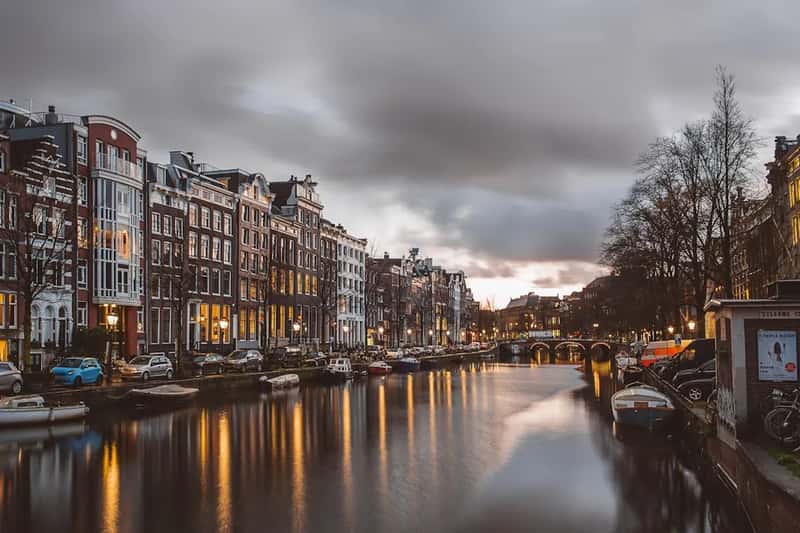
The Netherlands has held the number one spot for years, and 2025 was no exception. The Netherlands remains #1, followed by Croatia and Austria, both of which improved their rankings. With a score of 624, the country sits comfortably in the “Very High” proficiency band, a status it has maintained through years of near constant exposure to English media, films, and university coursework taught in English.
Dutch schools begin English instruction early, often around age ten, and many university programs are conducted almost entirely in English rather than Dutch. This immersive approach, combined with a culture that rarely dubs foreign television shows, means most Dutch adults grow up hearing natural English on a daily basis. It is a formula that has kept the Netherlands untouchable at the top for over a decade.
2. Croatia
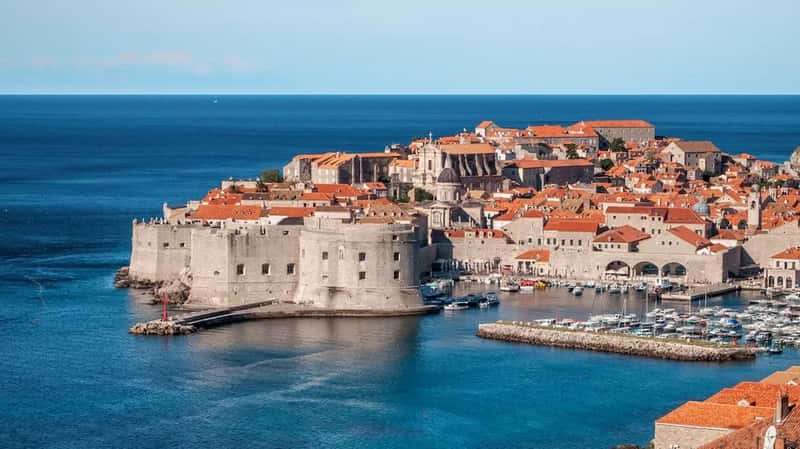
Croatia’s rise has been one of the more notable stories in recent editions of the index. The Netherlands remains #1, followed by Croatia and Austria, both of which improved their rankings. With a score of 617, Croatia now sits comfortably in second place globally, a remarkable achievement for a country of under four million people.
Much of Croatia’s success comes down to its education system and its heavy reliance on tourism, an industry that essentially requires English fluency for survival. Croatian television also tends to subtitle rather than dub English-language content, giving viewers constant passive exposure to spoken English from a young age. That habit, paired with a strong emphasis on foreign languages in schools, has pushed Croatia into the same tier as countries with far larger economies.
3. Austria
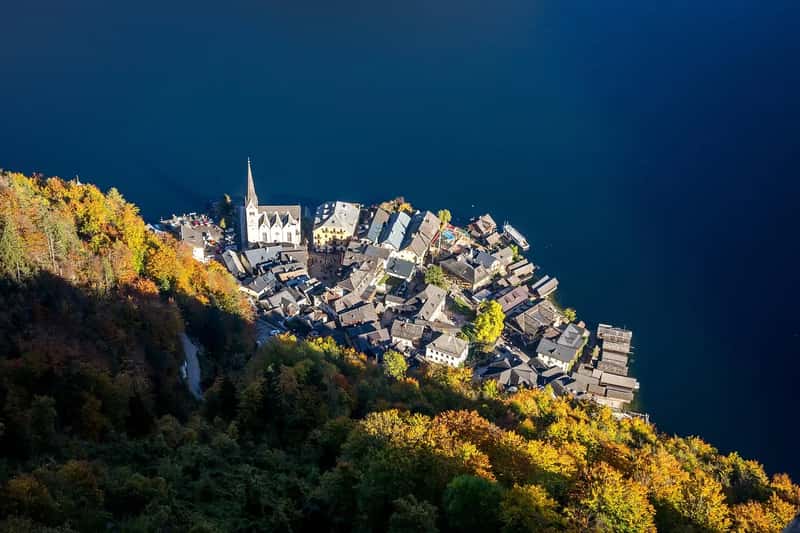
Austria climbed into third place in the 2025 edition with a score of 616, marking a notable jump from previous years. Austria improved by 16 points to 616. That kind of gain in a single year is unusual among established high performers and suggests renewed investment in language education across Austrian schools.
Austrian universities increasingly offer degree programs in English, particularly in business and technical fields, drawing international students and pushing local students to sharpen their own skills. The country’s close economic ties to Germany and the broader European Union also mean English frequently serves as the practical bridge language in professional settings. Austria’s steady climb up the rankings reflects a broader Central European trend of prioritizing English as a workplace necessity rather than just a school subject.
4. Germany
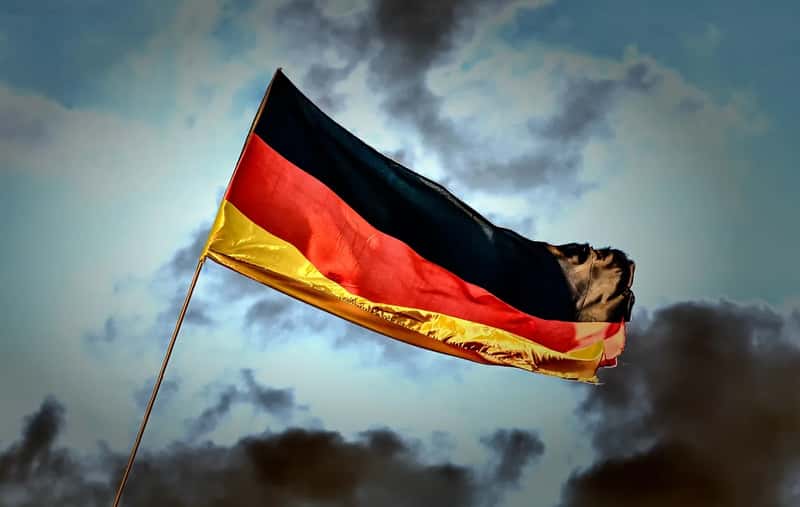
Germany posted one of the more impressive improvements in this year’s index, jumping to fourth place with a score of 615. Germany climbed to #4 with one of the biggest gains in Europe. That leap, described as one of the largest gains recorded anywhere in Europe this cycle, points to significant momentum in how English is taught and used across German society.
Germany’s economy, deeply intertwined with international trade and manufacturing exports, has long pushed businesses to prioritize English fluency among employees. German television and film also increasingly stream original English-language content without dubbing, especially through streaming platforms popular with younger viewers. Combined with a robust university system offering English-taught master’s programs, Germany’s climb up the rankings looks less like a fluke and more like the product of sustained cultural and economic pressure toward bilingualism.
5. Norway
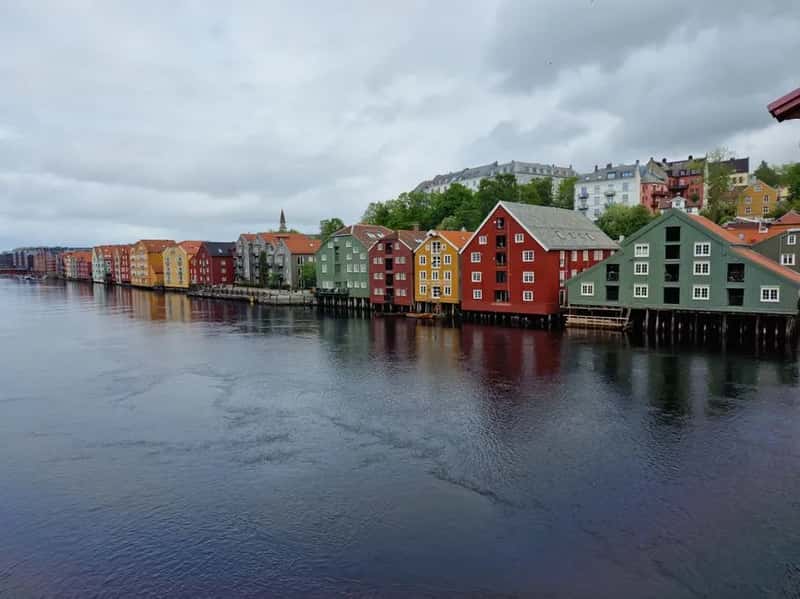
Norway continues to sit comfortably among the world’s elite English speakers, scoring 613 points in the latest index. Norwegian schools introduce English early and treat it almost as a practical life skill rather than a foreign language requirement, which shows in how naturally many Norwegians switch between the two languages in conversation.
Like much of Scandinavia, Norway benefits from a small population and a national television culture that rarely dubs English content, preferring subtitles instead. This constant exposure, paired with an economy heavily reliant on international shipping, energy, and trade, gives Norwegians daily practical reasons to keep their English sharp. The result is a country where fluency feels less like an academic achievement and more like a basic expectation.
6. Portugal

Portugal has quietly become one of Europe’s strongest English-speaking nations, landing in sixth place with a score of 612. This marks a continuation of a multi-year upward trend that has seen Portugal steadily climb past several larger European economies.
Tourism plays an outsized role here, as Portugal’s coastal cities and islands attract millions of English-speaking visitors every year, creating constant informal practice opportunities for locals working in hospitality and retail. The country’s growing reputation as a hub for remote workers and digital nomads has also encouraged more English usage in everyday urban life, particularly in Lisbon and Porto. Portuguese schools have leaned into this trend by expanding English instruction earlier in the curriculum, reinforcing gains that tourism and remote work culture already helped create.
7. Denmark
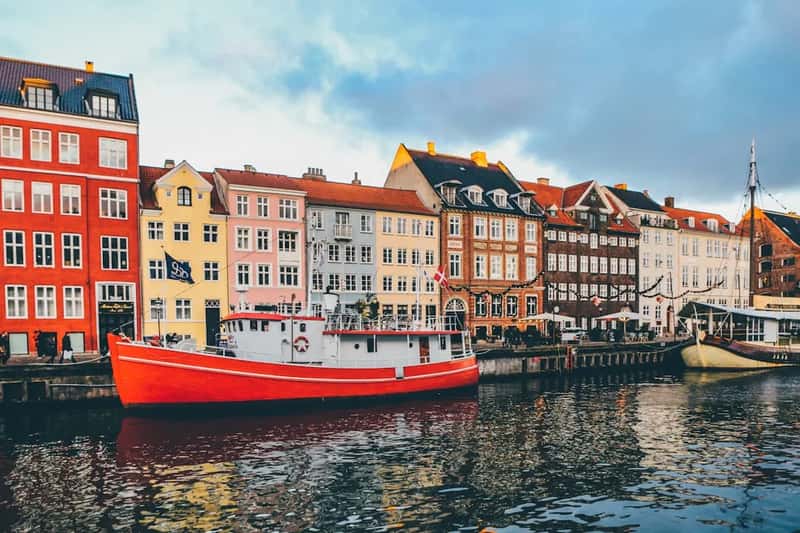
Denmark rounds out the upper tier of the rankings with a score of 611, keeping it firmly within the “Very High” proficiency band alongside its Nordic neighbors. Danish speakers are frequently cited as some of the most naturally fluent non-native English speakers in the world, a reputation built over decades of early and consistent language education.
Denmark’s approach mirrors much of Scandinavia’s playbook: subtitled rather than dubbed television, early school instruction, and a small domestic language that makes English almost essential for higher education and international business. Danish universities also increasingly offer coursework in English, particularly at the graduate level, which keeps younger generations sharp well beyond their school years. It is a system built on necessity as much as ambition, and it continues to pay off year after year.
8. Sweden
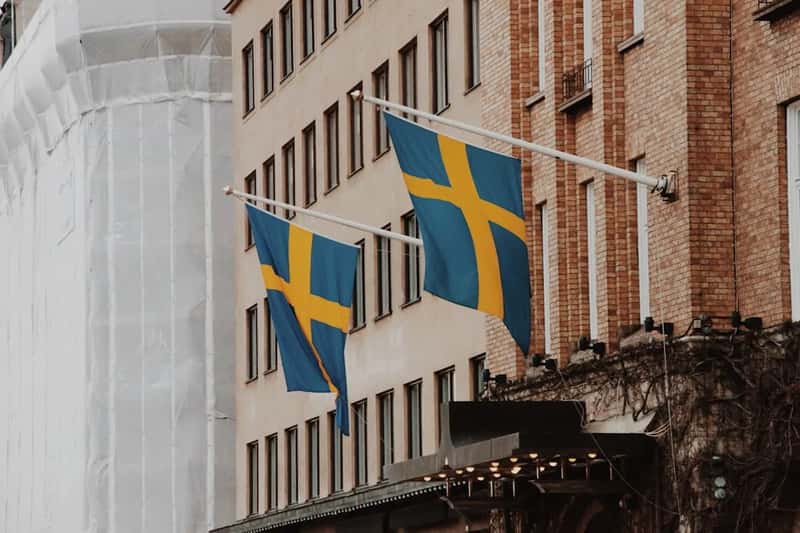
Sweden completes this list in eighth place with a score of 609, maintaining its long-standing position among the world’s most fluent non-native English-speaking nations. Swedish culture has embraced English so thoroughly that it often appears alongside Swedish in advertising, workplace communication, and everyday media.
Swedish schools begin formal English instruction at a young age, but much of the country’s fluency actually comes from outside the classroom, through movies, music, video games, and international social media that Swedes consume largely in English. This informal exposure creates a generation that often speaks conversational English fluently well before finishing school. Combined with a strong export-driven economy that relies heavily on international business relationships, Sweden’s high ranking reflects both cultural habit and practical necessity working in tandem.
Taken together, these eight countries tell a fairly consistent story. Small to mid-sized nations with strong education systems, subtitled rather than dubbed media, and economies deeply tied to international trade or tourism tend to produce the strongest non-native English speakers. Six of the eight are European nations bordering or near the North Sea and Baltic regions, a pattern that has held steady for years even as individual rankings shuffle slightly from one edition to the next.
It is worth remembering that these rankings reflect test takers who voluntarily sought out an English assessment, so they skew toward more educated, internationally minded populations rather than entire national populations. Still, the consistency of these countries at the top, year after year, suggests something real is happening in how they approach language education and cultural exposure. Whether it is Dutch university lectures delivered entirely in English or Danish teenagers picking up slang from streaming shows, the common thread is clear: English fluency in these nations has become less of an academic goal and more of an everyday habit.