There’s a particular kind of moment that happens after binge watching a show: you finish the last episode, sit with the credits for a second, and then quietly open a search engine to look up where it was filmed. That small, almost automatic habit has quietly turned into one of the biggest forces shaping American travel plans right now. It’s not about flying somewhere exotic just to say you did. It’s about chasing a feeling you first got from a screen.
What set-jetting actually means
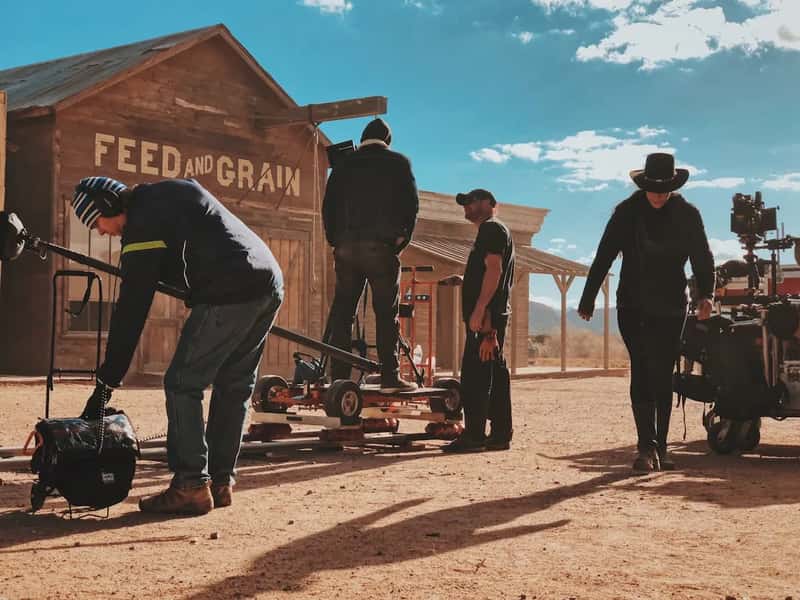
Set-jetting is the practice of planning a trip around a movie, television show, or streaming series rather than around a traditional guidebook pick. It sounds like a niche hobby, but it has grown into a measurable force in the travel industry. This trend of traveling to destinations inspired by TV shows and movies is now projected to become a potential 8 billion dollar industry in the United States alone.
The idea itself is not brand new. First spotlighted by Expedia in 2022, it has since moved from a curiosity to a genuine planning category that hotels, tour operators, and even rental car companies now track closely. What has changed is the scale and speed at which it spreads, largely because a single viral episode can now redirect thousands of searches within days.
Gen Z and millennials are steering the trend
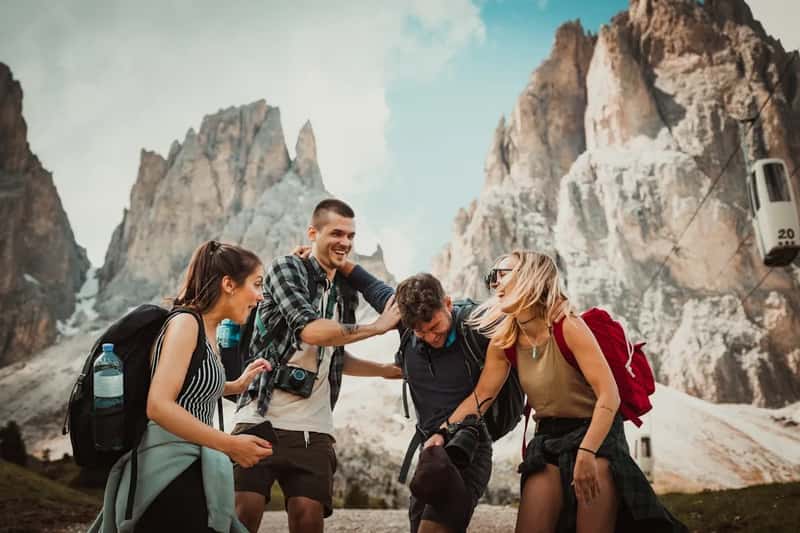
Younger travelers are the clearest adopters of this behavior, and the numbers back that up plainly. 81% of Gen Z and Millennial travelers now plan getaways based on what they’ve seen on screen. That is a striking share of an entire generation building vacation plans around a fictional world instead of a traditional bucket list city.
This generational tilt matters because younger travelers also tend to book faster and share their trips more publicly online, which creates a feedback loop. A destination gets discovered through a show, then gets amplified again through travel content made by the very people who visited because of that show. It is a self-reinforcing cycle that older forms of tourism marketing never had access to.
Widow’s Bay turns New England into a hot spot
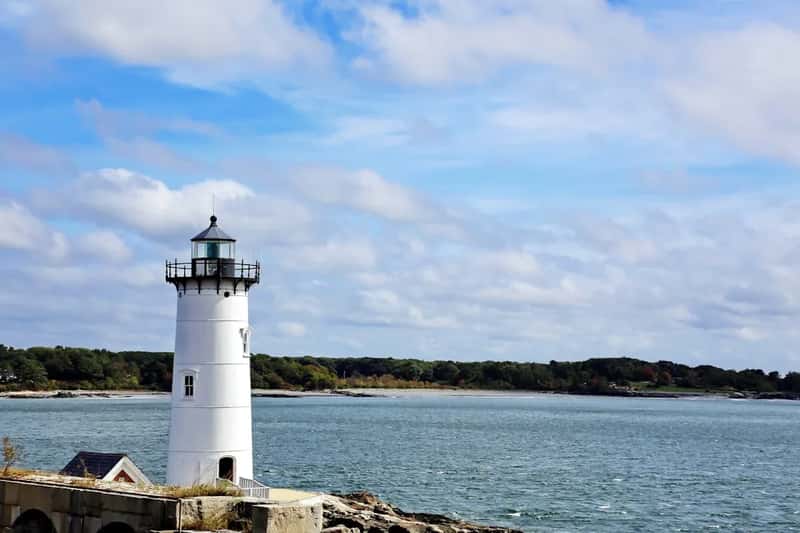
One of the clearest recent examples involves a horror comedy series rather than a glossy travel documentary. There is a growing appetite for summer travel to New England this year, driven largely by the Apple TV show Widow’s Bay, with search demand for where the show is filmed jumping 526% in the last month following its first season. That is an enormous jump for a region that already had plenty of established coastal appeal.
The show’s popularity also fed into a lighter, more playful side of the trend. Rental car data noted that searches related to enjoying spooky, Halloween style festivities during the summer months have also climbed sharply this year, showing how a single piece of content can nudge travelers toward an entirely new seasonal habit rather than just a new location.
The White Lotus effect and Koh Samui’s surge

Few examples illustrate the raw power of this trend better than what happened after a single television season aired in a specific corner of Thailand. Airbnb bookings in Koh Samui surged by over 500% after the premiere of The White Lotus Season 3. That is not a gentle uptick. That is a location going from relatively under the radar to a headline destination almost overnight.
What is interesting is that the appeal is not limited strictly to filming locations anymore. 71% of global travelers say they would potentially be interested in visiting a destination that feels inspired by romantasy style settings such as castles or enchanted forests, even if it is not the actual filming spot. The emotional tone of a show is starting to matter just as much as its literal geography.
Wuthering Heights sends fans toward Yorkshire
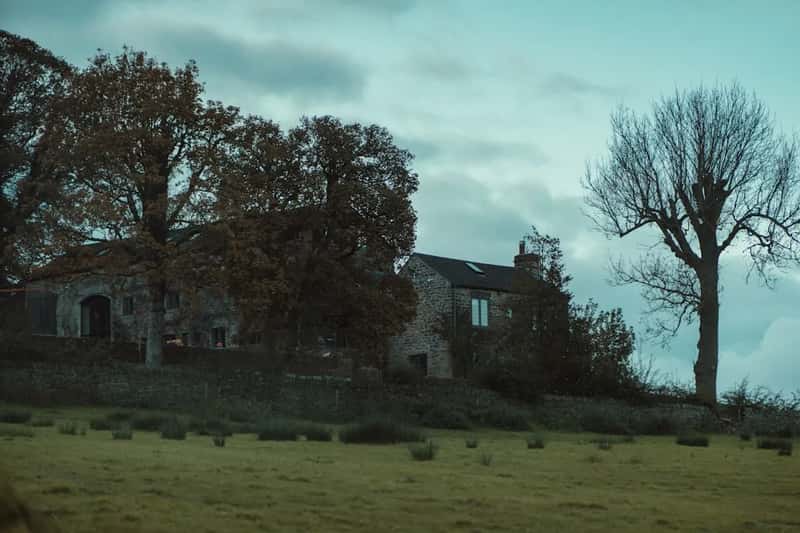
Classic literature adaptations are proving just as powerful as streaming originals when it comes to redirecting travel plans. Search interest in Yorkshire spiked by 60% in the first six weeks after the release of the Emily Brontë adaptation, with searches for this summer up 35% year over year. A landscape that has existed for centuries suddenly feels new again simply because a camera lingered on it.
This example also highlights something important about the trend’s staying power. It is not just a brief spike tied to a premiere weekend. The elevated search interest carrying into an entire summer travel season suggests these bumps can shape booking behavior for months, not just days.
Heated Rivalry lights up Muskoka and beyond
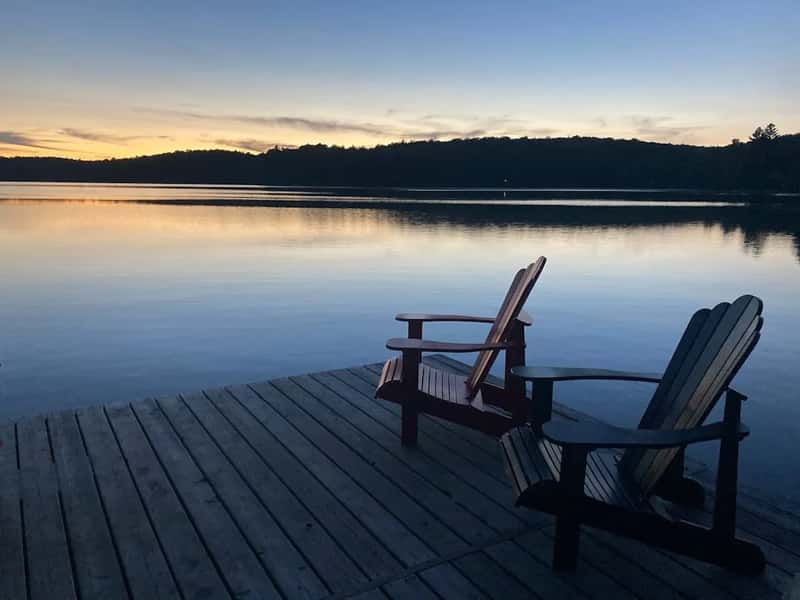
Sports themed dramas have joined the mix as well, pulling attention toward destinations that rarely appear on typical travel wish lists. Interest in Muskoka, Canada climbed by 110% after the debut of Heated Rivalry, alongside strong interest in featured cities including Boston, Montreal, and Toronto. These are not obscure filming locations either, they are recognizable North American cities that suddenly got a fresh layer of appeal.
This particular ripple effect shows how set-jetting can benefit an entire region rather than a single town. When a show features multiple cities across its run, each one tends to see its own smaller surge, spreading the tourism benefit across a wider geographic footprint instead of concentrating it in one overwhelmed location.
What is coming next for 2026 and 2027

The industry is already forecasting where the next wave of screen inspired travel will land, and the list reads like a preview of upcoming release calendars. Predictions point to destinations like Samoa and Hawaii tied to the upcoming Moana live action release, and the Peloponnese region of Greece connected to the anticipated Odyssey film. Both locations offer something the trend seems to reward most, dramatic natural scenery paired with a story audiences already feel emotionally invested in.
This forward looking pattern matters for anyone planning a trip further out. Locations tied to major upcoming films or series tend to see price and demand increases well before the release date, once word spreads that a production has been filming there. Booking early, or at least watching search trends closely, is quickly becoming part of smart set-jetting planning.
Why the trend keeps accelerating
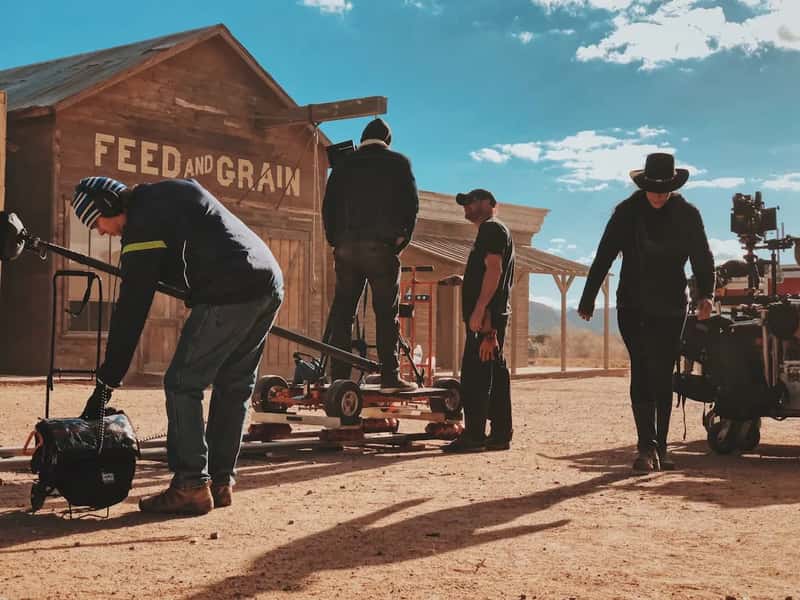
Streaming habits and social platforms have essentially removed the delay that used to exist between watching something and acting on it. A decade ago, a hit show might slowly build tourism interest over a year or two. Now a single trending clip can send search volume climbing within a matter of weeks, sometimes days.
The other piece of this puzzle is emotional rather than logistical. Travelers increasingly describe wanting a trip that lets them feel connected to a story, a mood, or a character, rather than simply checking off a famous landmark. That shift in motivation, feeling over location, is part of why set-jetting has moved from a fun sidebar in travel articles to something travel brands now build entire marketing campaigns around.
Final thoughts
Set-jetting has quietly become one of the most reliable ways to predict where American travelers will show up next. It rewards curiosity over convention, and it turns quiet towns and overlooked coastlines into must-see stops almost overnight. Whatever gets greenlit for streaming or the big screen over the next year will likely double as an early travel forecast, whether the industry planned it that way or not.