Every year, another wave of retirees packs up a house in Ohio or Ontario and heads south with visions of cheap tacos, ocean breezes, and a pension that finally stretches far enough. Some of that dream holds up. A good chunk of it, though, gets lost somewhere between the travel blogs and the actual paperwork.
What follows isn’t meant to scare anyone off. It’s meant to fill in the gaps that glossy retirement guides tend to skip, the parts about visas, healthcare, property law, and taxes that only become obvious once you’re already knee deep in them.
Residency rules got stricter than the brochures let on
For years, Mexico had a reputation as one of the easiest countries in the world to retire to on a modest income. That reputation is outdated. Effective January 1, 2026, new financial requirements raised the income bar for Temporary Resident visas to approximately $4,400 a month, up from roughly $2,800 a month in 2025.
Permanent residency moved too. It now requires about $7,400 a month in income, or $300,000 in savings. On top of that, Mexico’s Congress passed a law in November 2025 that doubled all government processing fees for foreign residency cards, effective January 1, 2026. Anyone planning a move based on numbers from a 2024 article is working from an outdated map.
Healthcare is a genuine bargain, but it comes with trade-offs

The affordability part of the healthcare story is real. For those aged 50 to 59, IMSS currently costs about 61 dollars per month per person, for people 60 to 69 it is 85 dollars, and those 70 and older pay 88 to 91 dollars. Private insurance runs higher but stays modest by American standards, often around 150 to 300 dollars a month for a healthy individual in their sixties.
The catch is what you get for that price. With IMSS, you don’t choose your hospital, you are assigned one, and English is rarely spoken. There’s also a financial trap worth knowing about ahead of time: many Mexican hospitals expect a deposit upfront if you don’t have insurance, sometimes as low as 5,000 pesos, but it can be 100,000 pesos or more. Medicare, by the way, does not follow you across the border, so that gap needs its own plan.
That beachfront home isn’t quite yours the way you think
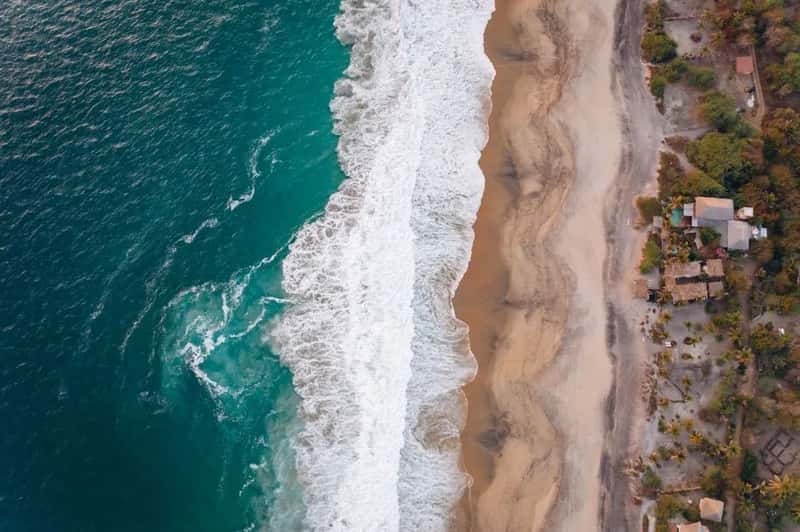
Plenty of retirees picture a house with their name on the deed, right on the sand. In most coastal spots, that’s not how it works. Article 27 of the Mexican Constitution prohibits foreigners from holding direct title to residential property within the Restricted Zone, defined as all land within 50 kilometers of any coastline and 100 kilometers of any land border.
The workaround, a fideicomiso, is well established and not something to fear. A Mexican bank holds title as trustee, while the buyer keeps the right to use, improve, lease, transfer, or sell the property, subject to the trust terms. The trust runs for 50 years and can be renewed indefinitely, and setup plus annual fees add a real, if manageable, extra cost most first-time buyers don’t budget for until they’re already at the notary’s office.
Safety is a patchwork, not a single verdict

“Is Mexico safe?” is the wrong question, because the answer changes by state. The U.S. State Department rates Mexico at Level 2, Exercise Increased Caution, nationally, with state-by-state granularity, and lists six states at Level 4, Do Not Travel: Colima, Guerrero, Michoacán, Sinaloa, Tamaulipas, and Zacatecas.
Most of the places retirees actually settle in look nothing like those headlines. The nationwide baseline is Level 2, the same level assigned to France, Germany, Italy, and the United Kingdom. Merida and Campeche sit even lower on the scale, which is part of why the Yucatán region shows up so often on retiree shortlists. Still, treating the whole country as one uniform risk profile misses the point entirely.
The IRS follows you across the border
A common misconception is that moving abroad quietly ends your relationship with the American tax system. It doesn’t. The U.S. taxes citizens on worldwide income wherever they live, including Social Security, pensions, IRA and 401(k) distributions, rental income, interest, dividends, and capital gains.
There are tools to soften the blow. The Foreign Tax Credit, claimed on Form 1116, credits Mexican income tax dollar for dollar against your U.S. tax, and most retirees use it because it covers retirement income. Holding a residency card doesn’t automatically make you a Mexican tax resident either; that depends on where your primary home and center of vital interests actually sit, not on which visa is stapled into your passport.
Your budget will hinge entirely on where you land

The idea of a single “cost of living in Mexico” figure is somewhat misleading, because the range is wide. A retired couple can live comfortably in most Mexican cities on $2,000 to $3,500 a month, with coastal tourist cities running higher and inland colonial towns and mid-size cities running lower.
Location changes the math dramatically. In Lake Chapala and Ajijic, rentals run 600 to 1,200 dollars, and the mild climate keeps utility bills low. Meanwhile Numbeo data shows living costs run 42 to 45 percent lower than the US or Canada, a gap wide enough that even a modest fixed income can go noticeably further than it did back home.
The paperwork marathon is longer than anyone advertises
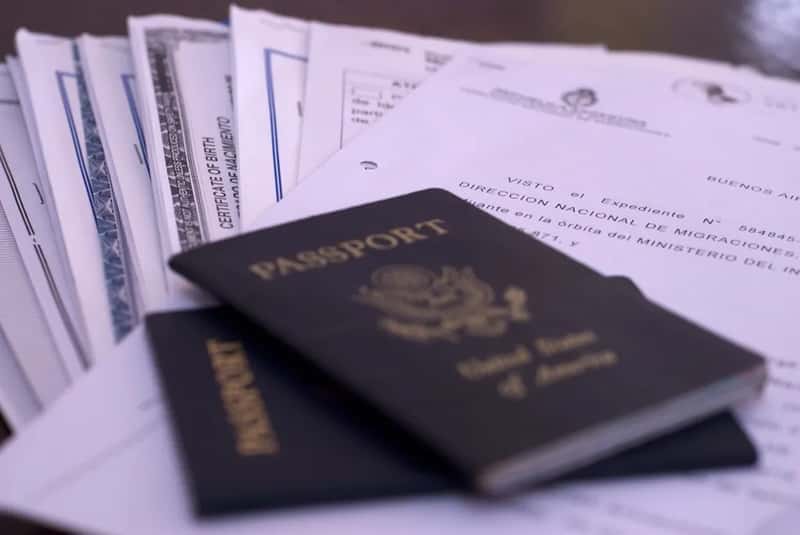
Getting the visa stamp at a consulate is only step one. Temporary residency means you apply at a Mexican consulate in your home country, get a visa stamp, fly to Mexico, and convert it to a resident card at an INM office within 30 days of arrival.
Consulates don’t always agree with each other either, which adds friction nobody warns you about upfront. Documentation standards, exchange rates, and even which assets count as valid proof of solvency can shift from one consulate to the next, and precious metals, bitcoin, and real estate investments are not accepted as proof of financial solvency; consulates want to see actual cash deposited and held in the bank. Building in a buffer of patience, and a folder of backup documents, saves a lot of frustration later.
Money mechanics take some relearning
Simple financial tasks that felt automatic at home suddenly require new steps. Opening a Mexican bank account, signing a lease, or buying a car all typically require a CURP, the Clave Única de Registro de Población, the Mexican equivalent of a Social Security Number, which you receive once you hold a temporary resident visa.
The exchange rate matters more than people expect too, since it shifts what a fixed dollar pension is actually worth from month to month. Around early 2026, Banxico reported the peso-dollar exchange rate at 17.13 as of January 29, 2026, a level that made cross-border budgeting noticeably different than it was a year or two earlier when the peso sat weaker. None of this is complicated once you’re used to it, but the learning curve in the first few months is real.
The expat bubble is comforting, and a little limiting
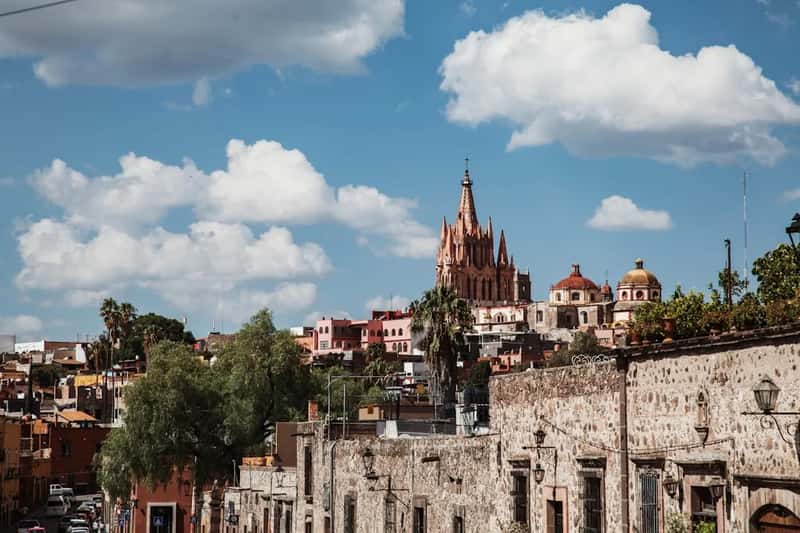
Communities like Lake Chapala, San Miguel de Allende, and Mérida make the transition easier in ways that matter, especially in year one. InterNations’ 2025 Expat Insider Survey found 88 percent of expats feel welcome in Mexico, 79 percent feel at home, and 74 percent are happy with their social life, all well above global averages.
That comfort has a flip side worth naming honestly. In Lake Chapala specifically, InterNations reports 35 percent of expats describe their friends as mostly locals, more than double the global average of 16 percent, which suggests that even in the friendliest expat hubs, deep local integration takes real effort rather than happening automatically. Retirees who learn some Spanish and step outside the English-speaking circle tend to report a fuller experience than those who don’t.
Final thoughts
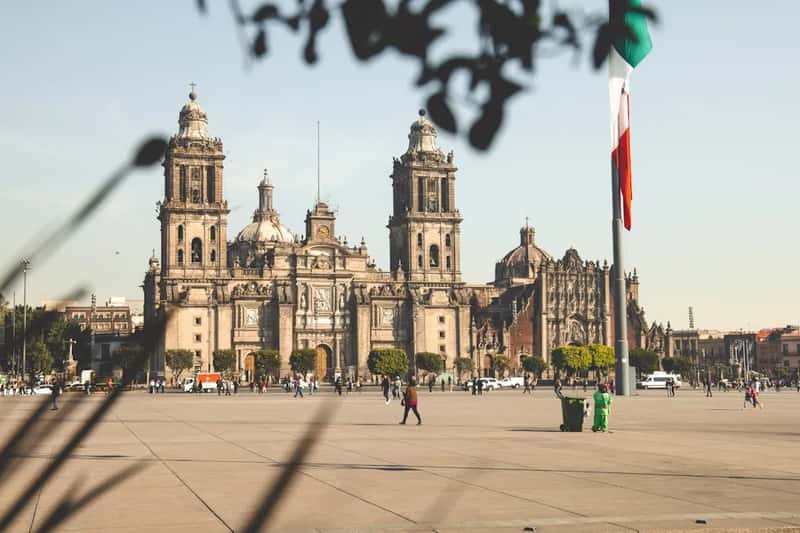
Retiring in Mexico still makes sense for a lot of people, and the fundamentals that drew retirees south in the first place, warm weather, lower costs, good food, and welcoming communities, haven’t gone anywhere. What has changed is the amount of homework required before the move, from updated income thresholds to property law to a tax obligation that never really goes away.
None of this is a reason to abandon the plan. It’s simply a reason to build the plan on current facts rather than outdated forum posts or a friend’s experience from a decade ago. Mexico rewards retirees who show up prepared, and it has a way of quietly humbling the ones who don’t.