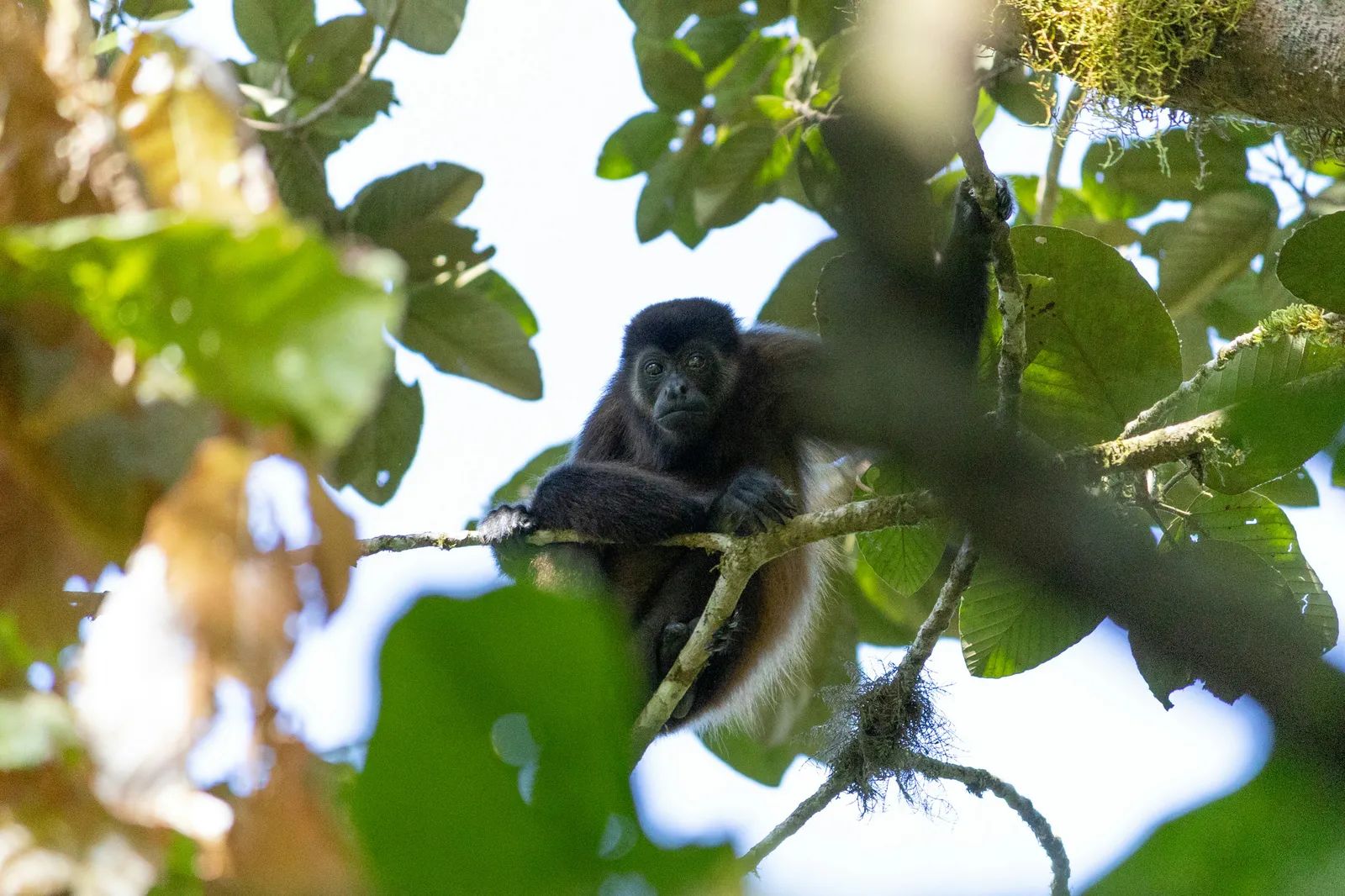
Nicaragua – Ometepe sits in the middle of Lake Nicaragua as one of the more distinctive landforms in Central America. Two volcanoes dominate the skyline and shape daily rhythms for the people who live there. Travelers who reach the island often describe a setting that combines dramatic geology with a noticeably unhurried pace. The island formed when lava flows from the volcanoes connected what were once separate cones. That same volcanic soil supports small farms and dense vegetation that covers much of the lower slopes. Lake Nicaragua itself is large enough to influence local weather and provides the only practical route for most visitors arriving by ferry or small boat.
Geology That Defines Daily Life
The two volcanoes, Concepción and Maderas, rise steeply from the water and remain active features of the landscape. Concepción has erupted within the last century, while Maderas is considered dormant yet still shapes the terrain with its crater lake and forested slopes. Residents have long adapted to the presence of these peaks, building homes and roads that follow the natural contours rather than cutting straight lines across them. For visitors, the volcanoes create both opportunity and constraint. Trails lead up the slopes for those prepared for steep climbs and changing weather. At the same time, the same terrain limits large-scale development, which helps preserve the quiet character of the shoreline villages.
Travel Patterns Shaped by Limited Infrastructure
Most people move around Ometepe on motorbikes or bicycles rented near the main ferry dock. The single main road circles the island and passes through small communities where farming and fishing remain central to the economy. Riders often stop at beaches that see few visitors outside peak holiday periods, a direct result of the island’s modest number of hotel rooms and restaurants. The same road network means that distances feel longer than the map suggests. Fuel and repair services are concentrated in a handful of settlements, so travelers typically plan shorter daily segments and return to their lodging before dark. This pattern reinforces the slow-travel experience many seek when they choose Ometepe over more developed coastal destinations.
Practical Realities for Visitors
Ferry schedules from the mainland determine arrival and departure times, and service can be affected by weather on the lake. Once on the island, cash remains the dominant payment method outside the largest lodges. Cell coverage exists along the main road but drops quickly on side trails or higher elevations. These conditions affect who visits and how long they stay. Independent travelers comfortable with basic logistics tend to spend several days, while organized groups often limit their time to a single overnight. The result is a visitor profile that favors those willing to adjust plans around local rhythms rather than fixed itineraries.
Looking Ahead for the Island
Ometepe’s combination of striking geology and limited infrastructure continues to draw a specific type of traveler. As more people learn about the island through word of mouth and independent travel reports, pressure on the small ferry fleet and trail networks may increase. How residents and local authorities manage that growth will determine whether the quiet, village-centered character that currently defines the place remains intact.