The blue U.S. passport book is about to change in ways you can see and in ways you’ll only notice once you fill it up. The State Department plans a redesigned book for 2028. It will come in a single size, so the choice between a standard book and a larger frequent traveler book goes away.
Most of this comes from two official moments: a Federal Register notice in April 2026 and Secretary of State Marco Rubio’s America.gov event in late September. Some details are firm, while others, like an exact launch date, haven’t been published. Here’s what’s confirmed so far and what it means for people who travel a lot.
What the State Department Has Actually Announced
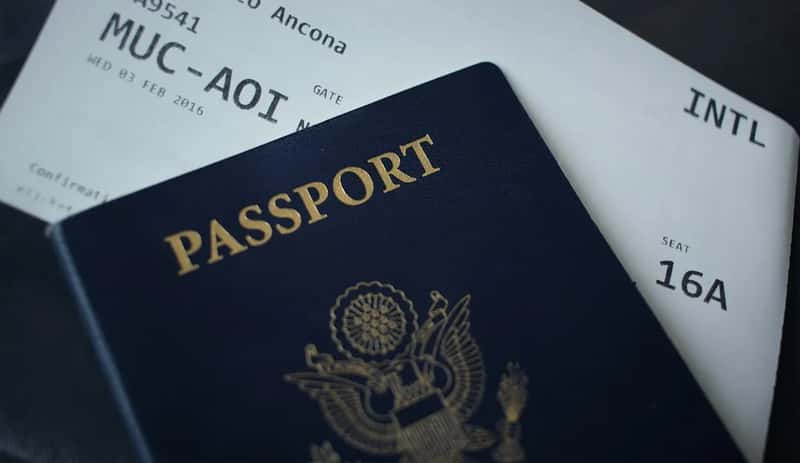
The State Department said it currently issues a 26-page book and a 50-page book, and that it has decided to shift to a single-sized, 38-page book with the next redesign.[1] That notice was published in the Federal Register on April 20, 2026[1]. It’s the primary source for the page count change, so it’s the document to trust over any summary.
The public got a closer look later. Rubio spoke at the America.gov event on September 29, 2026[2], where the redesign was shown alongside plans for online applications. The two announcements run on different schedules, which is worth keeping in mind, because the online application and the new book won’t arrive at the same time.
The 38-Page Math: Who Gains and Who Loses
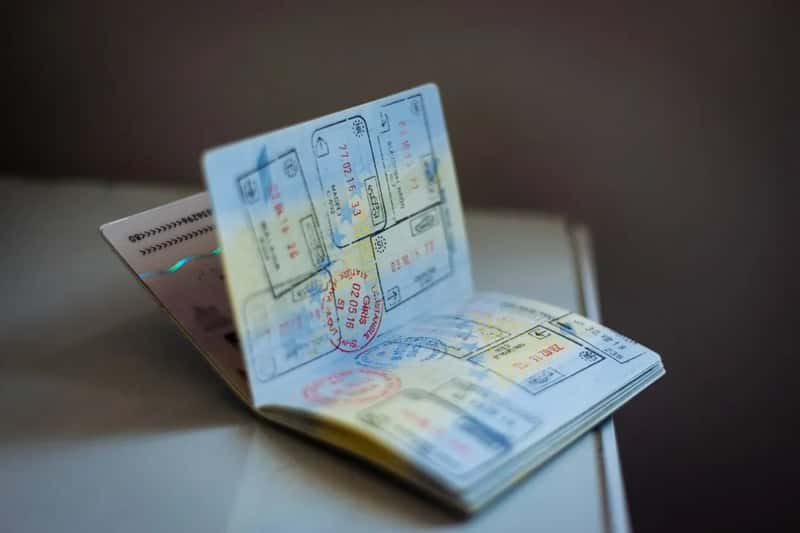
Thirty-eight pages sits between the two current options, so the change isn’t a loss for everyone. The department says a single 38-page book will allow more visa pages for the majority of applicants.[1] If you’ve always taken the standard 26-page book, you’re getting extra room.
The people who lose out are the ones who used the big book. The loss is the ability to choose the larger book, which matters to travelers who need room for visas and entry stamps.[3] The State Department acknowledges this directly. It says some frequent international travelers, U.S. citizens living abroad, and special-issuance passport holders will need to renew more frequently.[1]
Why the Department Says It’s Doing This
The stated reason is practical rather than political. A 2024 feasibility study looked at moving to a single-sized book, and it concluded that a 38-page book would increase efficiency and reduce waste in passport production.[4] Fewer product types generally means simpler printing and simpler inventory.
Secondary reporting lists related goals, such as lower manufacturing costs, simpler inventory management, and a more streamlined issuance process[5]. Those goals sound reasonable on paper. Still, they’re the department’s own justification, and travelers who rely on the larger book may weigh the tradeoff differently.
Who Actually Uses the 50-Page Book
The larger book is less common than you might think. The notice says 8 percent of customers receive the 50-page book, and most of them get it because of a policy of issuing it to special-issuance and overseas applicants.[1] In other words, many holders of the big book didn’t pick it themselves.
That shapes how the department sees the burden. It expects frequent travelers, overseas Americans, and special-issuance holders to make up a small percentage of all applicants.[1] The department also invited stakeholders to comment on the burdens of ending the 50-page option[1], and the comment period ran until June 22, 2026[6]. I haven’t seen the department publish a response to those comments, so the final impact is still unclear.
The “Flight of the Eagle” Design
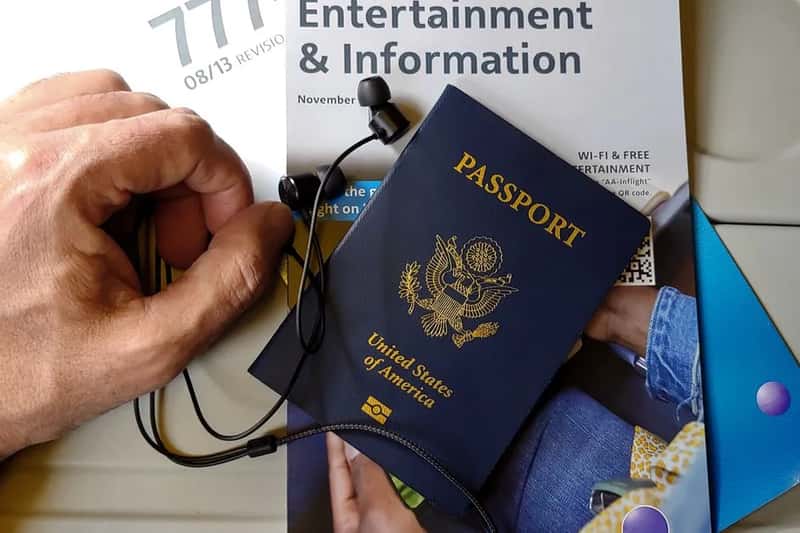
The new look has a name. Called “Flight of the Eagle,” the redesign was developed by the State Department and the National Design Studio, and it’s scheduled to arrive in 2028.[7] The cover stays blue, but the emblem gets more attention.
Reports describe a layout in which “United States of America” moves above a larger, more prominent gold Great Seal[7]. Inside, the artwork will depict scenes from U.S. history, including the American Revolution, the Wright brothers’ aviation achievements, the Iwo Jima flag raising, and space exploration[8]. An eagle appears in different positions throughout the book, so it seems to move when you flip the pages quickly.[8]
Online First-Time Applications Arrive Sooner
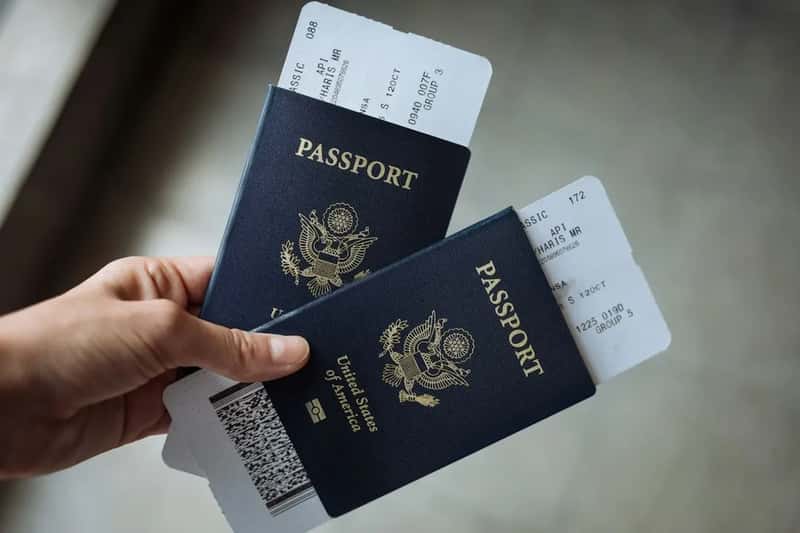
The page count and the artwork are tied to 2028, but the application process changes earlier. The State Department said Americans will be able to apply for a first passport entirely online starting next year, and the demonstration used login.gov, a phone or uploaded photo, and online payment.[2] That’s a big shift for a process that has long depended on paper forms and in-person acceptance.
There’s a related change aimed at people abroad. The Federal Register notice says planned enhancements to the Online Passport Renewal platform will let overseas applicants renew online.[1] The department suggests this may mitigate the burden[9] of losing the larger book, since renewing more often gets easier.
How We Got Here: From 52 Pages to 38
Page counts have shifted before. The current Next Generation Passport comes in 26-page and 50-page sizes, while the earlier legacy ePassport came in 28-page and 52-page sizes.[1] So the standard books have already shrunk by a couple of pages in the past.
The old safety valve is gone too. A 2015 proposal said the department began issuing the 52-page book to all overseas applicants at no extra cost in October 2014[10], and it proposed ending visa page inserts for security reasons. One summary says that service was eliminated effective January 1, 2016[11]. That means today, a full passport can’t be extended with extra pages, and the new single size won’t change that.
What Travelers Should Do Right Now
For most people, the answer is nothing. Passports issued with older designs remain valid for international travel as long as they aren’t expired or damaged.[2] You don’t need to rush out and replace a good passport because a redesign is coming.
If you’re a heavy traveler, a bit of planning helps. Several outlets suggest that someone who is nearly out of pages, or whose passport expires within a year or so, might consider ordering now to get the extra pages before the reduction[12]. That’s a reasonable suggestion, though no exact 2028 start date has been published, so the window isn’t clearly defined. Counting your blank visa pages before each trip is a simple habit that avoids surprises.