Most people pack their carry-on bags with the essentials: a neck pillow, headphones, a book, maybe some snacks. Very few would think to toss in a humble, lime-green tennis ball. Yet travel experts and medical professionals increasingly point to this odd little object as one of the smartest things a flyer can bring on board.
It sounds almost absurd. A tennis ball. On a plane. But once you understand what hours of sitting in a pressurized metal tube actually does to your body, the logic becomes surprisingly hard to argue with. Let’s dive in.
The Real Problem with Long Flights That Nobody Talks About Enough
For all the joy that travel can bring, sitting in a cramped economy seat for hours on end isn’t something to look forward to. Tight quarters can inhibit circulation, leaving passengers feeling uncomfortably achy at the end of a long journey. Most travelers just accept this as part of the experience. They shouldn’t.
When you sit still for hours in a cramped space, especially with your legs bent at the knee and limited chances to stretch out or get up and move around, circulation throughout the body slows down. As a result, blood and lymphatic fluid can pool in the lower legs and feet instead of moving toward the heart.
The low cabin pressure in airplanes often leads to thicker blood and poor circulation. If airline passengers are not careful, they could be dealing with swollen feet and legs that can be exacerbated, possibly leading to complications. That escalated quickly, didn’t it?
The Blood Clot Risk Is More Real Than You Think
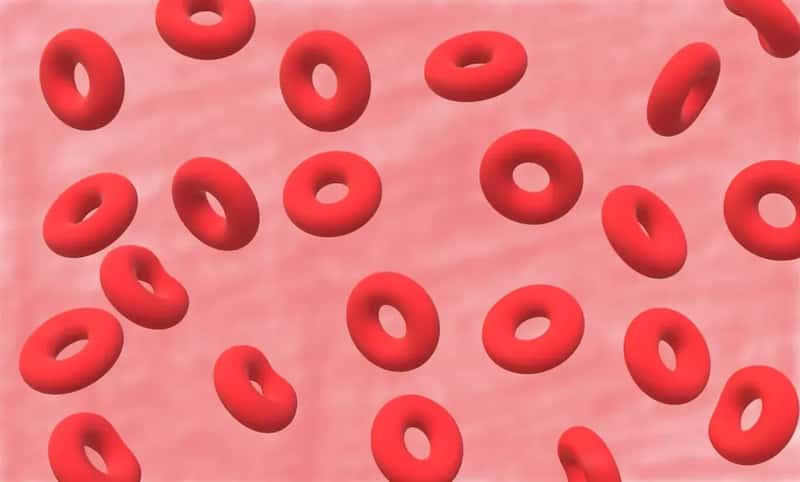
Studies show that the risk of developing a blood clot, also known as deep vein thrombosis or DVT, during a long-distance flight is between 3% and 12%. You don’t have to have varicose veins or venous insufficiency – even people with healthy circulation are at increased risk. That’s a number that tends to surprise people.
Studies indicate that long-distance air travel might increase a person’s overall risk for VTE by 2- to 4-fold, but the data are inconsistent. While some studies found that long-distance air travel increased the risk of VTE occurring, others either found no definitive evidence of increased risk or found that risk increased only if one or more additional VTE risk factors were present.
Prolonged travel on flights of four hours or longer is associated with a 2- to 4-fold increase in risk, with an absolute risk of an event within four weeks of the flight of about one in 4,600 flights. Honestly, that is a small number in isolation. But multiply it across millions of annual passengers, and it becomes a real public health concern worth taking seriously.
So Where Does the Tennis Ball Come In?
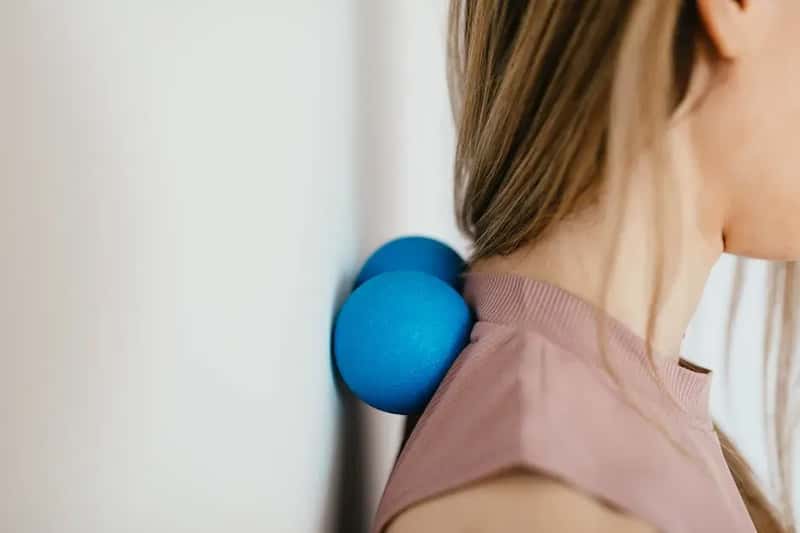
There is one other, often overlooked strategy to consider: packing a tennis ball in your carry-on and using it to give yourself an acupressure massage. Think of it as your personal, on-demand physical therapist, except it costs almost nothing and fits in the corner of your bag without any fuss.
You can use the ball to provide acupressure to certain areas on the body, which can help stimulate blood flow, keep the muscles loose, and prevent potential stiffness or swelling. The beauty of this is that it works while you are seated. No need to squeeze past your row neighbors every twenty minutes.
Tennis balls are not for improving your tennis game, but rather, tennis balls can help to alleviate issues associated with sitting for prolonged periods of time, namely muscle tension and poor circulation. Using a tennis ball as a massage tool can help your body relax. By rolling them over specific body areas, you can relieve muscle tension and improve blood flow while flying.
The Foot Rolling Technique That Works Instantly
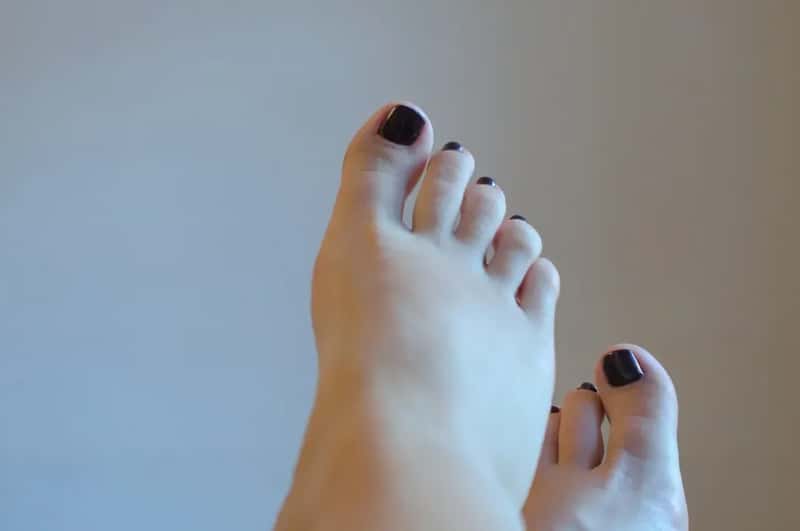
Kick off your shoes and roll the tennis ball under the arch of each foot – loosening up the arches will help to loosen up your legs in general. It sounds almost too simple to be effective. Spend two minutes doing this on each foot and you will genuinely feel the difference.
Foot massage boosts your circulation, which helps with healing and keeps your muscles and tissues healthy. That’s especially important if you have health problems that add to poor circulation or nerve damage, like diabetes. Rolling a tennis ball under your sole essentially mimics a basic version of this.
Studies show that foot massage can help reduce stress and anxiety as well as lower blood pressure. Additionally, foot massage can stimulate the production of endorphins, the body’s natural painkillers, thus promoting a sense of well-being. So you are not just preventing a blood clot. You might actually arrive at your destination feeling calmer, too.
The Back Relief Trick That Frequent Flyers Swear By
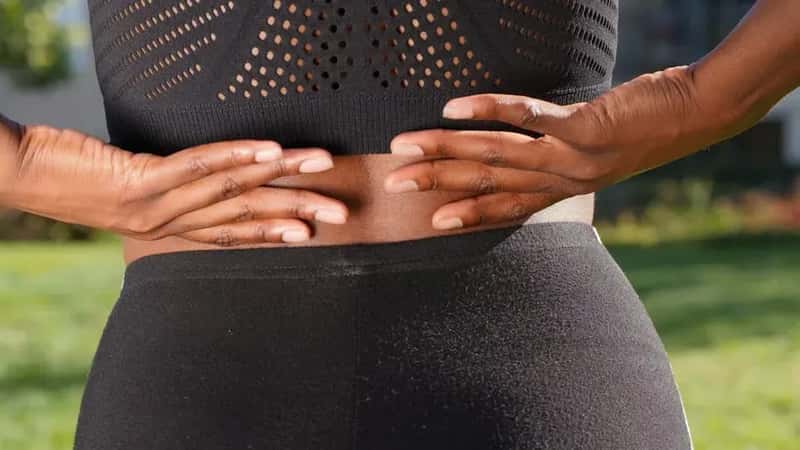
Bring not one, but two tennis balls with you, stuff them in a sock, and place the sock between your back and the seat above the hips and below the shoulders. During the flight, press into the tennis balls in order to break up the muscles in your back and provide a bit of relief. This DIY trick has gone viral in travel communities for good reason.
Another idea is to take two tennis balls and put them in a long sock, knotting it at one end. Then, place it behind your back or neck, with one ball on either side of your spine. The DIY massage tool helps prevent tension from building when you’re seated for hours.
It is worth noting that no matter how you choose to use your carry-on tennis balls, one thing you should keep in mind is that you shouldn’t be applying pressure or rolling directly over the bones in your body. Soft tissue only. That’s the rule.
What Physical Therapists Actually Say About It
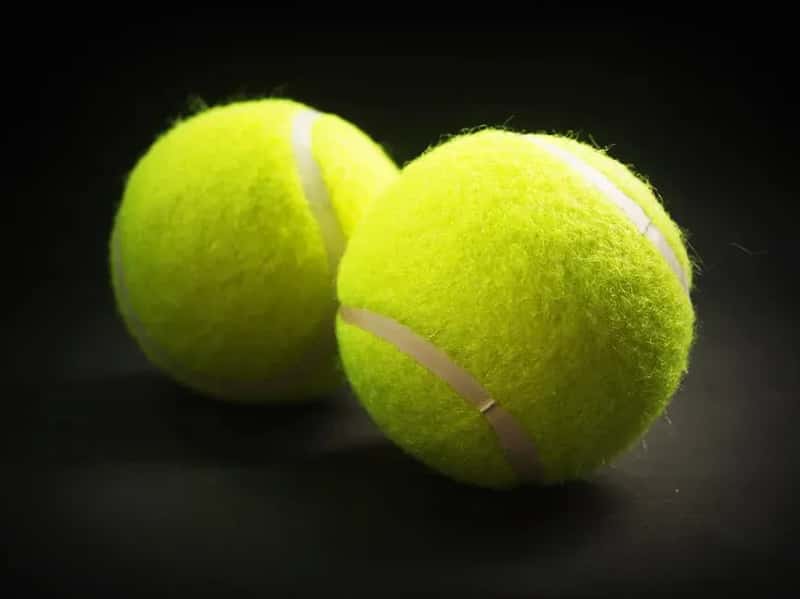
Professor Ali Ghoz, an orthopaedic surgeon, previously told The Daily Star: “By taking a tennis ball or a massager on the plane this will help increase circulation.” This is because the ball can be used to roll out any tight or sore muscles, particularly in the legs and back.
Illinois-based physical therapist Peter Allan Schmitt told USA Today: “[Tennis balls are] the perfect size for most areas and they have a little bit of give, which I like.” That slight firmness with just a hint of give is actually what makes a tennis ball superior to, say, a hard lacrosse ball for in-flight use.
A tennis ball can help alleviate these issues by serving as a portable massage tool. Roll it under your feet or press it against your back or neck to relieve tension and stimulate blood circulation. Plus, it’s a discreet and noise-free solution that won’t disturb your fellow passengers. A win on all fronts.
The Science of Foot Reflexology That Backs This Up
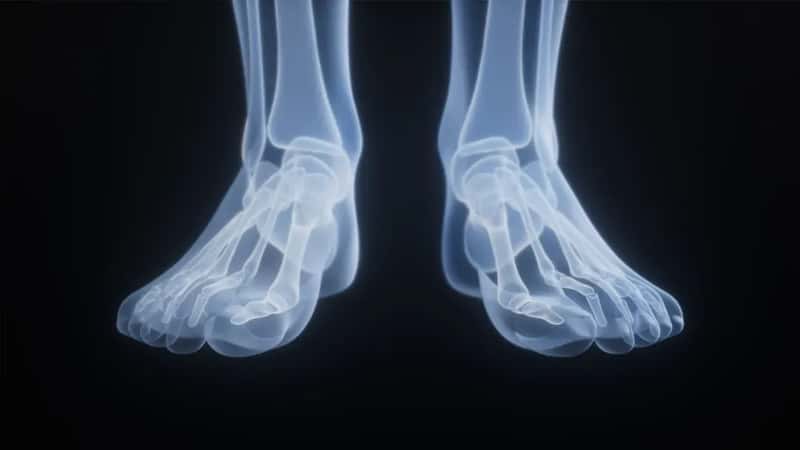
Foot reflexology is based on the principle that specific areas on the soles of the feet correspond to other parts of the body and organs. By applying appropriate pressure and stimulation to these areas, it is believed that these reflex zones can be activated, promoting therapeutic effects by stimulating blood flow, nutrients, nerves, and more.
According to research, foot reflexology can help alleviate pain, exhaustion, cancer symptoms, sleep disturbances, and other health problems. This low-cost, side-effects-free, simple and non-invasive complementary therapy is becoming popular in the general population. You are essentially tapping into a centuries-old healing practice with a $2 object.
It’s hard to say for sure how deep the effects go, but reflexology triggers the release of endorphins and enkephalins, which help relieve pain and improve mental energy and well-being. On a red-eye flight somewhere over the Atlantic, that sounds pretty attractive.
It Is Completely Allowed Through Security
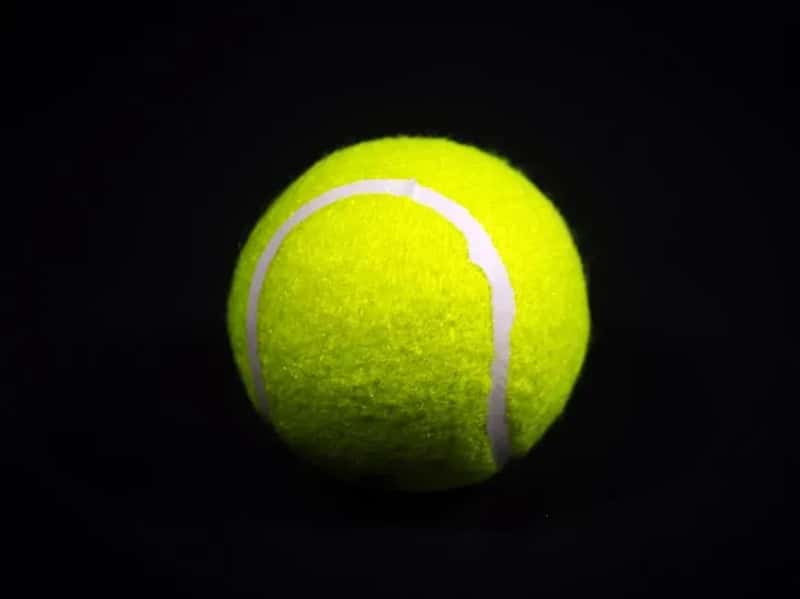
Let’s be real. One of the first questions anyone has is: can you actually bring a tennis ball on a plane? According to the TSA, tennis balls are allowed in both carry-on and checked luggage. However, it’s important to note that some airlines may have their own rules regarding the transportation of tennis balls. In practice, no one is pulling tennis balls out of bags at security checkpoints.
Tennis balls are not only permitted under TSA regulations but also take up very little space in your carry-on. That is about as close to a no-brainer as travel hacks get. Zero cost to carry, no liquid restrictions, no size issues, and potentially real health benefits.
This tip is also worth considering when taking a long journey aboard Amtrak or riding as a passenger on a cross-country road trip. Anywhere you are stuck sitting for extended stretches, the tennis ball approach applies equally well.
The Edema Reality Check: Nearly Everyone Is Affected
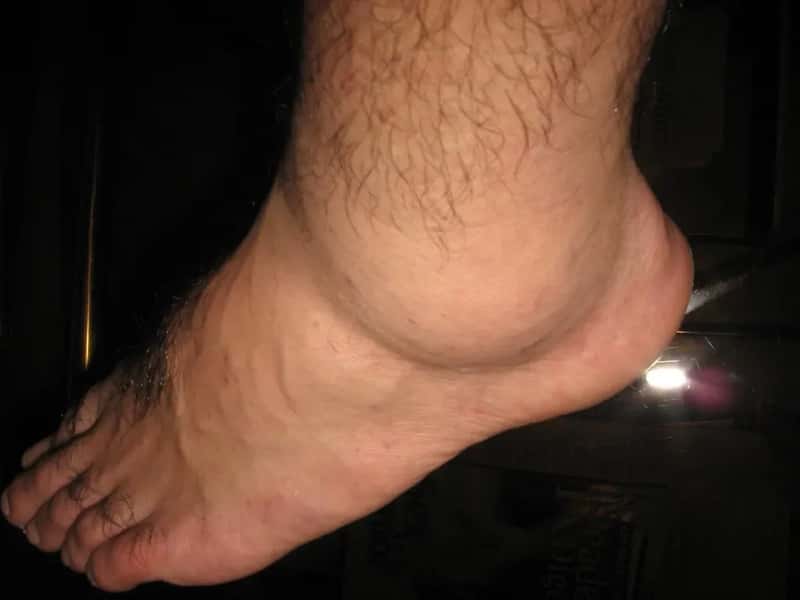
Here is a number that genuinely surprises most travelers. Leg edema from flying is very common and is often harmless. Studies show that edema is present in around 97 in 100 people who fly for more than 7 hours. Nearly every single passenger on a long-haul flight experiences some degree of fluid buildup in their lower legs. Most people just never notice until they try to put their shoes back on.
One of the most common complaints among travelers is swelling in the legs, a condition known as edema. This occurs when fluid builds up in the lower extremities, causing discomfort, tightness, and sometimes even pain.
Feeling achy during or after a flight is often the result of poor circulation that comes with sitting in a confined space without much room to move. Impeded blood flow can also cause swelling, which can lead to deep vein thrombosis. A tennis ball won’t replace compression socks or medical care for serious conditions, but it is a genuinely useful, accessible layer of defense.
Other Smart Ways to Use Your Tennis Ball Mid-Flight
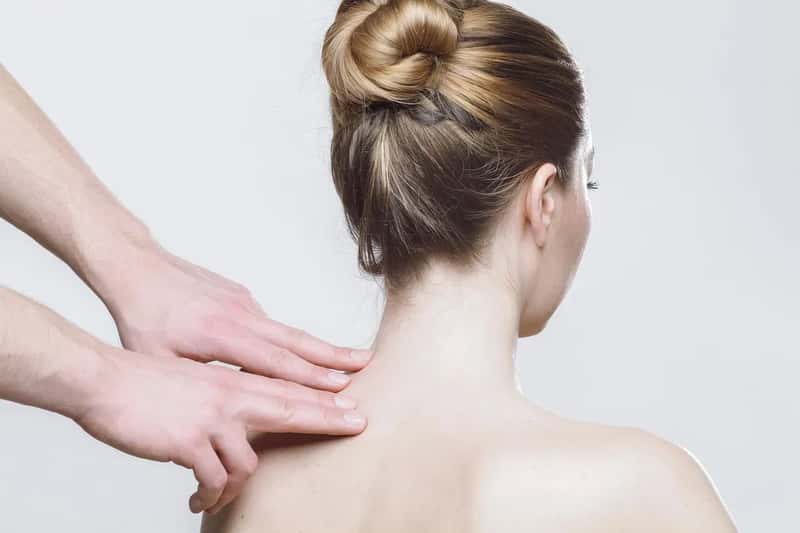
You can use them to massage your ankles, calves, legs, wrists, back, and shoulders. The versatility here is underappreciated. It is not just a foot tool. It is a full upper and lower body tool that fits in your palm.
Staying fit while traveling can be a challenge, but a tennis ball offers a convenient way to incorporate some exercise into your daily routine. Use it for hand-eye coordination exercises, or play catch with a fellow traveler to get your heart rate up. You can also use the ball for yoga and stretching exercises, targeting hard-to-reach muscles and improving flexibility. That last one is admittedly tricky in economy class, but every little bit helps.
A tennis ball can also serve as a cushion for delicate items in your luggage. Simply cut a slit in the ball and insert small, fragile items such as perfume bottles or souvenirs. So it doubles as packing material. Not bad for something that costs less than a coffee at the airport.
Conclusion: The Smallest Packing Decision With the Biggest Payoff
Travel is already exhausting enough without your body staging a quiet protest somewhere over the ocean. The tennis ball trick won’t transform a 14-hour flight into a spa experience. But it gives you genuine, evidence-backed tools to fight back against muscle tension, poor circulation, swollen feet, and even the lurking risk of blood clots, all without spending money on a business class upgrade.
Think of it this way. A tennis ball weighs almost nothing, costs almost nothing, and takes up a corner of your bag that would otherwise be wasted space. The upsides, from foot reflexology benefits to back tension relief to improved blood flow, are real and supported by both medical professionals and physiotherapy research. The downsides are essentially zero.
Next time you are packing for a flight, toss one in. You might be surprised how much something so small can change how you feel when you land. Would you have ever guessed this would be one of the most useful things in your carry-on?