Relocating can seem like the answer to all your problems. Fresh start, new opportunities, maybe even better weather. Yet the reality often tells a different story. 70% of Americans are weighed down by regrets after their move, and more than one in four say they thought they’d be happier after they moved, but they’re not. That’s a sobering truth that challenges the romanticized idea of packing up and starting over.
Let’s be real, moving is more than just changing your address. It’s expensive, stressful, and sometimes heartbreaking. The average move cost more than two thousand dollars in 2024, and by the time the year wrapped up, nearly four out of five movers had faced unexpected expenses along the way. Financial strain aside, people are wrestling with unmet expectations and cultural mismatches in cities they thought would be paradise. The grass isn’t always greener, and new data reveals exactly which destinations have left residents wishing they’d stayed put.
Los Angeles, California: The Dream That Costs Too Much
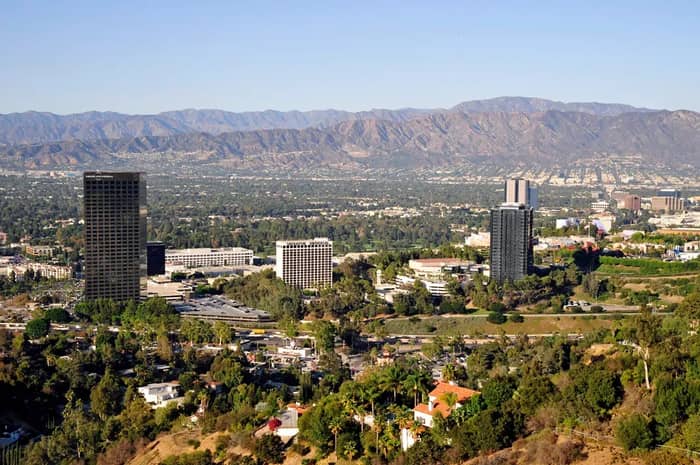
Los Angeles consistently ranks at the top of cities people desperately want to escape. Between October and December 2023, nearly 27,000 more people searched to leave Los Angeles than to move into the city. The city has an undeniable allure with its beaches, entertainment industry, and year-round sunshine, but the financial reality hits hard.
Los Angeles is the worst offender in terms of housing affordability, with the annual income needed to purchase a home exceeding residents’ actual income by approximately $162,000. That massive gap creates an impossible situation for most newcomers. Traffic is legendary for all the wrong reasons, and the cost of everyday living, from groceries to gas, drains wallets faster than expected.
Many who move to LA chase careers in film, tech, or creative industries. What they find instead is fierce competition, long commutes, and a lifestyle that demands constant financial juggling. The dream of California living quickly becomes a grind that leaves people exhausted and financially strained.
San Francisco, California: Where Six Figures Feels Like Poverty
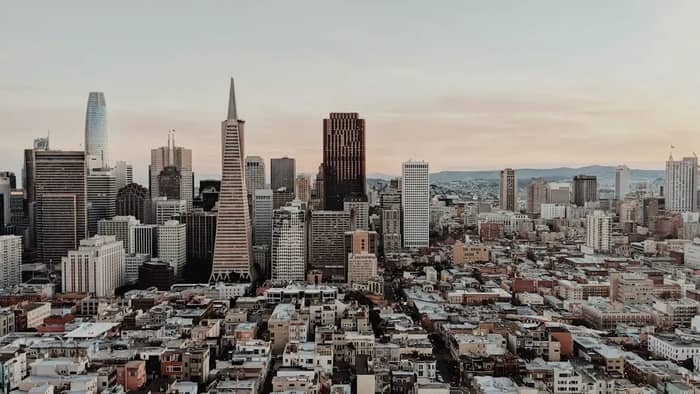
About 25,900 more people searched to leave San Francisco than move there during late 2023. San Francisco represents perhaps the most dramatic disconnect between expectation and reality. The tech boom created incredible wealth, but it also pushed living costs into orbit.
Newcomers arrive bright-eyed, ready to innovate, and are shocked to find a six-figure salary feels like minimum wage, with studio apartments costing around $3,500 a month. The homelessness crisis is visible on nearly every street corner, creating discomfort and safety concerns that marketing materials conveniently omit. Many tech workers discover that the innovation culture they expected is overshadowed by corporate pressure and insane competition.
The city’s physical beauty, from the Golden Gate Bridge to Victorian homes, can’t compensate for the daily financial anxiety. Even locals with established careers struggle to maintain their standard of living. For transplants, the realization that they’ll likely never afford to buy property in the city they call home is demoralizing.
Austin, Texas: The Boom Town That Got Too Expensive
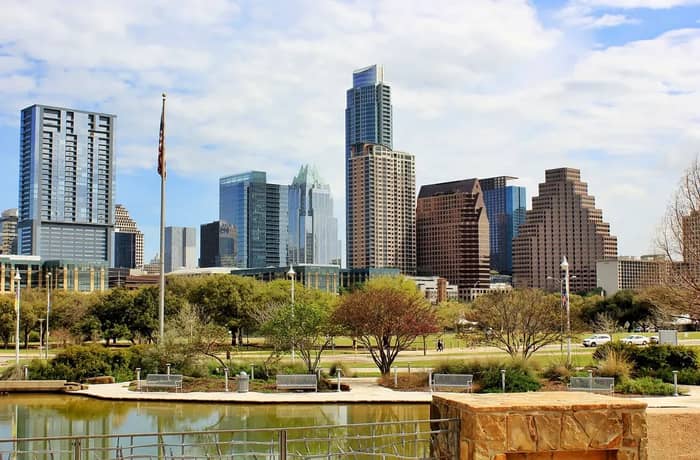
Austin is ranked 5th on the list of top 10 U.S. cities with the highest number of people moving out in 2024, marking the city’s first appearance on the moving company’s annual survey. This is particularly striking given that Austin was considered the golden child of relocation during the 2020 pandemic. Tech companies relocated there, remote workers flocked in droves, and the city marketed itself as an affordable alternative to coastal cities.
Home prices rose 60 percent from 2020 to 2022, crushing the affordability that attracted people in the first place. The main reasons cited for the exodus are declining affordability, housing prices, and a lack of space for new home construction. Traffic has become nightmarish, particularly along major highways. Honestly, I think many newcomers underestimate how quickly prosperity can price out the very people it attracts.
16% of tech workers who moved to Texas during the 2020 pandemic said they were unhappy with their decision. Summer temperatures regularly exceed 100 degrees, making outdoor activities miserable for months at a time. The cultural vibe that once made Austin unique is changing as rapid development reshapes neighborhoods.
Las Vegas, Nevada: When the Novelty Wears Off
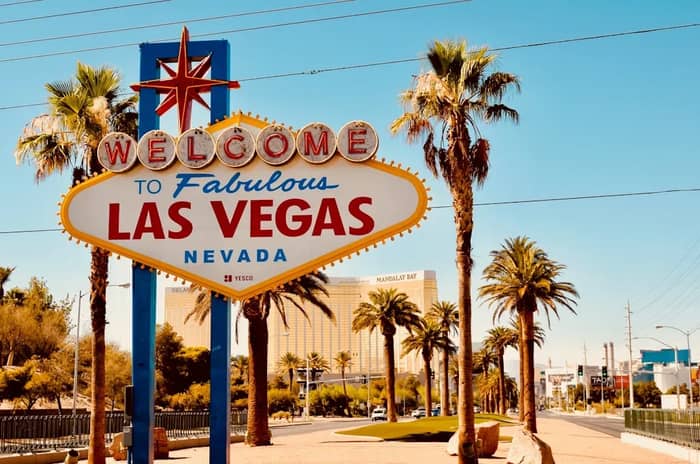
Living in Las Vegas sounds like a permanent vacation, but the reality is far less glamorous. Once the novelty of the Strip wears off, many are left with a sprawling suburb in the middle of an inhospitable desert, with the job market overwhelmingly dominated by service and hospitality industries that often result in low wages. The 24/7 entertainment culture that attracts tourists becomes exhausting for residents.
The summer heat is not just hot, but a blistering, triple-digit inferno that makes going outside feel like a chore. Air conditioning runs constantly, driving up utility bills. The city’s economy remains heavily dependent on tourism, which creates instability during economic downturns. Many professionals who relocated during remote work found limited career advancement opportunities outside the casino industry.
Education and healthcare systems struggle to keep pace with population growth. The transient nature of the city makes building lasting community connections difficult. What seemed exciting during a weekend visit becomes isolating when it’s your everyday environment.
Detroit, Michigan: The Comeback Story That’s Still Struggling
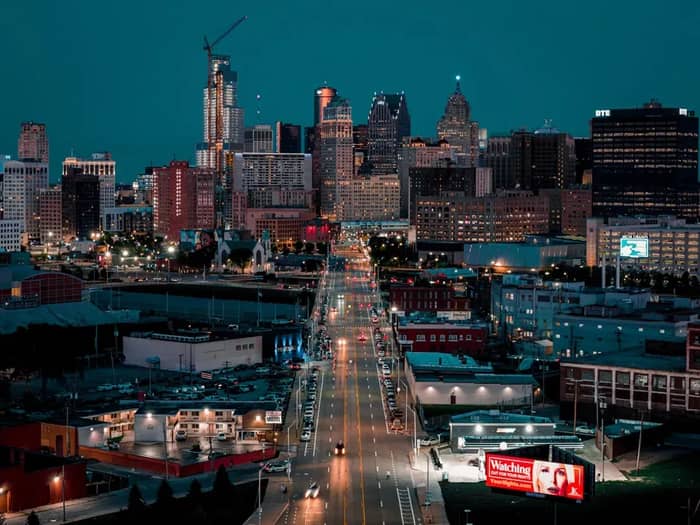
WalletHub released its study for the happiest cities in America for 2024, and Detroit ranked last overall.
Detroit ranked no. 182 with a total cumulative score of 31.43 points based on rankings of emotional and physical well-being, income and employment rank, and community and environment rank.
Cleveland, Indianapolis, and Detroit rank as the least desirable moving destinations among America’s most populous metros, according to surveys from early 2025. From October to December 2023, 2,100 more people searched to leave Detroit than to move into the city. Crime remains a significant concern in many neighborhoods. The harsh winters are brutal, with gray skies dominating for months.
Economic opportunities outside specific revitalized pockets remain limited. Infrastructure challenges persist, from road conditions to aging housing stock. While downtown has seen investment, vast swaths of the city continue to struggle with abandonment and disinvestment. The promise of affordable living comes with trade-offs that many transplants find difficult to accept.
Moving regret is real, costly, and more common than most people admit before signing a lease or closing on a home. These five cities demonstrate how quickly expectations can crumble when confronted with economic realities, climate challenges, and cultural mismatches. Before making your next big move, dig deeper than glossy promotional materials and consider whether you’re prepared for the full reality of daily life there. Did these cities surprise you, or do you have your own relocation horror story?