Every spring, a small army of researchers at Oxford’s Wellbeing Research Centre releases a document that quietly reshapes how millions of people think about where they want to spend their later years. The 2026 World Happiness Report has just landed, and for anyone eyeing retirement in the next decade, its rankings offer something more useful than a vacation guide. They offer a data-backed look at where daily life actually feels good, year after year, once the paycheck stops arriving.
What makes this year’s list interesting isn’t just who sits at the top. It’s how the mix of countries has shifted, with a Central American nation muscling its way into territory once reserved for cold-weather welfare states. Here’s a closer look at the seven countries that topped the 2026 rankings, and what that ranking actually means for someone planning to retire there.
1. Finland: the reigning champion, once again
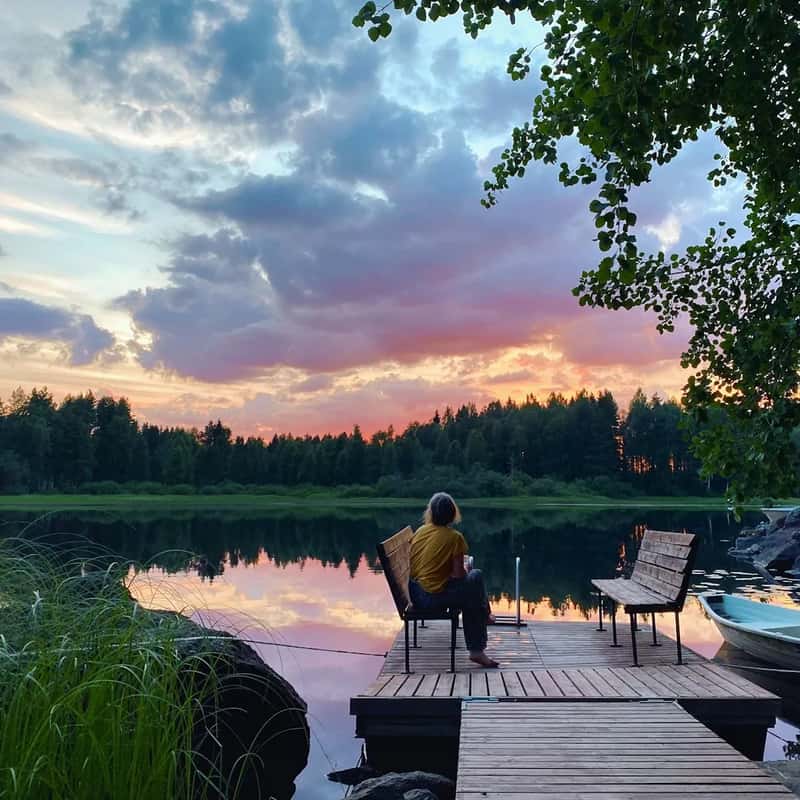
Finland has now held the top spot in the World Happiness Report for nine consecutive years, and the 2026 edition confirms that its lead is not shrinking. Finland’s hold on first place is now approaching a decade in length, with a 2026 score of 7.764, comfortably ahead of second-placed Iceland at 7.540 and third-placed Denmark at 7.539. For retirees, that consistency matters more than a flashy debut ranking would.
The reasons behind Finland’s score are not mysterious. Finns score near the global ceiling on every single variable: institutional trust is extremely high, perceptions of corruption are extremely low, income is distributed with unusual evenness, universal healthcare is robustly funded, and social safety nets catch people before they fall far. For a retiree, that translates into predictable healthcare costs, a low crime environment, and a culture that genuinely values quiet, unhurried living, whether that means sauna sessions or long walks through forest trails.
2. Iceland: small population, outsized quality of life

Iceland moved up to second place this year, edging closer to Finland than it has in recent memory. Iceland proves that even a small country can deliver world-class happiness, with fewer than 400,000 residents ranking in the top three of the World Happiness Report, driven by remarkable levels of trust and social support. That trust shows up in everyday interactions, from unlocked doors to a general sense that institutions work the way they’re supposed to.
Healthcare and safety are the two pillars retirees tend to care about most, and Iceland delivers on both. Survey information shows Icelanders report some of the lowest rates of negative emotions globally, supported by universal healthcare, long healthy life expectancy, and inclusive policies that prioritize equality, and it also helps that Iceland consistently ranks among the top ten safest countries in the world year after year. The tradeoff is cost of living, which sits among the highest in Europe, and a climate that will test anyone who isn’t fond of long, dark winters.
3. Denmark: balance as a national philosophy
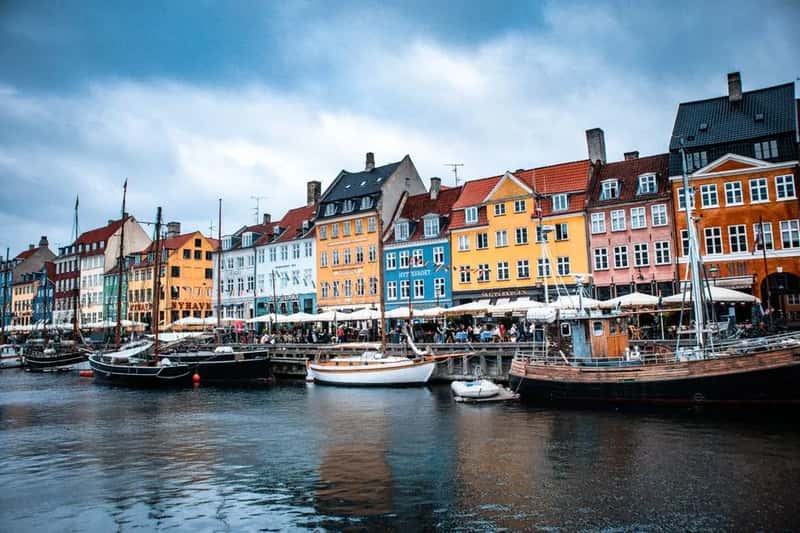
Denmark dropped one spot in this year’s rankings but remains firmly in the top three, a position it has occupied for most of the report’s fourteen-year history. With a healthy life expectancy well above the global average and a focus on equality, Denmark demonstrates how Nordic countries combine prosperity and social cohesion, with policies that reduce negative emotions while fostering a strong sense of community. That sense of community is not an abstraction; it shows up in local retiree groups, accessible public spaces, and a healthcare system that treats older residents as a priority rather than an afterthought.
Danes are also known for one of the more equitable income structures in the developed world. Danes score high when it comes to work-life balance, the environment, and healthcare, and they also pride themselves on having one of the smallest wealth gaps in the world, a society where people share both the burdens and the benefits equally. For a retiree on a fixed income, that kind of equality can mean fewer surprises and a gentler cost curve than in more stratified economies.
4. Costa Rica: the biggest surprise on the list

No country’s rise has generated more attention this year than Costa Rica’s. The most dramatic headline in the 2026 rankings is Costa Rica’s rise to fourth place globally, with a score of 7.439, the highest position any Latin American country has ever achieved in the fourteen-year history of the World Happiness Report, placing it above Sweden, Norway, the Netherlands, and all other Western European nations except Denmark and Iceland. For retirees who have long treated Costa Rica as a budget-friendly alternative to Europe, this ranking confirms something they may have already suspected from experience.
Researchers point to something beyond income statistics to explain the country’s high scores. Costa Rica’s performance is frequently invoked by researchers to illustrate the “Latin American paradox,” the persistent tendency of Latin American countries to report higher life satisfaction than their GDP per capita, institutional quality, or life-expectancy figures would individually predict, with Gallup data showing Latin American respondents consistently report the strongest family ties and the most frequent positive social interactions of any region. Add in a well-regarded public healthcare system and a genuinely warm climate, and it’s easy to see why so many North American retirees have already made the move.
5. Sweden: prosperity without the frantic pace
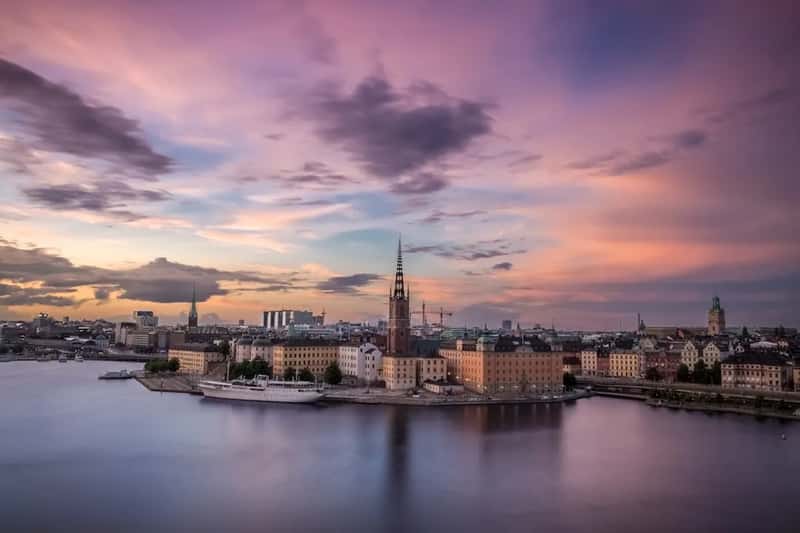
Sweden slipped slightly in this year’s rankings but stayed comfortably inside the top five, a position it has held with remarkable consistency since the report began tracking three-year averages. From Stockholm’s vibrant city life to its vast forests and lakes, Sweden offers a model of balance between prosperity and sustainability, with citizens enjoying a healthy life expectancy, universal healthcare, and education that foster high life satisfaction. That balance extends naturally into retirement, where public pensions and healthcare access remain strong even outside the capital.
Sweden’s labor culture also shapes how people experience the years leading up to retirement. The country boasts an enviable work-life balance, offering one of the longest paid vacation periods of any country, with a legal minimum of 25 days that can reach over 40, while new parents can take up to 480 days of leave. That cultural emphasis on rest and family time tends to carry forward into how Swedes approach their later years, with less pressure to keep working past the point of enjoyment.
6. Norway: oil wealth, but not the whole story
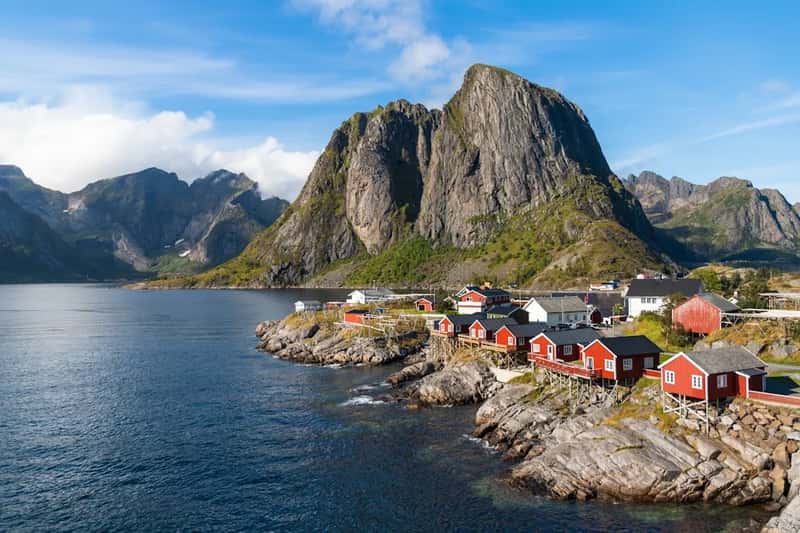
Norway rounds out the sixth position this year, continuing a run near the top that dates back to when it briefly held first place in 2017. The country’s high score reflects a familiar Nordic pattern of strong institutions, low corruption, and dependable public services, though researchers have noted one wrinkle worth flagging for anyone weighing a move there. Norway has experienced a significant drop in youth happiness, with life evaluations for those under 25 falling markedly over the past two decades, placing the country among the 25 nations with the worst deterioration in life satisfaction within this demographic.
For retirees, that particular trend matters less directly, since Norway’s older population continues to benefit from one of the world’s most generous pension systems, funded in part by the country’s sovereign wealth fund. Healthcare access remains near universal, and the country’s natural landscapes, from fjords to mountain trails, offer the kind of outdoor lifestyle that appeals to active retirees. The cost of living runs high, similar to Iceland, which is the main tradeoff against an otherwise strong quality-of-life package.
7. The Netherlands: a steady, unshowy contender
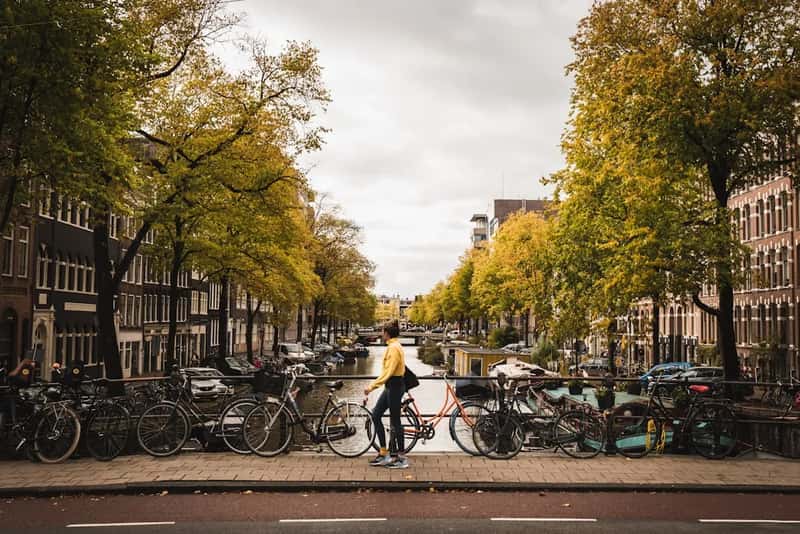
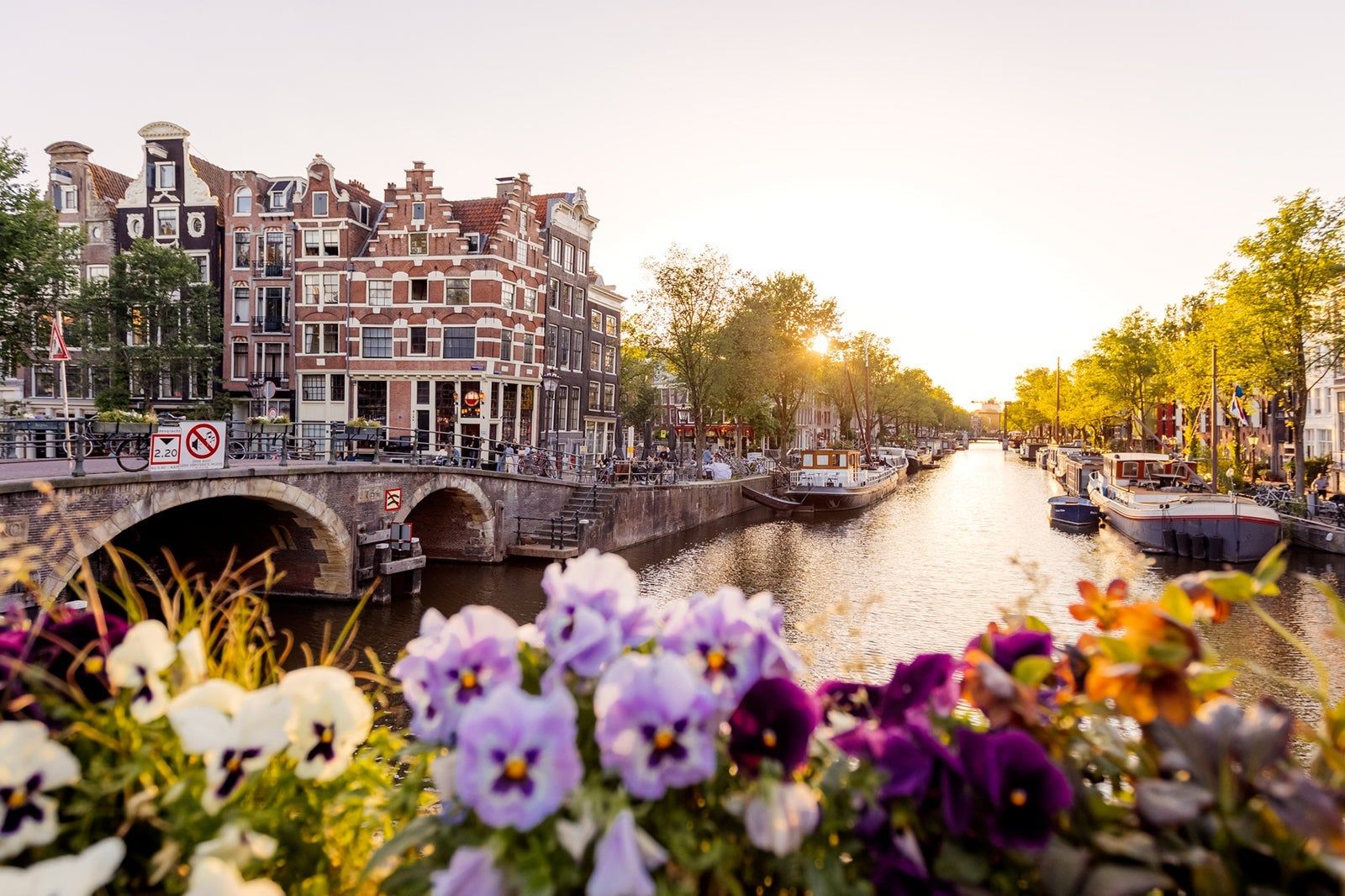
The Netherlands closes out the top seven this year, a position it has held with only minor fluctuation for much of the past decade. The composition of the top 10 in 2026, Finland, Iceland, Denmark, Costa Rica, Sweden, Norway, the Netherlands, Israel, Luxembourg, and Switzerland, reveals an interesting geographic broadening even as Nordic dominance persists. Dutch life satisfaction tends to come from a mix of practical factors rather than any single standout trait: efficient infrastructure, a well-regarded healthcare system, and a culture that generally avoids extremes in either wealth or hardship.
The Netherlands is also frequently cited by international pension analysts as having one of the best-funded and best-structured retirement systems in the world, a reputation that predates and complements its consistent happiness ranking. Public transit makes it easy to get around without a car well into old age, and the compact size of the country means retirees are rarely far from family, healthcare, or the coast. It is not the most talked-about country on this list, but its steadiness is arguably its biggest selling point.
What this ranking actually tells retirees

It’s worth being clear about what the World Happiness Report measures and what it doesn’t. The ranking comes from asking citizens across 140 countries to answer a single question about their current state of well-being, known as the Cantril Ladder, where respondents rank their quality of life on a scale from the best possible life to the worst. That is a broad measure of life satisfaction across an entire population, not a specialized retirement index, which means the results reflect how residents of all ages feel, not retirees specifically.
Still, the six factors researchers use to explain the scores, income, social support, healthy life expectancy, freedom, generosity, and low corruption, line up closely with what most people actually want out of their retirement years. A country that scores well across those categories tends to offer dependable healthcare, safe streets, and communities where people look out for one another, all of which matter more once the structure of a working life falls away. The 2026 report doesn’t hand anyone a moving checklist, but it does offer a well-researched starting point for a decision that deserves more than a guess.