Walkability is harder to pin down than it sounds. Some rankings count amenities within a short stroll, and others track tourist walking tours. A few simply ask the people who live there.
This list follows the third approach, using Time Out’s 2026 survey of 24,000 urbanites[1]. Because the scores come from residents, they measure perception more than hard infrastructure data. The figures reflect residents’ perceptions rather than independently measured infrastructure or pedestrian access scores.[2] Still, locals know their own pavements better than anyone.
1. Seoul, South Korea: Elevated Gardens and Riverside Paths
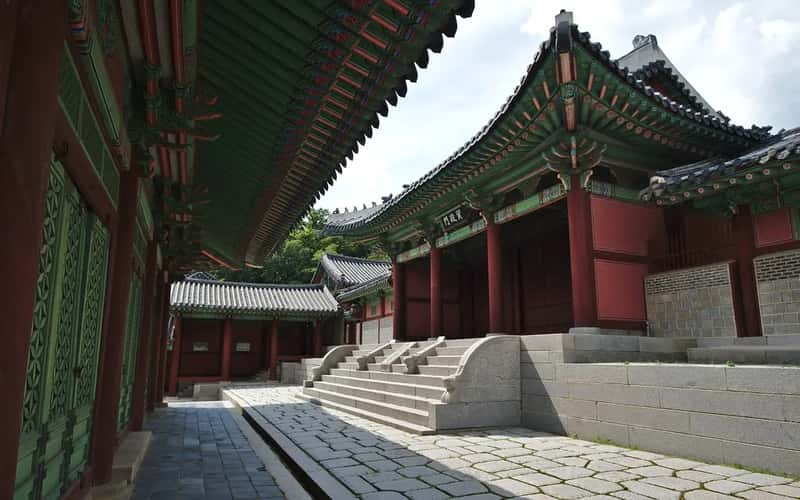
Seoul took the top spot with a score of 93 percent.[3] That makes it the highest ranked city in Asia, and it is tied for first place in the world.[4] Time Out notes that the capital is safe for walking at any time of day and has neighborhoods that were essentially designed for walking around.[3]
Part of the appeal is design. Elevated green walkways like Seoullo 7017 and riverside paths along Cheonggyecheon stitch major districts together.[5] For a city of its size, that kind of connected network is unusual.
2. Edinburgh, Scotland: Compact, Hilly and Easy to Wander
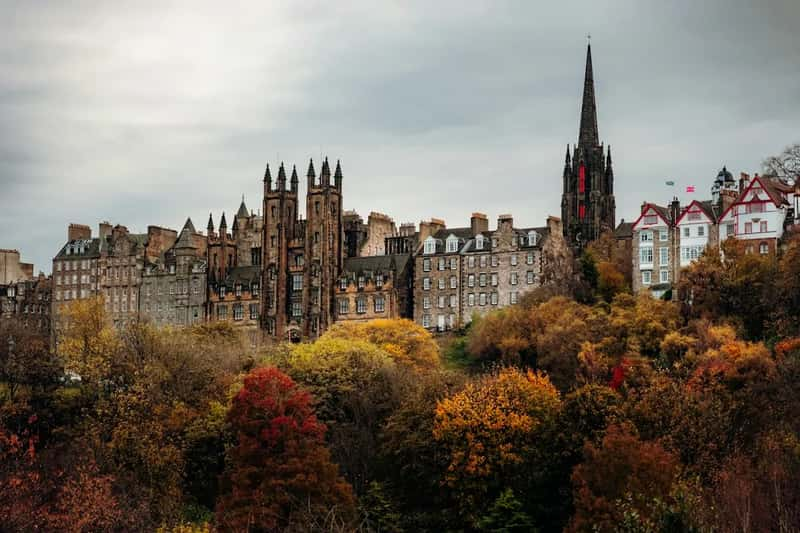
Edinburgh shares the lead with Seoul. It came in second, also with a score of 93 percent.[3] That makes it the best European city for walking in this survey.
The layout explains a lot. Castle views, hidden closes and Arthur’s Seat are connected by footpaths, and between the medieval Old Town and Georgian New Town, everything feels within arm’s reach.[6] The hills and cobblestones do ask a bit more of your legs, though, and locals clearly consider that a fair trade.
3. New York City, United States: The Walker’s Metropolis
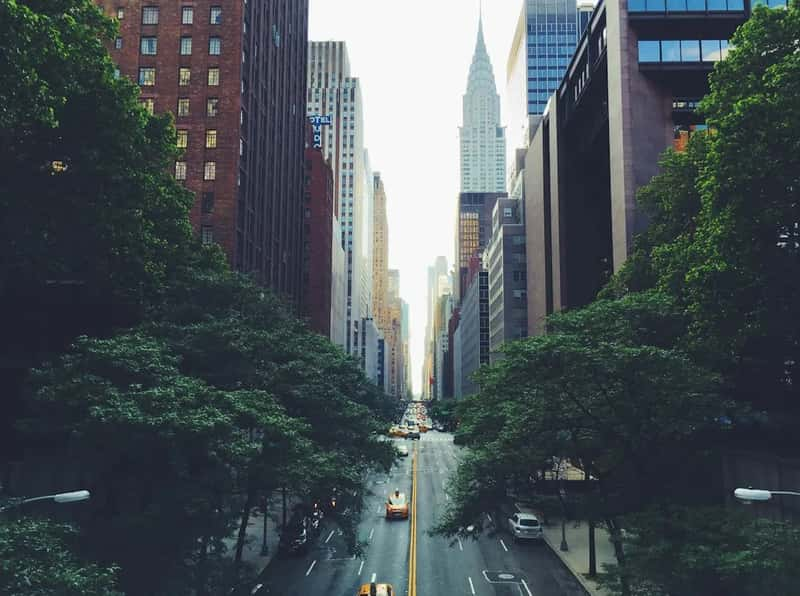
New York is the only American city on Time Out’s top 20, and it lands in third place. It ranks third at 91 percent, three percentage points ahead of Paris.[2] That’s a strong result for a city of its scale.
Other measures agree to a degree. In GuruWalk’s 2026 report, which draws on walking tour activity, New York City ranks 23rd and is the only U.S. city to appear.[7] Its dense street grid and mix of shops, homes and transit help explain why so many residents rate it highly.
4. Copenhagen, Denmark: Flat, Safe and Close to Everything
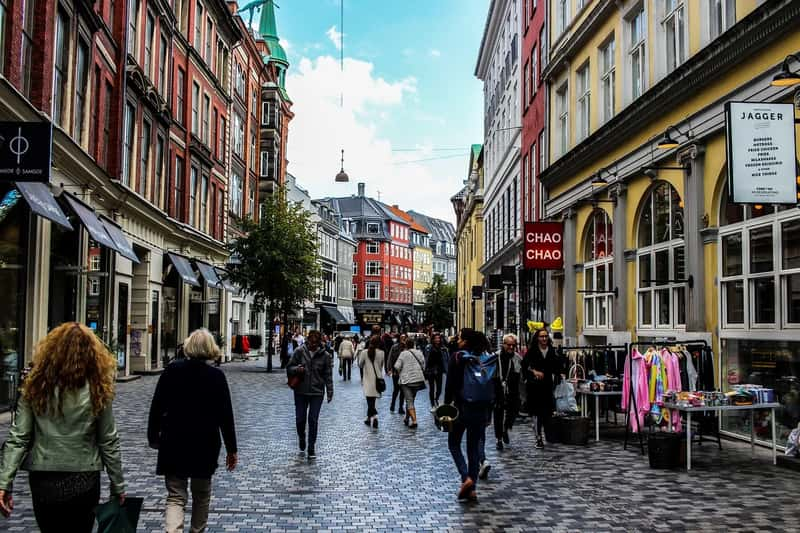
Copenhagen scores 90 percent[3] in Time Out’s list. The survey describes it as compact, mostly flat and notoriously safe.[1] Those traits make short walks feel effortless.
Infrastructure helps too. The streets have clearly marked pedestrian zones and elevated pavements.[1] A separate study of fifteen minute access also placed the city second globally, with an average of 6 minutes and 36 seconds to walk to key amenities.[8]
5. Oslo, Norway: Forest Trails Near the City Centre

Oslo comes in fifth with 89 percent.[3] Time Out calls it compact, clean and calm, proof that nature and city life can coexist.[6]
That balance is deliberate. One summary of the ranking credits efforts to prioritize pedestrians and reduce car traffic in the city center.[9] Quartz adds that forest trails blend with the city center[10], so one outing can cover very different kinds of walking.
6. Stockholm, Sweden: A City of Islands and Bridges
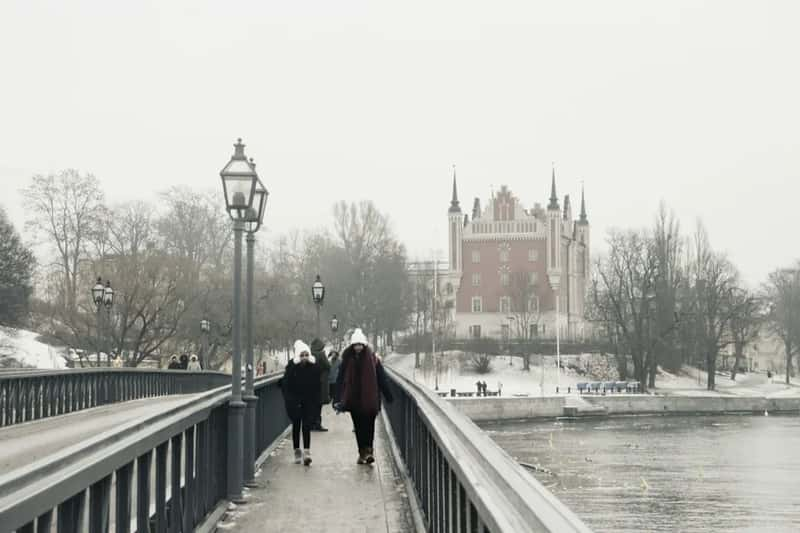
Stockholm scores 88 percent[3] and sits sixth. Among European cities in the survey, it tied for fourth place with Paris.[6]
The city spreads across islands joined by bridges, which turns many routes into scenic walks. Quartz singles out how Stockholm and Paris cross bridges built for wandering.[10] Water is rarely far away, and that tends to shape how people move around.
7. Paris, France: Fewer Cars, More Terraces
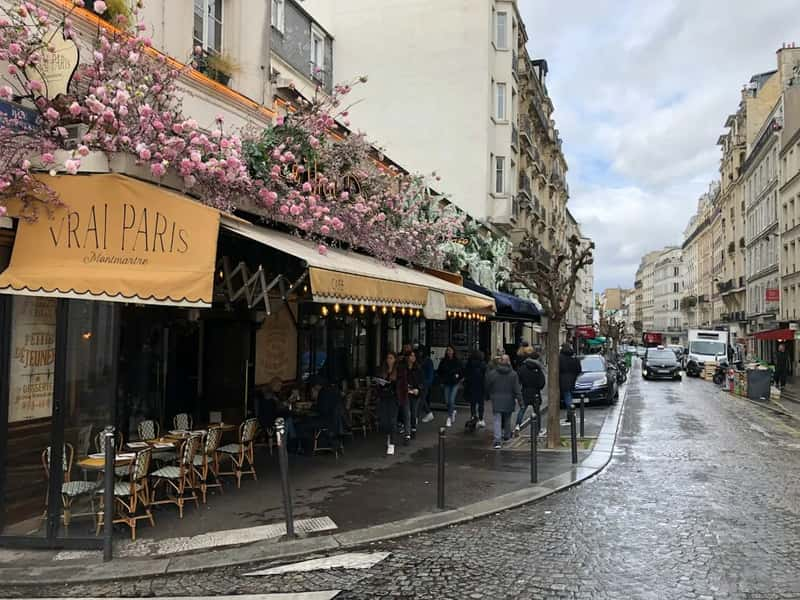
Paris also scores 88 percent[3], which puts it seventh. Time Out reports that over 300 pedestrianised school streets have been designated, and fewer parking spaces in city centres have let terrace seating flourish.[1] The lower traffic has also improved air and noise pollution.[1]
The policy background matters here. Mayor Anne Hidalgo included a plan to implement the fifteen minute city concept during her 2020 re-election campaign.[11] A study of amenity access found Parisians walk an average of 8 minutes to key amenities.[8]
8. Singapore: Shade Built Into the Streets
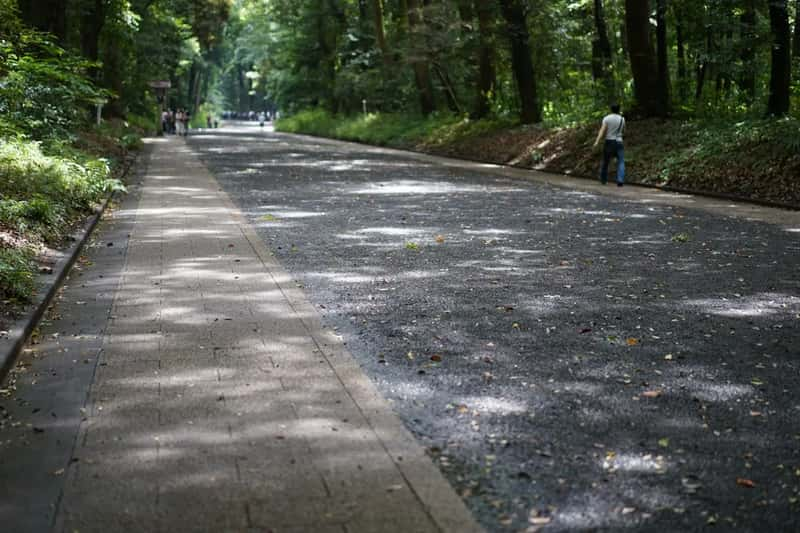
Singapore lands in eighth place with an 86 percent walkability score[5], despite a hot, humid climate. Time Out points to climate smart pedestrian infrastructure, including the legacy of Five Foot Ways, or Kaki Lima, in shophouse architecture.[4]
Those covered walkways have long made being outdoors much more manageable in tropical weather.[4] It’s a reminder that walkability depends on comfort as much as distance.
9. Helsinki, Finland: Walkable Even in Winter
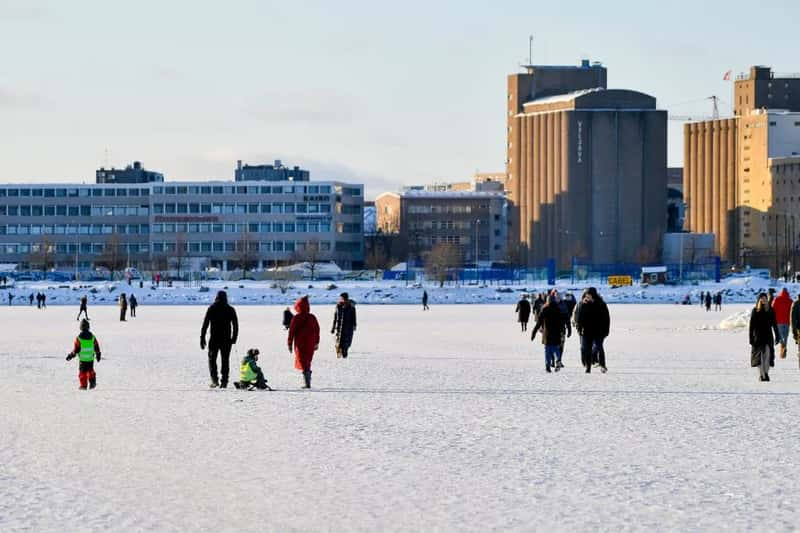
Helsinki takes ninth place with 85 percent.[3] Time Out describes it as a phenomenal walking destination, even in winter.[6] Quartz highlights ice safe winter pavements.[10]
There’s good infrastructure behind that reputation. One example is Baana, a traffic free route for walkers and cyclists.[9] A compact centre means many everyday trips stay short, even when temperatures drop.
10. Kraków, Poland: A Historic Core Made for Strolling
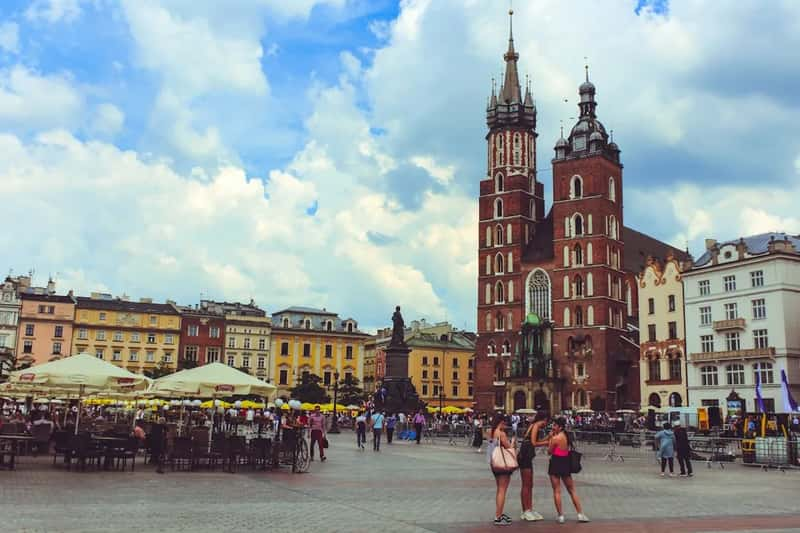
Kraków shares a score with two other cities: 83 percent.[3] The published order places it tenth, just ahead of Riga and Vienna. Differences between these three are too small to read much into.
Its historic streets are the main draw. Coverage of the ranking singles out Kraków’s historic streets[9] as an example of how design and safety shape pleasant walking. GuruWalk’s 2026 report, based on walking tour demand, also places Kraków in positions 11 through 19.[7]
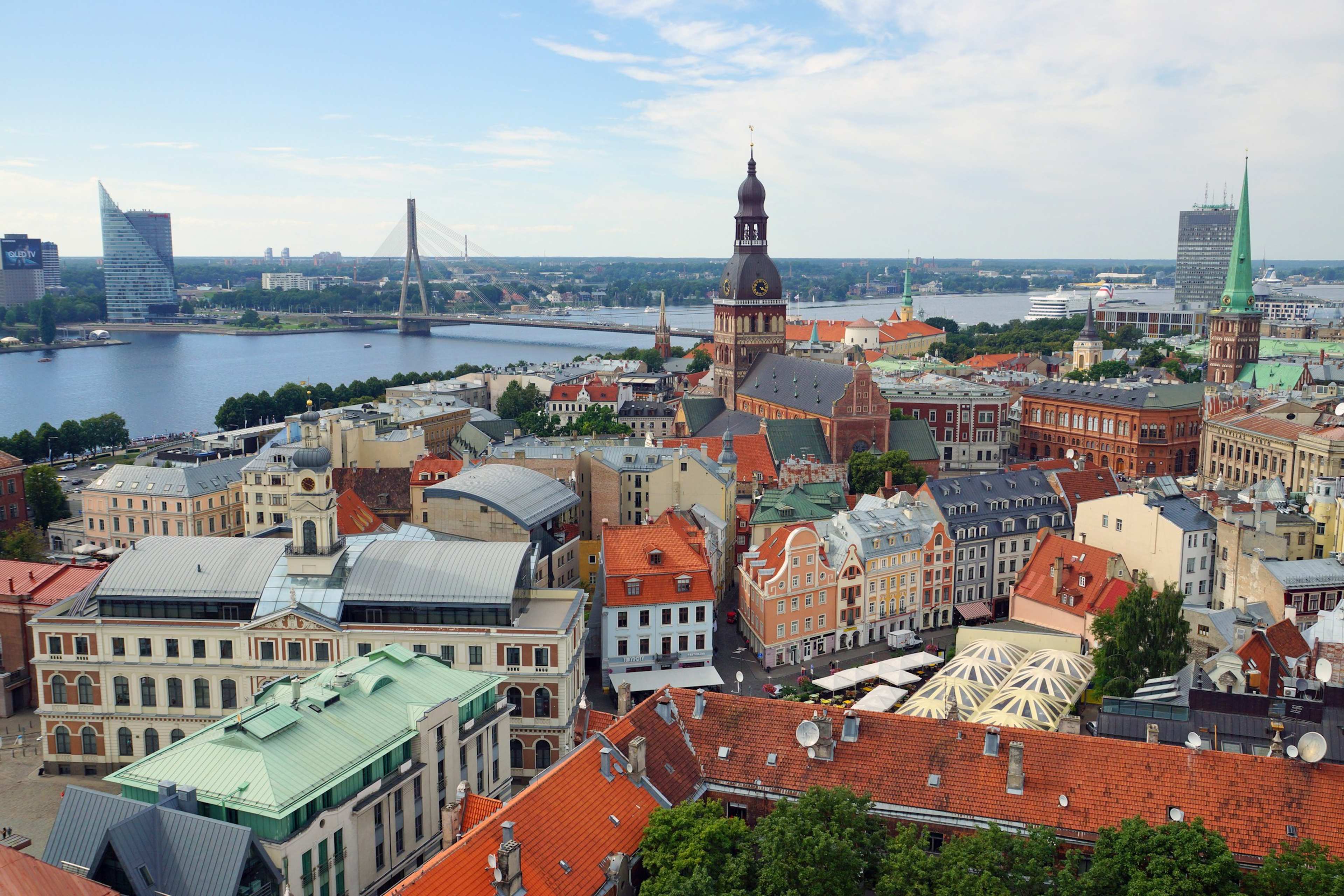
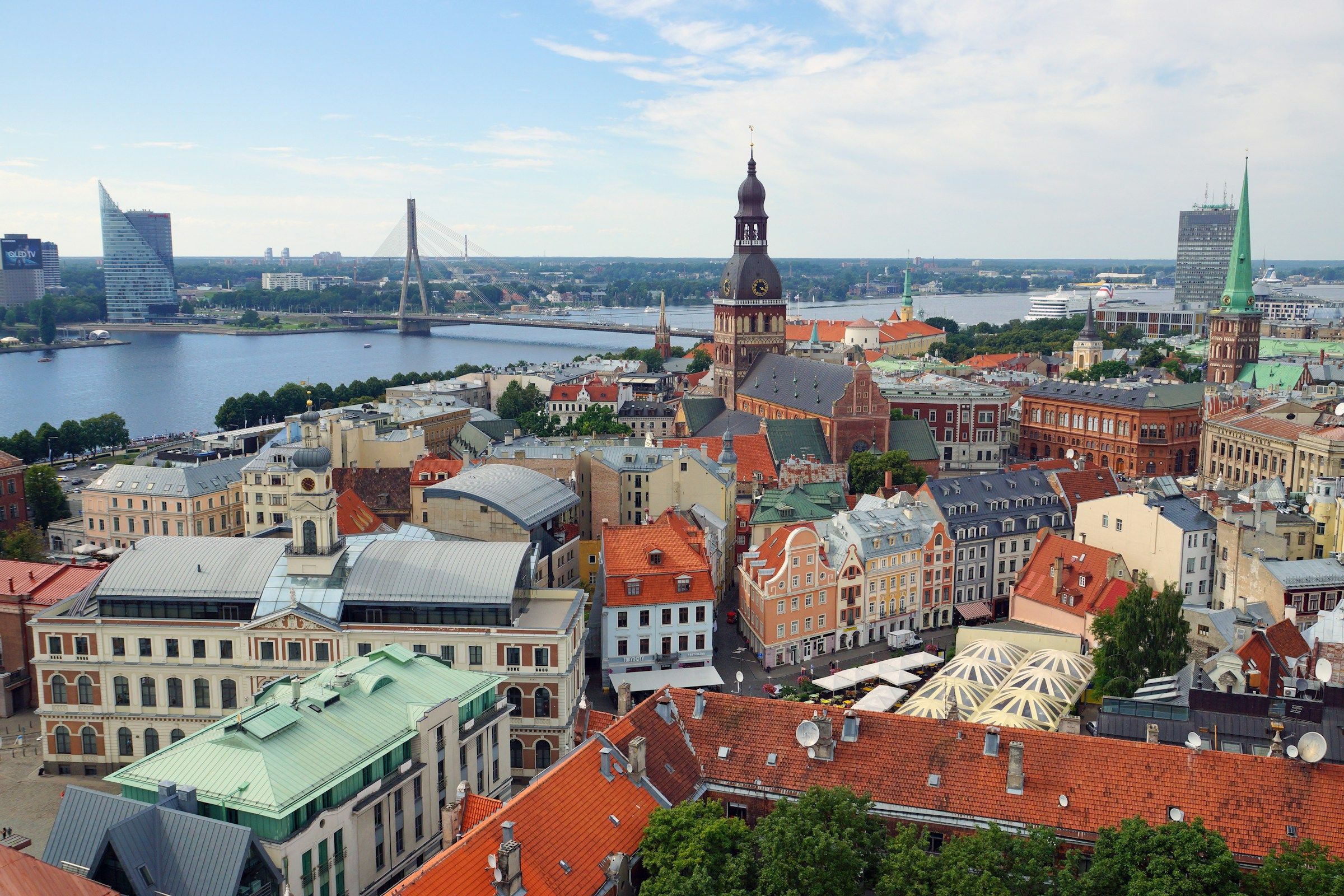
11. Riga, Latvia: The Baltic Entry on the List
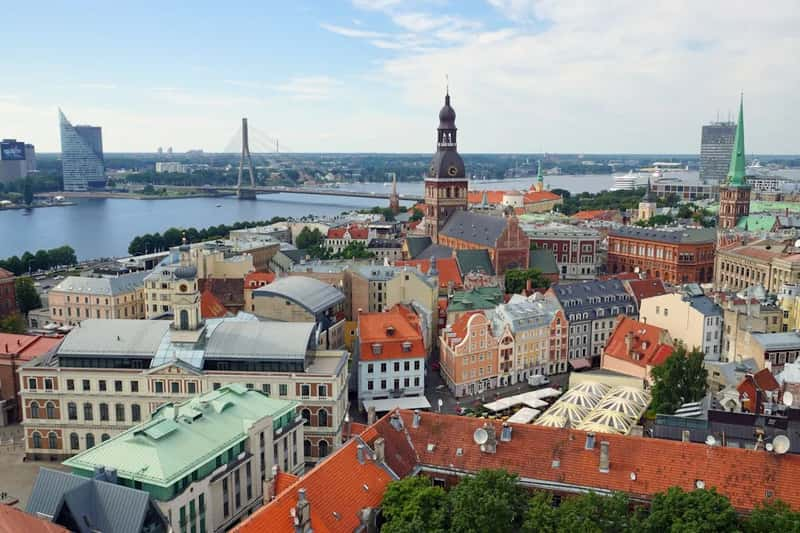
Riga also scores 83 percent[3] and holds the eleventh spot. It is the only Baltic capital in the top twelve, though Tallinn, Estonia, follows at 80 percent[3] further down the list.
Its compact historic centre keeps most sights within a short stroll of one another. Time Out’s list doesn’t break out detailed reasons for Riga the way it does for some other cities, so the score itself is the clearest evidence of how locals feel.
12. Vienna, Austria: Rounding Out the Top Twelve
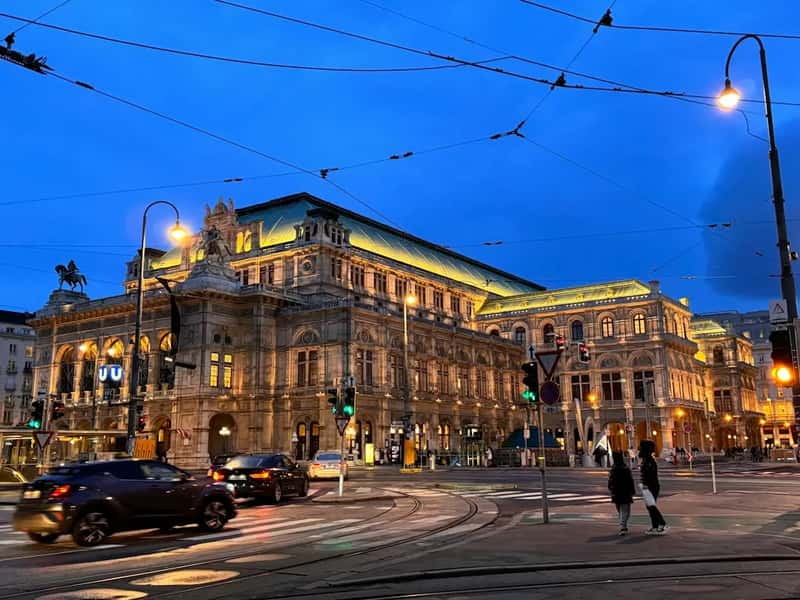
Vienna completes the group at 83 percent[3], level with Kraków and Riga. Across the full twenty city list, scores span just 18 percentage points, from 93 percent in Seoul and Edinburgh to 75 percent in Munich.[12]
Vienna shows up in other rankings as well. GuruWalk’s 2026 report, which tracks bookings and foot traffic, lists it alongside Paris, Seville, Istanbul, Krakow, Florence, Toledo, Dublin and Dubrovnik[7] in positions 11 through 19.