For nearly a decade, Qantas has been chasing what the airline itself once called the final frontier of commercial aviation: a nonstop hop between Sydney and the other side of the planet. That dream just took its most concrete form yet. On July 24, 2026, a specially built Airbus touched down in Melbourne after nineteen hours in the air, a test flight that pulled Project Sunrise out of the realm of PowerPoint slides and into the real sky.
The stakes could hardly be higher. If Qantas pulls this off, it will not just add another route to a crowded map, it will redraw the outer limits of how far a commercial jet can carry paying passengers without touching down. Getting there, however, has meant years of delays, redesigned fuel tanks, and a level of physiological research more commonly associated with space agencies than airlines.
A 19-Hour Rehearsal That Everyone Was Watching
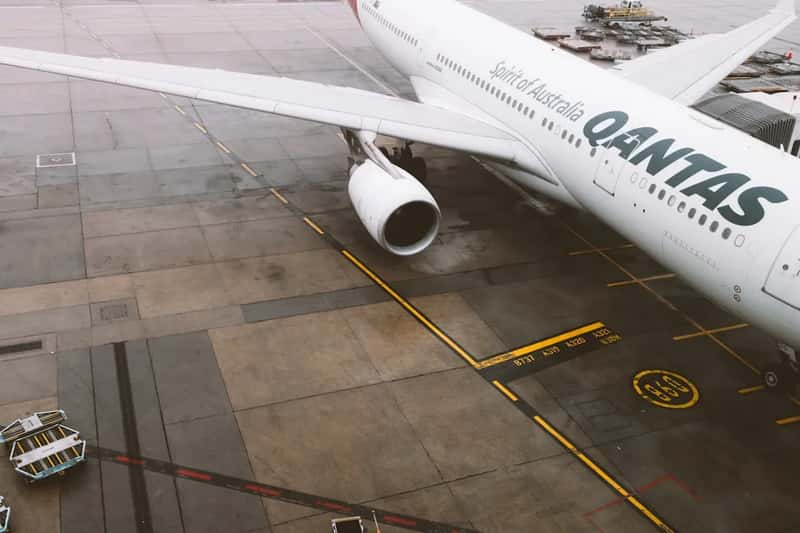
The test flight that grabbed headlines this week was not a routine shakedown. Qantas’s new ultra-long-distance aircraft landed in Melbourne, Australia, on Friday, July 24, after a 19-hour test flight from Toulouse, France, moving the airline’s ambitious Project Sunrise one step towards completion. The aircraft, nicknamed Vega, is an Airbus A350-1000ULR specially designed for ultra-long-distance flights, and its journey briefly turned it into aviation’s biggest spectacle.
It became the most-watched flight on flight tracking website Flightradar24, with over 67,000 people tuning in as it tracked over 10,500 miles across the Earth, departing Toulouse and landing in Melbourne over 19 hours later. Qantas itself did not undersell the moment, with the airline’s announcement describing the flight as a milestone and noting that five Airbus flight test pilots and five flight test engineers were onboard during the flight, testing all systems. The aircraft was scheduled to fly straight back to Toulouse just days later, a return leg that, flying against prevailing winds, would take even longer.
The Long Road Since 2017
Project Sunrise did not appear overnight. Project Sunrise was originally unveiled in 2017, with Qantas challenging aircraft manufacturers to make nonstop flights from Sydney and Melbourne to London and New York commercially viable. Boeing and Airbus both threw their hats in the ring, and the airline also evaluated the Boeing 777-8, but ultimately selected Airbus and ordered 12 specially modified A350-1000ULRs.
The Aircraft Built to Break Records
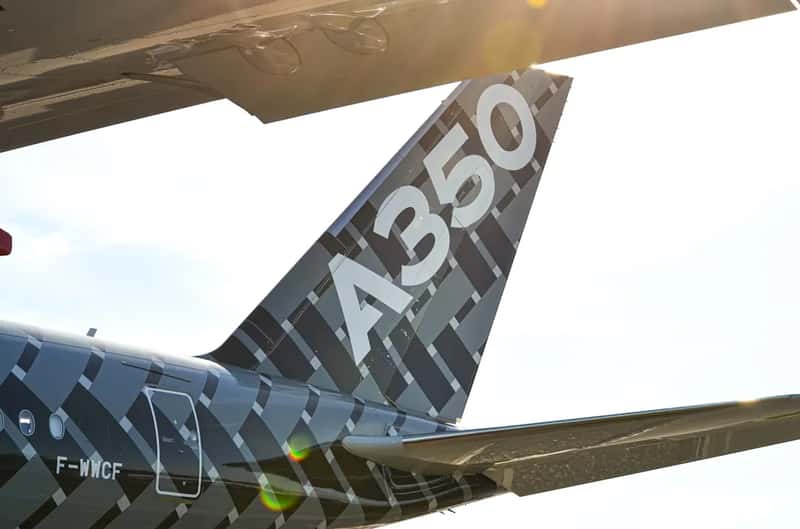
What makes this possible is an aircraft variant that does not exist anywhere else in commercial service. The A350-1000ULR is essentially a standard A350-1000 airframe reengineered around one overriding goal: staying airborne far longer than its cousins. Engineers have focused on systems evaluation and certification of the aircraft’s defining modification, an additional 20,000-liter center-rear fuel tank that stretches total endurance to roughly 22 hours.
The numbers involved are startling for a twin-engine jet. Sydney to London spans over 10,500 miles, and both Project Sunrise routes will exceed 20 hours of scheduled flight time, displacing Singapore’s New York service as the longest nonstop passenger flights ever operated. Interestingly, Qantas’s -1000ULR can stay airborne for up to two hours longer than Singapore’s A350-900ULR, despite the two types sharing the same published range figure on paper.
Cabins Built for Human Endurance, Not Just Distance
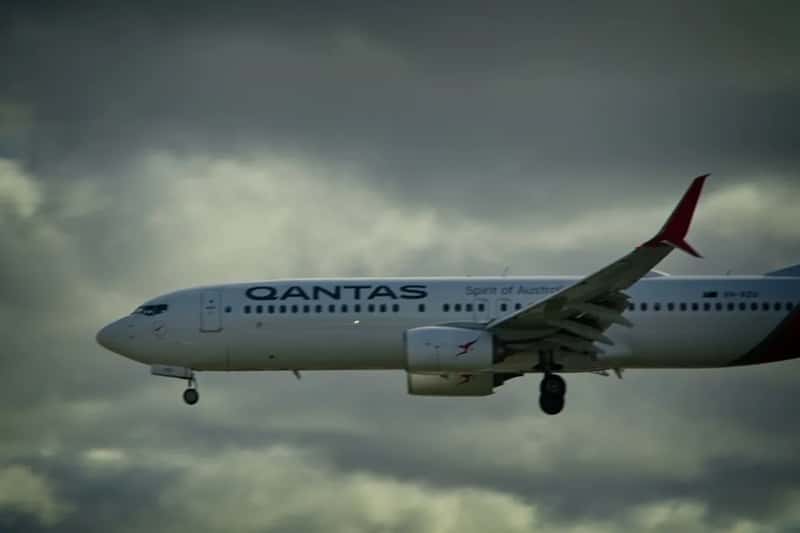
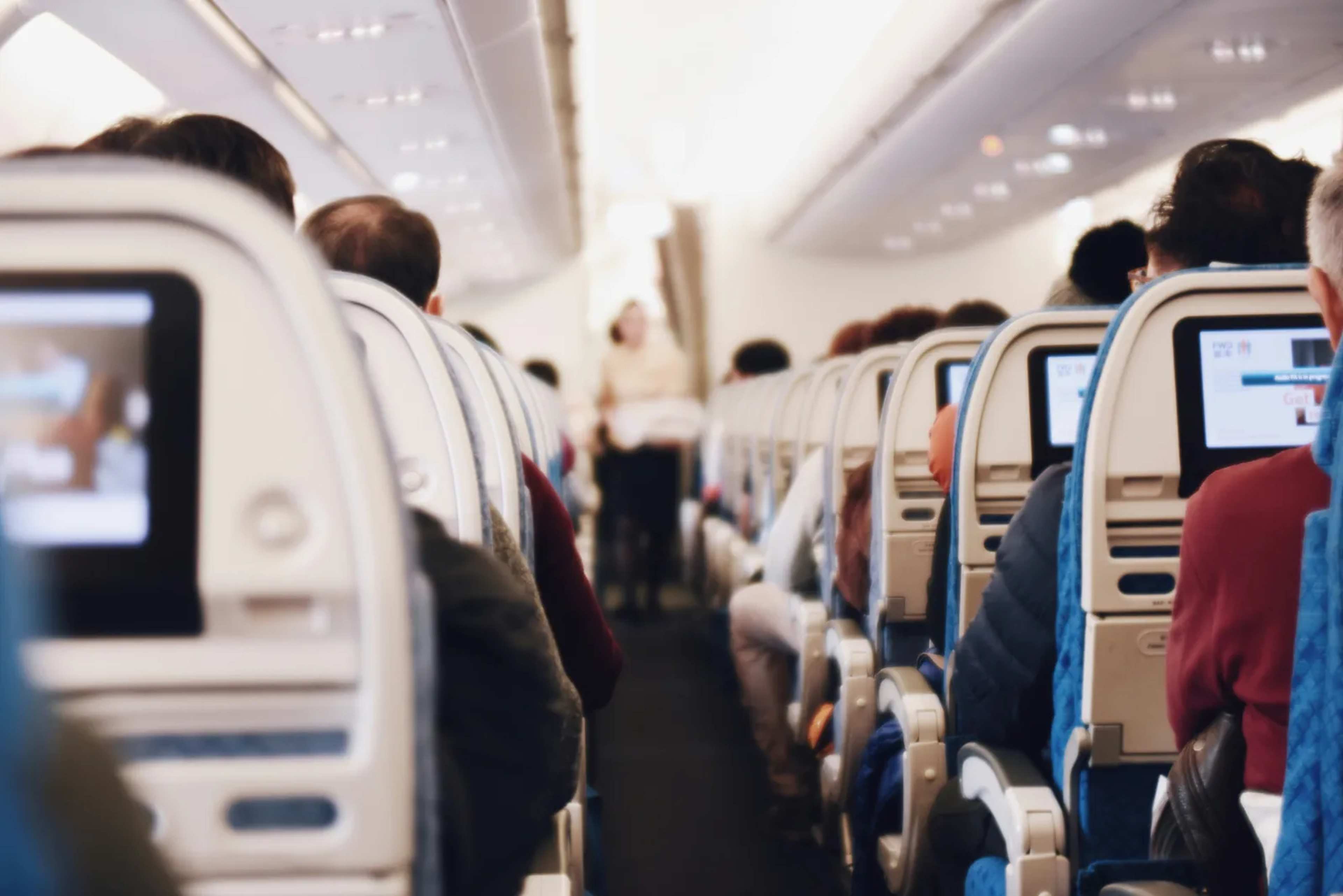
Flying for nearly a full day forces an airline to rethink the passenger cabin from the ground up, and Qantas has leaned hard into that challenge. The Qantas Airbus A350-1000ULR has been configured with just 238 seats, the lowest seat density of any A350 around the world, giving every customer more space on board. That is a dramatic reduction from what the airframe could otherwise carry, since Qantas is configuring these aircraft to carry significantly fewer passengers than standard A350s, just 238 compared to the standard 400, leaving more space for those on board.
The comfort measures go well beyond legroom. The A350 features 12 lighting scenes including ‘Sunrise’, ‘Sunset’, and ‘Awake’, which are grounded in circadian-rhythm science to help passengers adjust to destination time zones and reduce jet lag. Qantas also drew on years of academic research to get here, with the cabin work drawing on a decade of research with the University of Sydney’s Charles Perkins Centre and close collaboration with Caon Design Office and technology partners. There is even a dedicated space for movement, since the planes will feature a wellness zone designed to encourage movement and stretching, alongside lighting systems engineered to gradually align travelers with their destination’s time zone and ease jet lag.
The Reigning Champion: Singapore Airlines
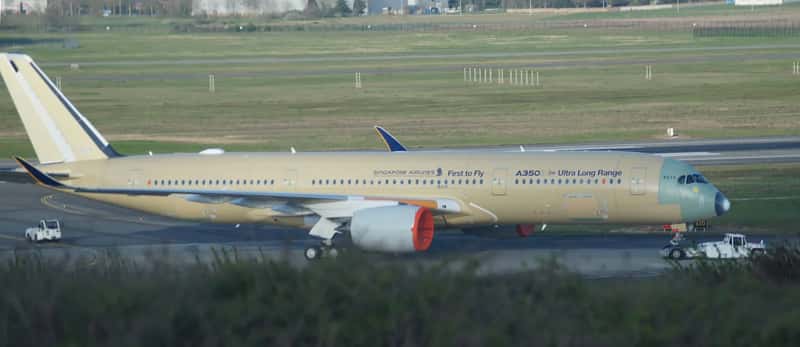
Whatever Qantas eventually achieves, it will be dethroning a genuine aviation heavyweight. Singapore Airlines operates the A350-900ULR on its Singapore-New York service, currently the world’s longest nonstop passenger route, achieving its extended range through increased fuel capacity made possible by relocating sensors in the fuel system, gaining roughly 1,200 nautical miles over a standard -900. The New York flight is not a recent addition either. The current longest scheduled commercial flight in the world has held the title since 2021.
Singapore’s ultra-long-haul ambitions actually date back further, and the story carries a cautionary note for Qantas. Singapore Airlines had previously operated nonstop flights between Singapore and Newark using the Airbus A340-500, a quad-engine widebody that launched the route in 2004 as the longest commercial service in the world, but the A340-500’s high fuel consumption and rising oil prices made the operation uneconomical, and Singapore Airlines retired the type by 2013, suspending the nonstop link. It took a more fuel-efficient twin-engine jet, the A350, to bring the route back for good, a lesson in how ultra-long-haul flying only survives when the economics actually work.