Every year, millions of travelers book flights based on glossy Instagram feeds, movie backdrops, and influencer reels, only to land somewhere that feels nothing like the fantasy they’d built up in their heads. Sometimes it’s overcrowding, sometimes it’s inflated prices, and sometimes it’s simply a mismatch between marketing and reality. A wave of recent surveys and traveler reviews has put numbers behind this frustration, revealing which cities are leaving visitors the most underwhelmed.
This list draws on actual review data, industry reports, and documented 2025 and 2026 trends rather than gut feelings or hearsay. Some of these destinations remain worth visiting if you manage expectations, while others seem to be actively working against their own appeal. Either way, knowing what’s really happening on the ground beats finding out the hard way.
Cancún, Mexico – The All-Inclusive Illusion
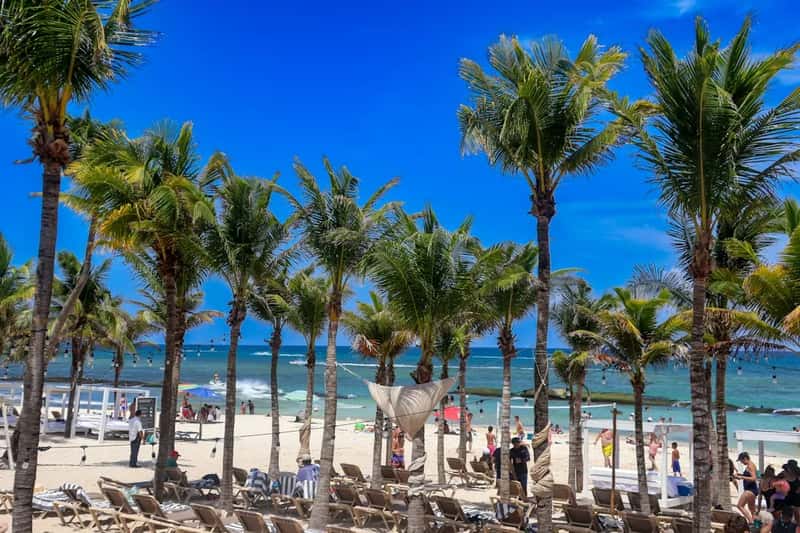
A widely cited 2025 study by luggage storage company Radical Storage, which analyzed 97,409 reviews across 100 cities[1], found some startling results. Cancún tops this year’s list, with 14.2 percent of visitors calling it a letdown.[1] That figure represented the highest of all cities analyzed[2] in the entire study, according to a separate breakdown of the same data.
The disconnect largely comes down to marketing versus reality. As one analysis noted, much of the frustration traces back to a mismatch between the polished resort marketing and the more commercialized, crowded version of the destination that many visitors actually encounter, with beach access issues, resort pricing, and heavy tourist saturation in the hotel zone as common threads in the complaints.[2] Travelers expecting a private slice of Caribbean paradise instead find packed sand, aggressive vendors, and a hotel zone that feels more like a commercial strip than a getaway.
Antalya, Turkey – Priced Out of Its Own Market
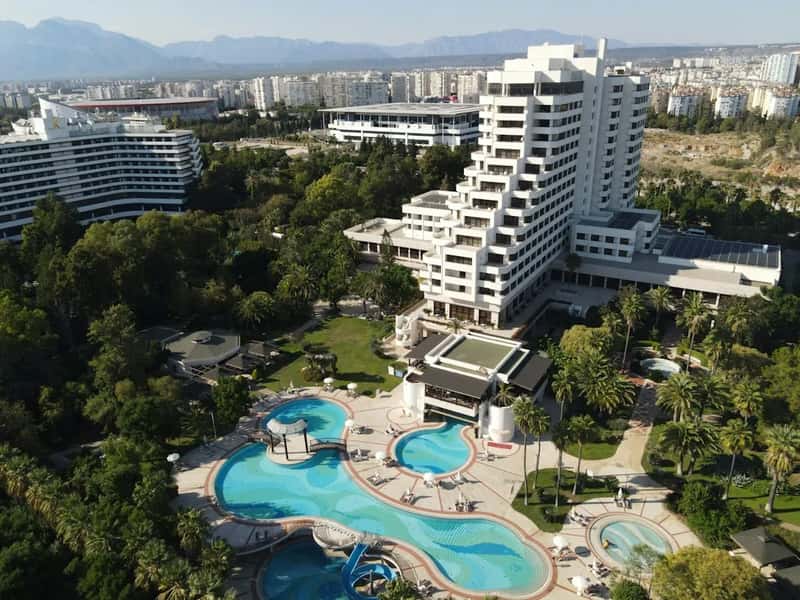
Turkey’s Mediterranean coast used to be the budget-friendly answer to pricier European beach towns, but that reputation has taken a hit. In the same review-based ranking, Antalya has grown into one of the busiest coastal destinations in the Mediterranean, and that popularity seems to be catching up with visitor satisfaction, placing second at 12.2 percent negative reviews.[2] Rapid growth in visitor numbers hasn’t come with matching improvements in value.
Cost has become the real sticking point. Recent reporting found that a five-day trip for a family of four to Antalya can now cost more than the equivalent of roughly €4,000 to €5,000, whereas similar vacations in Greece and Egypt might cost considerably less.[3] On top of that, hotels saw double-digit price increases between 2022 and 2024, and again in 2025, with European tourists facing a nearly 50% price increase in euros since the pandemic.[3] A destination once known for affordability now risks pricing itself out of the very market that made it popular.
Punta Cana, Dominican Republic – Resorts That Hide Reality
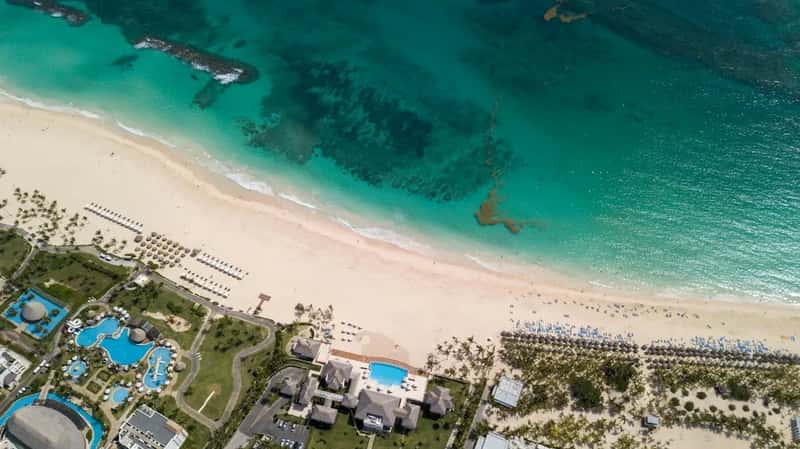
Punta Cana rounds out the podium of most disappointing destinations in the Radical Storage data, and the reasons echo Cancún’s problems almost exactly. The city has been ranked among the top three most underwhelming tourist cities worldwide in a 2025 study that analyzed a staggering 97,409 reviews from travelers across 100 of the globe’s most visited cities.[3] Once again, the all-inclusive resort model seems to be the common thread.
The complaints tend to follow a familiar pattern across these resort-heavy destinations. According to a detailed breakdown of visitor feedback, complaints center on the gap between what all-inclusive packages promise and what guests find once they arrive, including crowded beach areas, food quality that does not match the price tag, and aggressive upselling for excursions and premium resort areas.[2] It’s a reminder that because so much of the destination’s appeal rests on a single resort-driven experience, any shortfall in that formula tends to show up directly in the numbers, showing that heavy repeat-visitor volume does not always translate into consistently strong satisfaction.[2]
Barcelona, Spain – Las Ramblas and the Crowd Crush
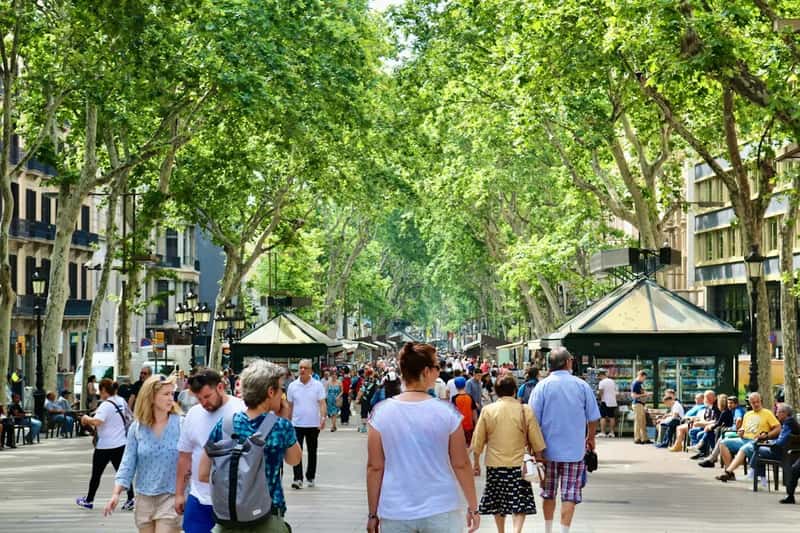
Barcelona’s most famous promenade has become a cautionary tale about what happens when a single street absorbs the bulk of a city’s foot traffic. Researchers found that Las Ramblas ranked as Europe’s most disappointing destination in the study[4]. Despite the lively atmosphere, this pedestrianized thoroughfare, lined with buzzy bars and restaurants, has struggled to lose its reputation as the world’s most pick-pocketed street, which might be one reason why it has picked up 826 visitors’ reviews calling it a tourist trap.[4]
The problem extends well beyond one street. Broader observations of the city note that Barcelona delivers iconic architecture, beach access, and serious food culture, yet many visitors leave feeling more drained than inspired, largely because too many people concentrate in the same districts at the same hours, creating long queues, reservation friction, and a constant sense of movement pressure.[5] City authorities have responded aggressively, and reporting on 2026 policy changes confirms that Barcelona doubled its tourist tax[6] as part of a broader European crackdown on overtourism.
Rome, Italy – The Trevi Fountain Letdown
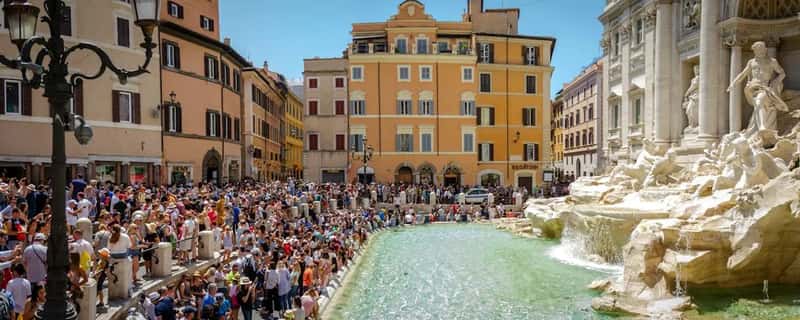
Few landmarks carry more romantic weight than the Trevi Fountain, and few seem to disappoint visitors more consistently once they actually get there. A March 2025 survey found that the Trevi Fountain was outed as one of the most disappointing tourist attractions, with almost a quarter of people surveyed having a negative take on their experience, with just under 17% citing the crowds and mobility as the biggest impediments.[7]
The gap between expectation and reality here is almost poetic in its cruelty. As one writer described the typical visitor experience, people plan their whole Rome trip around this fountain, they toss the coin, they expect a moment, but what they often get instead is a shoulder-to-shoulder crowd fighting for a phone angle.[7] The common thread across complaints was clear: roughly one in four tourists shared negative experiences, with common issues including overcrowding, pickpocket warnings, and a sense that the fountain was “underwhelming” in person.[7]
Venice, Italy – Beautiful at Dawn, Exhausting by Noon
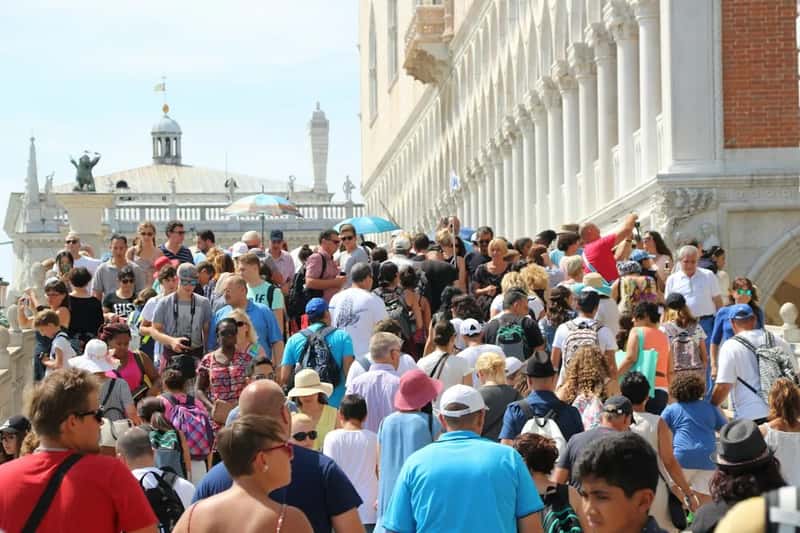
Venice occupies a strange spot on this list because almost nobody disputes its beauty. The frustration comes from timing and volume rather than the city itself. Observers note that Venice can feel magical at sunrise and exhausting by midday, since the same canals and bridges that make it unforgettable also create natural chokepoints when visitor volume spikes, meaning walking short distances can take far longer than expected around major landmarks and transit points.[5]
The scale of the problem is structural, not just seasonal. Analysts point out that this iconic lagoon city has long struggled with visitor volumes that far exceed its tiny population, and local infrastructure, from narrow alleys to the canal network, was not designed for the millions who arrive each year.[8] In response, city officials have leaned harder into fees rather than caps, with reporting confirming that Venice expanded its day-tripper fee to 10 euros[6] in 2026.
Bangkok, Thailand – Chaos Over Charm
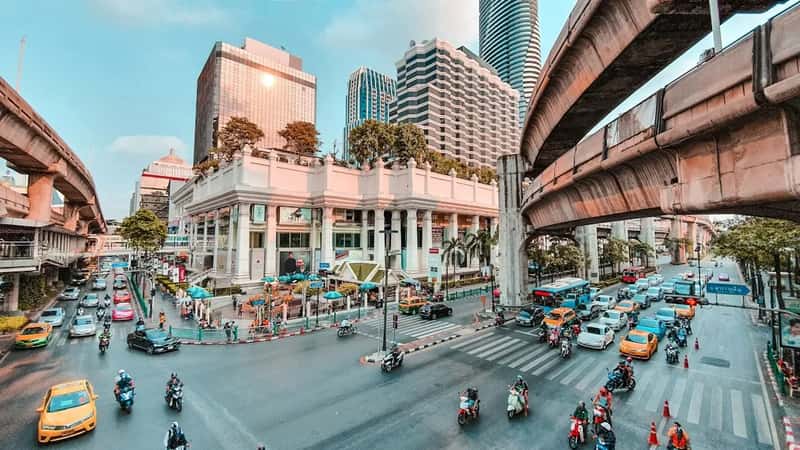
Bangkok’s reputation as a life-changing backpacker mecca has taken a beating in recent review analysis. One roundup of negative TripAdvisor feedback concluded that Thailand’s capital, once viewed as a magical and life-changing destination, has unfortunately earned the title of the most disappointing city for travelers[9] in certain rankings. The specifics of the complaints tend to be fairly consistent.
Visitors repeatedly cite the same handful of frustrations. According to the review breakdown, visitors criticize the chaotic streets and overwhelming crowds throughout the city, while the dirty river full of mud and heavy traffic adds to the disappointment.[9] For a city sold on temples, street food, and vibrant nightlife, the daily grind of navigating traffic and pollution seems to undercut a lot of that promise for first-time visitors.
Budapest, Hungary – Cleanliness Complaints on the Rise
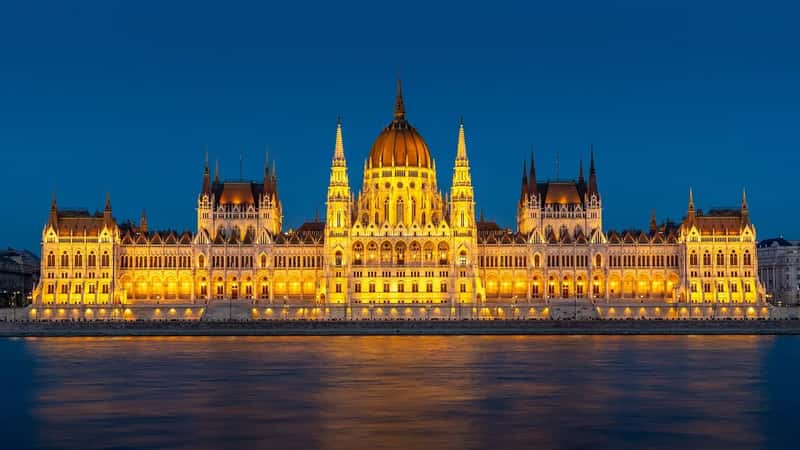
Budapest has long been celebrated for its thermal baths and grand architecture, but recent review data points to a less flattering trend. One analysis found that Budapest tops the list as Europe’s dirtiest city, with more than 37.9 percent of cleanliness-related reviews describing dirt or poor upkeep, a far higher rate than any other European city in the study.[2]
The timing lines up with a surge in visitor numbers that the city’s infrastructure hasn’t fully kept pace with. Researchers linked the issue directly to tourism growth, noting that Hungary’s tourism industry jumped 8.3 percent in September 2025, with Budapest alone recording a 12 percent jump from the same month in 2024, suggesting rapid visitor growth combined with strained waste management is the underlying issue rather than any single attraction.[2] It’s a pattern showing up across several fast-growing destinations: popularity outpacing the systems meant to support it.
Paris, France – The Louvre Strike and Montmartre’s Makeover
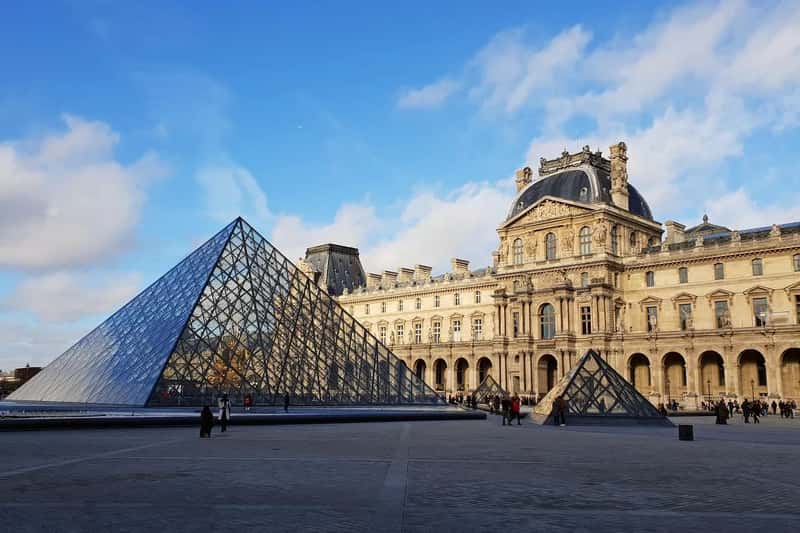
Paris has a complicated relationship with disappointment. It didn’t even crack some 2025 disappointment rankings, since Paris, once the poster child for tourist disillusionment, didn’t even make the list.[1] Yet 2025 delivered one of the most dramatic tourism stories in years when the city’s flagship museum ground to a halt. Reports confirmed that the Louvre Museum faced an unprecedented closure in June 2025, as its staff staged a spontaneous strike to protest the overwhelming effects of overtourism, chronic understaffing, and deteriorating working conditions, leaving thousands of tourists stranded outside unable to view masterpieces like the Mona Lisa, which alone draws an estimated 20,000 visitors daily.[3]
Beyond the museum drama, longtime residents have been vocal about how tourism is reshaping entire neighborhoods. One report on the changing character of Montmartre noted that Parisian residents spent the summer complaining about the ‘Disneyfication’ of Montmartre, where food shops are rapidly giving way to souvenir and trinket stalls.[10] Meanwhile, broader crowd data backs up the frustration many visitors feel once they arrive, since Paris ranks exceptionally high for crowd-related disappointment, with nearly 5% of reviews explicitly mentioning the negative impact of overcrowding.[11]
What This Means for Your Next Trip
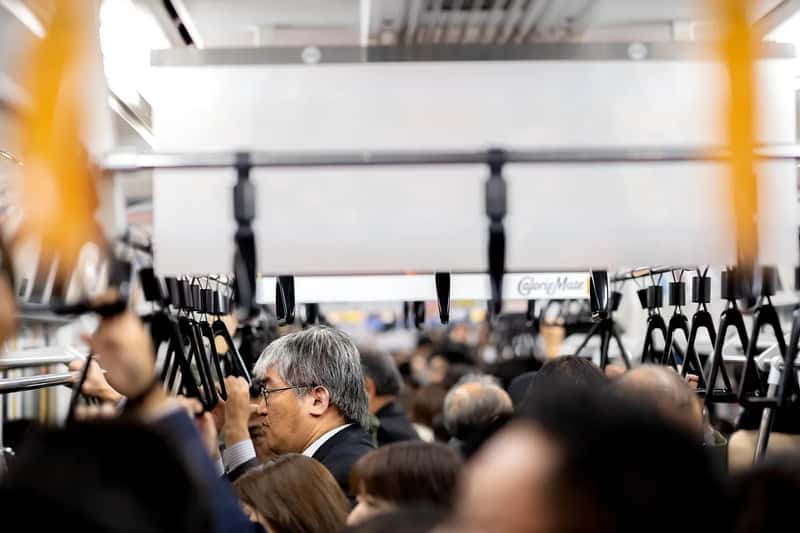
None of these cities are inherently bad places to visit, and most remain genuinely spectacular in the right circumstances. As one analysis of the pattern put it, travel disappointment usually has less to do with a city being bad and more to do with expectations being miscalibrated, since a destination can be historic, beautiful, and culturally rich, yet still feel frustrating when crowds, long waits, inflated prices, and overpacked itineraries dominate the day.[5] The common denominator across nearly every city on this list isn’t poor scenery or a lack of culture, it’s volume outpacing capacity.
Travelers who want better odds of enjoying these places should probably rethink timing and pacing rather than crossing destinations off entirely. Shoulder-season visits, early morning starts, and neighborhoods beyond the postcard hotspots tend to produce far better experiences than chasing the same crowded landmarks everyone else is racing toward. The gap between hype and reality isn’t going away anytime soon, but a little planning can shrink it considerably.