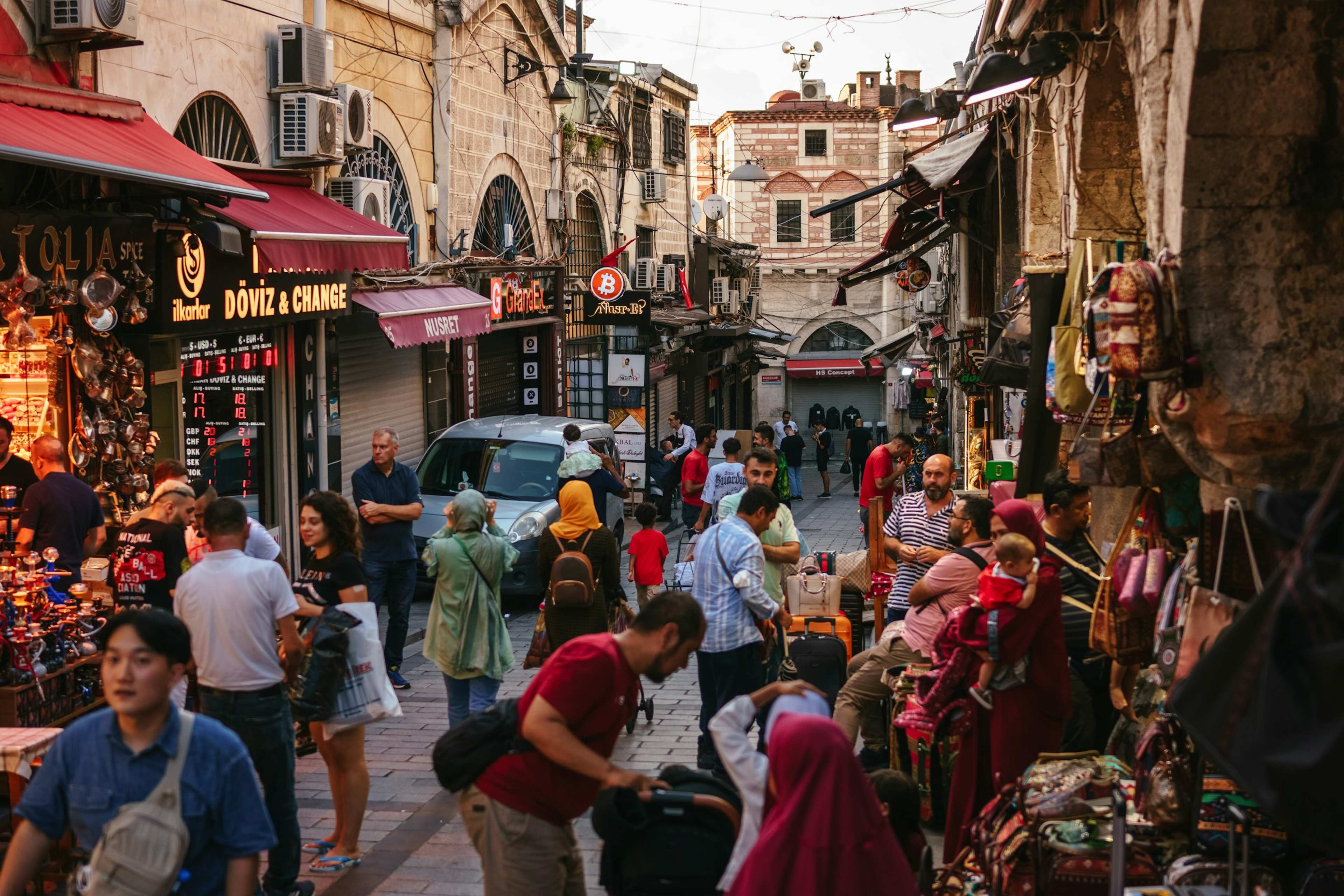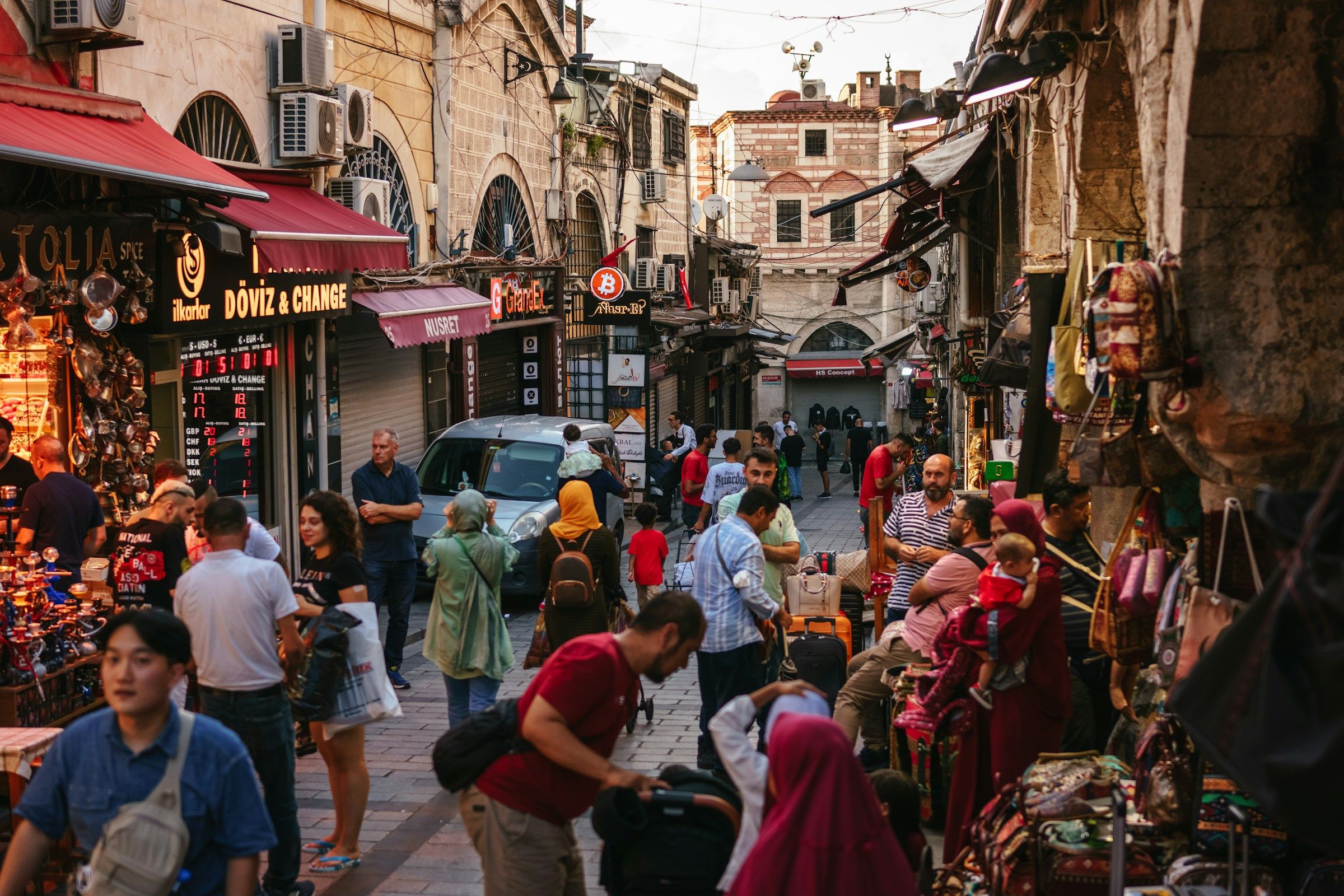
Most people remember the Grand Bazaar for its lamps, carpets and calls from shopkeepers. Behind those bright arcades, though, there’s a quieter layer of courtyards, stairwells and tiny workshops where things get made, not just sold. A recent CNN feature from Istanbul by Sebnem Arsu follows a veteran jeweler into that layer, and it’s a good excuse to look at how the system works.
This article draws on that reporting, travel journalism and AP coverage from 2024 to 2026. Where the sources disagree, which happens often with a place this old, I’ve said so. “Hasn’t changed in centuries” is also a bit of a poetic claim, so I’ll flag where things have clearly changed.
A Market Within a Market
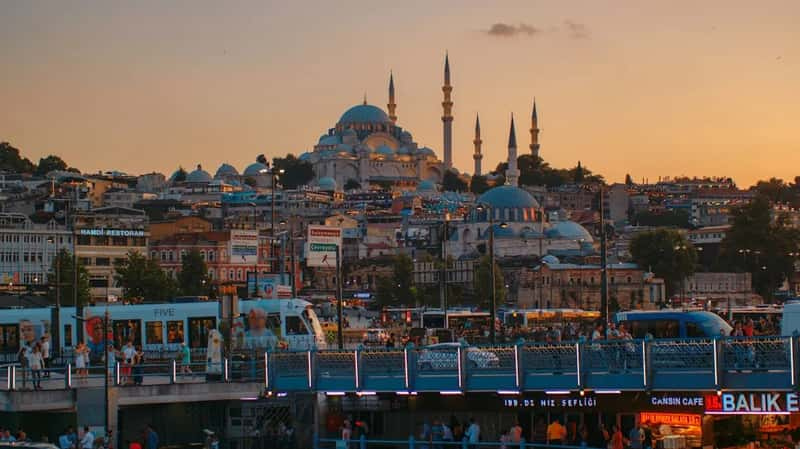
The bazaar’s scale is part of why its back rooms stay hidden. CNN describes up to 400,000 daily visitors passing through a maze of 65 streets, 14 inns and some 3,600 shops, with 11 main entrances.[1] Other guides give slightly different figures. Wikipedia cites 61 covered streets and over 4,000 shops, drawing between 250,000 and 400,000 visitors a day.[2] Counting shops in a living labyrinth is clearly not an exact science.
Berksoy, the 78-year-old jeweler at the center of the CNN story, treats the glittering streets as the surface. “Below all this glamour and wealth, in tiny workshops, lie its true value and beauty,”[1] he says. That line sums up the idea behind the whole hidden-world theme. The storefront is the public face, and the craft happens just behind it.
What a Han Actually Is
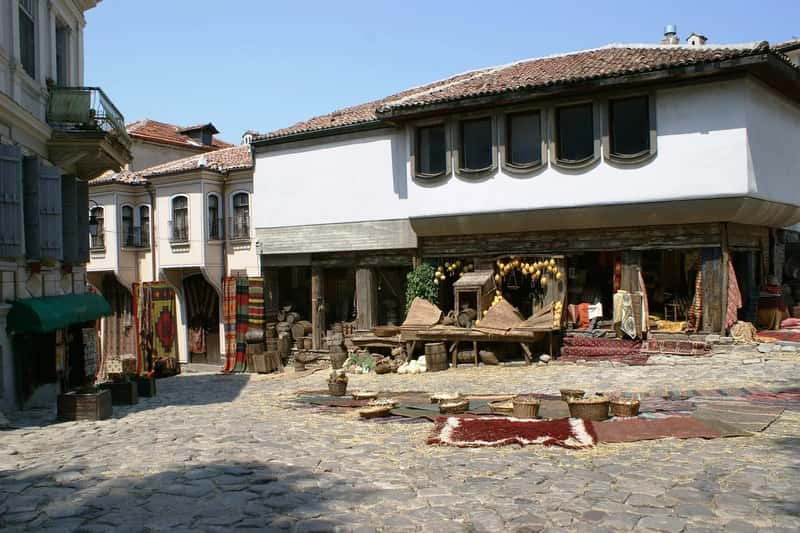
The hidden world mostly lives in hans, the Ottoman-era courtyard buildings clustered in and around the bazaar. They were normally formed around a courtyard with a fountain in the middle, along with a kitchen or coffeehouse, workshops and stores.[3] Merchants once lodged and stored goods here as well as trading.
The link between bazaar and hans goes back a long way. Around 1638 the traveler Evliya Çelebi described roughly 3,000 shops in the bazaar plus 300 more in the surrounding hans.[2] So the courtyards were never a side feature. They were part of how the market functioned.
Zincirli Han, the Pink Courtyard
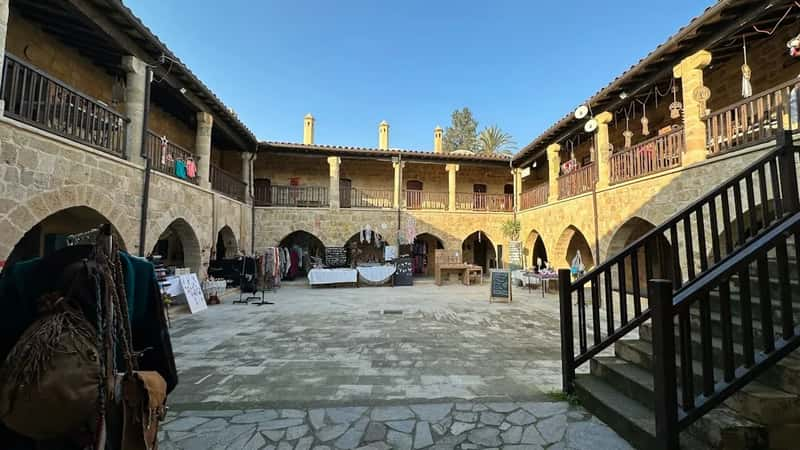
Zincirli Han is the most photographed of the lot, and it’s easy to see why. The two-storey building dates to the early 18th century and now holds a tea house, a carpet store, a jewelry shop, other businesses and workshops, plus several cats.[4] Worn depressions in the marble steps, a cobbled open courtyard and a marble fountain all point to a much older building.[4]
It works as a breather from the crowds. Shops sit on the ground floor and workshops on the second, which is why it’s often called a bazaar secret.[3] Still, it’s the polished entry point. Deeper hans tend to be rougher, less decorated and more focused on work than on visitors.
Büyük Valide Han and the Rooftop Question
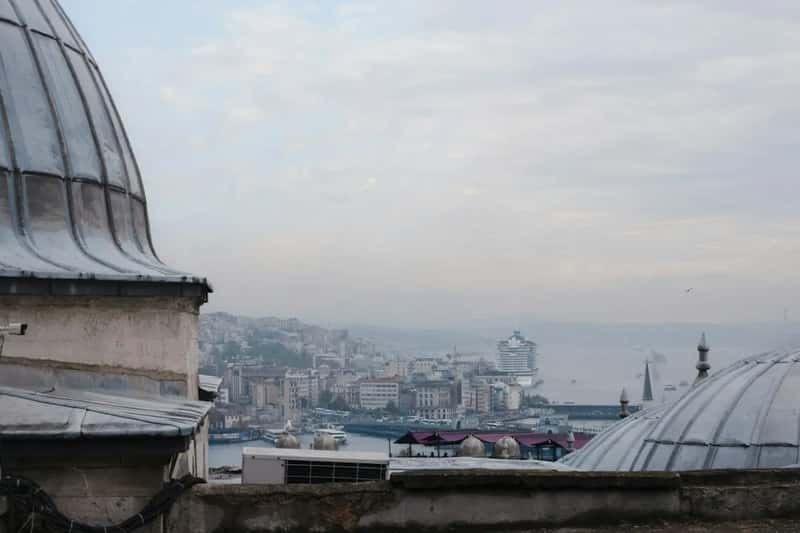
Büyük Valide Han is one of the largest surviving hans in the city. It was built in 1651 by Kösem, the mother of Sultan Mehmed IV.[5] One guide notes it’s known for its three courtyards.[6] The han also appeared in the 2012 James Bond film Skyfall, which helped fuel its rooftop fame, according to Yummy Istanbul’s roundup of hidden gems.[7]
Be careful with old advice about the roof. Istanbul.com says most Grand Bazaar rooftops aren’t reliably open to the public, and many online tips are outdated or restricted.[8] Another 2026 guide says rooftop access at this han is restricted because of safety and restoration work.[6] Access can change, so treat any rooftop plan as unconfirmed until you’re standing at the door.
İkizler Han and the Jewelry Chain
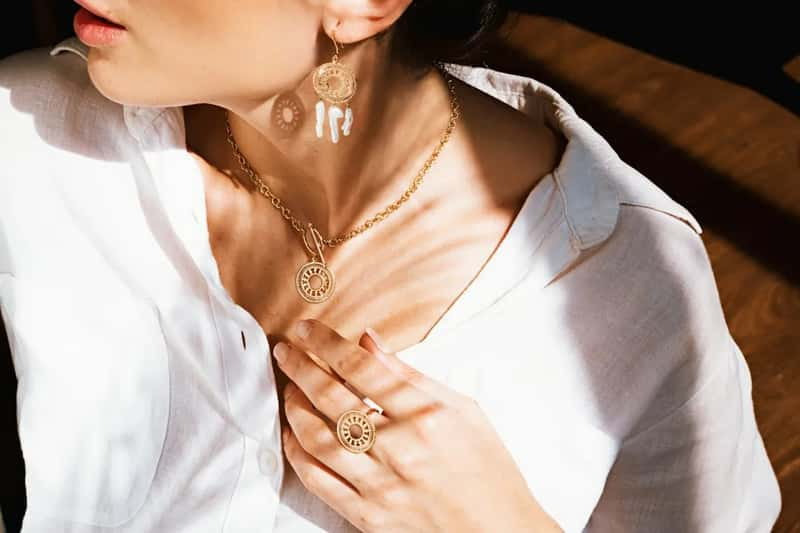
The CNN story centers on İkizler Han, which it describes as a warren of jewelry workshops and wholesalers dating back to the late 1940s.[1] That’s younger than the Ottoman hans, but it carries the same logic. A stone dealer, a designer, a goldsmith and a setter all work within a few staircases of each other.
Berksoy takes a 12-carat ruby there. Sevan Harunyan, 54, founder of one of the bazaar’s most established “Sadekâr” workshops, has spent decades turning Berksoy’s designs into precious metal.[9] Hrant Zorbas, 66, a “mihlama,” or stone-setting master, then sets the ruby into the frame.[10] Few words are needed, and that unspoken trust is the point.
Masters, Apprentices and a Shrinking Craft
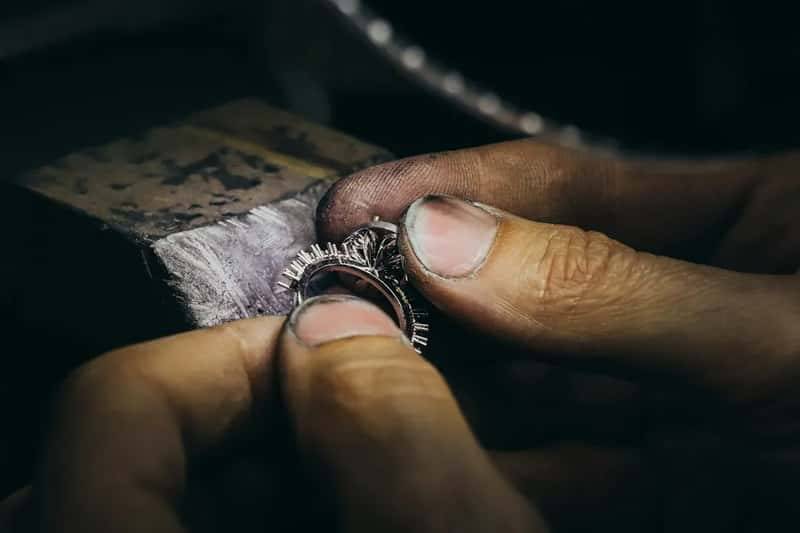
This trade runs on teaching. According to CNN’s summary, the jewelry trade still relies on family workshops and master-apprentice ties, with 57 masters serving 532 jewelers and shops, researchers said.[11] That ratio shows how few specialists the whole system leans on. It’s a reminder that tradition survives through a small number of people.
Harunyan understands the stakes. “We have to hold on to this profession and the master-apprentice tradition that comes with it because it has value when passed on,”[10] he says. I’d say that’s the most honest line in the piece. Crafts like this don’t last because they’re old. They last because someone agrees to teach them.
Many Communities, One Trading World
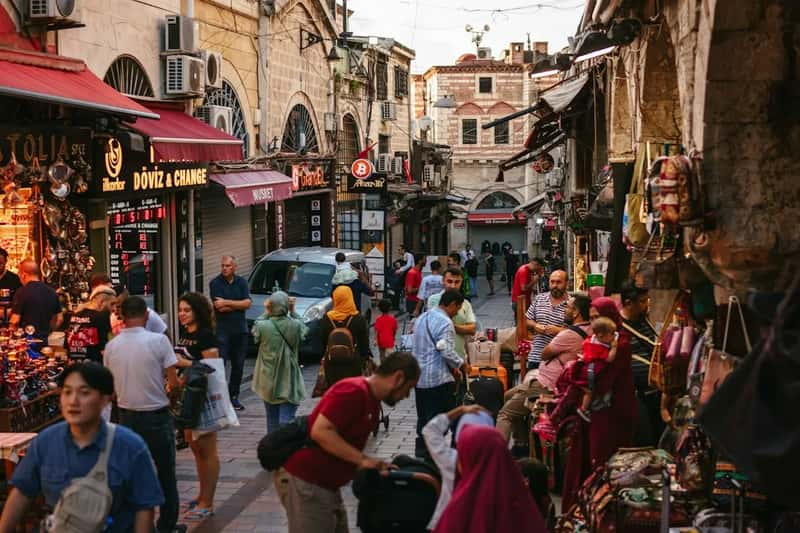
The bazaar’s craft culture was never the work of one group. CNN notes that masters from Turkey’s different religious minorities, including Armenians, Greeks, Jews and Syriacs, worked side by side and built lasting partnerships.[12] The same reporting follows Armenian-run businesses that are still going today.
The dates are striking. Aphram, named after its Armenian founder, has been selling precious metals since 1882.[13] Epoque, an antique business established in 1865, is also on Berksoy’s route.[13] Few retail names in the world can claim that kind of continuity.
Streets Named for Trades, and Porters Who Keep Them Moving
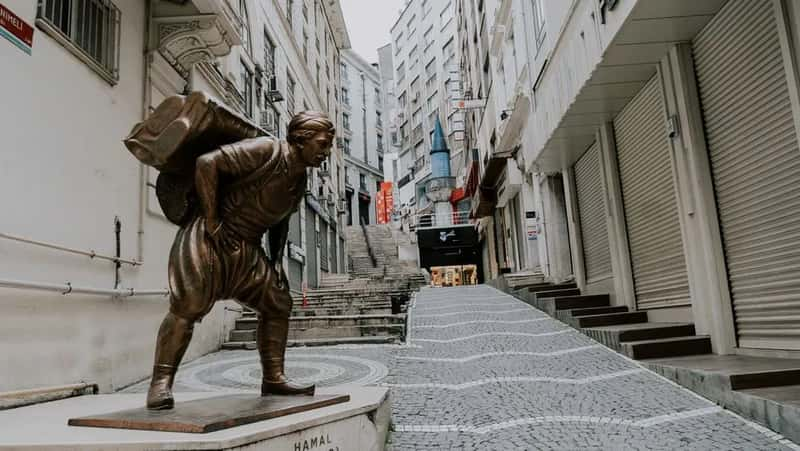
The layout itself preserves the old order. Ottoman art historian Mustafa Cezar noted that the criss-crossing alleys were as orderly as military barracks, and they were named after the trades they housed.[12] Names such as Fesçiler (fez sellers) and Aynacılar (mirror sellers) still hint at what was once sold.[14]
Moving goods through that fabric still takes muscle. AP reported in October 2025 that porters remain vital around the Grand Bazaar, Egyptian Bazaar and Eminönü, because many centuries-old hans lack elevators and sit on streets vehicles can’t enter.[15] Using a traditional wooden and leather harness called a semer, they can carry 200 to 300 kilograms of merchandise up to a han’s fifth floor.[15]
What Has Changed, and What Hasn’t
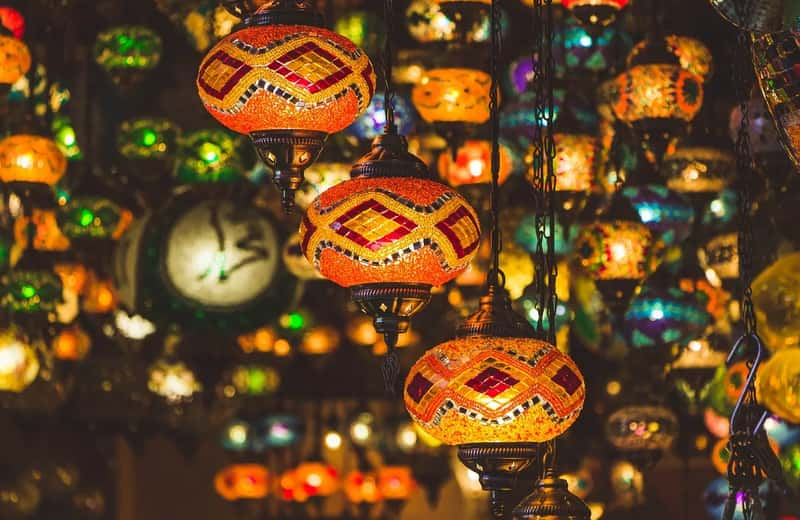
The bazaar isn’t frozen. The 1894 earthquake forced a four-year rebuild, and fires in 1943 and 1954 led to restoration that ran until 1959.[16] More recently, a 39,000-square-meter roof restoration was finished in 2024, with air-conditioning units, tanks and cables removed and historic tiles relaid.[16] The building has been patched and rebuilt repeatedly.
What lasts is the working method. Shops change faces to follow new trends and tourist tastes, but the thick masonry walls behind them safeguard the spirit of the bazaar, as Berksoy puts it.[1] So “unchanged” is best read as continuity of craft, not of every stone.
Conclusion
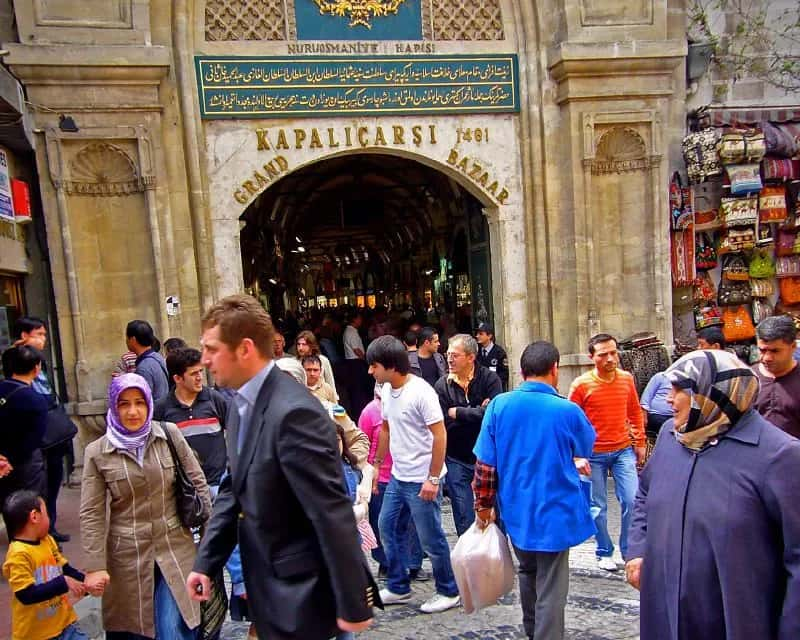
The hidden world behind the Grand Bazaar is real, but it isn’t a secret attraction with opening hours. It’s a set of working hans, jewelry benches and porter routes, and access depends on the day and on the people inside. If you go, ask before entering deeper areas[8] and keep your visit short and quiet where people are busy.
The bazaar’s real treasure may be a ruby, a setter’s steady hands and a nod across a table. Walk past the lamps, find a courtyard, and listen for the work going on behind the walls.