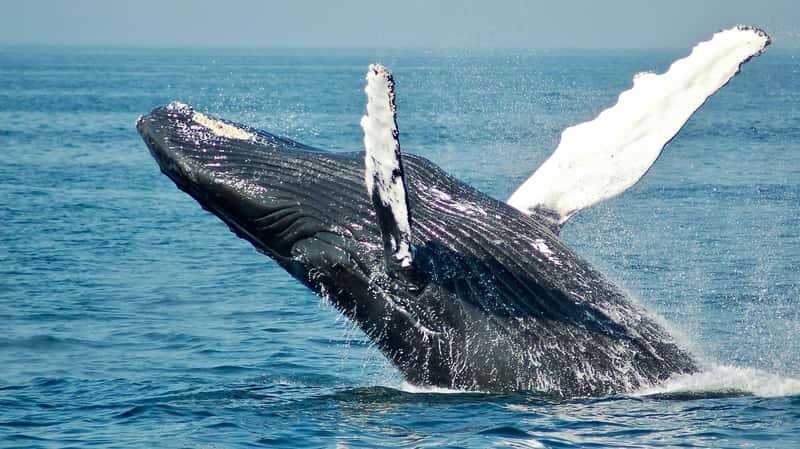
Saving the Whales Just Got a Little Easier – Image for illustrative purposes only (Image credits: Unsplash)
San Francisco Bay has long been known for its busy shipping lanes and dramatic coastline. Now a quiet technological addition is changing how often gray whales are noticed in these waters. Thermal cameras installed in May have recorded their distinctive spouts on nearly a daily basis since activation.
Unexpected Daily Signals
The consistent detections have surprised observers who track marine life along the California coast. Gray whales typically migrate through the region, yet the regularity of recent sightings stands out. Each spout captured on camera adds to a growing record of activity close to a major urban center.
These readings arrive at a time when vessel traffic remains heavy. Knowing precise locations of the animals offers practical advantages for those working to reduce collisions. The data stream has already begun to inform daily awareness efforts in the bay.
Technology That Sees in the Dark
Thermal imaging operates by detecting heat differences, allowing the cameras to register whale blows even when visibility is low. The systems were placed in strategic spots to cover key stretches of water. Since coming online, they have operated without interruption and delivered steady results.
Unlike traditional visual watches that depend on daylight and clear conditions, the new equipment functions around the clock. This reliability has produced a more complete picture of whale movements than was previously available. The result is a clearer baseline for understanding seasonal patterns in the area.
What Matters Now
The near-daily detections point to a simple shift: better information is now available for protecting whales that share the bay with commercial traffic.
Broader Effects on the Coast
Marine researchers and local groups have begun reviewing the camera feeds alongside existing monitoring programs. The added detail helps refine routes and timing for vessels that must cross the same waters. Over time, the information could support more targeted conservation measures without requiring major new infrastructure.
Travelers and residents interested in wildlife also stand to benefit. The confirmed presence of gray whales so close to shore increases the chance of responsible viewing opportunities from land or permitted boats. Interest in these sightings has grown steadily since the cameras started reporting.
The steady flow of detections serves as a reminder that familiar coastlines can still hold surprises. Continued monitoring will show whether the current pattern holds through the coming months. For now, the cameras have already made one thing clear: the whales are here more often than many realized.