Ask most travelers where they’d expect to stumble through a language barrier, and a handful of European capitals rarely make the list. Yet year after year, the same countries keep proving that fluent, natural-sounding English isn’t reserved for places where it’s the mother tongue. According to the newest edition of the EF English Proficiency Index, released in November 2025 and built from test results of 2.2 million adults across 123 countries, the gap between “second language” and “practically native” has nearly disappeared in several nations.
What makes this list so surprising isn’t just that these countries score well. It’s that many of them consistently outperform nations where English holds official status on paper. From Dutch teenagers debating Netflix plots in flawless English to Croatian tour guides switching effortlessly between languages, these six countries quietly reshape what “non-native speaker” really means.
The Netherlands: The Reigning Number One
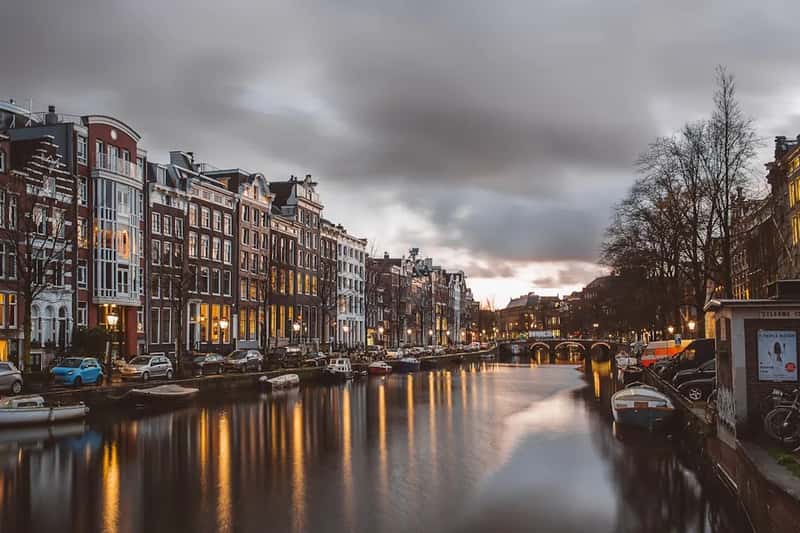
The Netherlands has topped the EF English Proficiency Index for years, and 2025 changed nothing. The Netherlands has held the number one spot on the EF EPI for years, and 2025 was no exception. With a score of 624, it sits comfortably in the “Very High” proficiency band, a level most countries never reach even after decades of investment in language education.
The explanation isn’t mysterious once you look at daily life there. Dutch schools begin English instruction early, and the country’s small domestic language market means locals grow up surrounded by English-language television, music, and business communication. Add a culture that rarely dubs foreign films or shows, and you get a population that absorbs English almost by osmosis rather than through textbooks alone.
Croatia: A Rise Fueled By Tourism
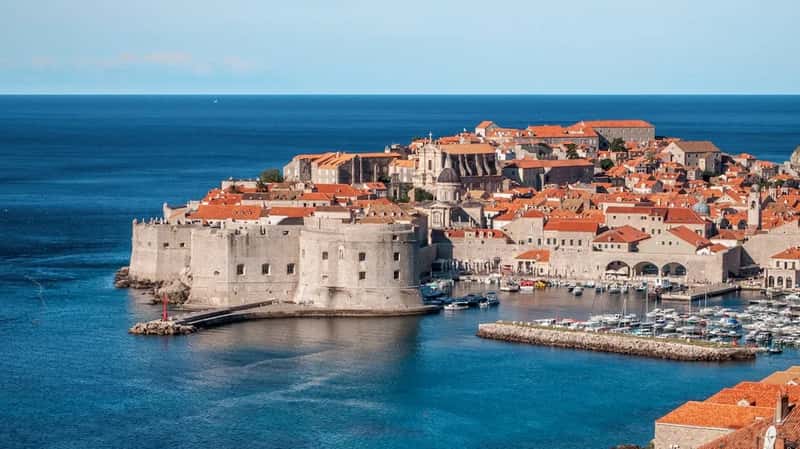
Croatia’s climb up the rankings has caught plenty of people off guard, especially since the country isn’t typically mentioned alongside Western Europe’s usual language powerhouses. Croatia’s rise up the rankings has been one of the more notable stories in recent editions of the index. The country now sits at second place globally with a score of 617, a remarkable jump for a nation of under four million people.
Much of that progress traces back to Croatia’s reliance on foreign visitors. Tourism plays an outsized role in Croatia’s economy, and that reliance on international visitors has pushed generations of Croatians to build strong conversational and written English skills. The result is a country where English isn’t confined to classrooms but shows up daily in cafes, hotels, and coastal towns packed with tourists from every corner of the globe.
Austria: Consistency Over Flash

Austria rarely grabs headlines the way trendier destinations do, but its English proficiency scores have been remarkably steady for years. Austria has long been one of Europe’s steadiest performers on the EF EPI, and this year was no different, finishing third globally with a score of 616. That places it firmly among the most linguistically capable non-native English-speaking populations on the planet.
Austria’s success reflects a broader Central European pattern of strong public education combined with heavy cross-border business exposure. Its economy is deeply tied to Germany and other EU trading partners, which keeps English relevant in professional settings even though German remains the dominant language at home. Add a media landscape saturated with English-language streaming content, and fluency becomes almost unavoidable for younger generations.
Germany: The Big Mover Of 2025
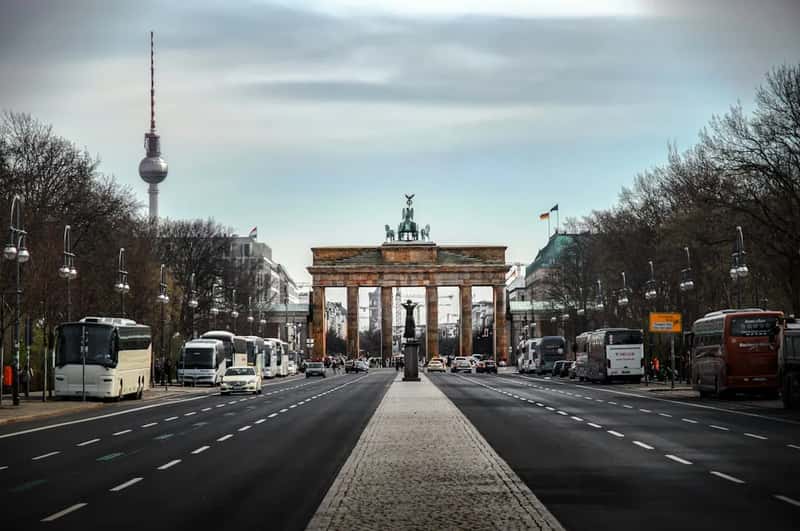
Germany’s jump this year turned heads among people who track the index closely. The Netherlands remains number one, followed by Croatia and Austria, both of which improved their rankings, while Germany climbed to fourth place with one of the biggest gains in Europe. That kind of movement in a single year is unusual for a country as large and economically significant as Germany.
With a score of 615, Germany now sits just behind Austria in the very high proficiency band. Given the size of its population and the scale of its economy, this shift matters more than a similar jump would in a smaller country. It suggests that English fluency is becoming standard practice across German business, universities, and everyday media consumption rather than something limited to a small professional elite.
Norway: Nordic Strength Without The Spotlight
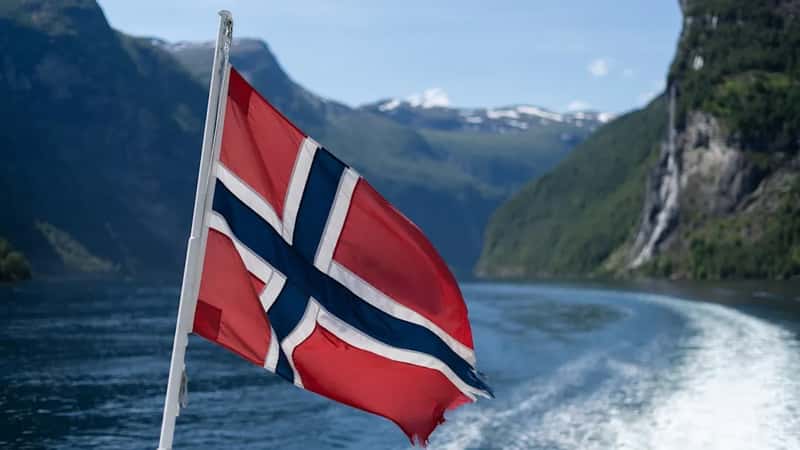
Norway often gets overshadowed by Sweden and Denmark when people picture strong English-speaking Scandinavians, yet its 2025 score of 613 places it fifth globally, ahead of both its neighbors. The Nordic region as a whole continues to dominate the upper half of the rankings, and Norway is a consistent part of that story rather than an afterthought.
Norwegian television and film rarely rely on dubbing, which means children grow up hearing English dialogue in its original form from a young age. Combine that with an education system that introduces English instruction early and reinforces it consistently through secondary school, and it’s easy to see why fluency runs so deep across age groups. Business culture in Norway also leans heavily on English, particularly in sectors like shipping, energy, and technology that operate on a global stage.
Portugal: Lisbon’s Quiet English Revolution

Portugal rounds out the top six with a 2025 score of 612, placing it firmly in the very high proficiency band alongside its northern European counterparts. Portugal’s high ranking is a reflection of its long-term investment in education and its commitment to global connectivity. That investment has paid off in ways that surprise visitors who expect a more modest level of English outside major tourist zones.
Lisbon in particular has become something of a case study in how a capital city can transform its language profile. Portugal’s capital, Lisbon, also performed strongly in the EF EPI Capital City Scores, tying with Zagreb for the top spot. The city’s growing reputation as a tech and startup hub has only reinforced this trend, drawing international companies that expect English fluency as a baseline rather than a bonus.
Why These Countries Beat Nations Where English Is Official

Perhaps the most counterintuitive part of the story is how these six compare to countries where English actually holds official status. The Netherlands topped the ranking with a score of 624, placing it well ahead of countries such as Nigeria, whose 2025 score sat at 568, and the Philippines at 569. Both Nigeria and the Philippines list English as an official language, yet both land in the “High” proficiency band rather than “Very High.”
The explanation comes down to consistency of access rather than official status. That combination has kept the Dutch comfortably ahead of nations where English is an official language but classroom access is far less consistent. In other words, a constitution can declare English official, but without steady classroom instruction, quality media exposure, and reliable teacher training, actual proficiency across the population tends to lag behind countries that treat English purely as a practical second language.
The Common Ingredients Behind Their Success

Looking across all six countries, a clear pattern emerges. Early exposure matters more than almost anything else, since children who hear and use English before their teenage years tend to internalize grammar and pronunciation far more naturally than those who start later. Undubbed television and film also play an outsized role, particularly in smaller language markets where dubbing an entire industry’s worth of content simply isn’t economically practical.
Economic integration adds another layer to the equation. Countries whose businesses depend heavily on international trade, tourism, or technology tend to treat English as a functional necessity rather than an academic subject, and that shift in mindset changes how seriously students and adults alike approach learning it. Their success is largely attributed to early English education, widespread media exposure, high-quality teaching standards, and strong international orientation.
What This Means For Travelers And Global Business

For travelers, this pattern is genuinely useful to know. Visitors who assume they’ll need to rely on gestures or translation apps in Zagreb, Vienna, or Oslo are often pleasantly surprised to find locals switching into confident, idiomatic English within seconds. That fluency extends well beyond tourist-facing jobs and into everyday interactions with shopkeepers, taxi drivers, and casual acquaintances.
For businesses, the implications run deeper. Companies looking to expand into European markets increasingly treat English proficiency as a factor in site selection, since a workforce that communicates fluently in English reduces training costs and speeds up international collaboration. As AI tools and global platforms continue to be built primarily in English, countries that maintain this kind of language advantage are likely to keep attracting investment, talent, and opportunity well into the years ahead.
Final Thoughts

The six countries covered here didn’t stumble into fluency by accident. Decades of early education, unashamed exposure to English-language media, and economies built on international connection have quietly produced populations that communicate more comfortably in English than plenty of places where it’s technically the native tongue. That’s a reminder worth carrying the next time you assume a language barrier awaits you abroad.
Fluency, it turns out, has less to do with a passport and more to do with how a country chooses to teach, watch, and work. These six nations prove that point every single day, one confident conversation at a time.