Wildlife conservation has become more critical than ever as global populations of animals continue to face unprecedented challenges. While wildlife faces declining numbers in many regions worldwide, certain countries stand out as beacons of conservation excellence.
These countries have proven that with the right approach, wildlife populations can not only be preserved but actually flourish. Let’s explore the eight nations leading the way in creating impressive wildlife reserves that serve as sanctuaries for endangered species and models for conservation worldwide.
Botswana: Africa’s Conservation Champion

Botswana tops the list of countries that are doing the most to protect wildlife. It has the highest conservation land ratios in Africa, and approximately 38-40 percent of its land area is reserved for parks and other reserves. This dedication to wildlife conservation represents one of the most impressive commitments to preserving natural heritage on the continent.
The country’s approach to conservation goes beyond simply setting aside land. As much as Botswana relies heavily on wildlife tourism, it does so sustainably by limiting visitors it welcomes. This sustainable tourism model ensures that economic benefits from wildlife don’t come at the expense of the animals themselves, creating a balanced ecosystem where conservation and economic development work hand in hand.
A fifth of Africa’s large mammals can be found there. The Okavango Delta alone serves as a critical habitat for elephants, lions, leopards, and countless bird species, making Botswana’s reserves some of the most biodiverse in the world.
Bhutan: Constitutional Conservation Commitment

Their constitution guarantees protection of wildlife and its habitat, with laws that say 60% of the land must remain under forest cover. This constitutional requirement makes Bhutan unique among nations, as environmental protection is literally written into the country’s foundational legal document.
In addition to this, 51% of the country is protected. This extraordinary level of protection creates vast corridors for wildlife movement and habitat preservation that few countries can match.
The Himalayan kingdom’s approach demonstrates that size doesn’t determine conservation success. While Bhutan is one of the world’s smallest countries, its efforts to protect wildlife are among the biggest. The Royal Manas National Park and Jigme Dorji National Park serve as critical habitats for snow leopards, tigers, and the endangered takin, Bhutan’s national animal.
Kenya: Leading Wildlife Research and Innovation

Kenya stands out not only for its extensive protected areas but also for its cutting-edge approach to wildlife monitoring and research. Kenya has the most robust wildlife data in Africa. This data-driven approach to conservation enables more effective protection strategies and a better understanding of wildlife population dynamics.
The country’s commitment to comprehensive wildlife monitoring is evident in its ongoing census work. The third phase of the 2024-2025 National Wildlife Census, which began on 31 May 2024, has concluded successfully after a comprehensive four-day aerial count of the Athi Kapiti ecosystem. This systematic approach to wildlife counting ensures that conservation efforts are based on accurate, current data.
Wildlife conservation is important in Kenya, and about 12% of the total land mass has some form of protection. In total, 8% is defined as either parks or reserves, with 23 national parks and 28 national reserves on land. The Maasai Mara alone generates billions in tourism revenue while serving as a critical habitat for the Great Migration, one of the world’s most spectacular wildlife events.
Canada: Wilderness Protection at Scale

Canada’s approach to wildlife conservation operates on a massive scale that matches the country’s geographic enormity. Canada was one of the highest spenders on conservation and has more than forty national parks and park reserves, filled with bison, caribou, grizzlies, wolves, and polar bears. This investment in conservation infrastructure creates some of the world’s largest protected wilderness areas.
The country’s vast boreal forests and Arctic territories provide critical habitat for species that require enormous ranges to survive. Polar bears, which need extensive ice-covered territories, find refuge in Canada’s northern reserves. Similarly, the country’s mountain parks protect crucial habitat for grizzly bears and mountain goats.
Wood Buffalo National Park, Canada’s largest national park, spans an area larger than Switzerland and serves as a UNESCO World Heritage Site. The park protects the last remaining free-roaming bison herds in North America and provides nesting grounds for endangered whooping cranes.
Norway: Europe’s Wildlife Haven

The only European country included in the top 10, Norway, is home to 44,000 species of animals living in the wild. This remarkable biodiversity in a relatively northern climate zone demonstrates the effectiveness of Norway’s conservation efforts across diverse ecosystems from fjords to Arctic tundra.
Its government is dedicated to protecting all animals in the country that its Nature Diversity Act, which designates priority species that are to be safeguarded, closely monitored, and given special protection. This comprehensive legal framework ensures that conservation efforts address both common and endangered species.
Norway’s fjords and mountains are home to lynx, wolves, bears, and elk. The country’s Dovrefjell-Sunndalsfjella National Park successfully reintroduced musk oxen, while Svalbard serves as a critical sanctuary for polar bears and Arctic foxes in their natural habitat.
Zimbabwe: Comprehensive Protected Area Network
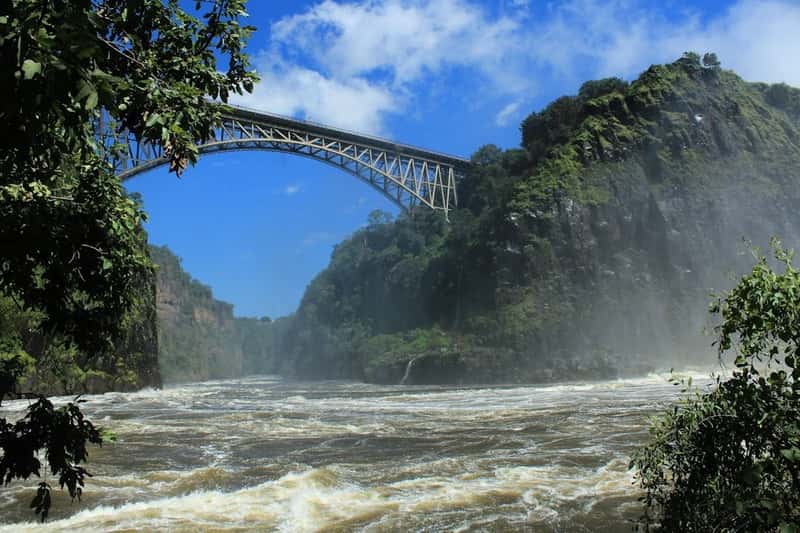
A total of 13% of Zimbabwe’s land is protected and managed by the Zimbabwe National Parks Authority. This substantial commitment to land protection creates extensive wildlife corridors and diverse habitat preservation across the country.
They now have a total of nine recreational parks, ten national parks, four safari areas, three sanctuaries, and four big botanical gardens. This diverse network of protected areas ensures that different types of habitats and species receive appropriate protection and management.
Hwange National Park, Zimbabwe’s largest game reserve, supports one of the continent’s largest elephant populations. The park’s successful conservation programs have helped maintain stable populations of African wild dogs, one of the continent’s most endangered predators, demonstrating Zimbabwe’s commitment to protecting both large mammals and critically endangered species.
Central African Republic: Protecting the Heart of Africa

The Central African Republic (CAR) is a landlocked nation that has 5 designated national parks, which are home to the bongo antelope, western lowland gorilla, the central and eastern chimpanzee, and the mighty forest elephant. These protected areas serve as critical refuges for some of Africa’s most endangered large mammals.
Its vast wildlife refuge, called Chinko or Chinko Nature Reserve, which covers 5.9 million hectares, is protected by law enforcement agencies. This enormous reserve represents one of the largest protected areas in Central Africa and serves as a crucial habitat corridor for wildlife movement across the region.
Tropical forest covers more than a third of the country and is popular with travellers for its large population of gorillas. The country’s commitment to protecting these forest ecosystems ensures the survival of great apes and maintains critical carbon storage for global climate regulation.
India: Emerging Conservation Success Story

India has a network of 1014 Protected Areas, including 106 National Parks, 573 Wildlife Sanctuaries, 115 Conservation Reserves, and 220 Community Reserves covering a total of 1,75,169.42 km2 of geographical area of the country, which is approximately 5.32%. This extensive network represents one of the world’s most comprehensive protected area systems.
India’s recent conservation achievements demonstrate remarkable progress in wildlife protection. Another area known as Ratapani Wildlife Sanctuary in Madhya Pradesh was declared the state’s 8th tiger reserve in January 2024, marking another significant milestone in India’s wildlife conservation efforts. Spanning over 890 square kilometers, Ratapani serves as a vital corridor connecting the tiger populations of Panna and Satpura Tiger Reserves, thereby enhancing gene flow and ecological stability.
The conservation milestones of 2024-2025 reflect India’s proactive steps towards wildlife protection and research. With groundbreaking initiatives like the Snow Leopard population report, the creation of new tiger reserves, and the radio tagging of river dolphins, the country is making significant strides in understanding and conserving its diverse species.
The dedication these eight nations show to wildlife conservation proves that protecting biodiversity remains possible even in our rapidly changing world. From Botswana’s constitutional commitment to forest cover to Kenya’s data-driven wildlife monitoring, each country offers unique approaches that could inspire global conservation efforts. Their impressive wildlife reserves don’t just protect individual species; they preserve entire ecosystems that future generations will inherit. What strikes you most about these conservation success stories?