There’s something oddly captivating about places where time stood still. Abandoned locations have this magnetic pull, like you’re stepping into a memory that’s been frozen mid-sentence. Maybe it’s the overgrown vines creeping through concrete, or the way silence hangs heavy where laughter once echoed. Whatever it is, these forgotten sites are drawing crowds like never before. People want to see decay, touch history, walk through spaces that once buzzed with life but now serve as monuments to human ambition, disaster, or simply changing times. So let’s dive in.
Rubjerg Knude Lighthouse, Denmark: Battling the Sea
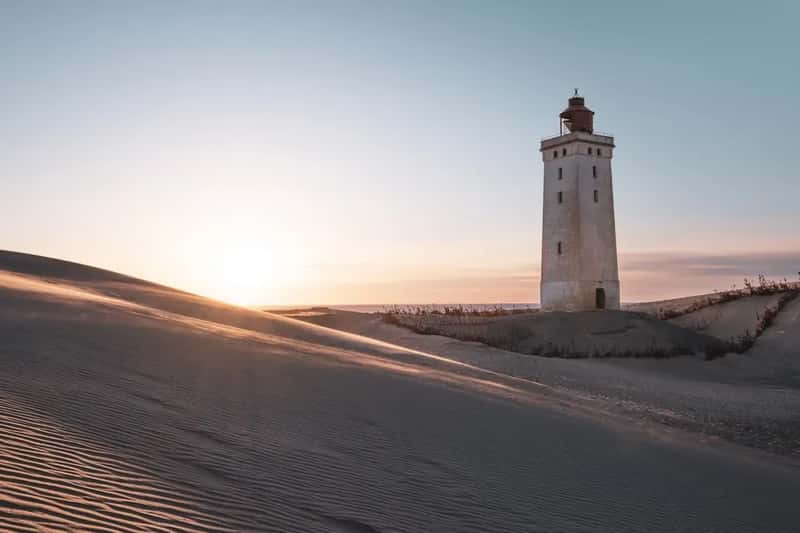
Picture a lighthouse perched on a crumbling cliff, stubbornly refusing to fall into the North Sea. This Danish beacon attracts around 250,000 people annually, according to the BBC, and honestly, it’s not hard to see why. Operating until 1968, the lighthouse was later used as a museum and coffee shop before erosion forced it to close. Here’s the thing that gets me: the lighthouse was expected to fall into the water by 2023, but in 2019, it was relocated 230 feet inland, allowing it to be safe until at least 2060.
Imagine watching a massive structure being physically moved to escape the hungry sea. That’s not just preservation, that’s defiance. The wind whips across those dunes, sand swirls around your feet, and you’re standing there looking at a building that literally ran away from the ocean. Visitors keep coming back because it represents something bigger than just old architecture.
Pripyat Amusement Park, Ukraine: Frozen in Nuclear Time
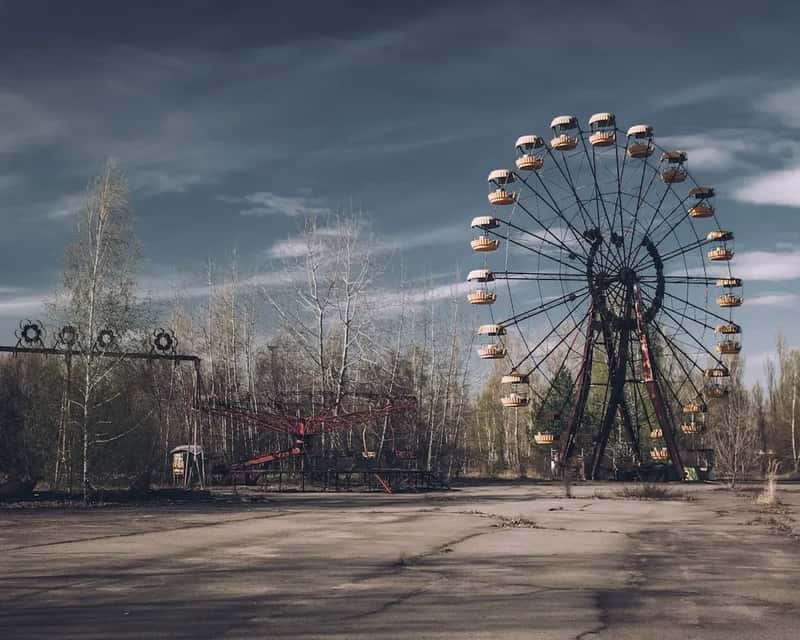
The tourist flow peaked at over 124.4 thousand visitors in 2019, when interest in the area was sparked by the HBO miniseries about the Chernobyl disaster, according to Statista. The park was supposed to open on 1 May 1986 for the May Day celebrations, but was abandoned after the Chernobyl disaster on 26 April 1986. Think about that for a second. Rides that never gave their first spin. A Ferris wheel that never made a full rotation with screaming kids.
Walking through Pripyat isn’t just tourism, it’s witnessing a snapshot of Soviet life interrupted mid-celebration. The bumper cars sit silent, paint peeling. Nature has started reclaiming everything, wrapping vines around metal frames like the earth is trying to heal itself.
Hashima Island, Japan: The Concrete Ghost
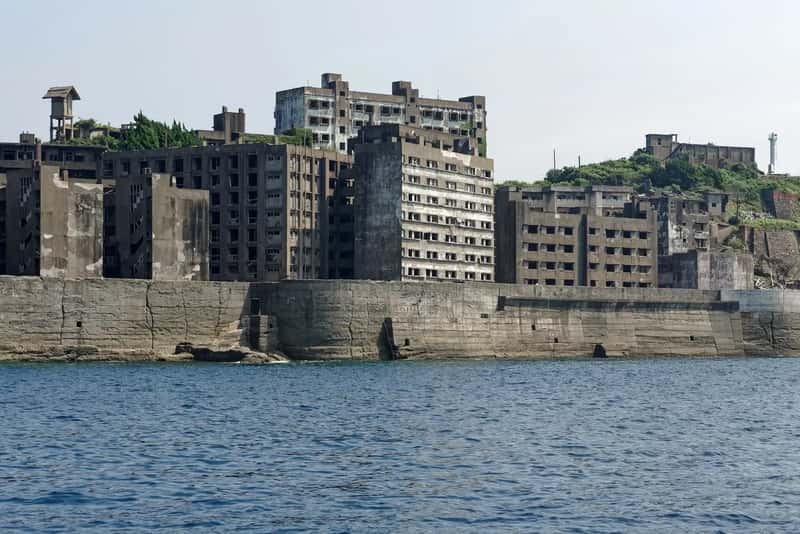
Opening to tourists in 2009, Gunkanjima spawned an interest in abandoned ruins tourism and was later named a UNESCO World Heritage site in 2015. Developed by Mitsubishi and a hub of national coal mining, Gunkanjima’s population reached an astonishing 5,300 people in its heyday, yet the island was quickly abandoned in around 1974 when energy needs changed, and the coal mines were closed. Let’s be real, this place looks like something straight out of a dystopian film.
Given the nickname for its battleship-like silhouette, the eerie island and its former coal mine are one of Japan’s most unlikely tourist attractions. You cannot visit Gunkanjima alone, as it is mandatory that all visitors travel in tour groups due to the structural instability of the island. The concrete apartment blocks rise like skeletal fingers from the sea, windows empty, hallways silent. It’s hard to imagine this was once the most densely populated place on earth.
Tianducheng, China: The Paris Nobody Expected
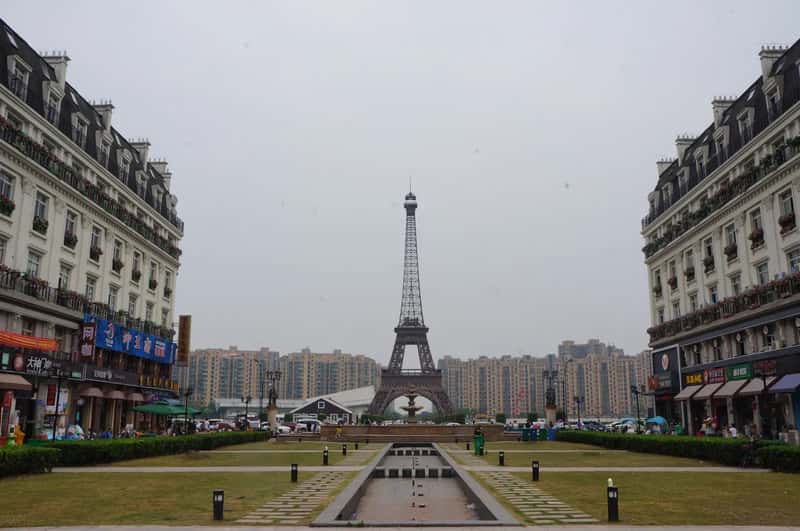
Located on the eastern coast of China, Tianducheng is known as the “Paris of the East,” designed to emulate the City of Lights, featuring its own Arc de Triomphe, Champs-Élysées, and a 354-foot replica of the Eiffel Tower, and many of the homes remain vacant, but the city still attracts many Chinese and international tourists, according to National Geographic. This might be one of the strangest tourist draws I’ve encountered. It’s a ghost town that was never really alive.
Walking through empty boulevards designed to look Parisian, past vacant luxury apartments, feels like being inside a bizarre dream. The Eiffel Tower replica stands tall, but below it, hardly anyone lives. Yet people travel from across the globe to photograph this eerie replica city. It’s become a sort of accidental monument to over-ambition and changing economic tides. What was meant to house thousands now serves as a surreal backdrop for wedding photos and curious wanderers.
What do you think draws us to these abandoned places? Is it nostalgia, curiosity, or something darker? Tell us in the comments.