Conservation decisions often depend on how many distinct species a region holds, and a new genetic study suggests the Amazon has more howler monkeys than scientists had recorded. ([1])Mongabay reported that the research identified two previously unrecognized species in the Amazon. It also flagged a potentially distinct species in the Caribbean and prompted researchers to reconsider how several populations are classified.
Two Amazonian monkeys with separate ranges
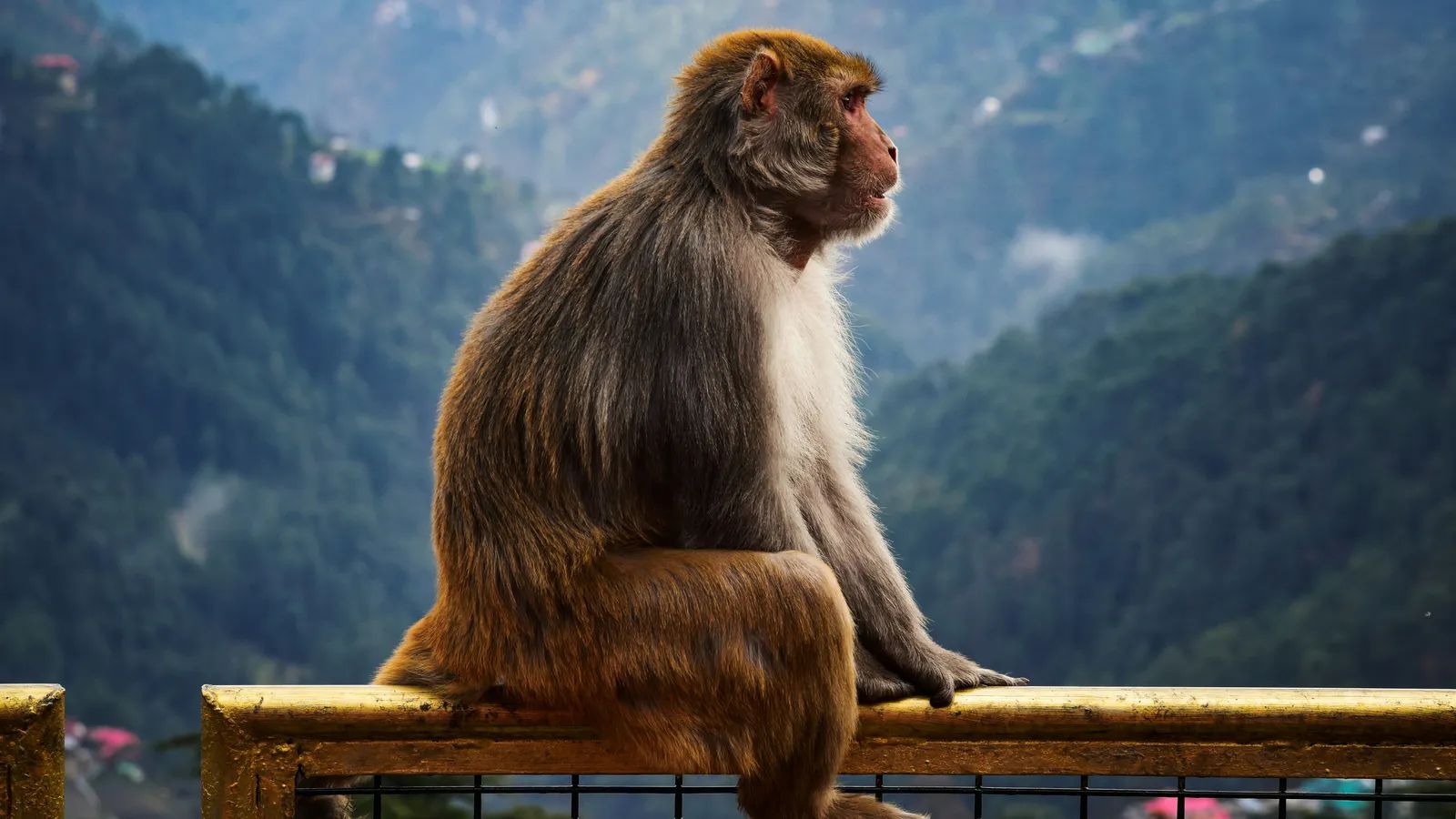
The researchers formally described two Amazonian red howler monkeys. The Pantepui red howler monkey, Alouatta iroi, lives in northwestern Amazonia. The Mato Grosso red howler monkey, Alouatta matogrossensis, is found in the southern Brazilian Amazon.
The findings rest on more than a decade of fieldwork and sample collection. Physical traits helped back up the genetic results. The fur of A. iroi is more yellowish than that of related populations, which gave the team a visible clue that the lineages were not identical.
A river that marked a genetic divide
Lead author Romina Batista, a biologist at the University of Salford in the United Kingdom and Brazil’s National Institute of Amazonian Research, worked through more than 2 terabytes of raw genomic data. The sheer size of the dataset exposed evolutionary differences that earlier, smaller studies had not detected.
The turning point came when Batista noticed that monkeys living on opposite banks of the Branco River in northern Brazil formed distinct genetic lineages. She quickly brought in co-author Jean Boubli. “When I saw that, I literally called Jean and I said, ‘Jean, there is something different here,’ ” Batista said.
Museum drawers hold the missing context
Historical specimens in natural history museums also played a role. Batista said the work shows why these collections matter, since they allowed the team to revisit older animals with modern analytical tools. Without those archives, she suggested, key information about past populations could have been lost.
Museum material and genomic data together helped the researchers pinpoint characteristics that separate the populations. That combination is a reminder that old collections can still produce new knowledge decades after they were gathered.
What is settled and what is still open
The study offers several firm conclusions, though it leaves some questions unanswered. Researchers can point to clear results in the Amazon, while the Caribbean finding remains a hypothesis that needs further testing.
- Two Amazonian red howler monkey species have been formally described.
- The Caribbean population is potentially distinct, but it has not been confirmed as a separate species.
- Several other populations are being reconsidered under a new classification framework.
For travelers and wildlife watchers, the study is a reminder that familiar animals can still hold surprises. Howler monkeys are among the most recognizable primates in the Americas, yet the genetic map of the group is still being redrawn. Whether the Caribbean population will ultimately earn its own species name remains to be seen.