Remember when everyone told you to skip Paris and head to cheaper destinations instead? Well, those days are fading fast. The travel landscape has shifted dramatically, and some of those budget-friendly escapes you’ve been bookmarking are now giving the City of Light a run for its money – literally.
While most travelers spend between €120 and €180 per day in Paris, a growing list of former bargain destinations now demands similar or even higher budgets. The reasons are complex, ranging from overtourism to inflation, gentrification to social media fame. What’s clear is that the travel math has changed.
So let’s dive into these surprising transformations. You might want to rethink your next vacation plans.
Iceland: From Budget Nordic Option to Premium Price Tag
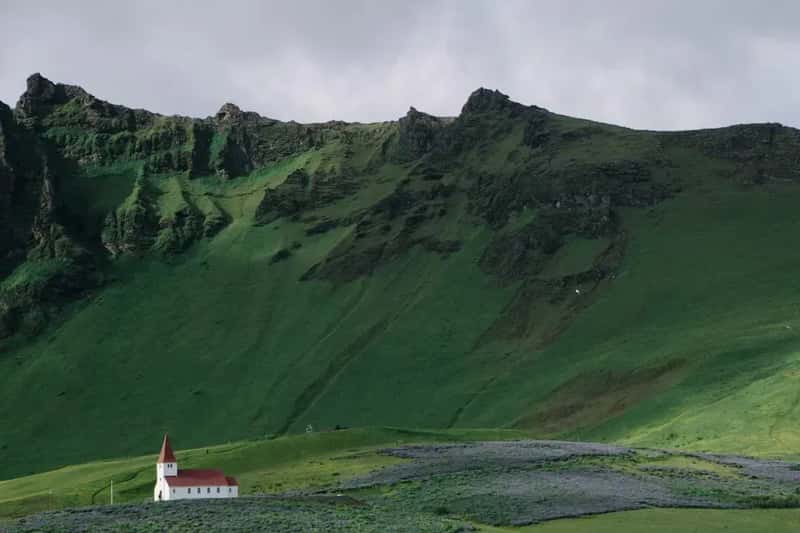
Iceland used to be the scrappy alternative to expensive Scandinavia. Those days are long gone. Iceland’s annual inflation rate rose to 5.2% in January 2026, the highest level since September 2024, making it one of the priciest destinations in Europe right now.
Increased tourism, which accounts for about 6% of Iceland’s GDP, has left nationals out in the cold in an increasingly hot housing market. The massive influx of visitors drove up everything from hotel costs to restaurant meals. Tourism has been creating inflation and the general wage earner is paying for it, according to local labor leaders.
The Blue Lagoon, once an affordable geothermal treat, now charges premium prices that rival luxury spas anywhere. Even basic accommodations in Reykjavik can set you back more per night than a decent Parisian hotel. Honestly, if you’re dreaming of those dramatic volcanic landscapes, start saving now – or reconsider your destination entirely.
Dubrovnik, Croatia: The Pearl That Became Too Polished
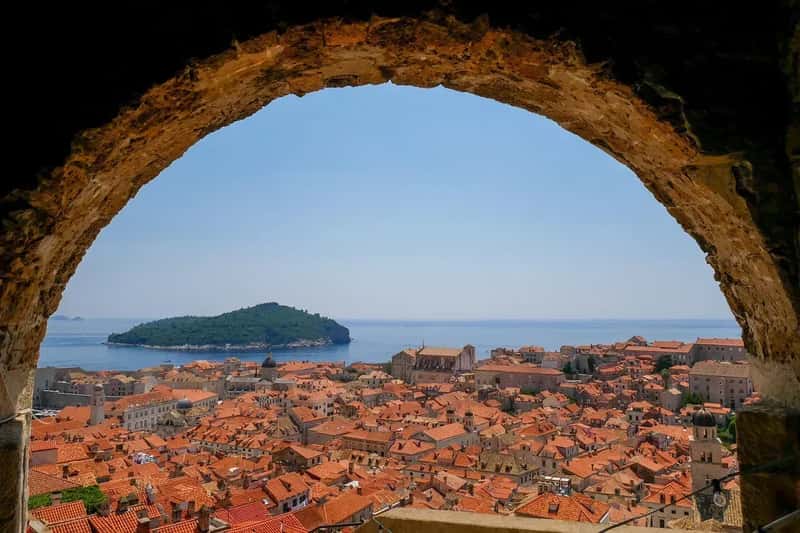
In 2023, Dubrovnik became Europe’s most overcrowded tourist destination, welcoming an average of 27.4 tourists for every local resident. Game of Thrones put this medieval jewel on everyone’s bucket list, and the city has been struggling ever since.
Forty percent of homes in the centre of Dubrovnik are now used as tourist accommodation, helping to drive up rental prices 250 percent since 2015. The result? A city that once offered Mediterranean charm at Balkan prices now charges fees that make Paris look reasonable.
Over the last three years, prices in Croatia have reportedly increased by up to 50%, putting Croatia at a disadvantage compared to competitors like Spain and Greece, where prices have risen by a more modest 20%. From 2026, you’ll even need advance bookings just to access the city walls. The spontaneity that made travel magical? That’ll cost you extra.
Bali, Indonesia: Paradise Lost to Gentrification
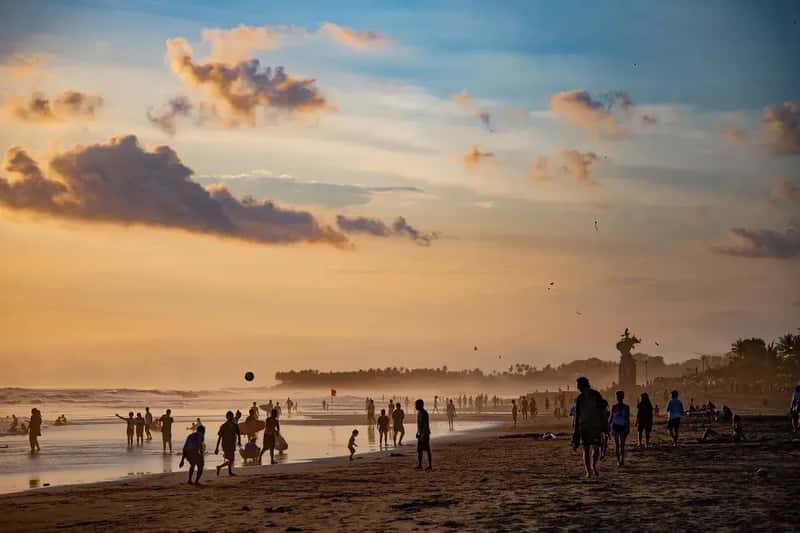
Bali was the ultimate backpacker paradise, where you could live like royalty on pocket change. Bali introduced the Bali Tourist Levy on February 14, 2024, requiring all international tourists to pay 150,000 rupiah ($9) upon arrival, as 6.3 million international tourists visited in 2024.
What’s particularly striking is how rapidly Bali’s cost structure changed, despite tourism growth, with the pace of property development outstripping demand. Seminyak and Canggu have transformed into expensive expat enclaves where a simple lunch can cost more than a meal in a Parisian bistro.
Bookings for Bali in 2026 are already seeing a decline, with European and Australian travel companies reporting a drop in interest as tourists search for quieter alternatives. Even locals are getting priced out. The island that once epitomized affordable tropical bliss now demands careful budgeting – or a willingness to venture far beyond the Instagram hotspots.
Lisbon, Portugal: The Digital Nomad Effect
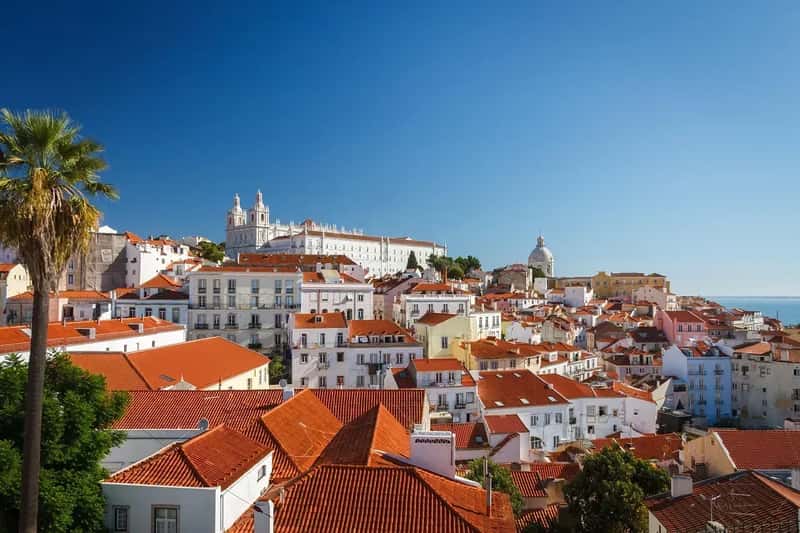
Lisbon charmed the world with its pastel tiles, golden light, and incredibly affordable lifestyle. Then the digital nomads arrived, followed by golden visa seekers, and everything changed. The once sleepy neighborhoods like Alfama and Bairro Alto now buzz with Airbnbs instead of local families.
Rent prices have skyrocketed, pushing residents to the suburbs while tourists snap up prime real estate for short-term rentals. A coffee in a trendy Lisbon café now costs about what you’d pay in Paris, and accommodations in popular districts can actually exceed Parisian rates during peak season.
The Portuguese government tried to intervene, but the damage was done. What was once Europe’s most affordable capital city now requires a budget comparable to its Western European counterparts. If you’re looking for that authentic, affordable Portuguese experience, you’ll need to look well beyond Lisbon’s seven hills.
Tulum, Mexico: Instagram’s Most Expensive Mistake
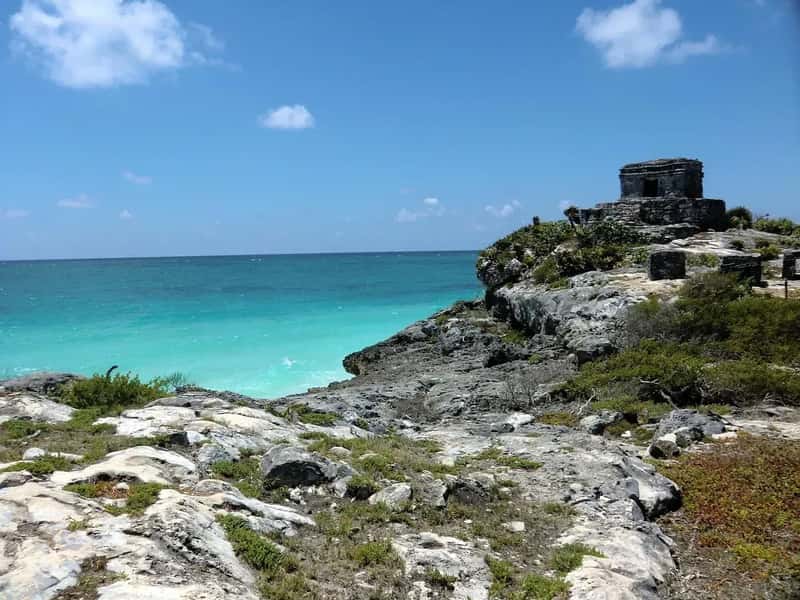
Tulum went from bohemian beach town to bougie influencer playground faster than you can say “cenote.” Tulum got so expensive that tourism there collapsed in 2025 with some of the lowest-ever occupancy rates, which is almost poetic justice.
Many popular places in the Yucatan Peninsula, including Cancun and Tulum, are priced essentially at ‘Western’ levels as they are geared entirely towards tourists. A beach club day pass in Tulum can easily run you more than a nice dinner in Paris. Hotel rooms that once cost the equivalent of a hostel bed now demand luxury prices.
The irony is thick. Everyone flocked to Tulum because it was supposed to be the affordable, authentic alternative to Cancun. Now it’s more expensive than the place it was meant to replace. The eco-chic aesthetic comes with a price tag that would make a Parisian boutique hotel owner blush. Let’s be real – you’re paying premium prices for sand in your bed and spotty WiFi.
Santorini, Greece: Where Blue Domes Cost Gold
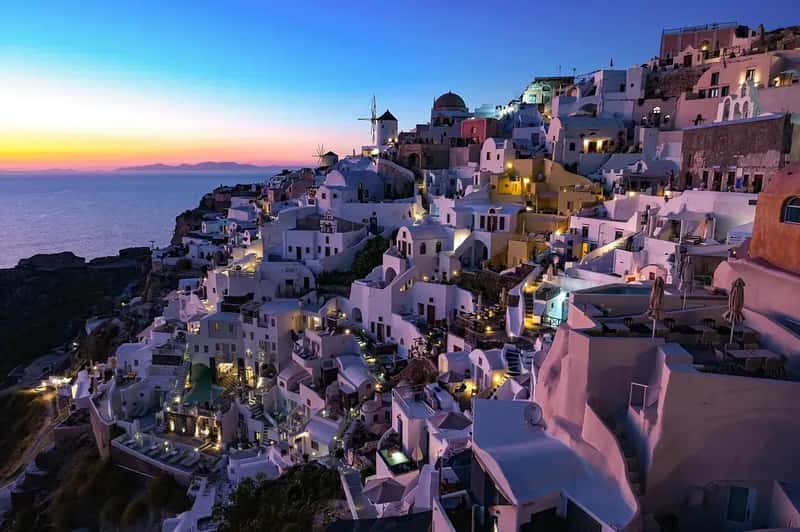
In 2024, Santorini reports of up to 18,000 cruise passengers overwhelmed the island daily, straining resources for its 15,000 residents. The caldera views remain breathtaking, but so are the prices you’ll pay for them.
What was once an affordable Greek island escape has morphed into one of Europe’s priciest destinations. Hotels with those iconic views charge rates that exceed many Parisian five-star properties. Even a basic meal with a sunset view can cost significantly more than dinner at a charming Parisian brasserie.
The sheer volume of tourists has driven infrastructure costs through the roof, and businesses pass those expenses directly to visitors. Cave houses that backpackers once rented cheaply are now luxury suites. The transformation is complete – Santorini has priced itself into the premium tier, leaving budget travelers to admire it only through their Instagram feeds.
New Zealand: Nature’s Premium Subscription
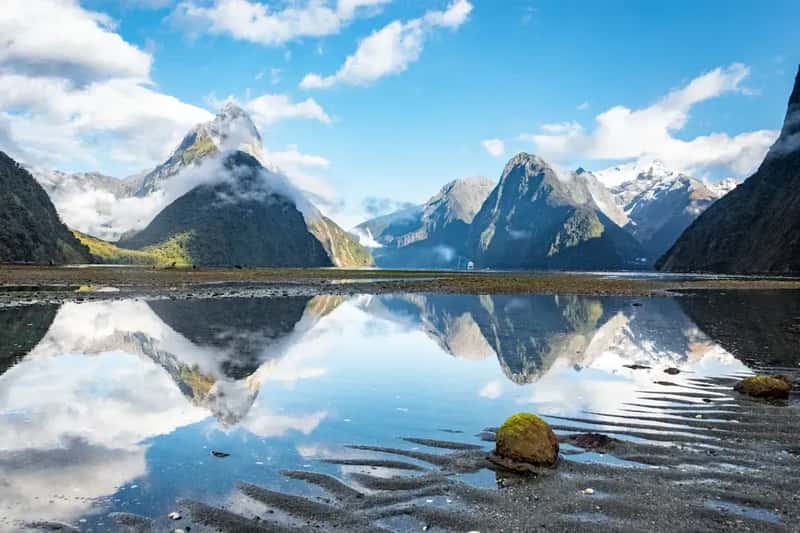
New Zealand always had a reputation for being remote, but it also used to offer decent value once you got there. Not anymore. The country has become one of the world’s most expensive travel destinations, with daily costs that can easily surpass Paris by a significant margin.
Accommodation, food, transportation, and activities all carry hefty price tags. A simple hostel bed in a major city costs what you’d pay for a budget hotel room in Paris. Rental cars, petrol, and campgrounds all demand premium prices. Even the famous hiking trails now require advance bookings and fees.
The weak currencies of major tourist origin countries haven’t helped matters. What locals consider normal pricing feels astronomical to international visitors. Sure, the landscapes are otherworldly, but you’ll pay otherworldly prices to experience them. It’s hard to say for sure, but many travelers now find themselves choosing between New Zealand and multiple European countries – and Europe wins on value.
Copenhagen, Denmark: Hygge Comes at a High Cost
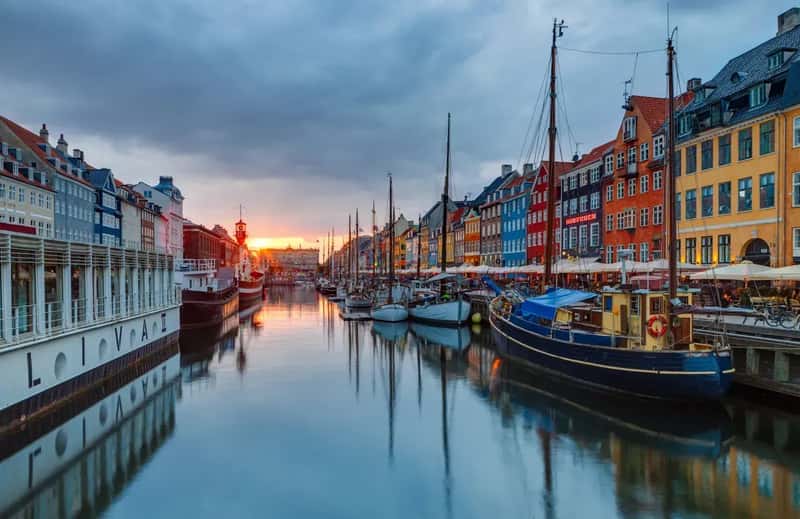
Copenhagen’s reputation for being expensive is well-earned, and it’s only gotten worse. This Scandinavian gem now regularly ranks among the world’s most expensive cities, making Paris look like a bargain by comparison.
A simple lunch at a café can cost nearly double what you’d pay in Paris. Accommodation prices are eye-watering, even in budget options. Public transportation, while excellent, comes with premium pricing. Even visiting the famous Nyhavn harbor for a drink requires serious financial commitment.
The Danish concept of hygge is wonderful – that cozy, convivial atmosphere is real. However, experiencing it authentically means spending money like a local, and Danish locals have some of the highest disposable incomes in Europe. For international visitors, the math simply doesn’t work out favorably. You’ll get hygge, just prepare to sacrifice your wallet for it.
Tokyo, Japan: The Weak Yen Illusion

Here’s where things get interesting. Japan experienced a weak yen in 2024 and 2025, which should have made it cheaper. Instead, the massive surge in tourism, combined with inflation and capacity constraints, has kept Tokyo surprisingly expensive in practical terms.
While you might get favorable exchange rates, the on-the-ground reality tells a different story. Hotels are perpetually booked, driving up prices. Popular restaurants require reservations weeks in advance or charge premium walk-in rates. Tourist attractions have implemented new fees and restrictions to manage crowds.
Japan, facing an all-time high of 36 million visitors in 2024 (and a projected 60 million by 2030), is considering tourism and bathing taxes to maintain its infrastructure and protect cultural heritage. The dream of affordable ramen and budget capsule hotels remains largely that – a dream. Tokyo delivers incredible experiences, but budget accordingly, because you’re not getting away cheaper than Paris anymore.
Morocco: Marrakech’s Mounting Costs
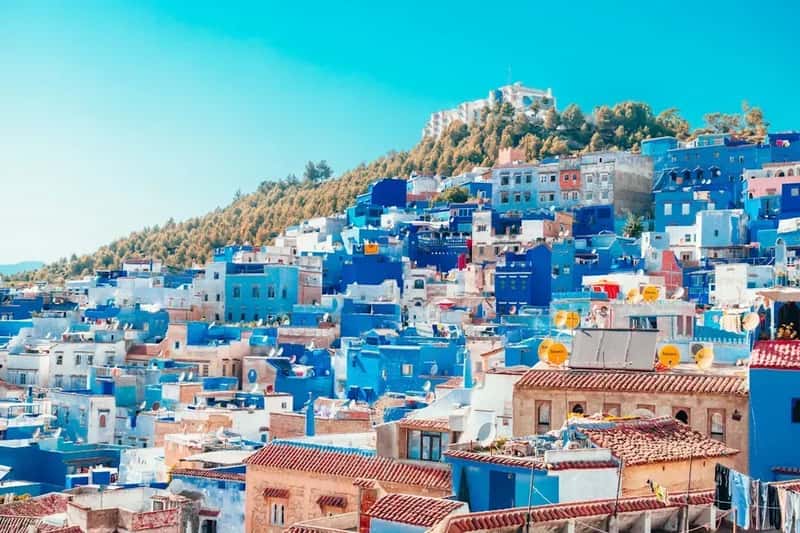
Marrakech was the gateway to Africa that wouldn’t break the bank. The souks, the riads, the tagines – all relatively affordable. That narrative is shifting as Morocco capitalizes on its popularity with European and North American travelers.
A budget option for a riad in central Marrakech cost $46 per night in 2026, and that’s on the lower end for anything decent. Popular areas have seen prices climb steadily as demand increases. Restaurants targeting tourists charge increasingly Western prices.
The experience of haggling in the souks remains, but even street vendors have adjusted their starting prices upward, knowing tourists will pay. Activities like hot air balloon rides and desert tours command premium rates. Morocco still offers value compared to some destinations, but the gap between it and Paris has narrowed considerably. The exotic appeal remains, yet the exotic pricing has arrived too.
Destination Burnout: What This Means for Future Travel
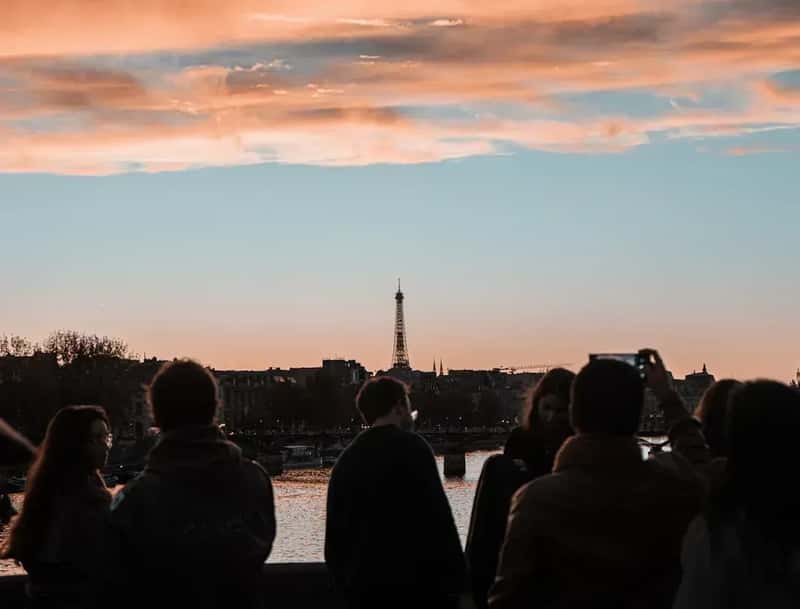
Although 2024 marks an inflection point in overtourism, with a record $1.9 billion in tourism spending, the trend was long in the making. The pattern is clear – hidden gems don’t stay hidden or affordable for long in our hyper-connected world.
Social media accelerates the cycle dramatically. A destination gets discovered, influencers flood in, prices skyrocket, infrastructure struggles, and locals get pushed out. Within a few years, what was once a budget traveler’s secret becomes a luxury destination that costs more than the traditional tourist hubs it was supposed to replace.
Tourism revenues are now being put into citizen-benefit projects, with destinations using regulation to stabilise tourism, not deter it entirely, prioritising sustainability, residents’ quality of life and visitor experience. The silver lining? Some places are finally implementing sustainable tourism practices. Paris, meanwhile, remains expensive but at least you know what you’re getting – world-class infrastructure, endless cultural offerings, and systems built to handle millions of visitors. Sometimes the devil you know is worth the euros you’ll spend. What would you have guessed – that sticking with classic destinations might actually offer better value than chasing the next undiscovered paradise?