Traveling through airport security has become a complex dance of rules, regulations, and unspoken guidelines. While most passengers focus on packing liquids correctly or removing laptops from their bags, there’s another factor that can instantly put you on TSA’s radar – what you’re wearing. From sparkly holiday sweaters to oversized hoodies, certain clothing choices can trigger additional screening, delays, and even suspicion from security officers. Understanding these wardrobe pitfalls can save you valuable time and stress during your next trip.
Baggy and Oversized Clothing Raises Red Flags
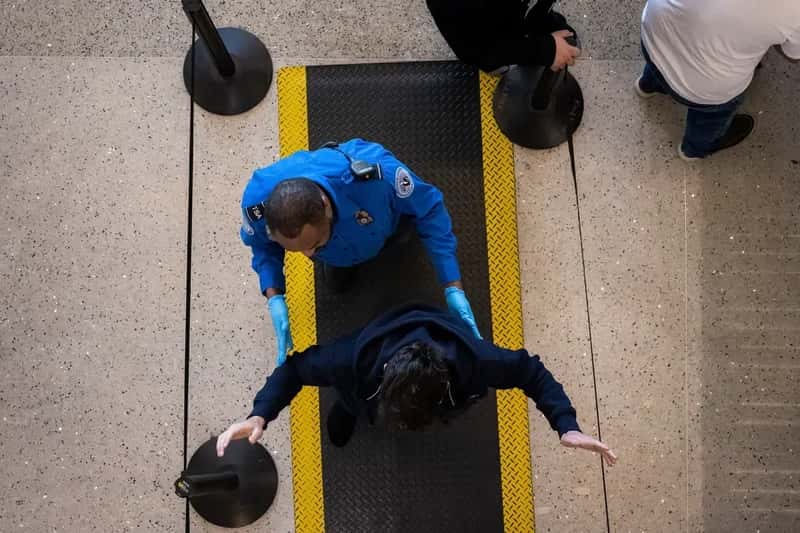
The TSA officially defines bulky clothing as garments that are very loose or don’t conform to the contour of the person, including oversize pullover hoodies, large sweaters, cardigans, and ponchos. If travelers cannot or are not willing to remove these items, additional screening may occur. This policy exists because loose-fitting clothing can easily conceal prohibited items underneath, making it impossible for body scanners to get a clear reading of what you’re carrying on your person.
Oversized hoodies, baggy pants with numerous pockets, voluminous skirts, or excessively large coats will likely result in additional screening, as baggy clothing has historically been used to hide contraband. Travel experts note that wearing bulky or especially oversized clothing can look suspicious to TSA, leading to a pat-down. The concern is practical rather than judgmental – security officers need to ensure that what appears on the scanner matches what travelers are actually carrying.
Sparkly and Metallic Fabrics Trigger Body Scanners
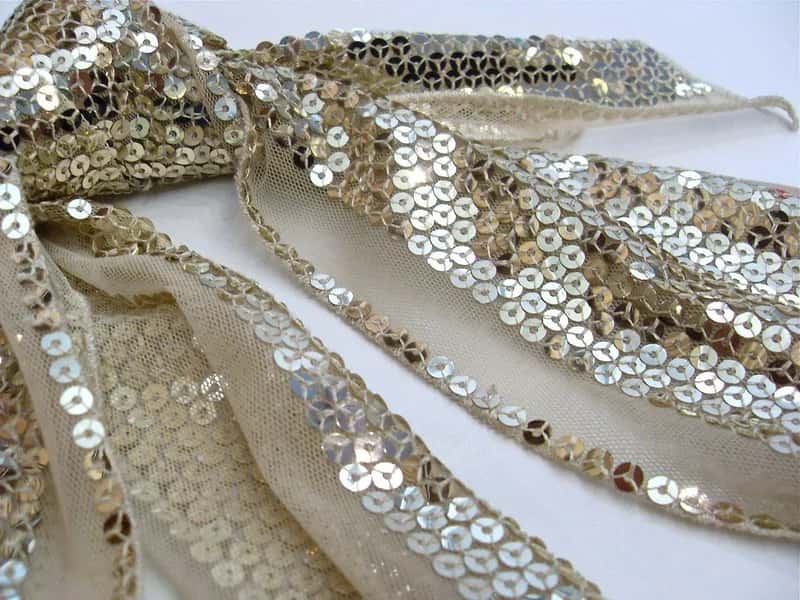
TSA issued a warning regarding festive clothing containing glitter, sequins, or metallic threads, noting that these materials frequently trigger body scanner alarms, resulting in mandatory manual pat-downs and significant delays. In a Facebook post on December 18, 2025, the agency told passengers that “The body scanners don’t love sparkles,” singling out festive clothing common at the end of the year: sweaters with glitter, sequins, metallic threads, rhinestones, or other shiny add-ons. The reflective nature of these materials confuses advanced imaging technology, which interprets the sparkles as potential concealed objects.
The delay from wearing sparkly fabrics can be 20 minutes or more at the checkpoint. TSA projected screening 44.3 million travelers between December 19, 2025, and January 4, 2026, which means even a few extra minutes per person can create massive backups during peak travel periods. Security experts recommend packing sparkly outfits in your carry-on bag and changing after you clear security rather than wearing them through the checkpoint.
Clothing Inappropriate for Weather or Destination
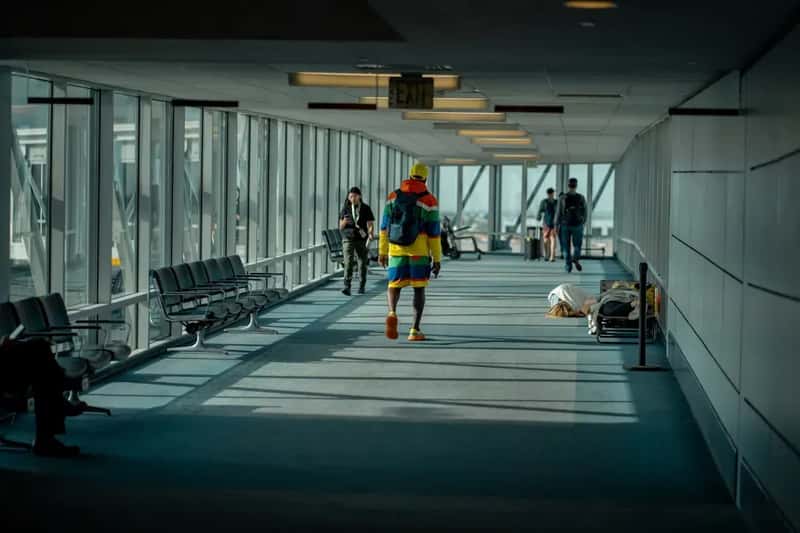
If someone shows up in clothing that doesn’t fit the current weather or that of the expected destination – say someone is wearing a thick winter coat in the middle of July – airport security agents are trained to notice such inconsistencies because they could be a means to disguise or conceal something illegal or dangerous. This security approach is known as behavior detection, which focuses on verbal and non-verbal behavior to identify persons who may pose a threat to security, according to a Joint Research Center publication. Wearing a heavy parka when traveling to a tropical island or multiple layers in summer sends an immediate signal that something might be amiss.
If you’re dressed in bulky jackets in a warm climate, you might be saying hello to a pat-down session. The mentality of security officers is that wearing unusual or impractical clothing is a potential sign that someone might be dangerous. While not everyone dressed inappropriately for the season has malicious intent, TSA officers are trained to identify patterns that deviate from normal traveler behavior, and out-of-season clothing is one of those markers.
Metal Elements and Complicated Accessories
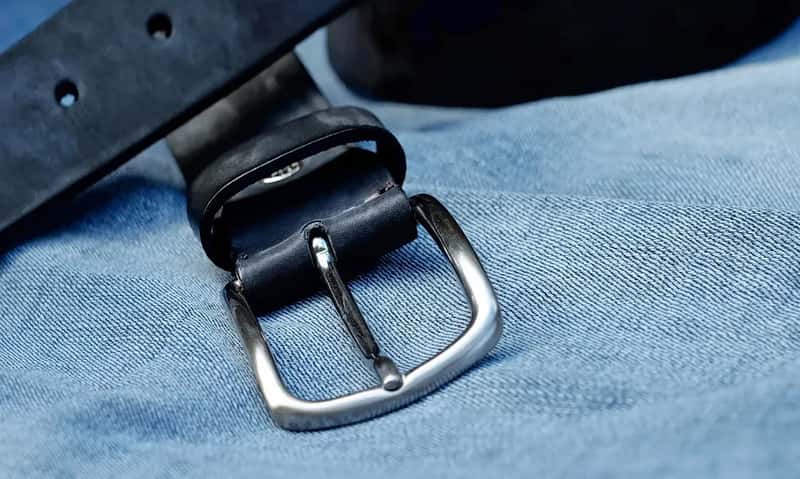
Metal is the biggest enemy when passing through airport metal detectors, as clothing accessories or features made of metal easily trigger alarms and may make an agent check you more closely. Clothing with significant metal components will immediately catch TSA attention, including shirts with metal buttons, pants with decorative metal studs, and jackets with large metal zippers. Even items travelers don’t typically think about – like underwire bras, metal-reinforced shoes, boots with metal shanks, and athletic wear with metallic threads – can set off detectors.
Oversized necklaces, belt buckles, buckles on boots, and underwire bras are all known to trigger the same screening mechanisms as sequins and sparkles. It’s helpful to stay away from clothing that has too many pockets, zippers, or metal adornments, which can set off the alarm or make screening slower. Travel professionals suggest choosing slip-on shoes without metal components and minimizing jewelry when heading to the airport to streamline the screening process.
Other Unexpected Clothing Triggers

TSA confirmed that added moisture from a person’s body can alter the density of clothing, so it is possible perspiration may cause Advanced Imaging Technology machines to alarm. TSA notes that baggy or layered clothing, zippers or reflective materials, and improper foot positioning can also trigger alarms. Even excessive sweating in areas like the groin or underarms can create an anomaly on body scanners that requires resolution through additional screening or pat-downs.
Agents may pull travelers aside for additional screening if they perceive a threatening or questionable message on their T-shirt, and travelers sporting baggy apparel may be subject to a pat-down inspection if the agent thinks clothing might be concealing prohibited items. Simple choices like wearing light, breathable fabrics, avoiding excessive layers, and choosing clothing without aggressive slogans or imagery can significantly reduce your chances of being flagged for secondary screening at airport security checkpoints.