Ask a room full of people to name the country with the most lakes, and you’ll likely get shrugs, guesses about Scandinavia, or maybe a stab at Russia. The real answer sits quietly to the north of the United States, mostly overlooked despite holding a share of the planet’s fresh water that borders on the absurd. It’s a geographic fact hiding in plain sight, tucked beneath a reputation built more on maple syrup and hockey than hydrology.
What makes this even stranger is that the numbers involved aren’t small or debatable rounding errors. They’re staggering by any measure, and once you start digging into how this happened, the story turns into one of ice, time, and geology working together on a scale that’s hard to picture.
The country in question: Canada
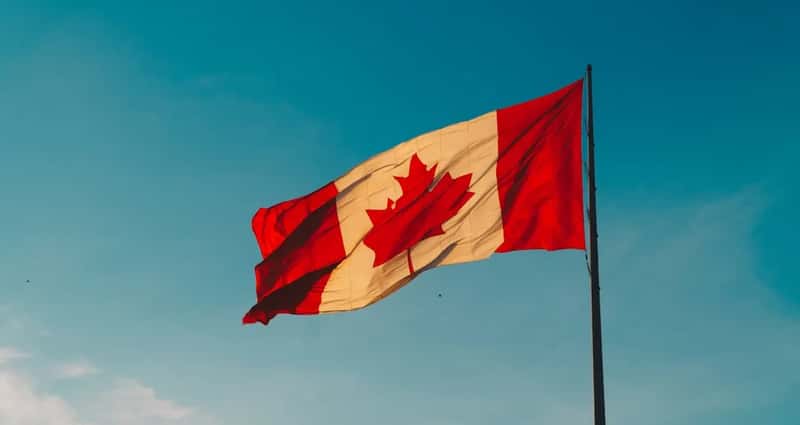
Canada holds the title, and it isn’t close. Canada has a larger number of lakes than any other country, with the amount ranging between 880,000 lakes measuring 10 hectares and larger, and as many as 2,000,000 when smaller bodies are included.[1] That range itself tells you something about how hard these things are to count precisely.
Even using the most conservative counting method available, the gap over the next closest nation is enormous. Using the common scientific cutoff of lakes 0.03 square miles or larger, the United States has about 111,119 lakes while Canada has 879,800, meaning Canada has roughly eight to nine times more lakes than the U.S.[2] No other country comes close to that density of standing fresh water.
Why nobody can name it
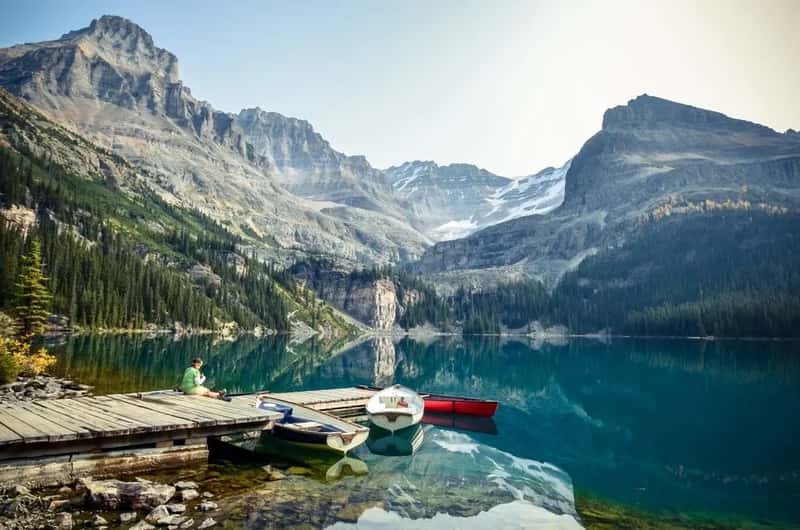
Part of the puzzle is that lakes simply aren’t what people associate with Canada first. Mountains, snow, wildlife, and cold weather dominate the mental image, while the sheer number of lakes gets buried under more famous features like the Rockies or Niagara Falls. Most of these lakes are also remote, sitting in provinces and territories that see very few visitors compared to the handful of postcard-famous spots.
There’s also a numbers problem that makes the fact hard to grasp intuitively. A figure like two million lakes doesn’t register the way “the biggest desert” or “the tallest mountain” does, because it’s too abstract to visualize. It’s a statistic that sounds exaggerated even when it’s accurate, which may be exactly why it doesn’t stick in people’s minds.
How ice built a nation of lakes
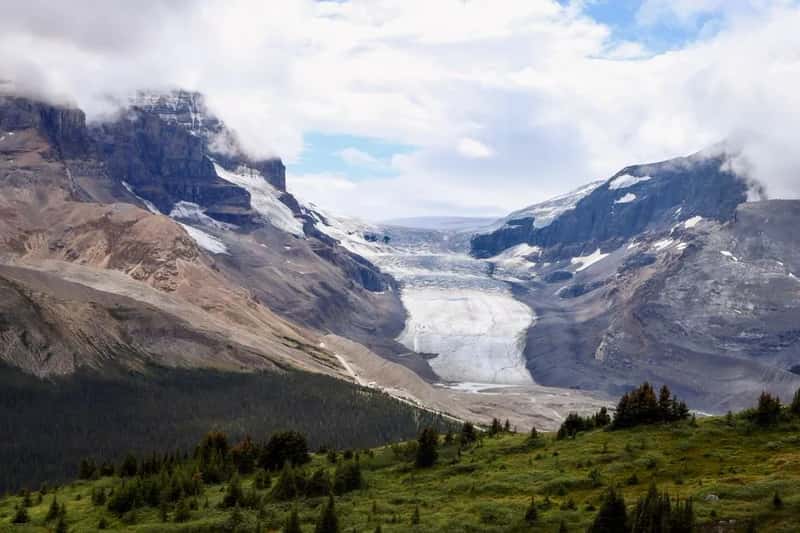
The explanation traces back to the last Ice Age and the glaciers that once covered nearly all of what is now Canada. Much of Canada’s landscape was shaped by glaciers during the last Ice Age, and as they retreated, they left behind countless depressions that filled with water, creating lakes of every size imaginable.[3] This process, called glacial scouring, gouged out basins in bedrock that had nowhere to drain properly once the ice melted.
The terrain is still responding to that ancient weight. Areas once pressed down by kilometers of ice are gradually rising back up in a process geologists call isostatic rebound, which continues to slowly reshape drainage patterns across the country even now. It’s a reminder that the landscape most people think of as fixed is still quietly settling from an event that ended thousands of years ago.
The scale of Canada’s freshwater
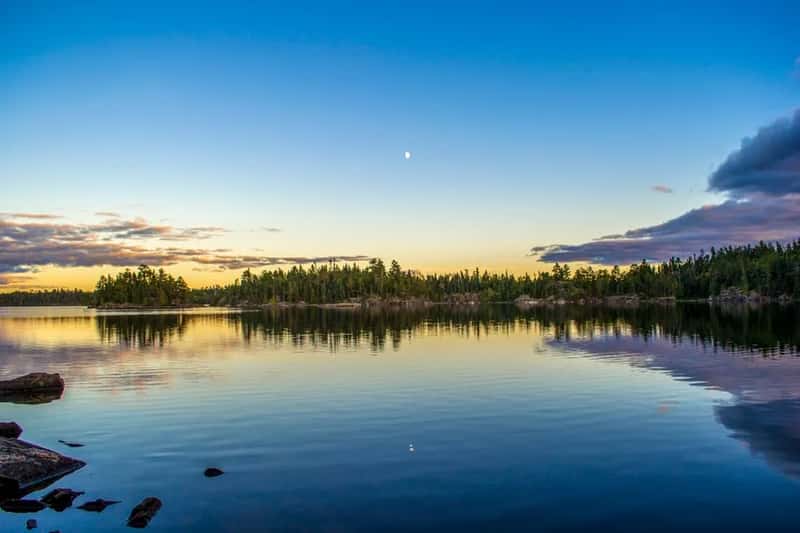
The lake count is impressive on its own, but the actual water coverage is equally remarkable. About 7.6% of Canada’s nearly 10 million square kilometers is covered by freshwater, and these lakes and rivers contain enough water to flood the entire country to a depth of over 2 meters.[4] That’s not a hypothetical exercise; it’s a real measure of just how saturated the landscape is with standing water.
Zooming out to the global picture makes the numbers even more striking. Canada’s landmass contains approximately 20% of the world’s total freshwater resources, though only about 7% of the global renewable freshwater supply.[5] The distinction matters because much of that water is locked in forms that aren’t easily accessible or replenished quickly.
The Great Lakes factor
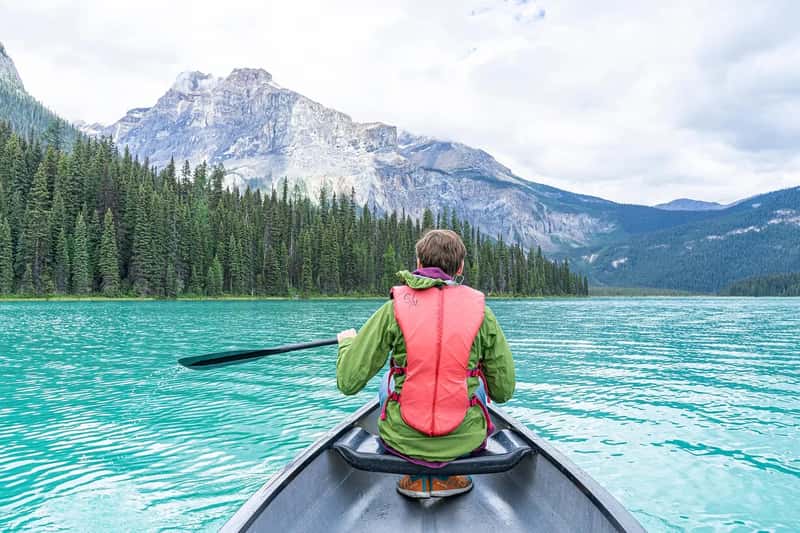
No discussion of Canadian lakes is complete without the Great Lakes, even though they’re shared territory. Canada has more lake area than any other country in the world, with 563 lakes larger than 100 square kilometres, and the Great Lakes alone, straddling the Canada-U.S. boundary, contain 18% of the world’s fresh lake water.[6] That’s a single lake system responsible for nearly a fifth of all the fresh surface water sitting in lakes worldwide.
The Great Lakes get plenty of attention in their own right, largely because of the cities built along their shores. Yet they represent only a fraction of Canada’s total lake inventory, most of which lies scattered across the country’s northern reaches where almost nobody lives and even fewer people ever visit.
Great Bear, Great Slave, and the giants up north
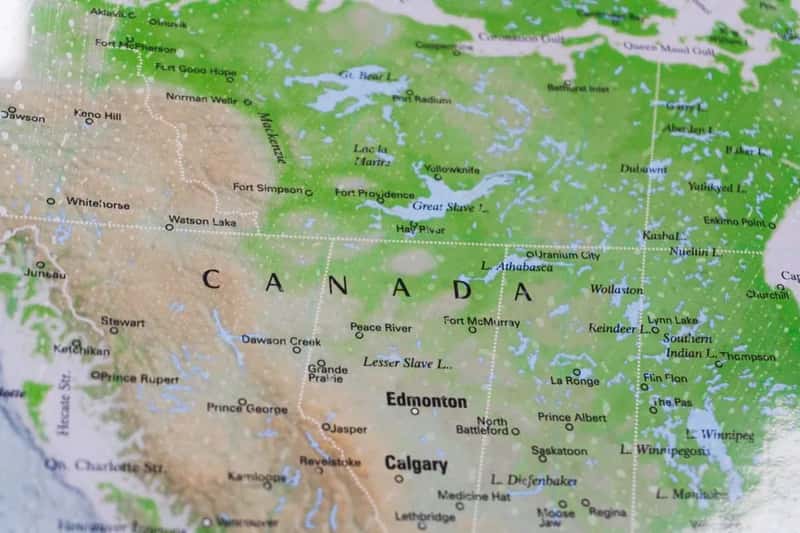
Beyond the Great Lakes, Canada’s own interior holds some genuine giants. The Northwest Territories is home to Canada’s largest lake, Great Bear Lake, measuring over 30,000 square kilometers, while the deepest Canadian lake is Great Slave Lake, also in the Northwest Territories, with a maximum depth of 614 meters.[7] For comparison, that depth is deeper than most skyscrapers are tall.
These northern lakes rarely make it into travel brochures because they’re difficult to reach and surrounded by boreal forest rather than resorts. Great Bear Lake in particular sits largely undeveloped, which has kept its ecosystem, including some of the largest lake trout on record, remarkably intact.
How the count actually works
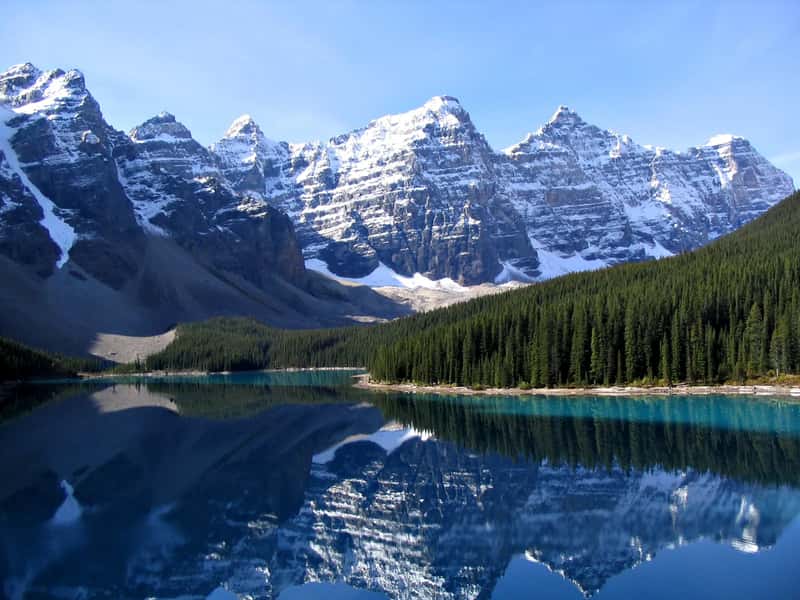
Counting lakes sounds simple until you try to define what actually counts as one. Canada’s government defines a lake as a sizable water body surrounded by land and fed by rivers, springs, or local precipitation, though determining a region’s total number and volume is described as one of the most fundamental unresolved questions in the study of freshwater, known as limnology.[8] Different size thresholds produce wildly different totals, which is why estimates for Canada bounce between roughly 880,000 and 2 million depending on the source.
This isn’t unique to Canada, but the scale of the country’s territory makes the uncertainty more visible. Scientists using satellite mapping and databases like HydroLAKES have tried to standardize the count, yet even the most rigorous studies acknowledge that the smallest ponds and seasonal pools are nearly impossible to track comprehensively across such a vast area.
Setting the record straight on exaggerated claims
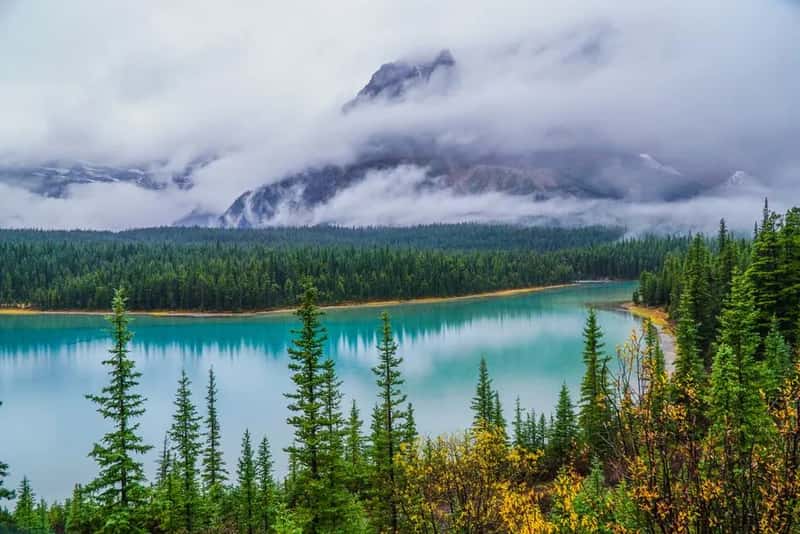
A popular claim floating around online says Canada has more lakes than every other country combined, and while it’s a compelling line, the actual data doesn’t fully support it. Canada is not home to more lakes than the rest of the world combined, though it does have more lakes than any other individual country, since Hydrolakes reported Canada has 863,550 lakes measuring over 24 acres while the rest of the world has at least triple that amount.[8] The distinction matters for accuracy, even though it doesn’t diminish how dominant Canada’s position remains.
What’s true without any caveat is Canada’s standing as the single largest lake-holding nation on Earth. No other country, no matter how you slice the size thresholds, comes anywhere close to matching that total, which keeps the country firmly in first place regardless of which specific claim gets debated online.
Where the lakes actually sit
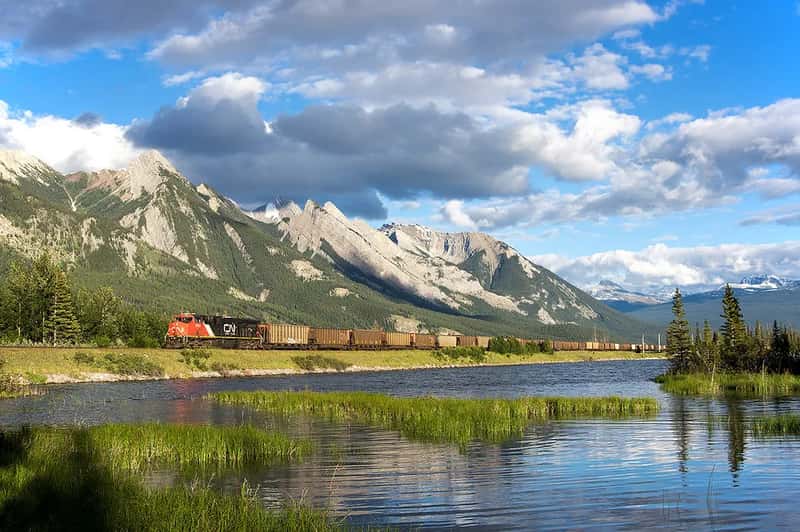
The distribution of these lakes isn’t even across the country, and that unevenness is part of why so few outsiders picture it accurately. Ontario alone contains more than 250,000 lakes, including those forming part of the Great Lakes.[9] That single province holds more lakes than most entire countries manage to claim.
Other provinces and territories, particularly Manitoba, Saskatchewan, and the Northwest Territories, contribute massive numbers as well, though with far less name recognition than Ontario’s cottage country lakes. The far north holds some of the largest and least disturbed lakes in the country simply because population pressure there has always been minimal.
How Canada compares to other lake-rich nations
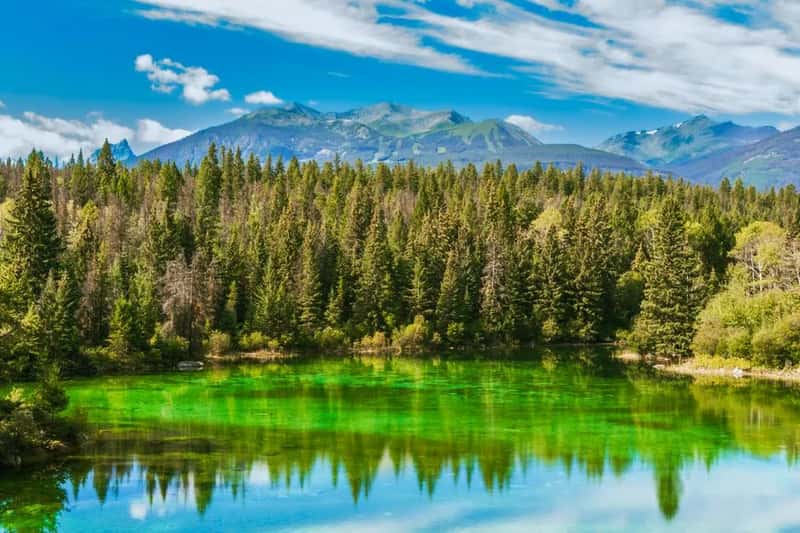
Finland has built an entire tourism identity around lakes, and Russia’s sheer landmass gives it enormous freshwater holdings too. Finland is often called the Land of a Thousand Lakes, though it actually has around 188,000, while Sweden also has tens of thousands, impressive numbers but nowhere near Canada’s total.[3] Even Russia, despite its size, doesn’t approach Canada’s lake density once glacial history and terrain are factored in.
What separates Canada from these other lake-heavy countries isn’t just quantity but the sheer emptiness surrounding most of its water bodies. Finland’s lakes are woven into daily life and dotted with cabins and communities, while a huge share of Canada’s lakes sit in areas with no permanent population at all, adding to why the scale rarely gets fully appreciated.
A resource facing real pressure
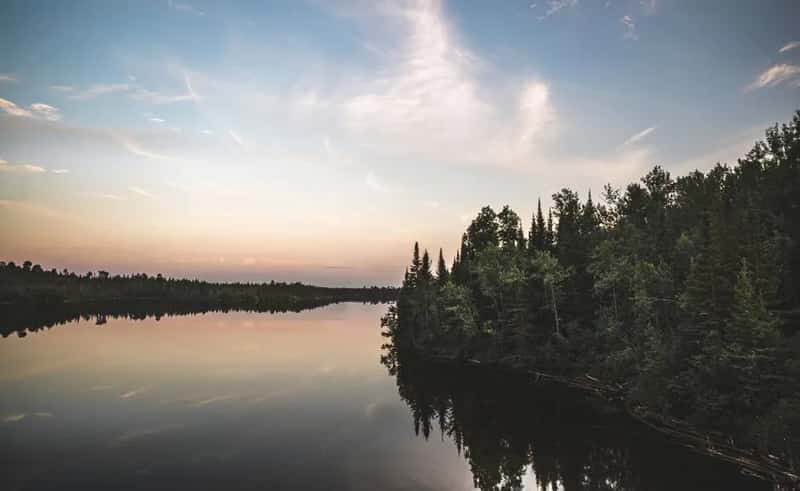
Abundance doesn’t mean invulnerability, and Canadian officials have been increasingly vocal about protecting this resource. Canada is home to 20 percent of the world’s freshwater reserves, including millions of lakes and rivers, yet fresh water in Canada is under increasing pressure from climate change, pollution, and other threats.[10] That statement, issued around World Water Day, reflects a shift in tone from simple pride toward active concern.
In response, the federal government has taken concrete steps rather than just issuing statements. A dedicated Canada Water Agency was created to protect this vital resource and ensure safe, clean, and well managed water for future generations.[10] Whether that effort keeps pace with warming temperatures and shifting precipitation patterns across the north remains an open question heading further into this decade.
Final thoughts
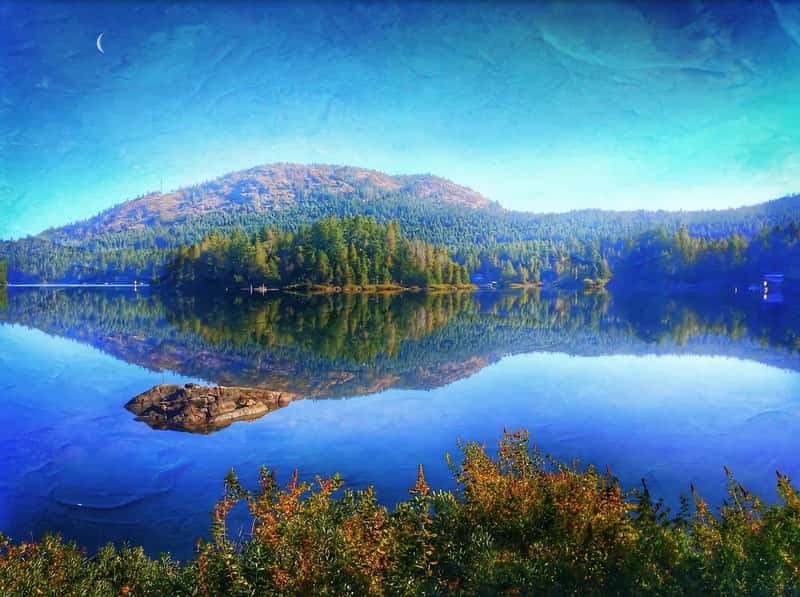
Canada’s lake count isn’t a trivia footnote; it’s a defining physical feature of the country, shaped by glaciers that retreated thousands of years ago and left behind a landscape unlike anywhere else on the planet. The fact that so few people outside the country can name it as the answer says more about how invisible remote geography can be than it does about the scale of the achievement itself.
Next time the topic of lakes comes up in conversation, the answer is worth remembering. It’s not hiding, exactly. It’s just sitting quietly under snow and forest across a landscape most of the world has never had a reason to look at closely.