Most people picture early boarding as a favor you have to beg for at the gate. In reality, a surprising number of ferry operators have written rules for older and mobility-limited riders, covering half-price fares, elevator lanes, reserved seats and boarding help. Almost none of it is announced over a loudspeaker.
But the fine print has a twist. Much of it depends on asking ahead, or on disability rather than your birthday, and even “priority boarding” doesn’t always mean what you’d expect. Here’s what the operators’ own pages actually say, starting with a discount you’ve probably walked right past.
#17 – The Half-Price Fare Nobody Announces at the Gate
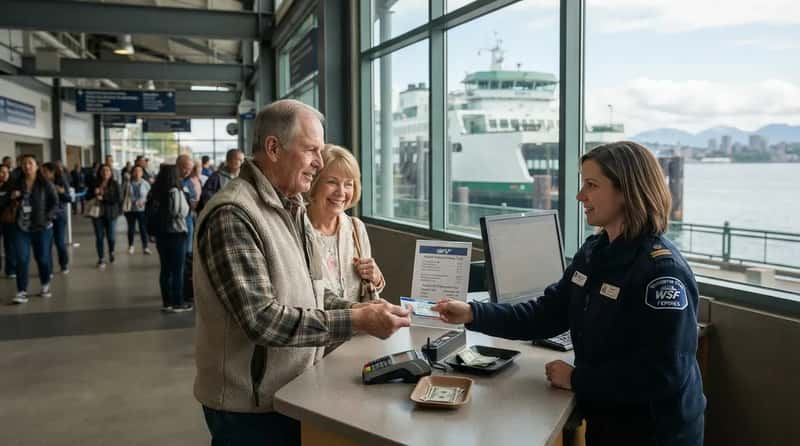
Plenty of older riders pay half what the person next to them pays. Washington State Ferries lists seniors 65 and over, riders with disabilities and Medicare cardholders at half the regular passenger fare. It’s a standing rule, not a favor, and you won’t hear it on the dock.
This is no small operation. Created in 1951, Washington State Ferries is the largest ferry system in the United States. The half rate is available at the terminal each time you travel when you show proof of age or disability. Nobody will do the math for you, so a rider who never asks simply pays full price.
But the half-price ticket has a trap that catches plenty of riders, and it’s waiting at #16…
#16 – The Kiosk Trap That Can Cost Seniors Full Fare
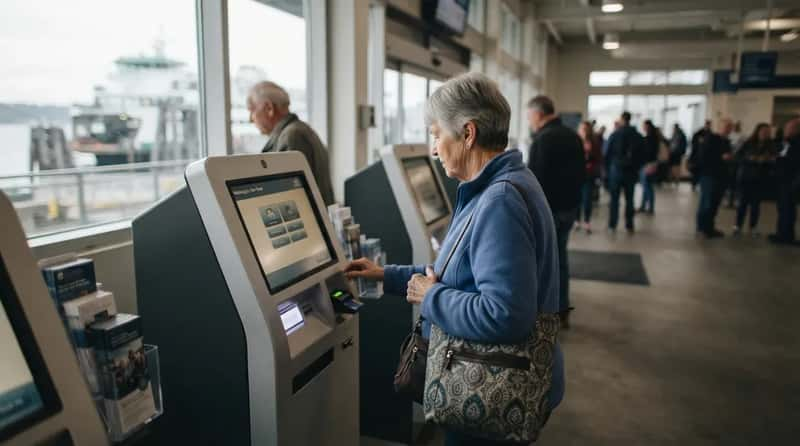
The cheapest ticket on the dock isn’t always the one the machine hands you. Washington State Ferries says seniors and riders with disabilities can get reduced fares, but they must buy tickets in person and show proof of eligibility. Full-fare walk-on tickets, meanwhile, can be bought by credit card at the terminal kiosk.
The proof requirements are specific. WSDOT’s accessibility guide lists a Medicare card among the accepted IDs, and says an accessible parking placard alone won’t work. A ReValue card lets you show proof once and then load five rides at a time, but each set of five expires after 90 days. Rules and prices change, so check the current terms before you travel.
At a Glance
- Reduced fares are bought in person, not at the kiosk.
- A Medicare card is among the accepted proofs of eligibility.
- An accessible parking placard on its own won’t do the job.
- ReValue cards load five rides at a time, and each set lasts 90 days.
Next up is a weekday perk that sounds almost too good to be true…
#15 – The Weekday Free Ride for Seniors in British Columbia
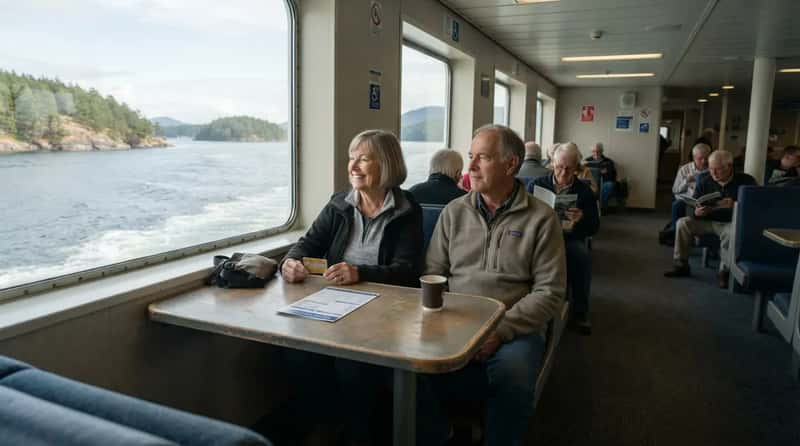
Some seniors in British Columbia don’t pay a passenger fare at all. A provincial resource says seniors 65 or older with a BC Gold Carecard or valid BC Services Card get a 100 per cent discount on passenger fares Monday to Thursday, excluding statutory holidays, on all routes except the northern ones.
On the northern routes, the same resource lists a 33 per cent senior discount on any day of the week. A BC Ferries Connector page also lists a Monday-to-Thursday senior benefit for BC residents 65 and over with valid BC ID, excluding select holidays. It does raise a fair question. If the best deal is midweek, does it quietly nudge older travelers onto the same sailings? Check BC Ferries’ current terms before you plan around it.
That’s the money side. The real boarding help starts at #14…
#14 – The Pre-Board Lounge Most Walk-On Riders Never See
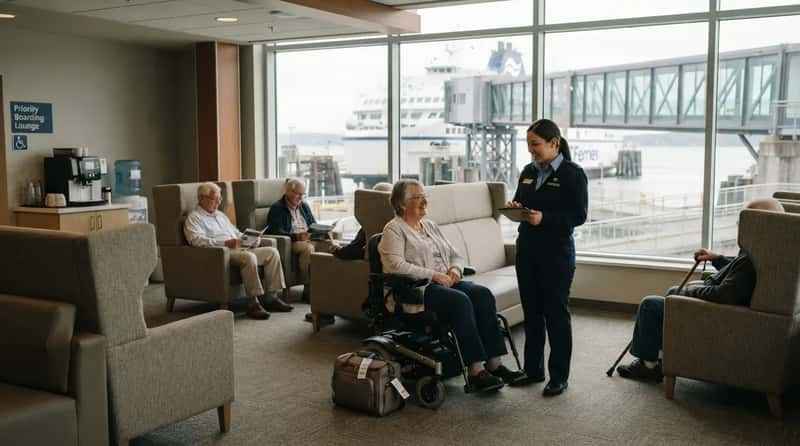
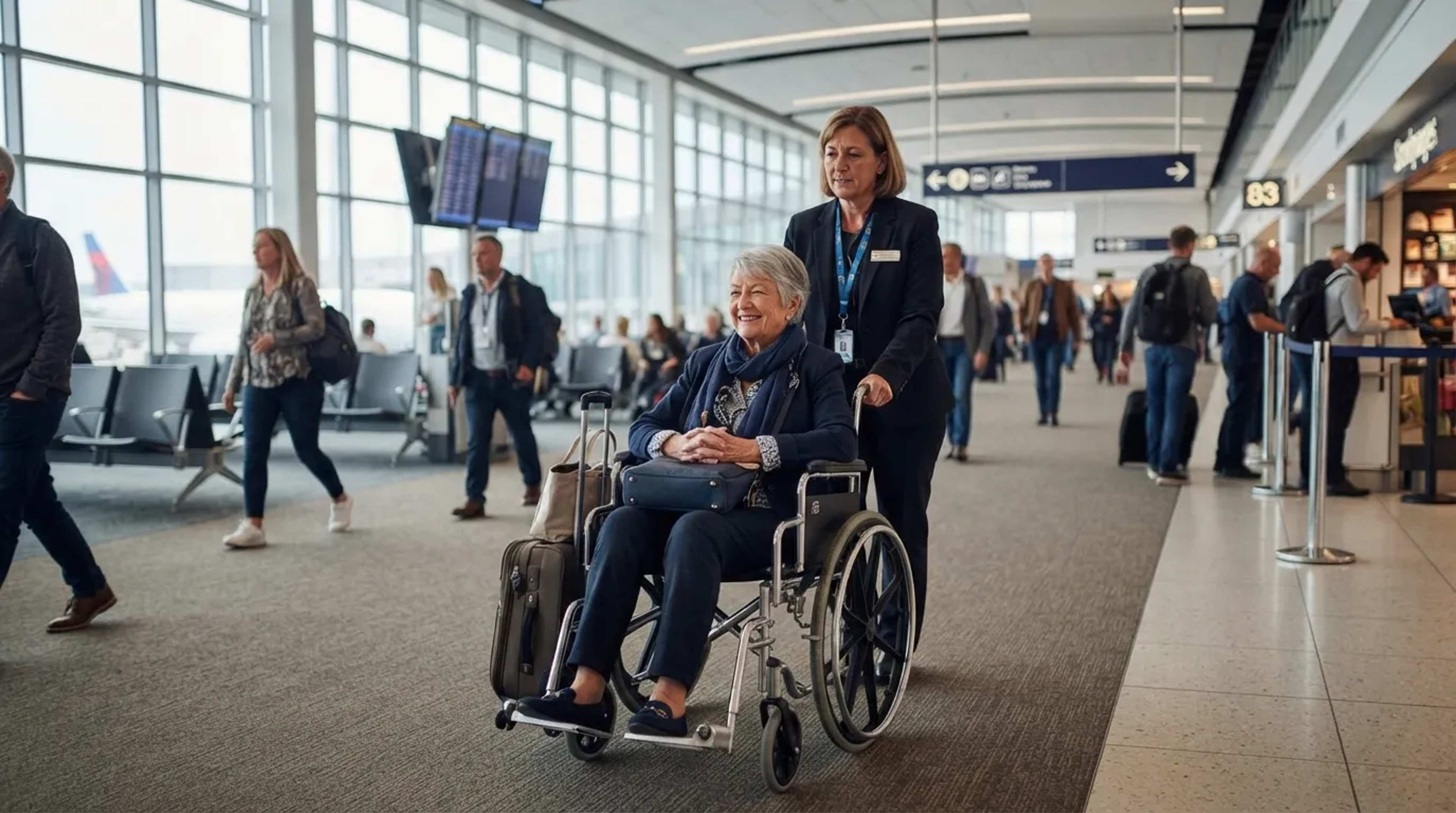
Some riders skip the main crowd entirely. BC Ferries says customers traveling without a vehicle who use its wheelchair assistance program must check their baggage in advance. They are then assisted to the pre-board lounge or the ship.
It isn’t a walk-up service. BC Ferries asks you to call at least 24 hours ahead to book a wheelchair or arrange assistance. It also notes that only a limited number of wheelchairs are available for boarding at its terminals. No call means no guarantee.
And the clock on that assistance is tighter than most people expect, as #13 shows…
#13 – Why Assisted Boarding Can Eat Up a Full Hour
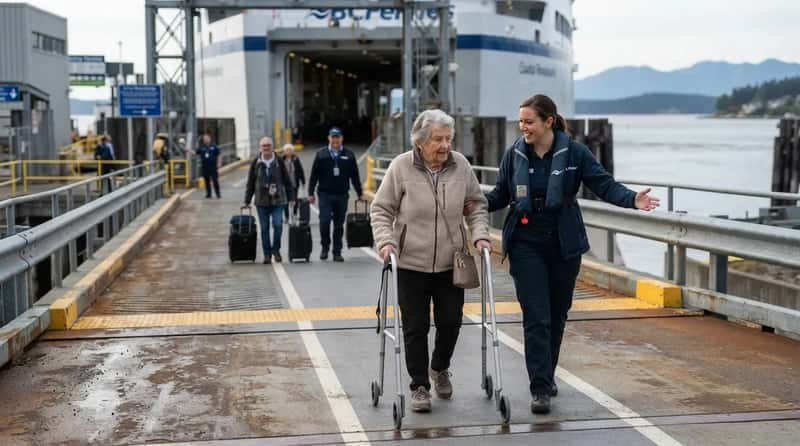
The “quiet arrangement” runs on a stopwatch. BC Ferries says it can take about 15 minutes to help one customer to the pre-board lounge or ship and return for the next. With three customers needing help on the same sailing, the process can take up to 45 minutes.
That’s why the guidance is blunt. BC Ferries asks those customers to arrive 60 minutes before the sailing. On the Comox–Powell River route, it likewise asks riders who requested boarding assistance to arrive at least 60 minutes before the scheduled sailing. Early boarding often starts with arriving early.
Now for a boarding trick that has nothing to do with the gangway…
#12 – The Elevator Lane Tucked Behind the Car Ramp
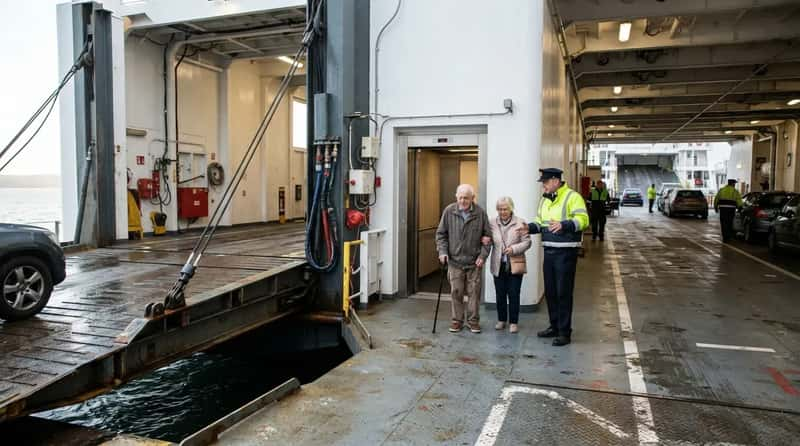
On some car ferries, the way to the elevator isn’t where you’d expect. The Steamship Authority says each of its passenger/vehicle ferries has elevators linking the vehicle deck to all passenger decks. Access is via the transfer bridge used to load vehicles.
There’s a timing rule too. Passengers who want the elevator should arrive 30 minutes before departure and tell a terminal agent they need it for boarding. The rule applies to anyone who wants the elevator, whether or not they’re traveling with a vehicle. A walk-on rider has to know to ask.
That request can be made before you even leave home, as #11 reveals…
#11 – The Checkbox on the Booking Page That Flags the Crew
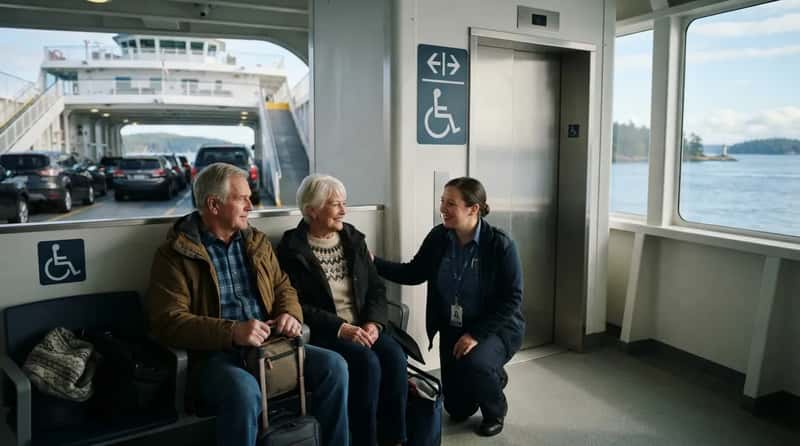
One tick box can change how your arrival goes. The Steamship Authority says that if you book online, you can check a box during checkout to say you’ll need help boarding and/or access to the vessel’s elevator.
That small step puts your need on record before you show up. For older riders who’d rather not explain themselves at a busy ramp, it’s the quietest arrangement of all. The Steamship Authority’s FAQ says its Reservation Office works with vehicle reservations that will need disability assistance. Use the box, and don’t assume anyone will guess.
Drivers get their own version of this trick, and it’s at #10…
#10 – The Car That Gets Loaded Right Beside the Lift
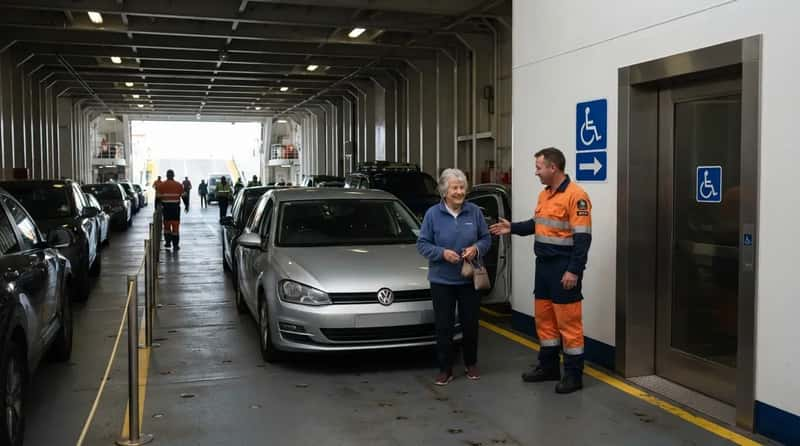
Where your car parks can decide how your trip goes. Discover Ferries notes that car deck space close to the lifts can be limited at busy periods. If a passenger needs the lift, they can tell operators when booking and their vehicle will be loaded in the lift lane.
This is UK-focused guidance, but the idea travels. Ferryhopper says Spanish ferries have designated car deck spots close to the lift for passengers with reduced mobility. Details vary by vessel, so tell the operator what you need when you book.
Worth Knowing
- Lift-side car deck space can run short at busy periods.
- The ask happens at booking, not at the ramp.
- Spanish ferries reserve spots near the lift for reduced-mobility passengers.
- Layouts vary by vessel, so confirm yours.
Back in the U.S., a different kind of request needs a supervisor, and #9 explains why…
#9 – The “Preferential Boarding” Request That Goes to a Supervisor
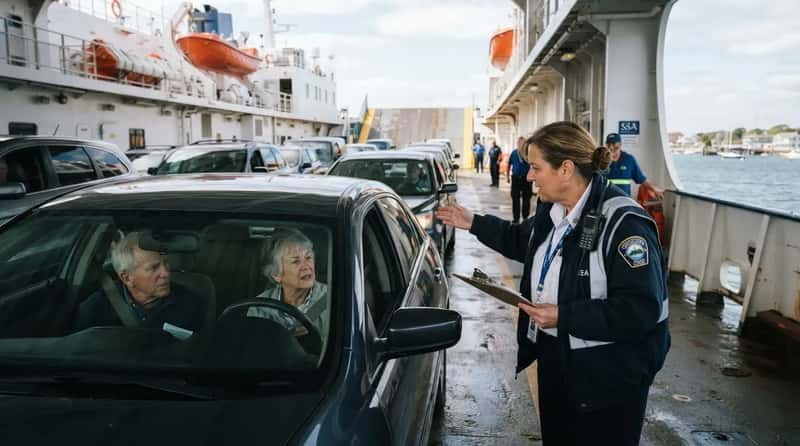
Sold-out sailings have a back door that most drivers never hear about. The Steamship Authority says that if you can’t get a vehicle reservation but must travel with your vehicle because of a disability, you can ask to speak with a supervisor about a special Preferential Boarding accommodation.
It matters because the default line is strict. If a vessel is expected to reach capacity, reservation holders board ahead of standby vehicles, and standby vehicles board ahead of walk-on passengers. Washington’s own rules also list who may skip the usual first-come, first-served order. Exceptions exist, but only for people who ask for them.
Once you’re aboard, the next perk depends on strangers, and #8 gets awkward…
#8 – The Seats Strangers Are Expected to Give Up
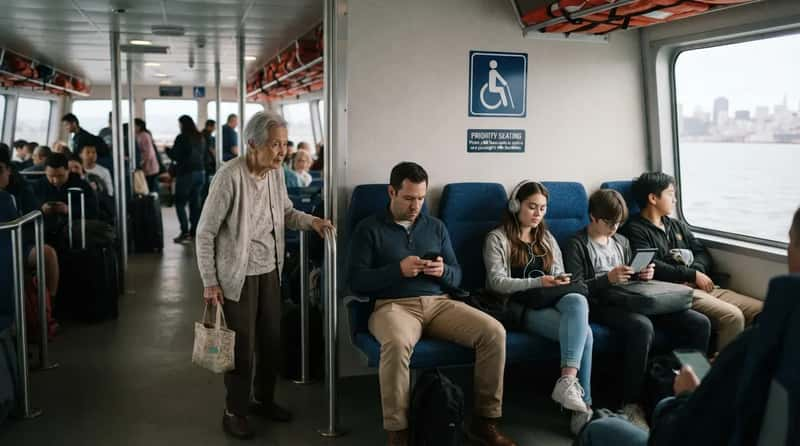
Some seats on a ferry come with an unwritten duty. The MBTA says priority seating is available on all of its ferries. Riders are expected to yield those seats to older adults and people with disabilities, but they can’t be forced to move.
Discover Ferries describes the same idea in the UK. Anyone can sit in the priority area, but those seats should be made available for passengers with disabilities, expectant mothers or the elderly. One 2026 roundup says Golden Gate Ferry crews may ask a non-disabled passenger to move when a senior boards. The rule works on courtesy, and courtesy doesn’t always show up.
Some ferries go further than seating, as #7 shows…
#7 – The Wheelchair Spots and Anchor Points Built Into the Lounge
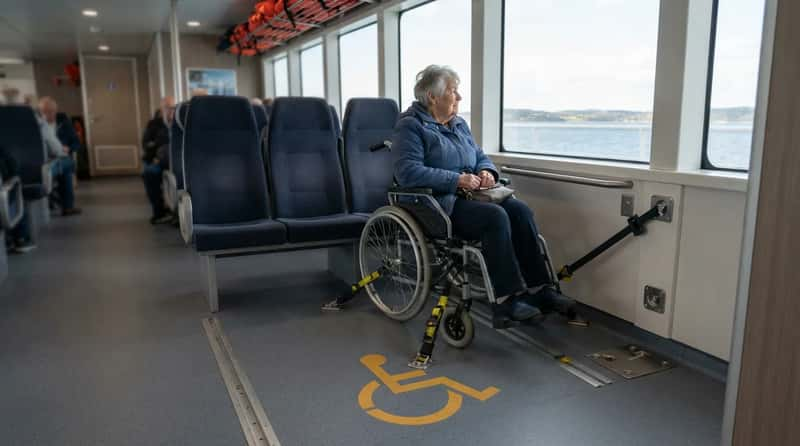
Some lounges are designed around mobility devices. The MBTA says designated seating areas for customers using wheeled mobility devices are available on some of its ferries. It also lists accessible floating docks and mobile bridge plates that span the gap between dock and ferry.
Spain takes the idea further. Ferryhopper describes lounge seats with seatbelts, folding armrests and straps, plus wheelchair anchor points both indoors and outdoors. MBTA ferry crews are trained to assist with boarding and exiting at each terminal. Features vary by route and dock, so ask what your sailing has.
Why It Stands Out
- Dedicated spaces for wheeled mobility devices, not just a spot in the aisle.
- Floating docks and bridge plates that close the dock-to-deck gap.
- In Spain, seatbelts, folding armrests and straps on lounge seating.
- Anchor points on both indoor and outdoor decks.
There’s also a surprising exception to the “everyone out of the car” rule, and it’s at #6…
#6 – The Exception That Lets Some Riders Stay in the Car
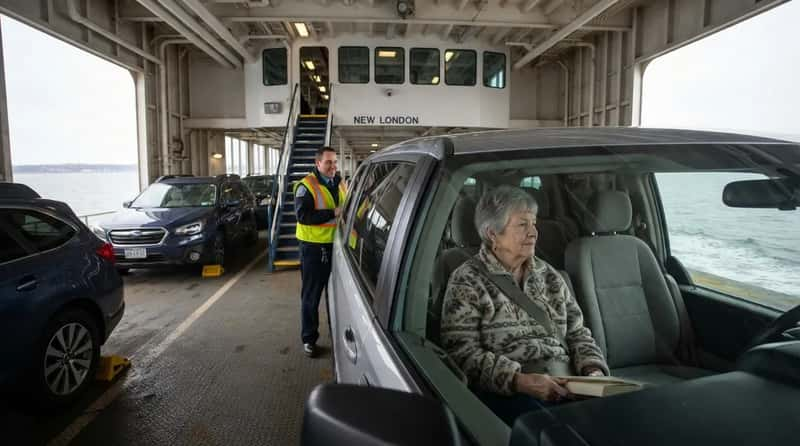
On most car ferries, everyone leaves the vehicle deck. Cross Sound Ferry notes that regulations require passengers to stay off the vehicle deck while the vessel is underway. But on the NEW LONDON, disabled passengers traveling with a vehicle may stay in it for the crossing.
The reason is practical. That ferry has no elevator or wheelchair access to the passenger deck or restrooms, and passengers must be able to climb stairs. A Turkish operator guide describes a similar arrangement: if the ferry has no working elevator, disabled passengers may stay in their own vehicles on the car deck if safety measures are taken. It’s an exception, not a standard rule.
That gap between boats is bigger than most people think, as #5 proves…
#5 – The Ship You Pick Can Matter More Than the Seat You Get
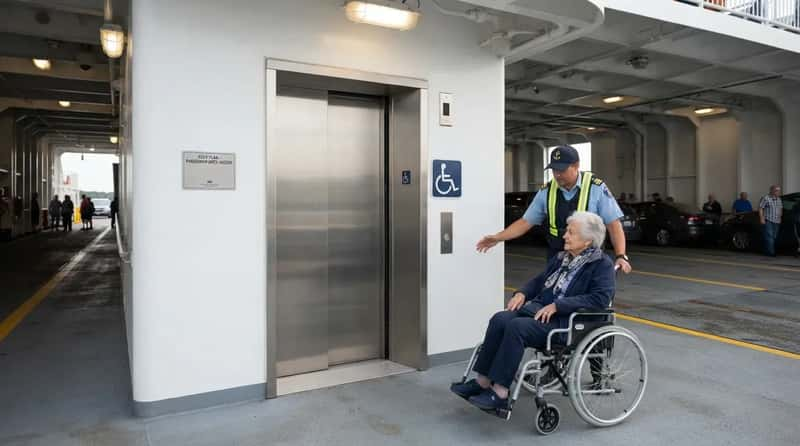
Two ferries from the same company can offer very different access. The Steamship Authority says all passenger areas of five named vessels are reachable by elevator. None of the passenger areas on the Gay Head and Katama are, so access to amenities is limited there.
Cross Sound Ferry makes the same point more forcefully. It “strongly recommends” that passengers needing assistance choose its more accessible vessels when making travel plans. Several of its vessels have a wheelchair lift from the vehicle deck to the main passenger cabin. The vessel is part of the plan, not an afterthought.
Quick Compare
- Steamship Authority, five named vessels: elevators reach every passenger area.
- Steamship Authority, Gay Head and Katama: no elevator access to passenger areas.
- Cross Sound Ferry, several vessels: a wheelchair lift runs from the vehicle deck to the main cabin.
- Cross Sound Ferry, NEW LONDON: no elevator or wheelchair access to the passenger deck.
Even a well-planned trip can unravel if you cut it too close, as #4 spells out…
#4 – The 15-Minute Line Where Lift Access Gets Shaky
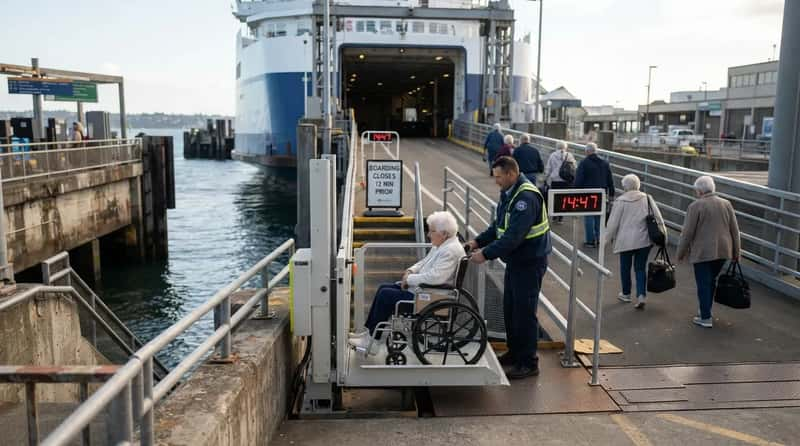
Showing up late doesn’t always mean missing the boat. It can mean missing the help. Cross Sound Ferry says a customer arriving less than 15 minutes before departure may still board if space permits, but access to the wheelchair lift or elevator may be limited.
Other operators set the bar higher. The Steamship Authority wants elevator users there 30 minutes before departure. One 2026 roundup says Washington State Ferries recommends walk-on passengers arrive at least 20 minutes before most sailings. The numbers differ by operator, and that’s the point.
Once you’re on, there’s one more piece of paperwork most riders never hear about, at #3…
#3 – The Emergency Card That Follows You Aboard
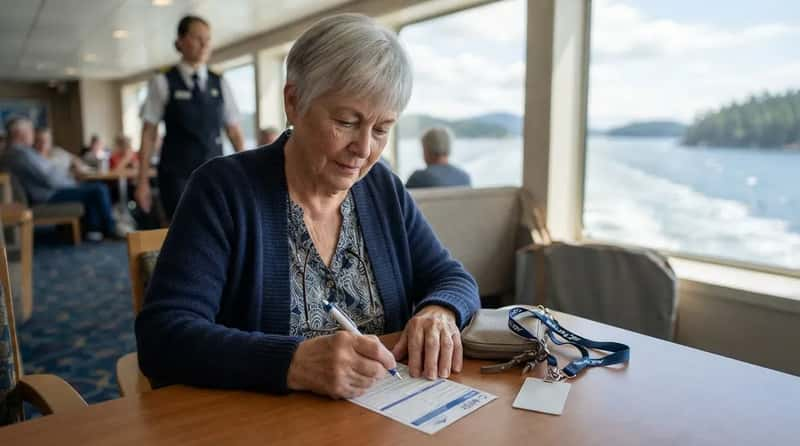
Some crews plan for the worst day before the sailing starts. BC Ferries asks passengers with disabilities who’d need special help in an emergency to tell the ticket agent on arrival. They can then discuss their needs with the Chief Steward, or ask for the First Officer once aboard.
It also hands out a tool. BC Ferries encourages passengers with disabilities to carry a C-MIST card, which lists specific needs in five areas: communication, medical needs, independence, supervision and transportation. It’s aimed at passengers with disabilities, not at seniors as a group. For anyone who qualifies, it’s a quiet way to make sure the crew knows what you need.
But the biggest surprise about “priority boarding” is hiding at #2…
#2 – Why “Priority Boarding” Doesn’t Always Mean First On
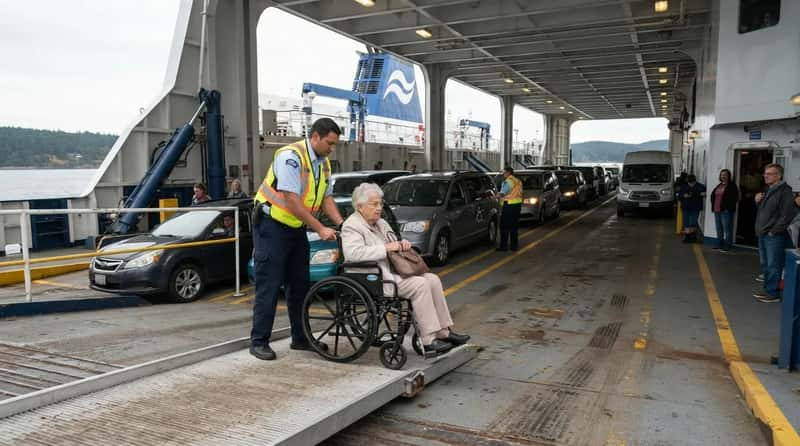
The phrase may promise more than the crews deliver. In older BC Ferries accessibility committee minutes, a staff member said priority boarding should really be called safe, coordinated boarding, because it may not guarantee first on or first off.
The logic is surprisingly practical. Staff found that loading wheelchairs is best done before large groups, while offloading is best done after a large group. That means a rider might board early and still leave last, and that’s by design. Those minutes are dated, so treat them as insight into the thinking, not as today’s rulebook.
And that brings us to the catch that ties everything together at #1…
#1 – The Catch: Most of It Depends on Asking, Not Aging
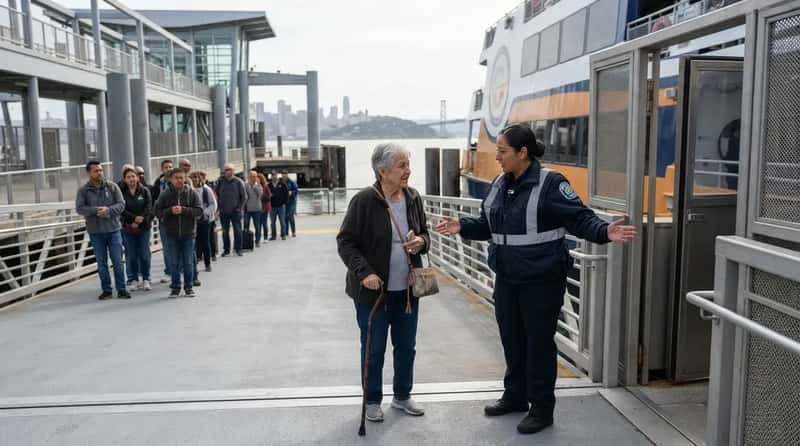
Here’s the part nobody puts on a sign. The strongest early-boarding help usually follows a request, and often a disability, not a 65th birthday. Ferryhopper says passengers with disabilities may board before or after everyone else, and can contact the ferry company in advance to arrange priority boarding.
A 2026 roundup makes the same point about Golden Gate Ferry. Pre-boarding there is available to individuals with disabilities, who tell a terminal assistant or the supervisor on duty, and the policy is tied to disability, not age alone. The same roundup warns that staff won’t lift you, and that assisted boarding can mean waiting for the next sailing. Nobody is hiding anything. They’re waiting for someone to ask.
So the “quiet arrangements” turn out to be ordinary, documented rules from operators like Washington State Ferries, BC Ferries, the Steamship Authority and the MBTA. The catch is that many of them hinge on disability, advance notice or an arrival window, and “priority” doesn’t always mean first on. Policies change and vary by route, so check your operator before you go.
The dock may look like a free-for-all, but plenty of the help is already written down. It just goes to the people who ask first.