There’s a small nation in the Eastern Caribbean where the math simply doesn’t add up the way you’d expect. A country with barely fifty thousand people has managed, over the span of a few decades, to hand out passports to a foreign population that rivals or exceeds its own citizenry. It sounds like a statistical error. It isn’t.
A tiny federation with an outsized passport business

Saint Kitts and Nevis is easy to miss on a map. It’s the smallest sovereign state in the Western Hemisphere, both in land area and population, with roughly fifty five thousand residents according to recent counts. Saint Kitts & Nevis is the smallest country in the Americas, both in size and population, with an area of 261 sq. km and a population of 54,961 inhabitants.[1]
Yet this tiny federation has quietly become one of the most active sellers of citizenship on earth. According to an investigation cited by news organizations, St Kitts and Nevis, which has a population of 48,000, has issued 36,700 passports to foreign individuals[2]. That single data point captures the entire story in one sentence: more foreign passport holders than there are people living on the islands.
How the citizenship by investment program began
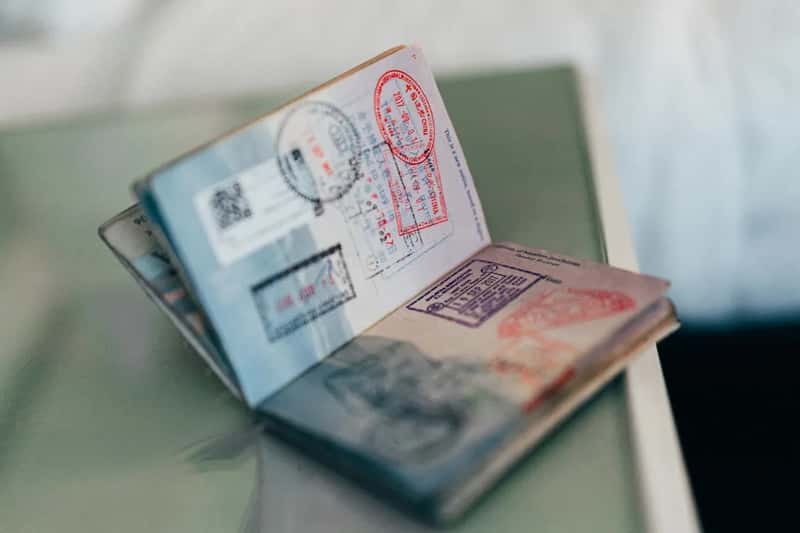
The scheme didn’t appear overnight. In 1984, the Caribbean nation of St. Kitts and Nevis launched the world’s first formal CBI program, allowing foreign nationals to acquire citizenship through real estate purchase or government donations.[3] It was a novel idea at the time, treating legal nationality as something that could be purchased rather than earned through birth or years of residency.
The logic behind it was straightforward economics. These island nations adopted CBI because they couldn’t generate enough revenue to fund public expenditure through exports and tourism.[3] Selling passports became a way to plug budget gaps without raising taxes on a population too small to bear the burden alone.
The numbers behind the claim
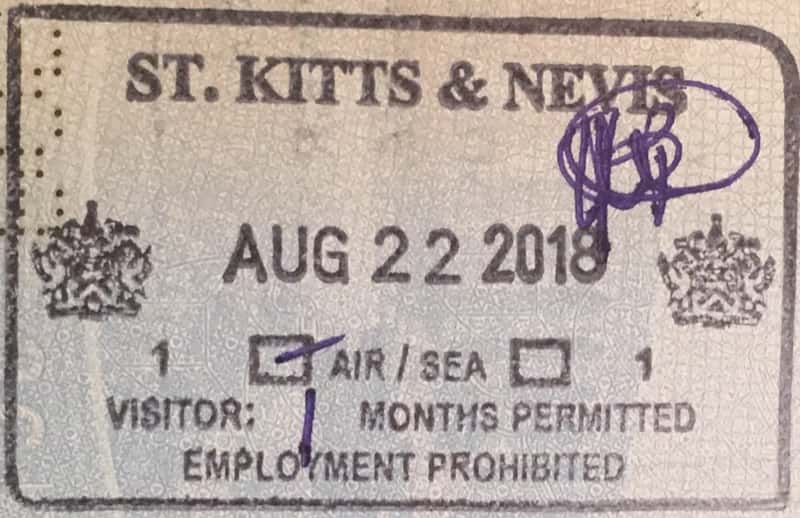
The scale of the program becomes clearer once you look at the cumulative totals. Official figures confirm that the Citizenship by Investment programme in St. Kitts and Nevis issued more than 56,015 economic citizenships over a ten-year period[4]. Break that down further and the pace is striking: the latest EC data reveals that 48,844 passports were issued between 2015 and 2023, with a further 6,437 issued in 2024[4].
Compare those totals against a native population that has never crossed sixty thousand, and the headline claim holds up. This isn’t a case of exaggeration or rounding. It’s a small government running what amounts to a passport export business, with foreign buyers outnumbering the people born on the islands.
What it actually costs to buy in

Pricing has shifted several times over the years, generally upward. As of the most recent rules, a main applicant of a family of up to four persons pays US$250,000[5] through the donation route, while the real estate option requires a larger outlay. On October 28th, 2024, the minimum investment amounts for real estate were lowered from $400,000 to $325,000 for shares in tourist real estate and condominiums, and from $800,000 to $600,000 for private detached houses.[6]
Applicants aren’t buying just for themselves either. The program allows inclusion of a spouse, dependent children up to the age of 30, and parents up to age 55[5], which means one successful application can multiply into several passports issued to a single extended family in one transaction.
Who is buying St Kitts and Nevis citizenship
The buyer pool has always leaned toward people whose own passports offer limited travel freedom. Historically, successful applicants included nationals from Russia, Belarus, Iran, Iraq, North Korea, and Afghanistan[4], a detail that has drawn considerable international attention. As of 2026, the government has responded directly to that scrutiny.
New restrictions now bar entire nationalities from applying. As of 2026, the program maintains a strict ban on citizens from Afghanistan, Iran, Iraq, North Korea, Russia, and Belarus.[5] It’s a notable reversal from the open door policy of earlier years, and it reflects mounting pressure from Western governments worried about who exactly is walking around with a Kittitian passport.
Where the money goes

For a stretch of years, this program wasn’t a side hustle for the government. It was the government’s main source of income. At its peak, according to IMF estimates, revenues from the St. Kitts CBI program hit 50% of GDP in 2021, and the programme directly contributed between 60 to 70 percent of Federal revenue in 2022.[7]
That kind of dependency is unusual for any modern economy. In 2022, CBI revenue stood at approximately EC$500 million, representing 26 percent of GDP.[7] Few countries anywhere rely this heavily on a single, controversial revenue stream to keep public services running.
International scrutiny and the crackdown
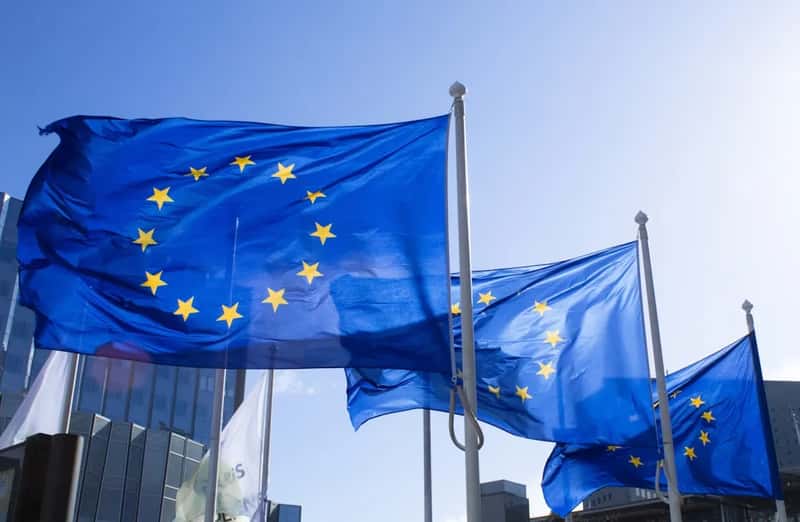
Brussels has taken notice, and not favorably. Regulators have flagged that obtaining citizenship through investment schemes could lead to the infiltration of organised crime, money laundering, tax evasion, and corruption[2]. That kind of language from the European Commission carries real weight given how much these passports rely on visa free access to the EU.
The response has been legislative, not just rhetorical. The proposed legislation would end visa exemptions for countries that operate investor citizenship schemes for buyers who lack a genuine link to the nation.[2] For a country whose entire pitch rests on visa free travel, losing that access would gut the value proposition almost overnight.
The price hikes and declining demand

Pressure from abroad forced a regional response. Caribbean countries signed a Memorandum of Understanding, and under the agreement, the minimum cost of obtaining golden passports has been set at $200,000 since July 1st, 2024.[8] St Kitts went further than the regional floor, and the effect on application volume was immediate and dramatic.
The drop off is almost jarring when you line up the figures. Between 2015 and 2023, the Federation recorded 19,655 applications, a figure that collapsed to 223 applications in 2024 after the price hike, with 171 applications received up to April of the following year.[4] Revenue followed the same downward path, falling from roughly EC$500 million at its peak to something closer to a fraction of that within a couple of years.
Security concerns and rejected applicants
Due diligence has always been the weak link in the CBI model, and regulators across the region have said as much. Rejection rates vary widely by country, which itself raises questions about consistency. In 2024, rejection rates were 1.7% in Antigua and Barbuda, 5.3% in Saint Lucia, and 6.5% in Dominica, raising concerns about the adequacy of security and due diligence procedures.[4]
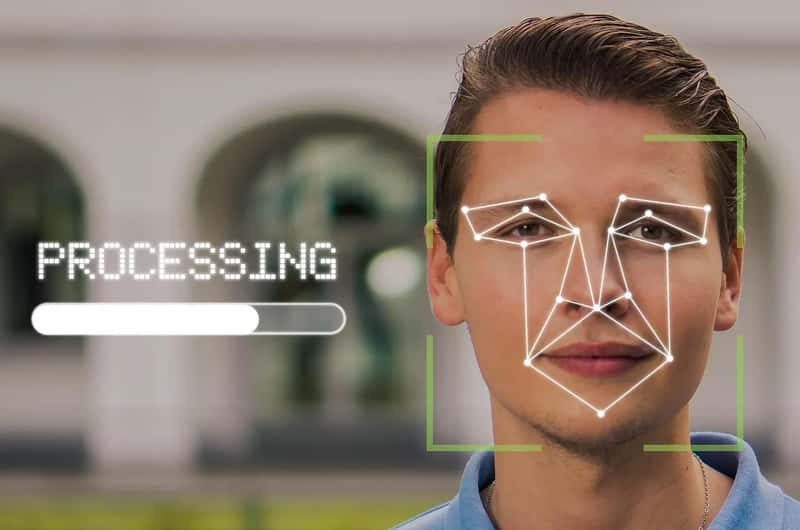
St Kitts has tried to tighten its own screening in response. New rules introduced mandatory interviews, and the government has rolled out biometric collection for applicants. St. Kitts & Nevis began rolling out mandatory biometric data collection, including fingerprints and facial recognition, starting April 14, 2026, with new ePassports issued to all successful applicants and a compliance deadline of July 31, 2026 for existing citizens.[5]
What this means for ordinary citizens
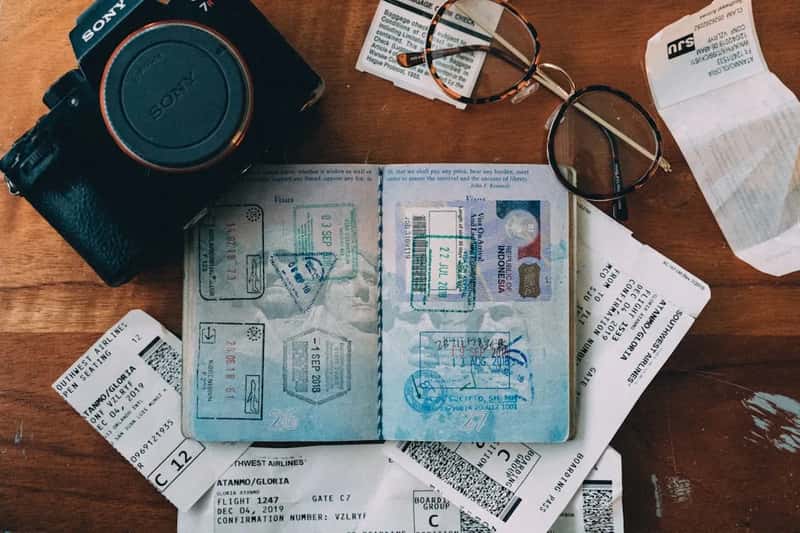
None of this happens in a vacuum for the people actually born on these islands. When foreign governments lose trust in a passport’s integrity, it’s the native population that pays the price through tightened travel restrictions and diplomatic friction. Neighboring Dominica already felt this directly, when the UK government in July stopped visa-free travel from Dominica and four other countries[9], a warning shot that applies just as easily to St Kitts and Nevis.
The federation now finds itself walking a narrow path. It needs the revenue the program generates, since it still makes up a meaningful share of government income, but it also needs to protect the underlying value of citizenship itself. If foreign confidence collapses entirely, the passport stops being an asset and starts becoming a liability for everyone who holds it, buyer and native born citizen alike.
Final thoughts
What makes this story unusual isn’t just the raw numbers, though those alone are striking enough. It’s the reversal of what a passport is supposed to represent. For most countries, citizenship flows from birth, residency, or a slow legal process tied to a place. In St Kitts and Nevis, for several decades, it flowed just as easily from a wire transfer.
The tightening rules of the past two years suggest the era of easy money is winding down, even if the program itself isn’t going away. Whether that’s enough to restore full international confidence in a passport that has, for a while now, been issued more often to strangers than to its own people remains an open question.